
Damage Restoration in Joplin, MO
- Damage Restoration Services Overview
- Common Damage Restoration Issues in Joplin, Missouri
- Neighborhoods We Serve in Joplin
- Seasonal Damage Patterns in Joplin
- Housing Characteristics & Restoration Considerations
- Environmental Conditions & Damage Implications
- Tornado Recovery and Specialized Restoration in Joplin
Damage Restoration Services Overview
Delaying damage restoration in Joplin can lead to devastating long-term consequences. Structural damage worsens, mold spreads throughout your property, and repair costs multiply exponentially with each passing day.
Professional restoration services address multiple types of property damage with specialized techniques and equipment. The comprehensive approach protects both your investment and your family's health.
- Water Damage Restoration - Extraction, drying, and structural repair from burst pipes, appliance failures, and storm flooding
- Flooded Basement - Complete water removal, dehumidification, and foundation protection
- Sewage Cleanup - Safe removal of contaminated water with proper sanitization protocols
- Fire Damage Restoration - Structural repair, debris removal, and complete property rehabilitation
- Smoke Damage Restoration - Odor elimination, surface cleaning, and air quality restoration
- Mold Removal - Professional remediation with containment and prevention strategies
Licensed, bonded, and insured restoration companies in Joplin provide 24/7 emergency response throughout the Four-State area. IICRC-certified technicians use advanced moisture detection equipment and industrial-grade drying systems to restore properties quickly and effectively.
Common Damage Restoration Issues in Joplin, Missouri
Joplin's location in Tornado Alley creates unique restoration challenges. Severe weather patterns bring intense storms, flooding, and wind damage that can overwhelm residential and commercial properties.
The area's clay-heavy soil retains moisture longer, creating perfect conditions for basement flooding and foundation water intrusion. Aging infrastructure compounds these problems with frequent pipe failures and sewage backups.
- Spring Storm Damage - Hail, wind, and flooding from severe thunderstorms
- Basement Water Issues - Poor drainage and clay soil cause recurring flooding problems
- HVAC-Related Problems - Condensation buildup leads to mold growth in ductwork
- Appliance Failures - Water heater ruptures and washing machine overflows
- Tornado Recovery - Complete structural restoration after severe weather events
- Humidity-Related Mold - High summer moisture levels promote rapid mold growth
Warning signs include musty odors, visible water stains, peeling paint, and unexplained increases in utility bills. Early detection prevents minor issues from becoming major restoration projects.
Sewage backups frequently occur during heavy rainfall when municipal systems become overwhelmed. Fire damage often results from electrical issues in older homes and heating system malfunctions during winter months.
Neighborhoods We Serve in Joplin
Professional restoration services cover all Joplin neighborhoods and surrounding communities. Response teams reach every area of the city within minutes of emergency calls.
- Downtown Joplin - Historic buildings and commercial district properties
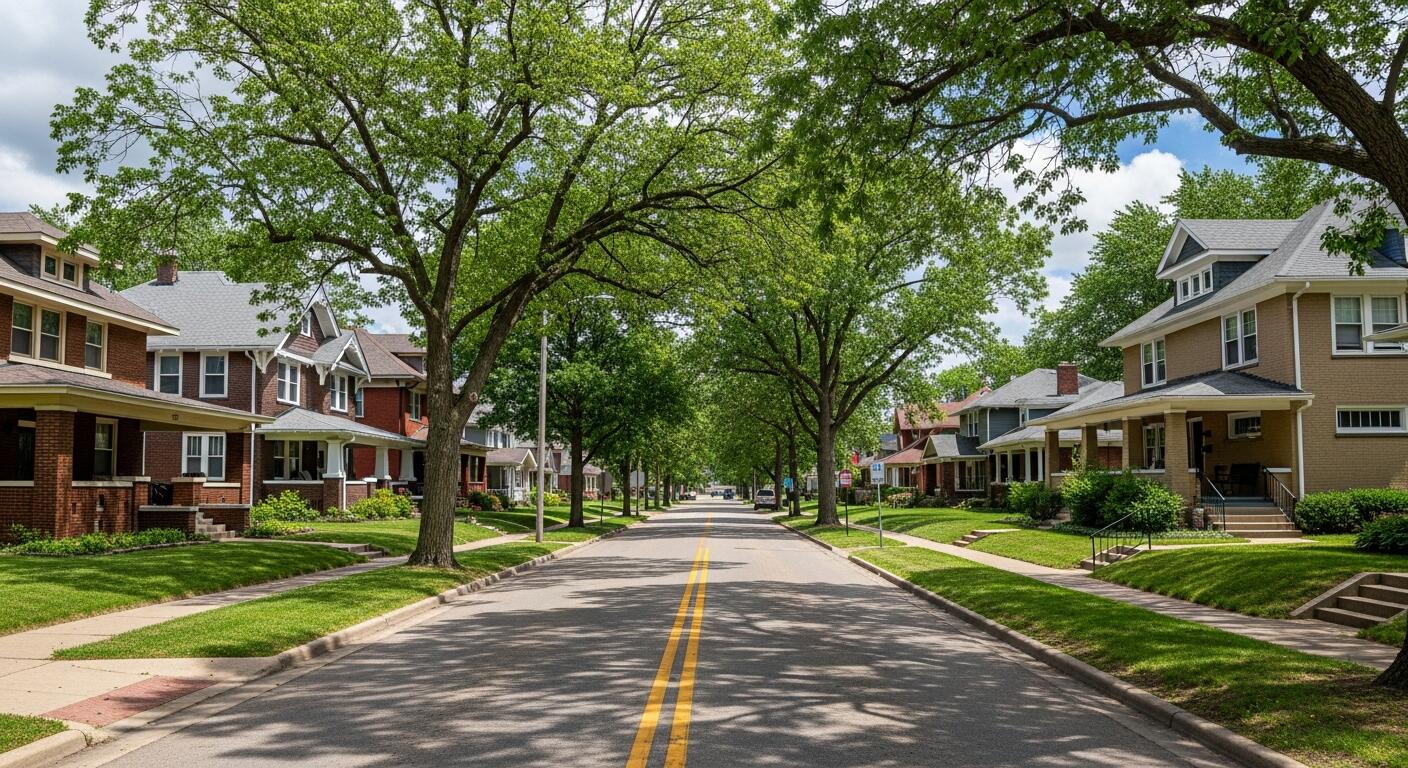
- Cunningham Park Area - Residential neighborhoods with mature trees and established homes
- Northpark Mall District - Shopping centers and surrounding residential developments
- Duquesne - Neighboring community with quick access to restoration services
- Webb City - Adjacent city served by Joplin-based restoration companies
- Carthage - Extended service area for comprehensive damage restoration
- Carl Junction - Suburban community with growing restoration needs
Service coverage extends throughout Jasper County and into surrounding areas of the Four-State region. Rural properties and commercial facilities receive the same rapid response and professional service as urban locations.
Seasonal Damage Patterns in Joplin
Joplin experiences distinct seasonal damage patterns that require different restoration approaches. Understanding these cycles helps property owners prepare for potential issues and respond quickly when problems arise.
- Spring (March-May) - Severe weather season brings tornado damage, hail impact, and flooding from heavy rains
- Summer (June-August) - High humidity promotes mold growth, while air conditioning failures cause water damage
- Fall (September-November) - Heating system startup issues and chimney fires increase fire damage incidents
- Winter (December-February) - Frozen pipes burst, ice dams cause roof leaks, and heating equipment malfunctions
Peak restoration season occurs from April through June when severe thunderstorms and tornadoes strike the region. Water damage restoration and flooded basement cleanup surge during this period.
Mold removal services see increased demand during humid summer months when temperatures and moisture levels create ideal growth conditions. Fire damage restoration spikes in winter due to heating-related incidents and holiday cooking accidents.
Sewage cleanup becomes more frequent during spring storms when municipal systems overflow and backup into residential properties.
Housing Characteristics & Restoration Considerations
Joplin's housing stock reflects decades of growth and rebuilding, particularly following the devastating 2011 tornado. The mix of construction types creates diverse restoration challenges requiring specialized approaches.
Many homes built before 1980 feature basement foundations susceptible to water intrusion. Clay tile and wood frame construction in older neighborhoods requires careful moisture management during restoration projects.
- Pre-1950 Homes - Original hardwood floors, plaster walls, and knob-and-tube wiring complicate restoration
- Mid-Century Construction (1950-1980) - Concrete block foundations and asbestos materials require specialized handling
- Post-Tornado Rebuilds (2011-Present) - Modern construction with improved drainage and fire-resistant materials
- Mobile Home Communities - Unique challenges for water damage and structural restoration
- Historic Downtown Buildings - Brick and stone construction with specialized restoration requirements
Newer construction incorporates tornado-resistant features and improved drainage systems that reduce restoration complexity. However, rapid building after the tornado sometimes created moisture issues that emerge years later.
Basement flooding affects approximately 60% of Joplin homes due to the area's clay soil and poor natural drainage. Mold removal often becomes necessary in finished basements where moisture accumulates behind walls and under flooring materials.
Environmental Conditions & Damage Implications
Joplin's continental climate creates challenging conditions for property maintenance and restoration. The region experiences temperature extremes, high humidity, and severe weather that accelerate damage when problems occur.
Clay-heavy soil throughout the area retains moisture and expands during wet periods, creating foundation pressure and basement water intrusion. Poor natural drainage compounds flooding issues during heavy rainfall events.
- Humidity Levels - Summer readings above 70% promote rapid mold growth in water-damaged areas
- Temperature Fluctuations - Freeze-thaw cycles cause pipe bursts and foundation movement
- Soil Composition - Expansive clay creates hydrostatic pressure against basement walls
- Water Table Depth - Shallow groundwater increases basement flooding risk during wet seasons
- Air Quality Factors - Agricultural activities and industrial emissions affect indoor air during restoration
The area's position in Tornado Alley subjects properties to extreme wind damage, hail impact, and debris infiltration. Smoke damage restoration becomes complex due to the region's frequent grass fires and agricultural burning.
Municipal water systems face periodic strain during drought conditions, while sewage infrastructure struggles during heavy rainfall events. These factors influence restoration timelines and methodology for water damage and sewage cleanup projects.
High mineral content in local water supplies can complicate restoration drying processes and leave residual deposits on surfaces after flooding events.
Tornado Recovery and Specialized Restoration in Joplin
Joplin's experience with catastrophic tornado damage has shaped the local restoration industry into one of the most experienced and capable in the Midwest. The 2011 EF5 tornado created unprecedented challenges that local restoration professionals now use to benefit all property damage situations.
This unique expertise extends beyond tornado recovery to all types of restoration work. Companies that rebuilt entire neighborhoods understand the complexities of comprehensive property restoration better than firms in areas with less severe weather exposure.
- Debris Management - Systematic removal and disposal of damaged materials from fire, water, and storm damage
- Structural Assessment - Advanced techniques for evaluating foundation integrity and load-bearing capacity
- Insurance Navigation - Extensive experience working with major carriers on complex claims
- Rapid Response Protocols - Streamlined emergency procedures developed through large-scale disaster response
- Community Coordination - Established relationships with local contractors, suppliers, and municipal services
Local restoration teams maintain specialized equipment for handling multiple damage types simultaneously. Properties affected by both wind and water damage receive coordinated restoration services that address all issues systematically.
The rebuilding experience created deep knowledge of modern building codes and restoration best practices. This expertise benefits routine restoration projects like mold removal, sewage cleanup, and fire damage restoration with more efficient and effective service delivery.
Joplin restoration professionals understand the emotional impact of property damage on families and businesses. Their approach combines technical expertise with compassionate service that helps property owners through difficult restoration periods.





