
Damage Restoration in Ashland, VA
- Damage Restoration Services Overview
- Common Damage Restoration Issues in Ashland, Virginia
- Neighborhoods We Serve in Ashland
- Seasonal Damage Patterns in Ashland
- Housing Characteristics & Restoration Considerations
- Environmental Conditions & Damage Implications
- Crawl Spaces, Basements, and Why Ashland Homes Fight Moisture Year-Round
Damage Restoration Services Overview
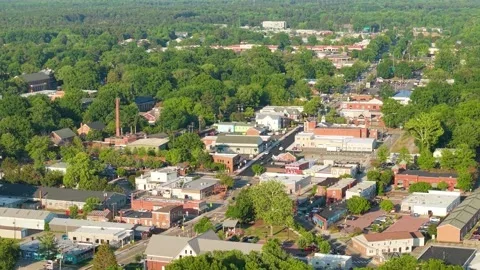
Ashland sits barely 15 miles north of Richmond, yet its position along the Fall Line and the South Anna and Chickahominy watersheds means groundwater sits closer to the surface here than many homeowners expect. That single geographic quirk drives a surprising share of the basement seepage, crawl space saturation, and mold calls placed across Hanover County each year.
Property damage rarely announces itself politely. A supply line lets go behind a washing machine, a summer thunderstorm overwhelms a sump pump, or a kitchen fire fills a 1940s bungalow with smoke that settles into every porous surface.
- Water Damage Restoration - moisture mapping, extraction, structural drying, and documentation for insurance
- Flooded Basement - standing water removal, content triage, and drying of block and poured foundations
- Sewage Cleanup - containment and disinfection of Category 3 contamination from backups and septic failures
- Fire Damage Restoration - debris removal, structural stabilization, and rebuild coordination
- Smoke Damage Restoration - soot removal, thermal fogging, and odor neutralization
- Mold Removal - containment, HEPA filtration, antimicrobial treatment, and moisture source correction
Early diagnostics with thermal imaging and penetrating meters catch hidden moisture before it becomes a mold colony - which protects both the structure and the household budget.
Common Damage Restoration Issues in Ashland, Virginia
Ashland's mix of century-old railroad-era homes, mid-century ranches, and newer subdivisions produces distinctly different failure patterns. Add Virginia's humid subtropical climate and the result is a year-round moisture challenge.
Frequent Causes of Damage
- Burst or pinhole-leaking copper and polybutylene supply lines in older Center Street and College Avenue properties
- Appliance failures - dishwashers, refrigerator ice makers, washing machine hoses, and water heaters
- Tropical storm and hurricane remnants dumping several inches of rain in a matter of hours
- Sump pump failures during power outages, leading to flooded basements
- Municipal sewer backups and saturated septic drain fields in outlying rural parcels
- Kitchen grease fires, chimney and wood stove fires, and electrical faults in aging panels
- Crawl space humidity feeding mold growth on floor joists and subfloor sheathing
Warning Signs Worth Acting On
- Musty odors that intensify in humid weather or after rainfall
- Cupping, buckling, or darkening of hardwood floors - a common issue in Ashland's older homes with original oak flooring
- Efflorescence, white chalky deposits, or hairline cracks on basement block walls
- Peeling paint, bubbling drywall tape, or ceiling stains that grow between storms
- Persistent smoke odor that returns on warm, humid days after a fire event
- Gurgling drains or slow toilets signaling a developing sewage backup
- Unexplained allergy or asthma flare-ups among household members
Neighborhoods We Serve in Ashland
Coverage extends across the town limits and well into surrounding Hanover County communities.
- Historic Downtown Ashland - Center Street, Railroad Avenue, and the Randolph-Macon College corridor
- Berkleytown and North Ashland - older frame homes with crawl spaces and original wood floors
- Cottage Green, Kings Charter, and Hickory Hill - established subdivisions with finished basements
- Gwathmey Church Road and Ashcake Road corridors - rural properties on wells and septic systems
- Elmont, Doswell, and Hanover Courthouse - surrounding unincorporated areas
- Glen Allen, Mechanicsville, Rockville, and Beaverdam - neighboring service regions
Response along the I-95 and US-1 corridors is straightforward, and familiarity with Hanover County permitting and Town of Ashland building requirements keeps reconstruction moving without administrative delays.
Seasonal Damage Patterns in Ashland
Winter (December - February)
- Frozen and burst pipes in unheated crawl spaces, garages, and exterior walls
- Ice dam backup along low-slope roof sections
- Peak heating season fires from space heaters, fireplaces, and clogged chimney flues
Spring (March - May)
- Snowmelt and heavy rainfall driving basement seepage and sump pump overload
- Rising humidity reactivating dormant mold in crawl spaces
- Sewer line root intrusion as tree roots resume active growth
Summer (June - August)
- Severe thunderstorms, lightning strikes, and wind-driven rain intrusion
- Peak mold season - outdoor dew points regularly in the 70s
- HVAC condensate line clogs saturating ceilings and closets
- Grill and outdoor cooking fires spreading to decks and siding
Fall (September - November)
- Tropical system remnants producing flash flooding and flooded basements
- Clogged gutters redirecting water against foundations
- First furnace runs releasing dust and occasionally igniting accumulated debris
Housing Characteristics & Restoration Considerations
Ashland's housing stock spans well over a century, and each era brings its own restoration profile.
Pre-1940 Homes
- Balloon framing allows smoke and fire to travel vertically through wall cavities
- Plaster and lath holds moisture far longer than drywall, extending drying timelines
- Original heart pine and oak floors are often salvageable with controlled drying and specialty floor mats
- Knob-and-tube remnants and cast iron drain lines raise both fire and sewage backup risk
Mid-Century Ranches (1950s - 1980s)
- Vented crawl spaces that pull humid summer air across cool framing, feeding mold
- Galvanized supply piping prone to corrosion and pinhole leaks
- Wall cavities with fiberglass batt insulation that retains water and must be removed
Modern Construction (1990s - Present)
- Finished basements with drywall, carpet pad, and built-ins that complicate flood recovery
- Tighter building envelopes that trap moisture and concentrate smoke odor
- Engineered wood products and OSB subfloors that delaminate quickly once saturated
- Second-floor laundry rooms creating multi-level water damage from a single hose failure
Restoration planning accounts for these differences from the first inspection - a plaster wall in a downtown Victorian and a drywall partition in a Kings Charter basement demand entirely different drying strategies and equipment placement.
Environmental Conditions & Damage Implications
Ashland's humid subtropical climate delivers roughly 44 inches of rain annually, distributed fairly evenly across the calendar with summer thunderstorm peaks.
Climate Factors
- Summer relative humidity frequently above 70 percent, well past the 60 percent threshold where mold thrives
- Freeze-thaw cycling from December through February stressing foundations and exterior plumbing
- Hurricane season exposure from June through November, with inland flooding as the primary threat
Soil and Groundwater
- Piedmont clay soils that expand when wet and press hydrostatic pressure against basement walls
- Slow percolation rates that keep water standing near foundations after heavy rain
- Elevated water tables in low-lying parcels near creeks and drainage swales
- Septic drain fields that surcharge during wet periods, raising sewage backup risk
Water and Air Quality
- Well water in rural Hanover County can carry iron and sulfur that stain materials after a flood event
- Pollen-heavy spring air loads HVAC systems, and those same systems distribute mold spores and soot after a loss
- Smoke residues become more acidic in humid conditions, accelerating corrosion on metal fixtures and electronics
Dehumidification targets and containment design are set against these local conditions rather than generic national averages, which is what keeps a dried structure from reabsorbing moisture a week later.
Crawl Spaces, Basements, and Why Ashland Homes Fight Moisture Year-Round
More than half of restoration calls in the Ashland area trace back to a space most homeowners rarely enter. Crawl spaces and basements sit against cool earth, collect condensation, and quietly feed problems that eventually surface as odors, warped floors, and respiratory complaints upstairs.
How the Problem Develops
- Warm, humid outdoor air enters through foundation vents or wall cracks
- That air contacts cooler framing, ductwork, and masonry, reaching dew point
- Condensation forms on joists, subfloor sheathing, and insulation facing
- Mold colonies establish within days on cellulose-rich materials
- The stack effect pulls that contaminated air upward into living space
What an Effective Response Includes
- Full moisture mapping with thermal imaging and pin-type meters before any demolition
- Removal of saturated insulation, vapor barriers, and unsalvageable storage contents
- Negative-pressure containment with HEPA filtration during mold removal
- Antimicrobial application to framing followed by verification testing
- Correction of the moisture source - grading, downspout extensions, sump pump service, or encapsulation
- Controlled structural drying with dehumidifiers sized to the actual cubic footage
Prevention Steps for Ashland Homeowners
- Extend downspouts at least six feet from the foundation, since clay soil holds water close
- Test the sump pump before spring storm season and add battery backup
- Install braided stainless steel washing machine hoses and replace them on a schedule
- Have septic systems inspected regularly to head off sewage backups
- Schedule chimney and dryer vent cleaning ahead of heating season to reduce fire risk
- Keep interior humidity below 55 percent with a properly sized dehumidifier
Catching a damp crawl space early costs far less trouble than remediating a home-wide mold issue after two humid Virginia summers.





