
Damage Restoration in Chickasha, OK
- Damage Restoration Services Overview
- Common Damage Restoration Issues in Chickasha, Oklahoma
- Neighborhoods We Serve in Chickasha
- Seasonal Damage Patterns in Chickasha
- Housing Characteristics & Restoration Considerations
- Environmental Conditions & Damage Implications
- Fire Suppression Water: The Second Damage Event on Rural Grady County Properties
Damage Restoration Services Overview
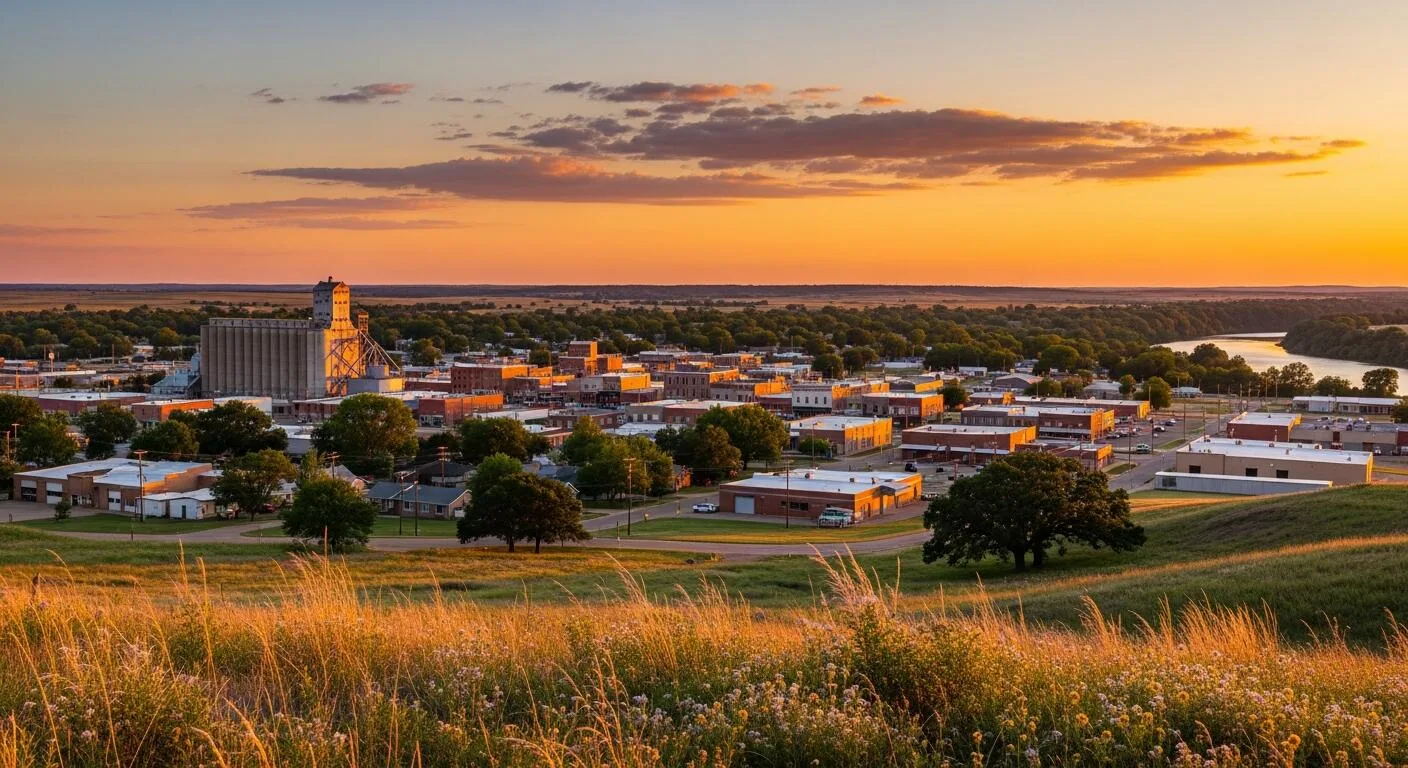
Chickasha sits at the confluence of the Washita River floodplain and thousands of acres of open grassland - a combination that produces two very different emergency calls in the same week: rising water in one home, wind-driven grass fire reaching a barn on another property. Property damage here rarely arrives in a single form.
Restoration work in Grady County spans a connected set of services, and most jobs involve more than one:
- Water damage restoration - extraction, structural drying, and moisture mapping after plumbing failures, roof leaks, or storm intrusion
- Flooded basement and crawl space recovery - pumping, sanitizing, and drying below-grade spaces common in older Chickasha homes
- Sewage cleanup - Category 3 black water response, including septic backups on rural acreage
- Fire damage restoration - structural stabilization, debris removal, and content recovery for homes, barns, and outbuildings
- Smoke damage restoration - odor neutralization and residue removal from framing, HVAC systems, and stored equipment
- Mold removal - containment, remediation, and moisture-source correction
The benefit of a single coordinated response is sequencing. Fire suppression water has to be extracted before smoke residues are cleaned. Sewage has to be removed before drying equipment runs. Handling these in the right order protects framing, flooring, and indoor air quality across the whole structure.
Common Damage Restoration Issues in Chickasha, Oklahoma
The single most overlooked problem in Chickasha is water damage that follows a fire - not the fire itself. Rural properties often require longer firefighting efforts, and the volume of water used saturates areas far from the burn zone.
Warning Signs Property Owners Report
- Standing water or saturated flooring throughout the structure after fire suppression
- Warping in wood flooring or cabinetry in rooms well away from the fire area
- Drywall showing water staining or beginning to sag along seams
- Musty odor developing within 24 to 48 hours when water is not addressed
- Visible water lines on walls and baseboards
- Lingering smoke odor that returns when the HVAC system cycles
Fire and Smoke Patterns in Grady County
Damage concentrates on rural properties bordering open grassland or agricultural fields. Common findings include:
- Visible fire damage to barns, sheds, and agricultural structures
- Smoke damage to equipment, feed, and stored materials inside outbuildings
- Structural instability in damaged agricultural buildings, particularly metal-framed pole barns
- Fire spread patterns showing movement from grassland toward structures
Smoke spread tends to be more extensive on rural properties where response times were longer, giving smoke more time to circulate before containment. Unremediated smoke residue is serious - it produces lingering odor and potential health irritants long after visible fire damage is repaired.
Water and Sewage Triggers
- Washita River and creek flooding during spring storm cycles
- Hail and wind damage to roofing that allows repeated water intrusion
- Frozen and burst supply lines in unheated crawl spaces during January cold snaps
- Septic system saturation on acreage properties after prolonged rainfall
- Municipal line backups affecting older neighborhoods with clay lateral piping
Neighborhoods We Serve in Chickasha
Coverage extends across the Chickasha city limits and well into surrounding Grady County acreage, where response distance matters most.
- Downtown and the historic core - Chickasha Avenue district and older brick commercial properties
- Shepherd Mall and Country Club areas - established mid-century residential streets
- Neighborhoods surrounding USAO - student rentals and older frame housing
- South Chickasha and the Highway 81 corridor - mixed residential and commercial
- Northeast Chickasha near Shannon Springs Park
- Rural acreage along Highway 62, Highway 92, and Country Club Road
Outlying Grady County communities served include Ninnekah, Verden, Amber, Tuttle, Minco, Alex, Bradley, Pocasset, and Rush Springs. Rural response includes farmsteads, horse properties, grain storage buildings, and detached workshops - structures that need the same drying and smoke remediation standards as the main residence.
Seasonal Damage Patterns in Chickasha
Damage type in Chickasha follows the calendar closely, and knowing the pattern helps property owners prepare before the call becomes urgent.
- January and February - Frozen pipe bursts lead the list. Crawl space and exterior wall lines fail during hard freezes, flooding basements and lower levels while homes are unoccupied.
- March through May - Peak severe weather. Hail, straight-line wind, and heavy rainfall drive roof intrusion, basement flooding, and saturated crawl spaces. Sewage backups rise as saturated ground overwhelms septic fields.
- June through August - Mold removal calls climb sharply. Oklahoma humidity combines with spring moisture left inside wall cavities, and musty odors surface in closets, under sinks, and along north-facing walls.
- September through November - Grass fire season intensifies as vegetation cures and winds pick up. Fire and smoke damage to barns, sheds, and homes bordering open fields peaks in this window.
- December - Heating equipment, fireplace, and space heater fires increase, along with the water damage that follows suppression efforts.
Wildfire risk overlaps with drought years regardless of month, so grassland-adjacent properties stay exposed through winter dormancy.
Housing Characteristics & Restoration Considerations
A large share of Chickasha housing predates 1980, and that age shapes nearly every restoration decision made on site.
Common Construction Types
- Early to mid-century frame homes with lath-and-plaster walls, shiplap subfloor, and pier-and-beam foundations
- Post-war ranch homes on slab with hardwood or original vinyl flooring
- Partial basements and storm cellars - less common than in northern states but present in older stock and highly prone to flooding
- Manufactured and modular homes on rural lots with belly-wrap insulation that traps water
- Metal pole barns and wood-frame outbuildings on acreage properties
How Age Affects the Work
- Plaster holds moisture far longer than drywall and requires extended drying with careful monitoring rather than immediate demolition
- Pier-and-beam crawl spaces collect standing water and need pumping, sanitizing, and vapor barrier replacement
- Cast iron and clay sewer laterals in older neighborhoods crack and permit repeat sewage backups until the line is corrected
- Homes built before the late 1970s may contain asbestos-containing floor tile, mastic, or insulation, requiring testing before demolition
- Balloon framing in the oldest homes lets smoke and odor travel vertically through wall cavities from basement to attic
- Original ductwork holds smoke residue and mold spores, so HVAC cleaning is part of thorough restoration rather than an add-on
Manufactured homes need particular attention - water trapped between the floor decking and the underbelly wrap will not dry on its own and reliably produces mold within weeks.
Environmental Conditions & Damage Implications
Chickasha's red clay soil is the environmental factor that surprises most property owners, because it changes how water behaves around a foundation.
Soil and Groundwater
- Dense clay drains slowly, holding rainwater against foundation walls and forcing hydrostatic pressure through cracks into basements and crawl spaces
- Clay expands when wet and shrinks during drought, opening foundation cracks that become water entry points the following season
- Poor percolation extends septic field recovery after heavy rain, increasing sewage backup risk on rural properties
Climate Factors
- Humid subtropical summers with dew points in the 70s slow evaporative drying and accelerate mold growth
- Wide temperature swings between seasons cause condensation inside wall cavities and ductwork
- Spring storm systems deliver high-volume rainfall in short windows, overwhelming gutters and yard drainage
- Dry, windy autumn and drought periods cure grassland fuel and raise fire spread risk toward structures
Air and Water Quality Effects
- Agricultural dust and pollen already load indoor air, so smoke residue compounds respiratory irritation for sensitive occupants
- Floodwater in rural areas may carry fertilizer, herbicide, and livestock waste, elevating it to Category 3 black water requiring full sanitization
- Mineral-heavy well water leaves residue that can mask early staining from slow leaks
These conditions mean drying targets in Chickasha are set against local humidity baselines rather than generic numbers, and moisture readings are verified in multiple materials before equipment is removed.
Fire Suppression Water: The Second Damage Event on Rural Grady County Properties
Fire damage on a Chickasha farmstead is almost always two losses in one, and the water half often causes more square footage of destruction than the flames.
When a grass fire moves from open pasture toward a barn or home, suppression can take considerably longer than in town. Longer firefighting means thousands of additional gallons discharged into and around the structure - water that migrates through subfloor, wicks up drywall, and pools in crawl spaces far from the burn zone.
What Thorough Post-Fire Response Looks Like
- Structural safety assessment - evaluating burned framing, compromised roof trusses, and unstable metal building components before anyone enters
- Water extraction first - removing standing suppression water from all levels, including crawl spaces and detached outbuildings
- Moisture mapping across the entire footprint - thermal imaging and meter readings in rooms with no visible damage, since warping and staining appear days later
- Controlled drying - dehumidification and air movement calibrated to Oklahoma humidity, monitored daily until materials reach dry standard
- Smoke residue removal - cleaning framing, ductwork, contents, and stored equipment in barns and sheds where circulation carried particulate
- Odor neutralization - treating porous materials and sealing where necessary rather than masking with fragrance
- Mold prevention verification - re-inspection at the 48 to 72 hour mark and beyond, since musty odor signals colonization already underway
Details That Get Missed
- Feed, tack, tools, and equipment stored in outbuildings absorb smoke and need individual evaluation, not blanket disposal
- Insulation above the ceiling holds both smoke particulate and suppression water
- Cabinet interiors and hardwood in distant rooms warp quietly under trim
- Well and septic systems near fire activity should be checked for contamination
Documentation of every reading, photo, and affected material supports the insurance claim and confirms the property was returned to a genuinely dry, odor-free, and sanitary condition.





