Damage Restoration in Gila County, AZ
- Damage Restoration Services Overview
- Common Damage Restoration Issues in Gila County, Arizona
- Neighborhoods We Serve in Gila County
- Seasonal Damage Patterns in Gila County
- Housing Characteristics & Restoration Considerations
- Environmental Conditions & Damage Implications
- Burn Scars, Monsoon Runoff, and Post-Wildfire Flood Restoration
Damage Restoration Services Overview
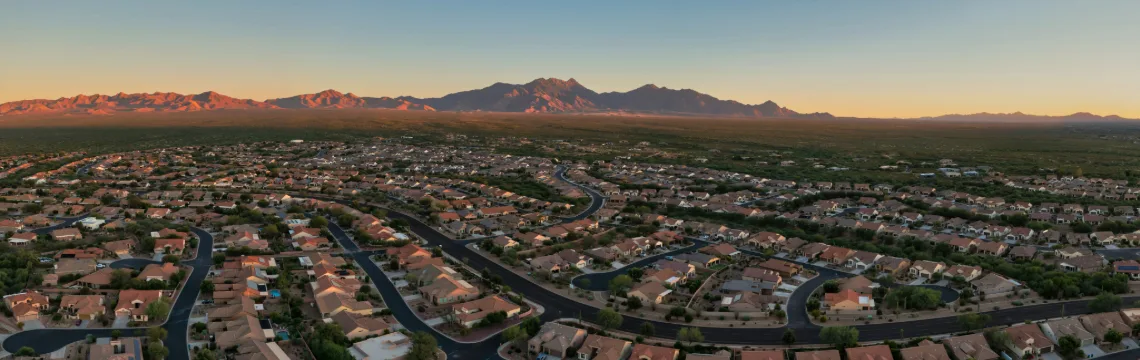
Gila County sits where high desert meets ponderosa pine, and that geography shapes every restoration job here. Steep canyon drainages, monsoon downpours, wildfire-scarred slopes, and aging housing stock in Globe, Payson, and Miami combine to create damage patterns you simply don't see in flatter parts of Arizona.
Property owners across the county rely on a full range of restoration disciplines, each addressing a different failure point:
- Water Damage Restoration - extraction, structural drying, and moisture mapping after storm intrusion, roof failures, or plumbing breaks.
- Flooded Basement - pumping out below-grade spaces, drying foundation walls, and addressing hydrostatic pressure that pushes water through block and slab joints.
- Sewage Cleanup - containment and decontamination when septic systems back up or municipal lines surcharge during heavy runoff.
- Fire Damage Restoration - structural stabilization, debris removal, and rebuilding after wildland-urban interface fires or interior blazes.
- Smoke Damage Restoration - soot removal, thermal fogging, and odor neutralization for homes affected by nearby burns or forest smoke intrusion.
- Mold Removal - containment, remediation, and moisture-source correction in crawlspaces, bathrooms, and flood-affected walls.
Fast response matters most in this terrain. Water travels quickly through porous soils and older framing, and delays turn a manageable extraction into a full mold remediation project.
Common Damage Restoration Issues in Gila County, Arizona
The September 2025 monsoon flooding in Globe demonstrated how fast conditions change here - days of storms, inundated roads, and countywide damage assessments filed by residents. Similar events repeat on a smaller scale nearly every summer.
Primary Causes of Property Damage
- Monsoon flash flooding - runoff from Pinal Creek, Tonto Creek, and canyon washes overwhelms culverts and enters garages, basements, and ground-floor rooms.
- Burn-scar runoff - fire-adapted slopes shed water instead of absorbing it, sending mud and debris flows toward homes below.
- Septic and sewer surcharge - saturated leach fields back up into tubs and floor drains, requiring full sewage decontamination.
- Wildfire and smoke intrusion - even homes untouched by flame absorb soot and odor through attic vents and HVAC returns.
- Frozen or split supply lines - Payson and Pine sit high enough for winter freezes that rupture uninsulated pipes.
- Hidden mold growth - slow leaks behind tile and under manufactured-home flooring go unnoticed for months.
Warning Signs Worth Acting On
- Efflorescence or white powder on basement and foundation walls.
- Musty odors that intensify after rain or when the AC runs.
- Staining rings on ceilings, especially near roof valleys and swamp cooler mounts.
- Slow drains or gurgling fixtures during storm periods - often the first sign of septic trouble.
- Persistent smoke smell returning on humid days after a fire event.
- Warped baseboards, cupped flooring, or drywall that feels soft to the touch.
Neighborhoods We Serve in Gila County
Restoration crews cover the county's spread-out communities, from the copper country in the south to the Rim Country pines up north.
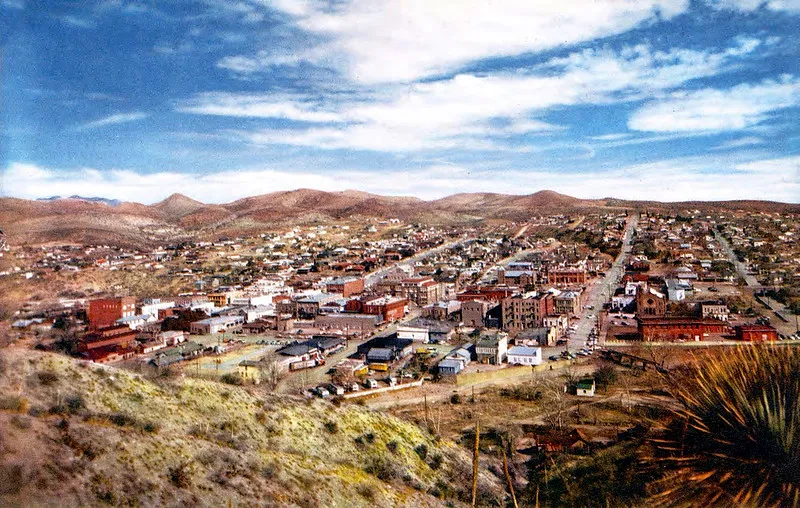
- Globe and Miami - historic downtown districts, Pinal Creek corridor properties, and hillside homes on narrow streets.
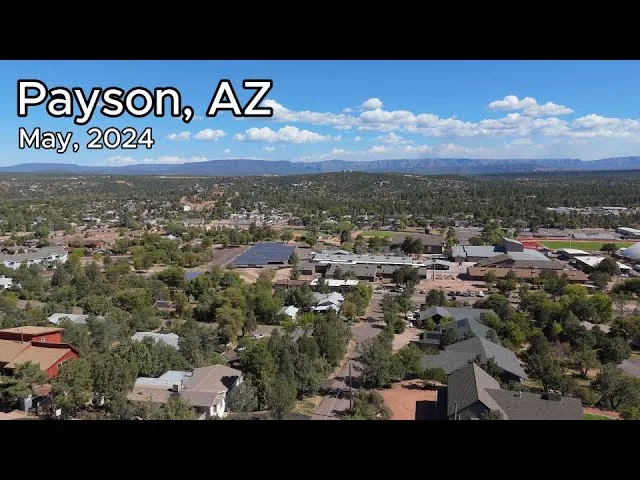
- Payson - the county's largest population center, including Mesa del Caballo and Star Valley.
- Pine and Strawberry - forested lots along the Mogollon Rim with heavy vegetation exposure.
- Tonto Basin and Roosevelt - lakeside and creek-adjacent properties vulnerable to seasonal flooding.
- Young - remote Pleasant Valley homes and ranch structures.
- Claypool, Central Heights, and Wheatfields - established residential pockets near Globe.
- Gisela, Rye, and Christopher Creek - small creekside communities along the East Verde and Tonto Creek drainages.
Service also extends toward the San Carlos and Whiteriver areas and the surrounding Tonto National Forest inholdings.
Seasonal Damage Patterns in Gila County
Spring (March - May)
- Snowmelt from Rim Country saturates soils and fills crawlspaces.
- Mold discovered during spring cleaning after winter moisture sat undetected.
- Roof damage from winter storms surfaces as ceiling stains.
Summer (June - August)
- Peak wildfire season - fire and smoke damage calls climb sharply.
- Monsoon onset in early July brings flash flooding and flooded basements.
- Septic backups increase as leach fields lose capacity in saturated ground.
Early Fall (September - October)
- Late-season monsoon events, like the Globe flooding, cause the year's most widespread water damage.
- Burn-scar debris flows push mud and contaminated water into structures.
- Mold growth accelerates in walls that were wetted weeks earlier.
Winter (November - February)
- Pipe freezes and bursts in Payson, Pine, and Young at higher elevations.
- Heating-related structure fires and furnace puff-backs leaving soot throughout the home.
- Ice damming and roof leaks on older shingle roofs.
Housing Characteristics & Restoration Considerations
Gila County housing spans more than a century of construction, and the building method dictates the restoration approach.
Common Construction Types
- Early 1900s mining-era homes in Globe and Miami - lath and plaster, board sheathing, minimal vapor barriers, and often partial basements or cellars carved into hillsides.
- Mid-century block and stucco - concrete masonry that holds moisture in the cores long after surfaces feel dry.
- 1970s - 1990s wood frame with crawlspaces, common throughout Payson and Pine.
- Manufactured and modular homes - widespread countywide, with belly wrap that traps water beneath the floor system.
- Newer slab-on-grade builds where wicking moisture travels up through carpet pad and drywall.
How Age Affects Restoration
- Pre-1980 structures require asbestos and lead testing before demolition of wet or fire-damaged materials.
- Plaster walls hold water far longer than modern drywall, calling for cavity drying and injection systems rather than removal.
- Basements and cellars in mining-era homes rarely have perimeter drains, so flooded basement work includes sump strategy and vapor barrier upgrades.
- Manufactured homes need the underbelly opened and dried - surface drying alone leaves standing water and guarantees mold return.
- Open-beam and tongue-and-groove ceilings common in Rim Country cabins absorb smoke deeply and need specialized soot cleaning and sealing.
- Septic systems, rather than municipal sewer, serve many rural properties, changing how sewage cleanup and disposal are handled.
Environmental Conditions & Damage Implications
Elevation across the county ranges from roughly 2,000 feet in the desert basins to over 7,000 feet along the Mogollon Rim, producing dramatically different drying environments within a single service area.
Climate and Air Factors
- Low ambient humidity for much of the year speeds structural drying, but monsoon-season dew points reverse that advantage overnight.
- Wildfire smoke from Tonto National Forest burns and prescribed thinning work under the Four Forest Restoration Initiative loads indoor air with fine particulate and odor compounds.
- Wide day-to-night temperature swings drive condensation inside wall cavities and attics.
Water and Soil Conditions
- Rocky, shallow soils over bedrock limit infiltration, so runoff moves fast and arrives at structures carrying silt and debris.
- Clay lenses in valley bottoms hold water against foundations long after storms pass.
- Historic mining ground near Globe and Miami means floodwater may carry heavy metals and tailings residue, elevating contamination concerns during cleanup.
- Proximity to Tonto Creek, the Salt River, Pinal Creek, and Roosevelt Lake places many parcels within active floodplains.
- Hard, mineral-heavy well water accelerates plumbing corrosion and pinhole leaks that feed hidden mold.
What This Means for Remediation
- Floodwater is treated as contaminated by default, with category assessment guiding disposal of porous materials.
- Dehumidification equipment is selected for elevation - performance drops at higher altitude and must be compensated for.
- Air scrubbing with HEPA and carbon filtration addresses both mold spores and lingering wildfire smoke.
Burn Scars, Monsoon Runoff, and Post-Wildfire Flood Restoration
The connection between fire and flooding defines restoration work in Gila County. When wildfire strips vegetation from Rim Country slopes, the soil develops a water-repellent layer. The next monsoon storm sends sheet flow, ash, and charred debris straight downhill into neighborhoods that never flooded before.
Why Post-Fire Flooding Behaves Differently
- Runoff volume from a burn scar can be many times higher than from unburned ground during the same rainfall.
- Water arrives loaded with ash, which is alkaline and stains and etches finishes on contact.
- Debris flows carry rock and woody material capable of breaching doors, windows, and garage walls.
- Ash-laden water combines fire residue and water intrusion, meaning a single event may require water damage restoration, smoke damage restoration, and mold removal together.
- Culverts and driveway crossings clog quickly, redirecting water toward foundations.
Restoration Sequence After a Burn-Scar Flood Event
- Safety assessment - checking for structural undermining, gas and electrical hazards, and unstable debris before entry.
- Bulk removal - extracting standing water, shoveling mud and ash, and hauling out saturated contents.
- Contamination control - treating ash-and-sediment water as unsanitary, with containment barriers and controlled demolition of porous materials.
- Structural drying - air movers, dehumidifiers, and cavity drying monitored with moisture meters until readings match dry standards.
- Soot and odor treatment - HEPA vacuuming, surface cleaning, and sealing where smoke residue accompanies the water.
- Mold prevention - antimicrobial application and follow-up inspection during the weeks after drying completes.
- Reconstruction - rebuilding walls, flooring, and finishes with materials suited to the exposure.
Reducing Future Exposure
- Regrade soil away from foundations and maintain positive drainage on hillside lots.
- Clear culverts, ditches, and roof drainage before monsoon season begins.
- Install backflow prevention on sewer and septic connections.
- Keep sandbags or barrier systems staged if you live downslope of a recent burn.
- Document conditions with photos and participate in county damage assessment surveys after events.