Damage Restoration in Graham County, AZ
- Damage Restoration Services Overview
- Common Damage Restoration Issues in Graham County, Arizona
- Neighborhoods We Serve in Graham County
- Seasonal Damage Patterns in Graham County
- Housing Characteristics & Restoration Considerations
- Environmental Conditions & Damage Implications
- 24/7 Emergency Response Across the Gila Valley
Damage Restoration Services Overview
When water pours through a ceiling at 2 a.m. or smoke settles into every surface of a home, the fastest path back to normal starts with a trained crew on site. Professional restoration in Graham County covers the full arc of recovery - extraction and drying, cleaning and deodorizing, then repainting and reconstruction.
Property owners across the Gila Valley rely on around-the-clock response because damage does not wait for business hours.
- Water Damage Restoration - water removal, structural drying, moisture mapping and monitoring until materials reach dry standard.
- Flooded Basement - pumping standing water from basements, cellars and sunken living areas, followed by dehumidification.
- Sewage Cleanup - safe removal of contaminated water, disposal of porous materials, antimicrobial treatment and sanitizing.
- Fire Damage Restoration - debris removal, soot cleaning, structural stabilization, board-up and full rebuild.
- Smoke Damage Restoration - odor neutralizing, HVAC and duct cleaning, content cleaning and surface sealing.
- Mold Removal - containment, air filtration, removal of colonized materials and correction of the moisture source.
Key benefits for local homeowners and business owners include reduced secondary damage, documented moisture readings for insurance claims, protection of belongings, and a single team carrying the job from emergency mitigation through finished repairs.
Common Damage Restoration Issues in Graham County, Arizona
Flooding is a frequent concern across Arizona, and Graham County sees its share from both weather and plumbing. Monsoon storms drop heavy rain on hard, dry ground that sheds water instead of absorbing it.
Common causes of loss in the area include:
- Monsoon downpours and flash flooding along washes and low-lying streets near the Gila River
- Runoff from the Pinaleño Mountains and Mount Graham overwhelming drainage during intense storms
- Roof leaks and failed flashing after wind-driven rain and hail
- Burst supply lines, failed water heaters and slab leaks in older plumbing
- Sewer backups and septic failures in rural properties outside city sewer service
- Evaporative cooler overflows leaking through ceilings during hot months
- Wildfire, electrical fires and kitchen fires that leave heavy soot and lingering odor
Warning signs worth acting on quickly:
- Discolored rings or sagging on drywall ceilings and baseboards
- Musty odor in closets, under sinks or near the water heater
- Buckling laminate, popping tile grout or cupping wood flooring
- Gurgling drains, slow toilets or wastewater surfacing near cleanouts
- Soot film on window sills and a smoke smell that returns when the AC runs
- Dark speckling on drywall behind furniture or on the underside of cabinets
Because desert air can dry surfaces while framing and insulation stay saturated, damage often hides. Moisture meters and thermal imaging catch what the eye misses.
Neighborhoods We Serve in Graham County
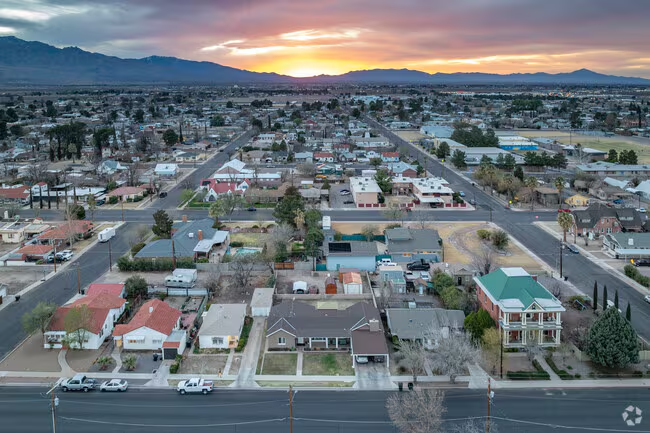
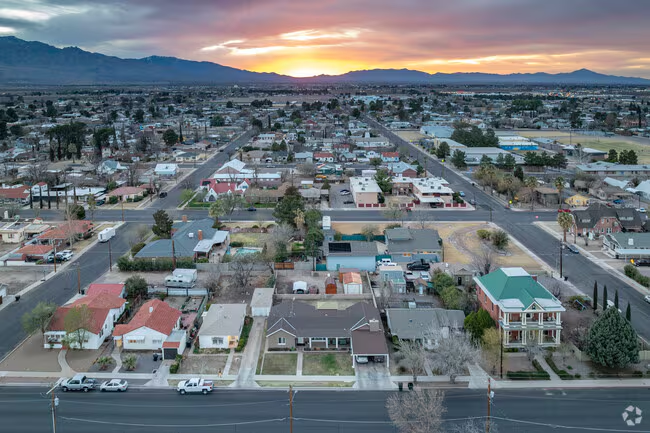
Crews respond throughout the Gila Valley and outlying communities, including residential neighborhoods, ranch properties and commercial buildings.
- Safford - downtown, older neighborhoods near Main Street and newer subdivisions on the outskirts
- Thatcher - homes near the college campus and surrounding family neighborhoods
- Pima - historic homes and agricultural properties
- Solomon and San Jose - properties near the Gila River corridor
- Central and Fort Thomas - rural residences and farm structures
- Bylas and the San Carlos Apache boundary areas
- Mount Graham and Swift Trail communities - cabins and elevated properties
- Artesia, Eden, Ashurst and Bonita - outlying homesteads and ranches
Service also extends to nearby Greenlee County communities and travel corridors along US-70 and the Swift Trail, so remote properties still receive prompt emergency attention.
Seasonal Damage Patterns in Graham County
Damage in the valley follows a fairly predictable rhythm tied to heat, storms and winter cold.
- January - February: freeze events crack exposed hose bibs and uninsulated pipes; space heater and fireplace fires increase; slow leaks under slabs go unnoticed in closed-up homes.
- March - April: spring runoff from mountain snowmelt raises groundwater, pushing seepage into basements and crawl spaces.
- May - June: peak wildfire season brings smoke intrusion and ash fallout; evaporative coolers start up and overflow after sitting idle.
- July - September: monsoon season delivers flash flooding, roof leaks, flooded basements and sewer backups; humidity plus warmth accelerates mold growth within days.
- October - November: post-monsoon mold discoveries surface as hidden moisture finally shows on surfaces; heating systems restart and circulate residual smoke odor.
- December: holiday cooking fires, candle fires and early freeze breaks in unoccupied properties.
Sewage backups can happen year-round but spike when heavy rain infiltrates aging lines and septic drain fields saturate.
Housing Characteristics & Restoration Considerations
Graham County housing spans century-old adobe and territorial homes in Pima and Safford to recent stucco-over-frame construction in Thatcher subdivisions. Each type responds differently to water and smoke.
Common Construction Types
- Adobe and masonry block - porous walls wick moisture upward and dry slowly; aggressive drying can crack plaster if not controlled
- Wood-frame with stucco - traps moisture behind cladding, hiding rot and mold from view
- Slab-on-grade - the most common foundation type; supply line failures under slab require leak location and controlled access
- Manufactured and mobile homes - widespread in rural areas; insulation and belly wrap hold water and often need removal
- Crawl space and partial-basement homes - older properties where standing water and elevated humidity lead to joist mold
How Age Affects Restoration
- Pre-1980 homes may contain asbestos-bearing materials and lead paint, requiring testing before demolition
- Galvanized and early plastic supply lines fail without warning in mid-century homes
- Original ductwork holds soot and spores, so HVAC cleaning is part of both fire and mold work
- Wood-framed additions built over time create hidden cavities where water travels far from its source
- Vaulted ceilings and blown-in insulation hold moisture that requires removal rather than drying
Reconstruction is matched to the original materials, from adobe plaster patching to texture matching and repainting so repairs blend into the existing home.
Environmental Conditions & Damage Implications
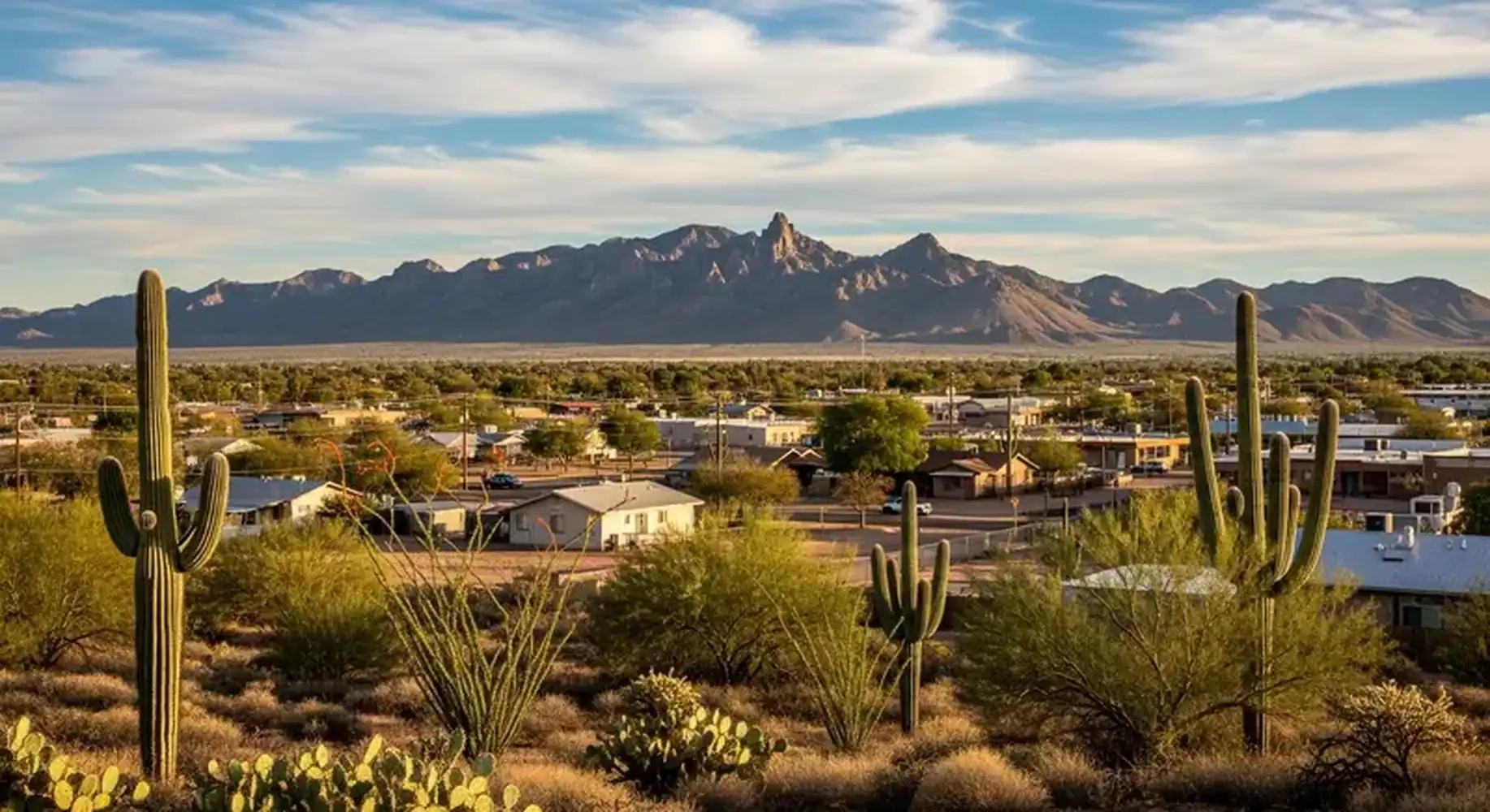
The Gila Valley sits in high desert terrain with hot summers, cool winters and dramatic swings in humidity. Those conditions shape every phase of a restoration project.
Climate and Air
- Low humidity most of the year speeds drying but masks moisture trapped inside wall cavities
- Monsoon humidity spikes create ideal conditions for mold growth within 24 to 48 hours
- Wildfire smoke and blowing dust load indoor air with particulate that settles into HVAC systems
- Extreme summer heat stresses cooling equipment and worsens odor release from fire-damaged materials
Water and Soil
- Hard, mineral-rich water leaves scale that accelerates water heater and fixture failures
- Caliche and clay-heavy soils shed rainfall rather than absorbing it, sending runoff toward foundations
- Expansive soil movement stresses slabs and can open cracks that admit groundwater
- Shallow water tables near the Gila River raise seepage risk in below-grade spaces
- Rural septic systems in saturated ground back up into homes, creating category three contamination
What This Means for Your Property
- Drying plans account for both ambient dryness and pockets of trapped saturation
- Mold remediation includes fixing the moisture source, not just removing visible growth
- Smoke and ash cleanup pairs surface cleaning with duct cleaning and air scrubbing
- Sewage work follows strict containment, disposal and disinfection protocols
24/7 Emergency Response Across the Gila Valley
A monsoon cell can dump an inch of rain in under an hour. When that water reaches a home, the clock starts immediately - and every hour of delay expands the scope of loss.
Emergency crews are available day and night by call or text at (928) 965-9910, covering water, fire, storm, mold and asbestos concerns, plus carpet and tile cleaning throughout Graham County.
What Happens After You Call
- Immediate phone triage - guidance on shutting off water, cutting power safely and avoiding contaminated areas.
- Rapid dispatch - a team heads to your address in Safford, Thatcher, Pima or an outlying rural property.
- Damage assessment - moisture mapping, thermal imaging and photo documentation for your insurance file.
- Emergency mitigation - extraction, pump-out, board-up, tarping and containment to stop further loss.
- Drying and cleaning - air movers, dehumidifiers, HEPA filtration, soot removal and deodorizing.
- Daily monitoring - readings recorded until materials meet dry standard.
- Reconstruction - drywall, flooring, cabinetry, texture, repainting and finish work.
Steps to Take Before the Crew Arrives
- Shut off the main water valve if a supply line failed
- Stay out of rooms with sewage, sagging ceilings or standing water near outlets
- Move photos, documents and small valuables to a dry area
- Photograph conditions for your claim, but avoid disturbing soot
- Leave windows closed if outdoor air is smoky or humid
Projects are often phased so families and tenants return to usable space quickly while remaining repairs continue. Timeline depends on the extent of structural damage, some of which is not visible until materials are opened up.