
Damage Restoration in Globe, AZ
- Damage Restoration Services Overview
- Common Damage Restoration Issues in Globe, Arizona
- Neighborhoods We Serve in Globe
- Seasonal Damage Patterns in Globe
- Housing Characteristics & Restoration Considerations
- Environmental Conditions & Damage Implications
- Monsoon Flood Recovery and Insurance Documentation in Gila County
Damage Restoration Services Overview
When water spreads across a floor or smoke settles into drywall, the clock starts immediately. Materials absorb moisture within minutes, and soot becomes acidic within hours - which is why property owners in Globe, Arizona benefit from calling restoration specialists before cleanup attempts begin.
Restoration teams serving Gila County handle the full range of property emergencies:
- Water Damage Restoration - extraction, structural drying, and moisture mapping after plumbing failures, roof leaks, or sprinkler system discharges
- Flooded Basement Cleanup - pumping standing water from below-grade rooms, crawl spaces, and daylight basements built into Globe's hillsides
- Sewage Cleanup - removal of Category 3 contaminated water, disposal of porous materials, and antimicrobial treatment of affected surfaces
- Fire Damage Restoration - stabilization, debris removal, and structural repairs following kitchen, electrical, or wildfire-related fires
- Smoke Damage Restoration - soot removal, thermal fogging, HVAC cleaning, and odor neutralization in areas flames never touched
- Mold Removal - containment, air scrubbing, and removal of colonized building materials
Companies such as Day & Night Emergency Services, LLC have served Globe since 2005, while regional firms including Cactus Wren Restoration bring reconstruction capability to Arizona communities. The advantage of an experienced crew is sequencing: drying before rebuilding, containment before demolition, and documentation throughout for insurance purposes.
Common Damage Restoration Issues in Globe, Arizona
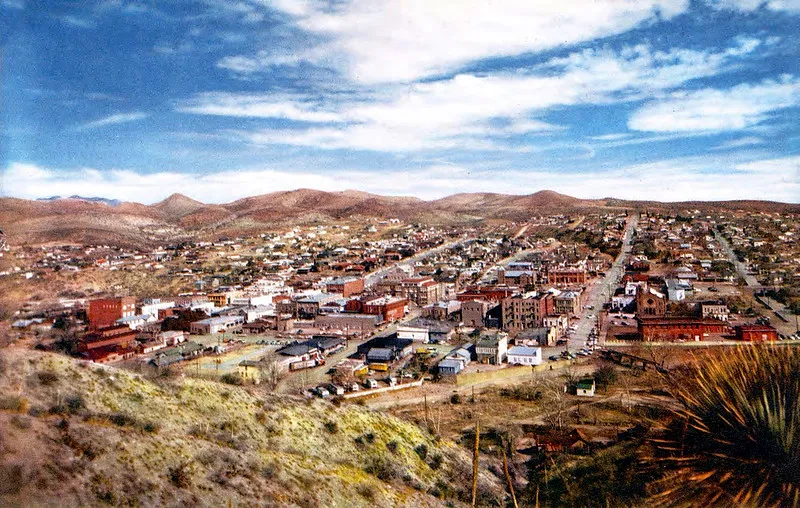
Globe sits at roughly 3,500 feet in the Pinal Mountains foothills, where steep terrain funnels stormwater directly toward homes and historic downtown buildings. That geography drives most of the emergency calls in the area.
Frequent Causes of Property Damage
- Monsoon flash flooding - the 2021 and 2024 events in Globe, Miami, and Superior produced damage estimates exceeding $100 million across the corridor
- Debris flows from burn scars - wildfire-scarred slopes shed mud and rock into drainages with little warning
- Aging cast iron and clay sewer laterals - root intrusion and collapsed lines back up into low-lying fixtures
- Fire sprinkler discharge - commercial buildings and multi-unit properties can release hundreds of gallons per minute
- Evaporative cooler overflow - rooftop units left unattended saturate ceilings and wall cavities
- Kitchen and electrical fires - older wiring in mid-century homes remains a recurring source
Warning Signs Worth Acting On
- Bubbling or peeling paint along baseboards and ceiling seams
- A musty odor that intensifies when the air conditioning cycles on
- Gurgling drains or slow toilets, often the first hint of a sewer blockage
- Yellow or brown staining spreading across drywall after a storm
- Lingering smoke smell weeks after a small fire, indicating soot inside ductwork
- Cupping or separating floorboards over a slab or crawl space
Damage rarely stays contained. Water that entered a wall during a July storm can support mold growth by August, and soot residue continues etching metal and glass until it is professionally removed.
Neighborhoods We Serve in Globe
Restoration crews respond throughout Globe and the surrounding Gila County communities, including:
- Historic Downtown Globe and the Broad Street commercial district
- Cottonwood, Ruiz Canyon, and the North Globe residential areas
- Icehouse Canyon and Six Shooter Canyon neighborhoods
- Round Mountain and the Pinal Mountain foothill properties
- Claypool, Central Heights, and Midland City
- Miami and the Highway 60 corridor
- San Carlos, Peridot, and eastern Gila County
- Superior, Top-of-the-World, and Wheatfields
Service also extends toward Payson, Thatcher, Safford, Pima, Willcox, and Morenci, giving regional teams familiarity with mountain, valley, and mining-town construction alike. Knowing which streets flood first during a monsoon cell - and which older neighborhoods sit on shallow sewer mains - shortens response time when every hour matters.
Seasonal Damage Patterns in Globe
Spring (March - May)
- Snowmelt from the Pinals raises groundwater and seeps into crawl spaces
- Hidden winter leaks surface as mold once temperatures climb
- Evaporative cooler startup produces the season's first water losses
Summer Monsoon (June - September)
- Early-season wildfire risk peaks in June, driving fire and smoke damage calls
- July and August flash flooding fills basements, garages, and lower levels
- Overwhelmed sewer systems back up into homes during heavy runoff
- Humidity spikes accelerate mold colonization on damp materials
Fall (October - November)
- Post-monsoon inspections reveal moisture trapped in wall cavities
- Heating equipment restarts cause puffback and smoke residue events
- Roof damage from summer hail becomes visible with the first cool rains
Winter (December - February)
- Freezing nights at Globe's elevation split exposed pipes and hose bibs
- Fireplace, space heater, and holiday-related fires increase
- Sealed homes trap moisture, supporting mold behind furniture and closets
Housing Characteristics & Restoration Considerations
Globe's housing stock reflects its mining history. A large share of homes were built between the 1910s and 1960s, with newer construction scattered along the canyons and outlying subdivisions.
Construction Types and What They Mean
- Historic wood-frame homes - lath and plaster walls hold moisture longer than drywall and require careful drying rather than quick demolition
- Adobe and masonry structures - porous walls wick water upward and need extended dehumidification cycles
- Hillside homes with partial basements - below-grade rooms carved into slopes are the most common flooded basement calls in town
- Post-war block construction - concrete block resists fire spread but traps smoke odor in mortar joints
- Manufactured and mobile homes - insulation under the floor holds water and typically requires removal after a loss
Age-Related Restoration Factors
- Homes built before 1980 may contain asbestos in floor tile, mastic, or textured ceilings, requiring testing before demolition
- Lead paint in pre-1978 properties changes how burned or water-damaged surfaces are handled
- Original galvanized supply lines corrode from the inside and fail without warning
- Clay sewer laterals under mature trees invite root intrusion and sewage backups
- Knob-and-tube or early aluminum wiring raises electrical fire risk in unrenovated homes
Restoration in older Globe properties often means balancing preservation with health and safety - saving original woodwork where drying allows, removing colonized material where it does not.
Environmental Conditions & Damage Implications
Globe's high-desert climate creates an unusual combination: bone-dry air most of the year, then extreme moisture loading during monsoon season. Each condition affects restoration differently.
Climate Factors
- Low ambient humidity for much of the year speeds structural drying and favors open-air dehumidification
- Monsoon humidity climbs sharply, forcing crews to rely on desiccant equipment and sealed containment
- Elevation brings freeze-thaw cycles that stress plumbing and roof flashing
- Intense summer heat accelerates microbial growth in any wet cavity
Soil and Water Conditions
- Rocky, shallow soils over bedrock shed water rather than absorb it, sending runoff toward foundations
- Clay-heavy pockets swell and shrink, cracking slabs and creating entry points for groundwater
- Steep drainages carry silt and debris that contaminate floodwater beyond simple water damage
- Hard, mineral-rich water scales fixtures and shortens the life of water heaters and supply lines
Air Quality Considerations
- Wildfire smoke drifts into the region and settles inside homes through open windows and HVAC intakes
- Mining-area dust adds particulate load that complicates post-fire cleaning
- Mold spores are always present in outdoor air and colonize quickly once indoor materials stay damp past 48 hours
Effective work accounts for all of it - HEPA filtration during mold removal, negative air containment during sewage cleanup, and moisture readings taken over several days rather than a single visit.
Monsoon Flood Recovery and Insurance Documentation in Gila County
Globe, Miami, and Superior residents learned a hard lesson after recent monsoon seasons: federal disaster aid is not guaranteed. When more than $100 million in estimated recovery costs met a FEMA denial, many property owners were left relying on private insurance, state programs, and their own documentation.
Steps to Take After a Flood or Sewage Backup
- Shut off power to affected areas and avoid contact with standing water, which may carry sewage or chemical contaminants
- Photograph and video everything before moving a single item, including water lines on walls and saturated contents
- Contact a restoration company for emergency extraction and stabilization
- Notify your insurance carrier and request written confirmation of your claim number
- Keep receipts for lodging, equipment rental, and emergency purchases
- Request moisture readings, drying logs, and a written scope from the restoration crew
What Strong Documentation Includes
- Daily moisture and humidity readings for every affected room
- Thermal imaging showing water migration behind walls
- Photographs of removed materials before disposal
- Air sampling results when mold is suspected
- Itemized inventory of damaged contents
- Written explanation of why porous materials required removal after sewage exposure
Reducing Risk Before the Next Storm
- Clear roof drains, gutters, and canyon-side culverts before June
- Install backwater valves on sewer lines in low-lying properties
- Regrade soil so it slopes away from foundations and basement entries
- Test sump pumps and keep a battery backup on hand
- Have HVAC ducts inspected after any smoke or fire event
Restoration companies familiar with Gila County losses understand what adjusters ask for - and how quickly a Globe property can go from wet to mold-affected in the middle of monsoon season.





