
Damage Restoration in Greenbrier, AR
- Damage Restoration Services Overview
- Common Damage Restoration Issues in Greenbrier, Arkansas
- Neighborhoods We Serve in Greenbrier
- Seasonal Damage Patterns in Greenbrier
- Housing Characteristics & Restoration Considerations
- Environmental Conditions & Damage Implications
- Storm Season Readiness for Faulkner County Property Owners
Damage Restoration Services Overview
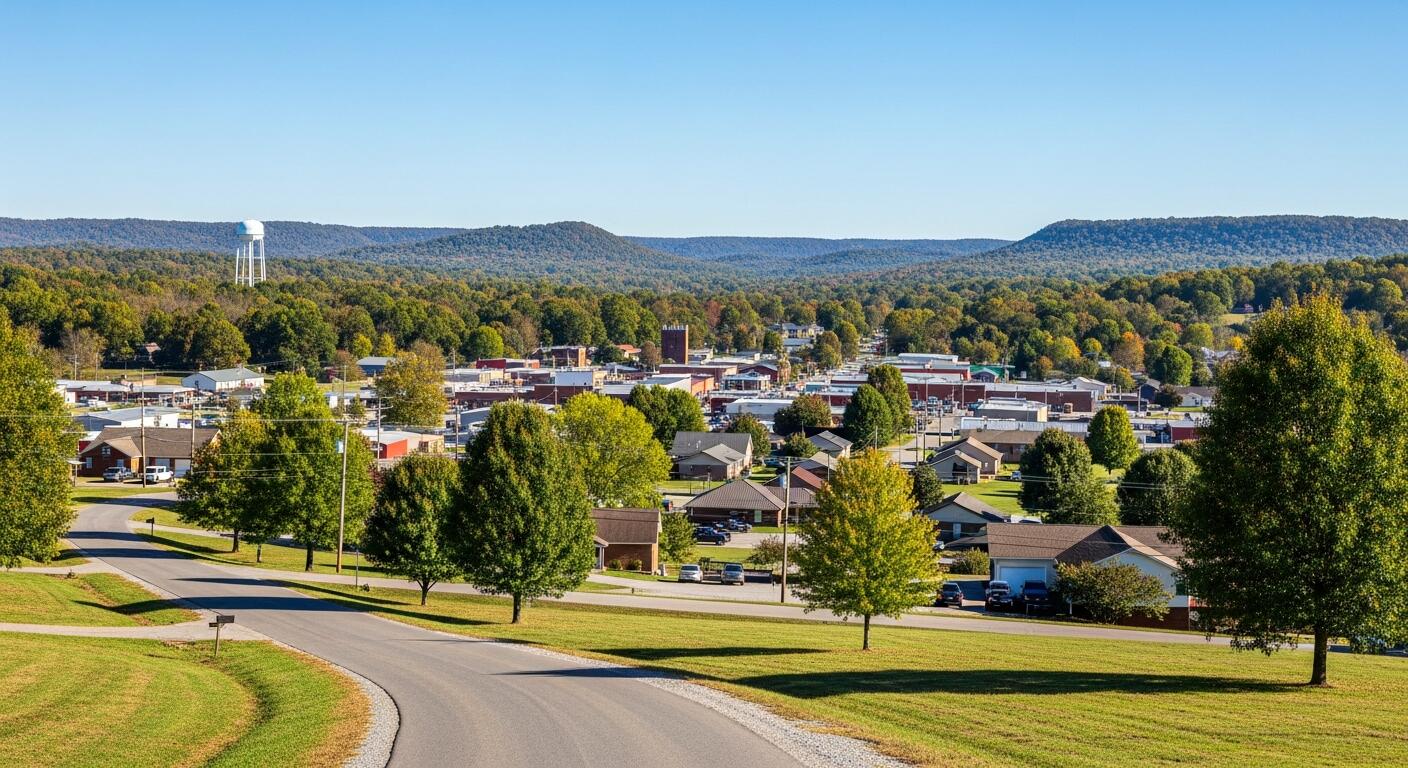
Greenbrier sits in the path of two forces that shape nearly every restoration call in Faulkner County: spring severe weather and the drainage patterns of Cadron Creek. Homes here contend with flash flooding, tornado-driven roof breaches, storm-related power surges, and the humid summers that let mold take hold in days rather than weeks.
Restoration work in this community covers a connected set of services, and most losses touch more than one:
- Water Damage Restoration - extraction, structural drying, and moisture mapping after roof leaks, supply line failures, and storm intrusion
- Flooded Basement - pumping standing water, drying foundation walls, and treating below-grade spaces prone to repeat saturation
- Sewage Cleanup - contaminated water removal, antimicrobial treatment, and safe disposal of porous materials after backups
- Fire Damage Restoration - debris removal, structural cleaning, and coordination with rebuild work after kitchen, electrical, or lightning fires
- Smoke Damage Restoration - soot removal from walls and HVAC systems, odor neutralization, and content cleaning
- Mold Removal - containment, remediation, and correcting the moisture source that created the growth
Fast response matters most in the first hours. Water spreads through subfloors and wall cavities quickly, soot becomes acidic and etches surfaces, and untreated sewage introduces bacteria into materials that cannot be salvaged later.
Common Damage Restoration Issues in Greenbrier, Arkansas
Most damage in Greenbrier traces back to water arriving somewhere it was not designed to go. Cadron Creek drains a broad section of Faulkner County, and heavy rain events push water into low-lying yards, crawl spaces, and basements across the northwest side of the county.
Frequent Causes of Loss
- Flash flooding from creek tributaries and saturated clay soil that sheds rather than absorbs rainfall
- Tornado and straight-line wind events that strip shingles and open roof decking to rain
- Large hail punctures leading to slow, hidden attic leaks
- Municipal and septic sewage backups when storm volume overwhelms lines
- Frozen and burst supply lines during January cold snaps in unheated crawl spaces
- Kitchen fires, chimney fires, and lightning strikes during spring storm season
- HVAC condensate overflow and water heater failures in closets and garages
Warning Signs Worth Acting On
- Musty odor in crawl spaces, closets, or near baseboards after a storm
- Bubbling paint, cupping hardwood, or soft spots in flooring
- Staining on ceilings that reappears after each rain
- Slow drains or gurgling fixtures signaling a developing sewer issue
- Persistent smoke odor that returns in humid weather after a small fire
- Visible growth on drywall edges, under sinks, or along exterior-facing walls
Any of these signs deserve a moisture reading rather than a guess. Elevated readings behind drywall are common in Greenbrier homes even when surfaces feel dry to the touch.
Neighborhoods We Serve in Greenbrier
Service covers the city limits and the surrounding rural stretches of northwest Faulkner County where response times matter just as much.
- Central Greenbrier along Highway 65 and the school district corridor
- Subdivisions off Highway 25 and Wilson Farm Road
- Properties bordering Cadron Creek and its tributaries
- Springhill, Wooster, and Guy to the north and west
- Conway, Mayflower, and Vilonia throughout Faulkner County
- North Little Rock, Maumelle, Sherwood, and Jacksonville in the metro area
- Cabot and Austin in Lonoke County; Benton and Bauxite in Saline County
- Morrilton, Plumerville, Solgohachia, Perry, Bigelow, and Adona to the west
Rural properties on septic systems and well water carry different considerations than in-town homes on municipal service, particularly for sewage cleanup and post-flood water safety.
Seasonal Damage Patterns in Greenbrier
Restoration demand in Greenbrier follows a predictable annual rhythm tied to Arkansas weather.
- January - February: Frozen pipe bursts in crawl spaces, garages, and vacant properties. Ice-loaded limbs damage roofs. Space heater and fireplace fires increase, driving smoke damage calls.
- March - May: Peak severe weather. Supercell thunderstorms bring tornadoes, hail, and straight-line winds. Roof breaches, flooded basements, and creek flooding dominate. Lightning strikes cause structure fires.
- June - August: High humidity turns unresolved spring water intrusion into active mold growth. Air conditioning condensate leaks and electrical fires from overloaded systems rise.
- September - October: Tropical remnants push heavy rain inland, causing a second flooding window. Sewage backups follow saturated ground conditions.
- November - December: Heating season begins. Chimney and furnace-related fires, cooking fires around holidays, and early freeze events on unprotected plumbing.
Spring and early fall generate the highest volume of overlapping losses, where a single storm produces water damage, mold risk, and fire damage across the same neighborhood.
Housing Characteristics & Restoration Considerations
Greenbrier's housing stock is a mix of newer subdivision construction from the past two decades and older farmhouses and ranch homes scattered across rural acreage. Each type responds differently to water and fire.
Common Construction Types
- Slab-on-grade brick and vinyl homes - water spreads laterally under flooring and wicks into base plates; drying requires floor removal in many cases
- Crawl space foundations - common on older and rural properties, and the most frequent source of hidden mold from standing water and failed vapor barriers
- Walkout and partial basements - found on sloped lots, vulnerable to hydrostatic pressure and sump pump failure during heavy rain
- Manufactured and modular homes - underbelly insulation traps water and rarely dries without removal
- Pre-1980 homes - may contain asbestos-bearing materials or lead paint, requiring testing before demolition on fire and water losses
How Age Affects the Work
- Older galvanized and polybutylene plumbing fails without warning, producing extended supply line leaks
- Original knob-and-tube or aluminum wiring raises fire risk in mid-century properties
- Tighter modern building envelopes hold humidity, accelerating mold after minor water events
- Open floor plans in newer builds allow smoke and soot to travel through the entire structure quickly
- Ductwork in unconditioned attics condenses and drips, mimicking roof leaks
Documenting construction type early shapes the drying plan, the containment strategy, and what can realistically be saved.
Environmental Conditions & Damage Implications
The local environment works against fast drying, which is why professional equipment and monitoring outperform fans and open windows.
Climate and Humidity
- Humid subtropical conditions keep summer dew points high, slowing evaporation from wet materials
- Mold colonizes damp organic materials within roughly 24 to 72 hours in these conditions
- Dehumidification, not airflow alone, drives effective structural drying here
- Winter temperature swings create condensation in attics and crawl spaces
Soil and Water
- Clay-heavy soils across Faulkner County expand when saturated and press against foundation walls
- Poor percolation sends surface water toward footings and crawl space vents instead of absorbing it
- Cadron Creek flooding can carry silt, agricultural runoff, and bacteria into structures, elevating cleanup from clean water to contaminated category
- Rural septic fields saturate during prolonged rain, backing sewage into low fixtures
- Well water systems require testing after flood contact before a home is considered safe
Air Quality After Fire
- Soot from synthetic furnishings produces corrosive residue that damages electronics and metal fixtures
- HVAC systems distribute smoke particles into rooms untouched by flame
- Humidity reactivates smoke odor months later if deodorization was incomplete
- Wildland and field burning smoke in dry autumn stretches can aggravate indoor air for sensitive occupants
Storm Season Readiness for Faulkner County Property Owners
Greenbrier residents live with a documented history of severe weather, and the communities north and west of Little Rock have been directly impacted by significant tornado events. Preparation shortens recovery time more reliably than anything done after the fact.
Before the Season
- Have the roof inspected after each hail event, even when no leak is visible
- Test sump pumps and install a battery backup for basement and crawl space systems
- Extend downspouts well away from the foundation on clay soil lots
- Clear gutters and check that crawl space vents and vapor barriers are intact
- Photograph rooms and valuables for insurance documentation and store copies off-site
- Service the HVAC system and chimney before heating season begins
In the First Hours After Damage
- Shut off water or power at the source when it is safe to do so
- Avoid walking through standing water that may be contaminated or electrically charged
- Move salvageable contents to a dry area and lift furniture off wet carpet
- Take photos and video before anything is removed or cleaned
- Call for professional extraction and moisture assessment rather than waiting for materials to dry on their own
- Leave soot alone - wiping smoke residue by hand often grinds it deeper into surfaces
Why Local Knowledge Changes the Outcome
- Familiarity with Cadron Creek flood behavior helps predict which properties need contamination protocols
- Experience with area subdivisions and rural crawl space builds informs faster drying plans
- Understanding regional insurance documentation expectations keeps claims moving
- Established relationships with Faulkner County contractors support rebuild work after mitigation
Restoration in Greenbrier is rarely a single-service job. Handling water, sewage, smoke, and mold under one coordinated plan keeps a bad week from becoming a bad year.





