
Damage Restoration in Stratmoor, CO
- Damage Restoration Services Overview
- Common Damage Restoration Issues in Stratmoor, Colorado
- Neighborhoods We Serve in Stratmoor
- Seasonal Damage Patterns in Stratmoor
- Housing Characteristics & Restoration Considerations
- Environmental Conditions & Damage Implications
- Military Community Restoration Considerations
Damage Restoration Services Overview
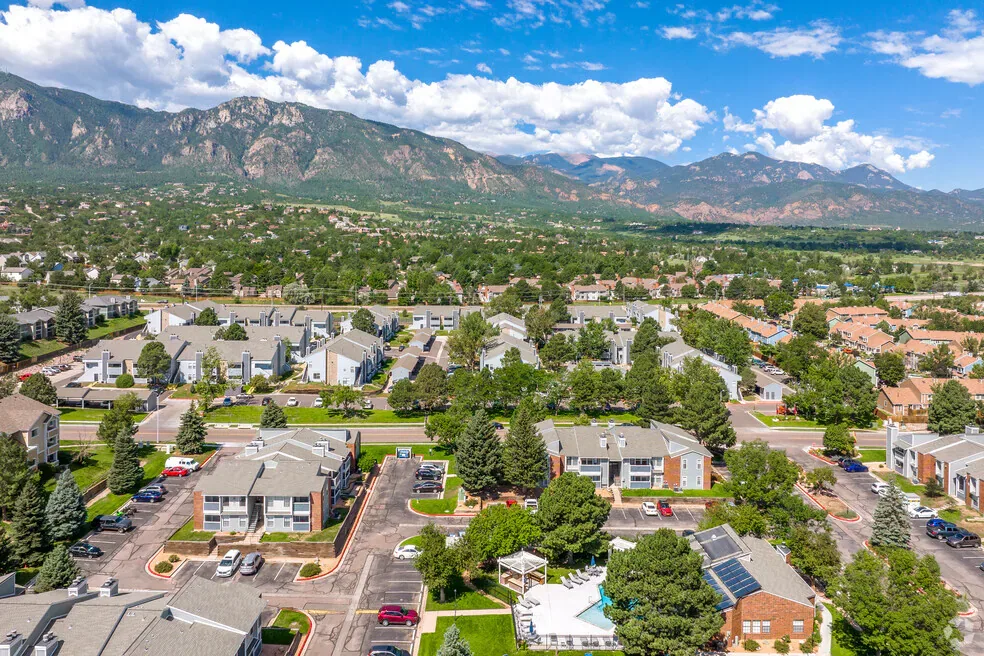
Property damage can strike your Stratmoor home without warning, leaving you feeling overwhelmed and unsure where to turn. Whether you're dealing with a burst pipe flooding your basement, smoke damage from a kitchen fire, or discovering mold growth in your crawl space, professional restoration services can help restore your home and peace of mind.
Our comprehensive damage restoration services address the full spectrum of property emergencies that affect Stratmoor residents:
- Water Damage Restoration - Complete moisture extraction and structural drying
- Flooded Basement - Specialized basement water removal and waterproofing
- Sewage Cleanup - Safe biohazard removal and sanitization
- Fire Damage Restoration - Structural repair and debris removal
- Smoke Damage Restoration - Odor elimination and surface cleaning
- Mold Removal - Professional remediation and prevention
With nearly 40 years of experience serving Colorado communities, our BBB-accredited restoration team understands the unique challenges that Stratmoor's climate and housing characteristics present. We provide 24/7 emergency response because property damage doesn't wait for business hours, and immediate action often means the difference between minor repairs and major reconstruction.
Common Damage Restoration Issues in Stratmoor, Colorado
Stratmoor's location near the Colorado Springs area exposes homes to specific environmental challenges that frequently lead to property damage. Understanding these local risk factors helps homeowners recognize problems early and take preventive action.
The most frequent damage restoration calls in Stratmoor include:
- Basement flooding from snowmelt and spring runoff - Rapid temperature changes cause foundation stress
- Frozen pipe bursts during winter months - Sudden temperature drops overwhelm heating systems
- Wildfire smoke infiltration - Regional fire activity affects indoor air quality
- Hail damage leading to roof leaks - Colorado's severe weather patterns damage roofing materials
- Sewage backups from aging infrastructure - Older sewer lines struggle with increased development
- Mold growth in poorly ventilated areas - High altitude humidity fluctuations create ideal conditions
Warning signs that require immediate attention include:
- Water stains on ceilings or walls
- Musty odors in basements or crawl spaces
- Visible mold growth around windows or bathrooms
- Smoke residue on surfaces after any fire incident
- Standing water in basement areas
- Sewage odors near drains or toilets
Early intervention prevents minor issues from becoming major restoration projects that can displace families for weeks.
Neighborhoods We Serve in Stratmoor
Our restoration services cover all areas within Stratmoor and the surrounding Colorado Springs region. We respond to emergency calls throughout the community, including residential neighborhoods, commercial districts, and mixed-use developments.
Primary service areas include:
- Stratmoor Hills - Established residential community with mature landscaping
- Stratmoor Valley - Newer developments with modern construction
- Security-Widefield area - Adjacent communities with similar restoration needs
- Fountain Valley - Nearby residential and commercial properties
- Fort Carson vicinity - Military housing and surrounding neighborhoods
Each area presents unique challenges based on home age, construction methods, and local infrastructure. Our technicians understand these neighborhood-specific factors and adjust restoration approaches accordingly. Whether you're in an older Stratmoor Hills home with original plumbing or a newer Stratmoor Valley property with modern systems, we have the expertise to handle your specific restoration needs effectively.
Seasonal Damage Patterns in Stratmoor
Stratmoor's high-altitude location creates distinct seasonal patterns that affect when different types of property damage occur. Understanding these cycles helps homeowners prepare for potential issues and recognize when professional restoration services may be needed.
Winter (December - February):
- Frozen pipe bursts peak during extreme cold snaps
- Ice dam formation leads to roof leaks and water damage
- Heating system malfunctions increase fire risks
Spring (March - May):
- Snowmelt causes basement flooding and foundation issues
- Rapid temperature changes stress plumbing systems
- Increased humidity creates mold growth conditions
Summer (June - August):
- Severe thunderstorms bring hail damage and water intrusion
- Wildfire season creates widespread smoke damage concerns
- Air conditioning failures lead to humidity problems
Fall (September - November):
- Heating system startups reveal maintenance issues
- Falling temperatures expose summer water damage
- Preparation season for winter-related problems
Housing Characteristics & Restoration Considerations
Stratmoor's housing stock reflects Colorado's growth patterns from the 1970s through today, with each construction era presenting specific restoration challenges. Understanding these characteristics helps determine the most effective restoration approaches for different property types.
Older Homes (1970s-1980s):
- Original galvanized plumbing prone to corrosion and bursts
- Asbestos-containing materials require specialized handling during fire restoration
- Single-pane windows increase condensation and mold risks
- Inadequate insulation leads to ice dam formation
Newer Construction (1990s-Present):
- PVC plumbing systems more resistant to freezing damage
- Improved ventilation systems help prevent mold growth
- Modern fire-resistant materials limit smoke damage spread
- Better foundation waterproofing reduces basement flooding
Common Construction Features Affecting Restoration:
- Concrete slab foundations require specialized water extraction techniques
- Vaulted ceilings complicate smoke damage cleanup
- Open floor plans allow rapid fire and smoke spread
- Finished basements increase flood damage complexity
- Attached garages create carbon monoxide and fire risks
Each home type requires tailored restoration strategies that account for construction materials, layout, and age-related vulnerabilities.
Environmental Conditions & Damage Implications
Stratmoor's environmental conditions create unique challenges for property restoration that differ significantly from lower-altitude communities. The combination of high elevation, semi-arid climate, and extreme weather patterns affects how damage occurs and spreads through structures.
Climate Factors Affecting Restoration:
- Low humidity (average 30-40%) - Accelerates material drying but increases static electricity fire risks
- High UV exposure - Degrades roofing materials and increases leak potential
- Temperature extremes (-20°F to 95°F) - Causes expansion/contraction damage to building materials
- Rapid weather changes - Creates thermal shock in plumbing and structural systems
Soil and Water Conditions:
- Expansive clay soil shifts foundations during wet/dry cycles
- High mineral content in groundwater leaves deposits during flooding
- Rocky subsurface affects drainage patterns around foundations
- Alkaline soil conditions accelerate concrete deterioration
Air Quality Considerations:
- Regional wildfire smoke requires specialized filtration during restoration
- High altitude reduces oxygen content affecting equipment performance
- Dust storms deposit fine particles that complicate cleanup efforts
- Temperature inversions trap pollutants and odors in valleys
These environmental factors require restoration techniques adapted specifically for high-altitude, semi-arid conditions to achieve lasting results.
Military Community Restoration Considerations
Stratmoor's proximity to Fort Carson brings unique restoration challenges that affect both military families and civilian residents. The high turnover rate in military housing, combined with specific base housing standards and deployment schedules, creates distinct service requirements for damage restoration companies.
Military Housing Restoration Needs:
- Rapid response during PCS moves to meet housing inspection deadlines
- Coordination with base housing offices for approval processes
- Understanding of military family deployment schedules
- Experience with government housing construction standards
Common Issues in Military-Adjacent Communities:
- Water damage from rushed moves and inexperienced renters
- Smoke damage from cooking accidents in unfamiliar kitchens
- Basement flooding from neglected maintenance during deployments
- Mold growth in vacant properties between tenants
- Sewage backups from overloaded infrastructure during peak moving seasons
Our restoration team understands the urgency military families face when dealing with property damage. We work efficiently to restore homes to inspection-ready condition, whether for incoming or departing residents. Our comprehensive approach addresses everything from initial water extraction and structural drying to final odor elimination and surface restoration.
We maintain clear communication with property managers, base housing representatives, and military families throughout the restoration process. This collaborative approach minimizes disruption to military schedules while delivering thorough, professional results that meet both civilian and military housing standards.





