
Damage Restoration in Avon, CO
Damage Restoration Services Overview
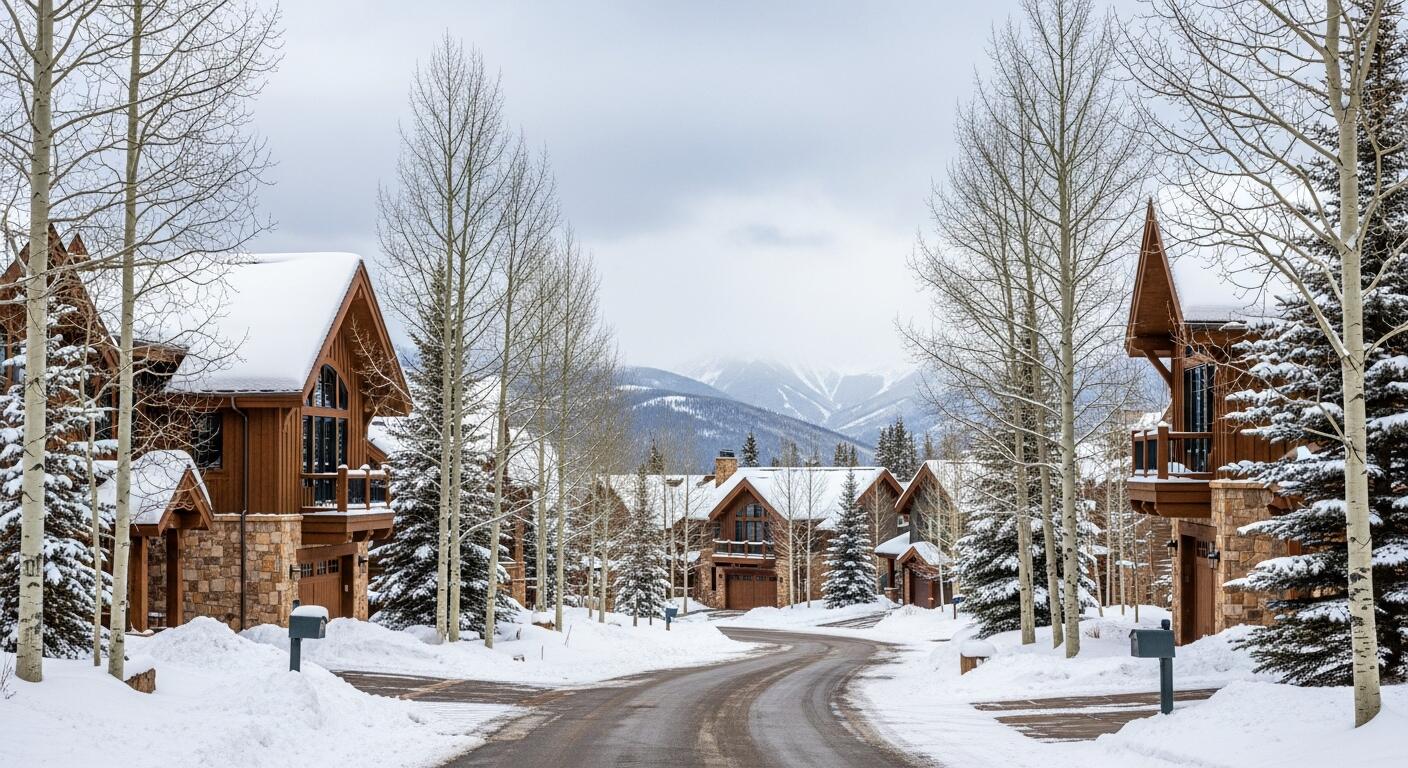
Avon's mountain location and year-round tourism create unique restoration challenges that require specialized expertise. The combination of high altitude weather patterns, seasonal temperature fluctuations, and diverse property types demands comprehensive restoration solutions.
Our restoration services address the full spectrum of damage scenarios common to Avon properties:
- Water Damage Restoration - Addressing burst pipes, roof leaks, and snowmelt infiltration
- Flooded Basement - Managing groundwater intrusion and foundation water issues
- Sewage Cleanup - Handling backup emergencies and contamination removal
- Fire Damage Restoration - Restoring properties affected by wildfires and structural fires
- Smoke Damage Restoration - Eliminating odors and residue from fire incidents
- Mold Removal - Addressing moisture-related fungal growth in mountain climates
From disaster to done, our local team understands Avon's specific environmental challenges. Whether dealing with winter freeze damage, summer storm impacts, or wildfire aftermath, we restore homes quickly and correctly so residents can return to what matters most.
Common Damage Restoration Issues in Avon, Colorado
Avon's mountain environment creates specific damage patterns that property owners must understand. The elevation of 7,430 feet brings unique challenges that affect restoration needs throughout the year.
Winter-related damage dominates restoration calls during colder months:
- Frozen pipe bursts requiring immediate water damage restoration
- Ice dam formations causing roof leaks and water intrusion
- Heavy snow loads leading to structural stress and potential collapse
- Basement flooding from rapid snowmelt during spring thaw
Summer brings different restoration challenges:
- Wildfire smoke damage affecting air quality and property surfaces
- Flash flood risks requiring emergency sewage cleanup services
- Thunderstorm damage creating multiple restoration needs simultaneously
- Increased humidity promoting mold growth in poorly ventilated areas
Year-round concerns include:
- Altitude-related pressure changes affecting plumbing systems
- Temperature fluctuations causing expansion and contraction damage
- Tourist property vacancy periods allowing undetected damage progression
- Older mountain construction requiring specialized fire damage restoration techniques
Early warning signs help prevent minor issues from becoming major restoration projects. Property owners should monitor for water stains, musty odors, temperature variations, and structural settling sounds.
Neighborhoods We Serve in Avon
Our restoration services cover all residential and commercial areas throughout Avon and surrounding mountain communities. We respond quickly to damage emergencies across the entire region.
Primary service areas include:
- Avon Village - Historic downtown properties and modern developments
- Wildridge - Luxury mountain homes with specialized restoration needs
- Traer Creek - Family neighborhoods requiring comprehensive damage services
- Benchmark - Townhomes and condominiums with unique structural considerations
- Swift Gulch - Properties near waterways with flood risk factors
Extended service coverage reaches:
- Eagle County mountain communities
- Beaver Creek resort properties
- Vail Valley residential areas
- Edwards commercial and residential zones
- Bachelor Gulch luxury developments
Whether addressing water damage restoration in downtown Avon or mold removal in mountain subdivisions, our team provides consistent, professional service across all neighborhoods and property types.
Seasonal Damage Patterns in Avon
Understanding Avon's seasonal damage patterns helps property owners prepare for common restoration needs throughout the year. Each season brings distinct challenges requiring different restoration approaches.
Winter (December - March):
- Peak water damage restoration calls from frozen pipes and ice dams
- Flooded basement emergencies during temperature fluctuations
- Fire damage restoration needs increase due to heating system usage
- Indoor air quality issues requiring smoke damage restoration services
Spring (April - May):
- Snowmelt flooding creates basement water intrusion problems
- Roof leak discovery as snow cover melts away
- Mold removal becomes necessary in areas with winter moisture buildup
- Foundation settling may require structural restoration assessment
Summer (June - August):
- Wildfire smoke damage restoration during fire season
- Thunderstorm water damage from intense mountain weather
- Sewage cleanup needs from storm system overloads
- Tourist property damage discovery during peak season preparation
Fall (September - November):
- Preparation season for winter damage prevention
- Final mold removal projects before winter closure
- Heating system fire damage prevention and restoration
- Property winterization to prevent water damage issues
Housing Characteristics & Restoration Considerations
Avon's diverse housing stock presents unique restoration challenges based on construction era, materials, and mountain building requirements. Understanding these characteristics helps determine appropriate restoration approaches for each property type.
Historic Properties (Pre-1980):
- Wood frame construction requiring specialized fire damage restoration techniques
- Limited insulation creating freeze-thaw water damage vulnerabilities
- Older plumbing systems prone to failures needing extensive water damage restoration
- Basement construction susceptible to flooding and mold growth
- Original materials requiring careful smoke damage restoration preservation
Modern Mountain Homes (1980-2000):
- Improved building codes but still vulnerable to altitude-related damage
- Better insulation reducing but not eliminating water damage risks
- Updated electrical systems with reduced fire damage potential
- Engineered foundations with specific flooded basement restoration needs
Contemporary Construction (2000-Present):
- Advanced building materials requiring specialized restoration knowledge
- Complex HVAC systems affecting mold removal and air quality restoration
- Luxury finishes demanding expert fire and smoke damage restoration
- Smart home technology integration complicating water damage restoration
- Energy-efficient construction creating unique sewage cleanup challenges
Condominiums and townhomes add complexity with shared systems, requiring coordinated restoration efforts across multiple units when damage occurs.
Environmental Conditions & Damage Implications
Avon's high-altitude mountain environment creates specific conditions that directly impact property damage patterns and restoration requirements. Understanding these environmental factors helps predict and address restoration needs effectively.
Climate Characteristics:
- Average elevation of 7,430 feet creating unique atmospheric pressure conditions
- Temperature ranges from -20°F to 80°F requiring diverse restoration approaches
- Annual precipitation of 20+ inches, primarily as snow affecting water damage patterns
- Low humidity levels except during storm events influencing mold growth conditions
Soil and Geological Factors:
- Rocky mountain soil with limited drainage affecting flooded basement restoration
- Freeze-thaw cycles creating foundation movement and water intrusion points
- Slope conditions directing water flow toward structures during snowmelt
- Mineral content in groundwater affecting sewage cleanup and water damage restoration
Wildfire Risk Environment:
- Dry mountain vegetation creating elevated fire damage potential
- Wind patterns spreading smoke damage across wide areas
- Defensible space requirements affecting property restoration access
- Evacuation protocols impacting restoration timeline coordination
Water Quality Considerations:
- Municipal water systems with specific mineral content affecting restoration processes
- Well water properties requiring specialized water damage restoration approaches
- Seasonal water pressure variations impacting plumbing failure patterns
These environmental conditions require restoration professionals with mountain-specific expertise to address damage effectively while preventing future issues.
High-Altitude Property Restoration Challenges
Restoring properties at Avon's 7,430-foot elevation requires specialized knowledge and techniques that differ significantly from sea-level restoration work. The combination of atmospheric pressure, temperature extremes, and mountain weather patterns creates unique challenges for every type of damage restoration service.
Altitude-Specific Water Damage Restoration Considerations:
- Reduced atmospheric pressure affects drying equipment performance and efficiency
- Water boils at lower temperatures, impacting steam cleaning and sanitization processes
- Freeze-thaw cycles occur more frequently, creating ongoing water damage risks
- Snowmelt infiltration patterns differ from typical rainfall water damage scenarios
- Basement flooding often involves groundwater with unique mineral content requiring specialized treatment
Fire and Smoke Damage Restoration at High Elevation:
- Reduced oxygen levels affect fire behavior and damage patterns
- Smoke dispersal patterns change with altitude and mountain wind conditions
- Traditional fire suppression systems may perform differently at elevation
- Wildfire smoke can travel vast distances, affecting properties miles from fire sources
- Restoration equipment must be calibrated for altitude-adjusted performance
Mold Removal and Sewage Cleanup Adaptations:
- Lower humidity levels typically reduce mold growth but create different moisture dynamics
- Sewage systems may freeze, creating backup situations requiring immediate cleanup
- Biological contaminants behave differently in low-pressure, high-altitude environments
- Ventilation systems must account for reduced air density affecting airflow patterns
Successful high-altitude restoration requires equipment modifications, adjusted timelines, and techniques specifically developed for mountain environments. Our team's mountain expertise means faster, more effective restoration that accounts for Avon's unique elevation challenges.





