
Damage Restoration in Castle Pines, CO
- Damage Restoration Services Overview
- Common Damage Restoration Issues in Castle Pines, Colorado
- Neighborhoods We Serve in Castle Pines
- Seasonal Damage Patterns in Castle Pines
- Housing Characteristics & Restoration Considerations
- Environmental Conditions & Damage Implications
- Wildfire Preparedness & Smoke Damage Prevention
Damage Restoration Services Overview
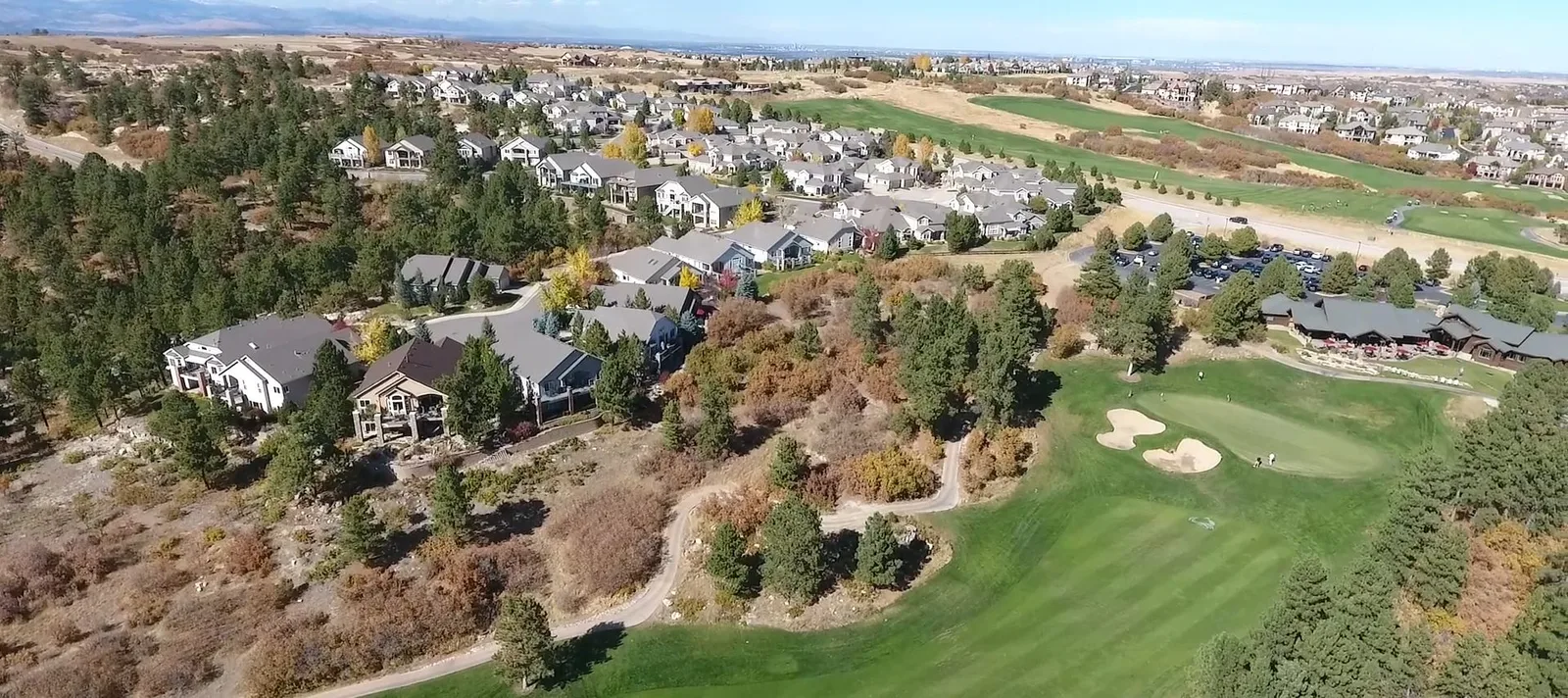
Delaying damage restoration can lead to structural deterioration, health hazards, and exponentially higher repair costs. What begins as a minor water leak can transform into extensive mold growth, compromised building materials, and indoor air quality issues that affect your family's wellbeing.
Castle Pines residents have access to comprehensive restoration services that address multiple types of property damage:
- Water Damage Restoration - Extraction, drying, and structural repairs from burst pipes, appliance failures, and storm flooding
- Flooded Basement - Complete basement water removal, moisture control, and foundation protection
- Sewage Cleanup - Safe removal and sanitization of contaminated water and affected materials
- Fire Damage Restoration - Structural repairs, debris removal, and restoration of fire-damaged areas
- Smoke Damage Restoration - Odor elimination, soot removal, and air purification throughout your home
- Mold Removal - Professional remediation to eliminate mold colonies and prevent future growth
Professional restoration services protect your investment while ensuring your family returns to a safe, healthy living environment. Quick response times and proper equipment make the difference between minor repairs and major reconstruction projects.
Common Damage Restoration Issues in Castle Pines, Colorado
Castle Pines faces unique restoration challenges due to Colorado's diverse weather patterns and elevation-related factors. The area's rapid temperature fluctuations and intense seasonal storms create specific vulnerabilities for local properties.
Frequent damage scenarios include:
- Ice dam formation - Causes water backup under roofing materials, leading to interior water damage
- Frozen pipe bursts - Sudden temperature drops cause plumbing failures and extensive water damage
- Basement flooding - Spring snowmelt and heavy rainfall overwhelm drainage systems
- Wildfire smoke infiltration - Seasonal fires create persistent odors and air quality issues
- Hailstorm damage - Roof punctures allow water penetration and subsequent mold growth
- Sewer line backups - Clay soil expansion during wet seasons stresses aging infrastructure
Warning signs requiring immediate attention:
- Musty odors indicating hidden moisture or mold growth
- Discolored walls or ceilings suggesting water intrusion
- Persistent smoke smells after nearby fire incidents
- Basement dampness or standing water after storms
- Unusual increases in utility bills indicating hidden leaks
Early intervention prevents minor issues from becoming major restoration projects that disrupt your daily life and strain your budget.
Neighborhoods We Serve in Castle Pines
Our restoration teams provide comprehensive services throughout Castle Pines and surrounding communities. We understand the unique characteristics and common issues affecting different neighborhoods in the area.
Service areas include:
- Castle Pines Village - Established community with mature homes requiring specialized restoration approaches
- Castle Pines North - Newer developments with modern construction materials and systems
- The Canyons - Luxury homes with complex architectural features needing expert restoration
- Daniels Gate - Mixed residential area with varying home ages and restoration requirements
- Surrounding Douglas County areas - Lone Tree, Highlands Ranch, and Parker communities
Each neighborhood presents distinct restoration challenges based on home age, construction methods, and environmental exposure. Our local expertise ensures appropriate restoration techniques for your specific property type and location.
Seasonal Damage Patterns in Castle Pines
Castle Pines experiences predictable seasonal damage patterns that help homeowners prepare for potential restoration needs. Understanding these cycles allows for proactive maintenance and rapid response when issues arise.
Seasonal damage timeline:
- Winter (December-February) - Frozen pipes, ice dams, and heating system failures create water damage risks
- Spring (March-May) - Snowmelt causes basement flooding while rapid temperature changes stress building materials
- Summer (June-August) - Severe thunderstorms bring hail damage, while wildfire season creates smoke infiltration issues
- Fall (September-November) - Early freezes catch unprepared plumbing systems, and leaf accumulation blocks drainage
Peak restoration periods:
- Late winter through early spring for water damage and basement flooding
- Summer months for fire and smoke damage restoration
- Fall and early winter for mold removal as humidity levels fluctuate
- Year-round sewage cleanup needs due to aging infrastructure
Seasonal preparation and awareness help minimize damage severity and restoration complexity when incidents occur.
Housing Characteristics & Restoration Considerations
Castle Pines features diverse housing stock ranging from 1980s custom homes to modern luxury developments. Understanding local construction characteristics helps determine appropriate restoration approaches for different property types.
Common construction features affecting restoration:
- Walkout basements - Popular design increases flooding risks but provides better access for water extraction equipment
- Vaulted ceilings - Create challenges for smoke damage restoration and air circulation during drying processes
- Stucco exteriors - Require specialized techniques for fire damage repairs and moisture barrier restoration
- Hardwood flooring - Demands careful water damage restoration to prevent warping and replacement needs
- Open floor plans - Allow faster smoke and odor spread but enable more efficient restoration equipment placement
Age-related restoration considerations:
- Homes built before 1990 may contain asbestos requiring specialized handling during fire damage restoration
- Properties from the 1980s-1990s often have polybutylene plumbing prone to failure and water damage
- Newer construction typically features better moisture barriers but may have complex HVAC systems affected by smoke damage
- Custom homes often require specialized materials and techniques for proper restoration
Professional restoration teams assess individual property characteristics to develop appropriate restoration strategies that preserve architectural integrity while ensuring safety and functionality.
Environmental Conditions & Damage Implications
Castle Pines sits at approximately 6,000 feet elevation in a semi-arid climate with significant daily temperature variations. These environmental factors directly influence damage patterns and restoration requirements throughout the area.
Climate factors affecting restoration needs:
- Low humidity levels - Accelerate material drying but can cause wood shrinkage during restoration
- Intense UV exposure - Degrades exterior materials and complicates fire damage repairs
- Temperature extremes - Range from below zero to over 90°F, stressing building materials and plumbing systems
- Sudden weather changes - Create thermal shock in building components, leading to cracks and water infiltration
- High wind conditions - Spread wildfire smoke and drive moisture into building envelopes
Soil and water considerations:
- Expansive clay soils shift with moisture changes, affecting foundation integrity and basement flooding risks
- Well water systems may experience contamination requiring specialized sewage cleanup protocols
- Rocky subsoil creates drainage challenges that contribute to basement water issues
- Seasonal groundwater fluctuations influence mold growth patterns in lower levels
Air quality factors:
- Wildfire season brings persistent smoke that penetrates building systems
- High altitude reduces air density, affecting ventilation and drying equipment performance
- Temperature inversions trap pollutants and odors, complicating smoke damage restoration
Wildfire Preparedness & Smoke Damage Prevention
Castle Pines' location in the wildland-urban interface creates elevated wildfire risks that require specialized preparation and response strategies. Recent Colorado fire seasons have demonstrated how quickly smoke damage can affect homes miles from active fires, making prevention and rapid restoration response critical for local residents.
Wildfire smoke infiltration occurs through multiple pathways that standard home ventilation cannot prevent. Even homes with closed windows and doors experience smoke penetration through:
- HVAC system intake vents - Draw contaminated air directly into living spaces
- Attic ventilation systems - Allow smoke particles to settle in insulation and ductwork
- Foundation gaps and cracks - Permit smoke entry into basements and crawl spaces
- Chimney and fireplace systems - Create direct pathways for smoke infiltration
- Electrical and plumbing penetrations - Small gaps around utilities provide entry points
Professional smoke damage restoration in Castle Pines requires understanding local fire patterns and wind directions. The area's unique topography creates wind tunnels that can carry smoke particles significant distances, affecting homes that appear far from fire zones.
Comprehensive smoke damage restoration process includes:
- Complete HVAC system cleaning and filter replacement throughout the entire system
- Thermal fogging treatments to neutralize embedded odor particles in porous materials
- Ozone treatment in unoccupied spaces to break down persistent odor molecules
- Detailed cleaning of all surfaces including walls, ceilings, and hidden areas
- Air duct sanitization to remove particles that continue circulating contaminated air
- Content cleaning for personal belongings, furniture, and textiles affected by smoke exposure
The high altitude environment in Castle Pines affects smoke behavior and restoration equipment performance. Lower air density requires adjusted equipment settings and extended treatment times to achieve complete odor elimination. Professional restoration teams understand these local factors and adapt their processes accordingly to ensure thorough smoke damage restoration that protects your family's health and comfort.





