
Damage Restoration in Moore, OK
- Damage Restoration Services Overview
- Common Damage Restoration Issues in Moore, Oklahoma
- Neighborhoods We Serve in Moore
- Seasonal Damage Patterns in Moore
- Housing Characteristics & Restoration Considerations
- Environmental Conditions & Damage Implications
- Storm Season Response: Tornado and Hail Damage Recovery in Moore
Damage Restoration Services Overview
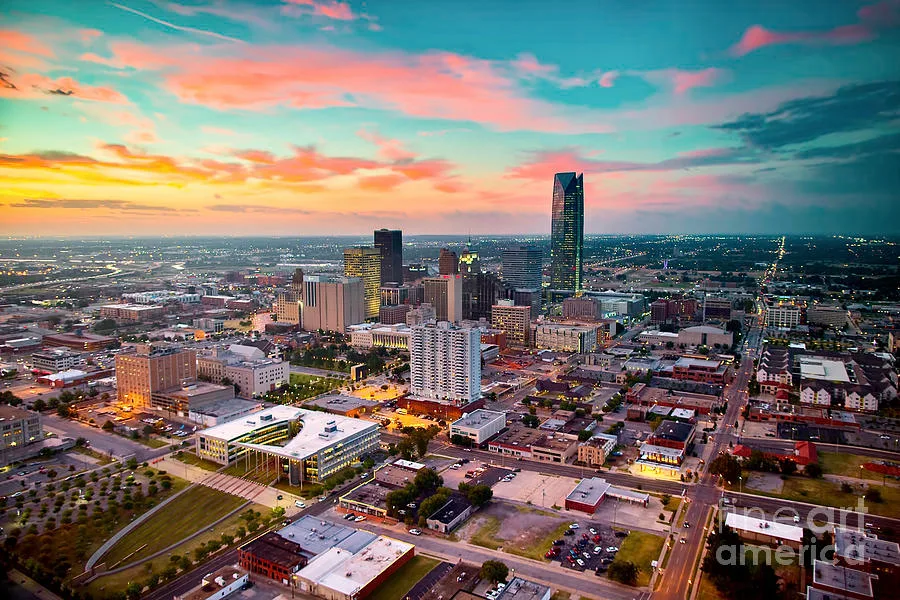
Few things rattle a homeowner like walking into a soaked hallway, a smoke-stained kitchen, or a basement with standing water. In Moore, Oklahoma, storms move fast and property damage rarely gives advance notice.
Restoration work covers the full spectrum of recovery - from the first extraction pass to the final coat of paint. Moore properties often need several of these services at once, especially after severe weather.
- Water Damage Restoration - extraction, structural drying, moisture mapping, and monitoring of walls, subfloors, and cavities
- Flooded Basement Cleanup - pump-out, sump system evaluation, contents removal, and dehumidification of below-grade spaces
- Sewage Cleanup - containment, removal of contaminated porous materials, antimicrobial treatment, and safe disposal
- Fire Damage Restoration - debris removal, soot cleaning, structural stabilization, and rebuild coordination
- Smoke Damage Restoration - odor neutralization, HVAC cleaning, and treatment of textiles and hard surfaces
- Mold Removal - containment barriers, negative air pressure, material removal, and moisture source correction
Key benefits for Moore residents include faster drying times that limit secondary damage, documentation that supports insurance claims, and IICRC-certified technicians who understand tornado-country construction. Emergency response operates around the clock for both residential and commercial buildings, from ranch homes near Little River Park to office suites along the I-35 corridor.
Common Damage Restoration Issues in Moore, Oklahoma
Moore sits squarely in one of the most active severe weather zones in the country. That reality shapes nearly every restoration call in the city.
Local Causes of Property Damage
- Tornado and straight-line wind damage that opens roofs to driving rain
- Hail strikes that fracture shingles and allow slow, hidden water intrusion
- Flash flooding along Lightning Creek and low-lying drainage areas
- Municipal sewer backups when heavy rainfall overwhelms lines
- Frozen and burst supply lines during hard January freezes
- Electrical fires from storm surges and aging panel boxes
- Water heater and washing machine hose failures in garages and utility rooms
Warning Signs Moore Homeowners Should Watch
- Musty odors in closets, crawl spaces, or near HVAC returns
- Buckling laminate, cupping hardwood, or soft spots underfoot
- Brown ceiling rings after a storm, even small ones
- Gurgling floor drains or slow-draining tubs, both early sewage backup signals
- Persistent smoke smell that returns when humidity rises
- Dark staining along baseboards or the bottom edge of drywall
- Condensation on windows paired with allergy-like symptoms indoors
Smoke damage deserves particular attention. Soot residue is acidic and continues etching metal, glass, and finished surfaces long after flames are out. Mold, meanwhile, can colonize damp drywall within a couple of days in Oklahoma's humid warm season - which is why fast drying matters more than surface appearance.
Neighborhoods We Serve in Moore
Restoration crews respond throughout Moore and the surrounding communities, covering older established blocks and newer subdivisions alike.
- Central Moore - older homes near Broadway, Main Street, and the historic core
- Eastlake and Fairmoore - established residential streets with mature trees and aging service lines
- Brighton Creek and Grand Cove - newer construction with slab foundations
- Sunnymeade and Bridgeport - mixed-age housing with varied drainage conditions
- Fox Run, Winding Creek, and Timber Creek - family neighborhoods on Moore's growing west side
- The I-35 commercial corridor - retail centers, office buildings, and warehouses
Service also extends to nearby South Oklahoma City, Norman, Newcastle, Noble, and Slaughterville. Crews familiar with these areas know which streets flood first, which neighborhoods share older sewer infrastructure, and where storm damage clusters after a system rolls through Cleveland County.
Seasonal Damage Patterns in Moore
Damage in Moore follows a fairly predictable annual rhythm. Knowing what season brings what problem helps homeowners prepare.
- December through February - burst pipes, ice dam leaks, and space heater or fireplace fires drive water damage and fire damage restoration calls
- March through May - peak tornado and hail season; roof breaches, flash flooding, flooded basements, and sewage backups spike sharply
- June through August - heat and humidity accelerate mold growth in attics, crawl spaces, and previously wet areas; AC condensate line clogs cause slow ceiling leaks
- September through October - a second severe storm season brings wind-driven rain and renewed water intrusion
- November - heating systems restart, and dust accumulation in furnaces and flues contributes to smoke damage incidents
Year-Round Concerns
- Appliance and supply line failures happen in every month
- Hidden moisture from a spring storm often surfaces as summer mold
- Sewer line issues in older Moore neighborhoods worsen with tree root growth in warm months
Housing Characteristics & Restoration Considerations
Moore's housing stock reflects decades of steady growth plus significant post-tornado rebuilding. That mix creates very different restoration approaches block to block.
Common Construction Types
- 1960s-1980s ranch homes - slab-on-grade, wood framing, original galvanized or early copper plumbing prone to pinhole leaks
- 1990s-2000s two-story homes - larger footprints where upstairs leaks travel down through multiple ceilings
- Post-2013 rebuilds - reinforced framing, safe rooms, and updated code compliance requiring careful reconstruction matching
- Storm shelters and below-grade rooms - functionally basements that collect water and demand specialized drying
- Commercial and light industrial buildings - metal structures and tilt-wall construction along I-35
How This Shapes Restoration Work
- Slab foundations hide water beneath flooring, so moisture meters and thermal imaging replace guesswork
- Aging cast iron sewer lines in older neighborhoods raise the odds of contaminated backups
- Attic insulation soaked by roof damage must be removed rather than dried
- Homes built before the late 1970s may contain asbestos-bearing materials requiring testing before demolition
- Below-grade shelters lack natural airflow and need dedicated dehumidification to prevent mold
- Open floor plans allow smoke odor to travel through the entire structure, expanding the cleaning scope
Documenting these conditions early strengthens insurance claims and prevents disputes about pre-existing wear versus storm-related loss.
Environmental Conditions & Damage Implications
Central Oklahoma's climate and soil conditions actively influence how damage develops and how restoration is performed in Moore.
Climate Factors
- Hot, humid summers with dew points that stall evaporation and favor mold colonization
- Wide temperature swings that stress plumbing, roofing seams, and building envelopes
- Intense rainfall events dropping several inches in short bursts, overwhelming gutters and storm drains
- High wind loads that lift shingles and flashing, creating entry points for water
Soil and Groundwater
- Expansive clay soils swell when saturated and shrink during drought, cracking slabs and foundation walls
- Poor natural percolation means water pools against foundations rather than draining away
- Shifting soil separates sewer line joints, contributing to backups and ground-level contamination
- Saturated ground raises hydrostatic pressure against below-grade shelters and basements
Air and Water Quality Effects
- Seasonal pollen and dust bind to soot residue, making post-fire cleaning more involved
- Hard water mineral content leaves scale that accelerates appliance and water heater failure
- Humid indoor air holds smoke odor molecules longer, requiring thermal fogging or hydroxyl treatment
- Storm floodwater frequently carries lawn chemicals and sewage, upgrading cleanup to Category 3 protocols
Because of these conditions, drying plans in Moore rely on continuous moisture readings rather than fixed schedules. Equipment placement is adjusted daily until structural materials reach documented dry standards.
Storm Season Response: Tornado and Hail Damage Recovery in Moore
Moore's history with catastrophic tornadoes shapes how restoration is approached here. A single storm can leave a home with roof loss, water saturation, contaminated flood intrusion, and electrical fire damage simultaneously.
What Multi-Damage Response Involves
- Emergency board-up and tarping - securing openings before the next rain band arrives
- Safety assessment - checking structural integrity, gas lines, and electrical hazards before entry
- Water extraction - removing standing water from living areas, garages, and storm shelters
- Contamination categorization - determining whether intrusion is clean, gray, or sewage-contaminated
- Controlled demolition - removing unsalvageable drywall, insulation, and flooring
- Structural drying - air movers and dehumidifiers positioned by moisture mapping
- Soot and odor treatment - if fire or smoke is part of the loss
- Antimicrobial application - preventing mold before reconstruction begins
- Rebuild coordination - restoring finishes to pre-loss condition
Custom Solutions for Moore Properties
- Drying plans built around slab construction, where trapped moisture hides under tile and vinyl plank
- Specialized dehumidification for underground shelters with no ventilation
- Contents pack-out for families displaced during extended rebuilds
- Commercial mitigation scheduled around business hours to limit downtime for I-35 corridor offices and retail
- Photo and moisture documentation formatted for adjuster review
What Property Owners Can Do First
- Shut off water or power only if it can be done safely
- Photograph everything before moving items
- Avoid walking through standing water that may be contaminated
- Keep receipts for temporary lodging and emergency supplies
- Call for professional assessment before assuming a space has dried on its own
Veteran-owned, IICRC-certified crews in Moore respond 24/7, bringing tornado-tested experience to every call.





