
Damage Restoration in Chesapeake Ranch Estates, MD
- Damage Restoration Services Overview
- Common Damage Restoration Issues in Chesapeake Ranch Estates, Maryland
- Neighborhoods We Serve in Chesapeake Ranch Estates
- Seasonal Damage Patterns in Chesapeake Ranch Estates
- Housing Characteristics & Restoration Considerations
- Environmental Conditions & Damage Implications
- Septic Systems, Well Water, and Sewage Cleanup in the Ranch Club
Damage Restoration Services Overview
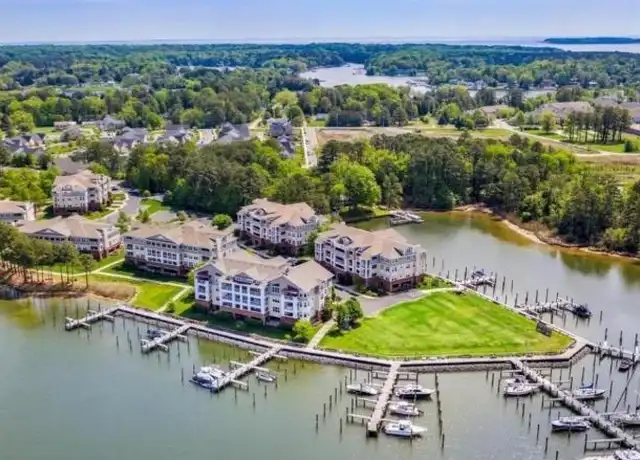
Water spreads fast. In the humid air of southern Calvert County, a burst supply line or a storm-soaked basement can turn into a mold problem within a couple of days, which is why response speed matters more than almost anything else in restoration work.
Homeowners across Chesapeake Ranch Estates - the community locals still call the Ranch Club - deal with a mix of coastal weather, wooded lots, and older well-and-septic infrastructure that creates unique restoration challenges.
- Water Damage Restoration - extraction, structural drying, moisture mapping behind walls and under flooring
- Flooded Basement - pump-out, sump failure response, sanitizing of slab and framing, content triage
- Sewage Cleanup - septic backup remediation, removal of porous contaminated materials, antimicrobial treatment
- Fire Damage Restoration - board-up, debris removal, structural cleaning, salvage of unaffected areas
- Smoke Damage Restoration - soot removal from surfaces and HVAC, odor neutralization, thermal fogging where appropriate
- Mold Removal - containment, HEPA filtration, removal of colonized materials, humidity correction
Key benefits for Ranch Club households include protecting resale value in a tight Lusby market, preventing secondary damage that insurers may dispute, and keeping indoor air healthy for families with children and older residents.
Common Damage Restoration Issues in Chesapeake Ranch Estates, Maryland
Local geography drives most of the damage calls here. The community sits on rolling, wooded terrain near the Chesapeake Bay and Patuxent River, with roughly 300 properties carrying measurable flood risk over the coming decades.
Local Causes We See Repeatedly
- Heavy summer thunderstorms and tropical remnants dumping several inches of rain in a short window
- Poorly graded lots and clay-heavy subsoil that pushes runoff toward foundation walls
- Sump pump failures during power outages - a common issue on wooded streets where limbs take down lines
- Septic system saturation after prolonged rain, leading to backups into lower-level bathrooms
- Frozen or split supply lines in crawl spaces and unheated utility rooms during January cold snaps
- Wood stoves, fireplaces, and space heaters used through winter in older cottages
- Roof and flashing leaks from wind-driven Bay storms
Warning Signs Worth Acting On
- Musty odor in a basement or crawl space that lingers after ventilation
- Cupping or darkening at the edges of hardwood and laminate planks
- Efflorescence - white chalky residue - on block foundation walls
- Gurgling drains or slow toilets, often the first hint of septic trouble
- Yellow-brown staining on ceilings near bath fans or roof valleys
- Persistent smoke smell that returns on humid days after a small kitchen fire
- Visible surface growth on drywall paper, closet walls, or behind furniture on exterior walls
Residents in CRE tend to report infrastructure concerns quickly - road issues, playground cracks, unburied utility lines - and that same attentiveness pays off with home moisture problems caught early.
Neighborhoods We Serve in Chesapeake Ranch Estates
Coverage spans the full Ranch Club footprint and the surrounding southern Calvert County communities.
- All CRE sections in Lusby, including streets around Lake Lariat and the community beaches
- Neighborhoods near the Golf Club and clubhouse area
- Drum Point and Solomons
- White Sands and Cove Point
- St. Leonard and Port Republic
- Broomes Island and Lusby's Route 2/4 corridor
- Appeal, Calvert Beach, and Long Beach
Crews familiar with CRE's private road network, gated entrances, and heavily wooded cul-de-sacs can stage equipment without wasting time finding access. That local knowledge matters when a truck-mounted extractor needs to reach a walkout basement at the bottom of a sloped driveway, or when a fire scene requires overnight board-up on a narrow lot.
Seasonal Damage Patterns in Chesapeake Ranch Estates
Winter (December - February)
- Frozen pipe bursts in crawl spaces, garages, and vacant seasonal homes
- Fire and smoke damage from wood stoves, chimneys, and portable heaters
- Ice dam leaks along north-facing rooflines
Spring (March - May)
- Snowmelt plus spring rain overwhelming sump pits and window wells
- Flooded basements on lots with high seasonal water tables
- Early mold growth as temperatures climb and homes stay closed up
Summer (June - August)
- Peak mold season - dew points in the 70s make basements and crawl spaces prime growth zones
- Thunderstorm flooding and roof leaks from straight-line winds
- Septic backups after saturating rainfall
- AC condensate line clogs soaking ceilings and closets
Fall (September - November)
- Tropical systems and nor'easters driving the year's heaviest flood events
- Leaf-clogged gutters redirecting water against foundations
- Season's first fireplace and furnace use bringing puff-back and smoke odor calls
Housing Characteristics & Restoration Considerations
Chesapeake Ranch Estates developed largely from the 1960s through the 1990s, starting as a recreational lot community and gradually filling in with year-round residences. That layered history means restoration approaches vary house to house.
Common Construction Types
- Original A-frames, cottages, and modest ramblers built as weekend retreats
- Split-foyers and split-levels with finished lower levels below grade
- Newer two-story colonials and craftsman-style builds on infill lots
- Manufactured and modular homes on piers or crawl spaces
- Block and poured-concrete foundations, many with walkout basements on sloped wooded lots
How Age and Construction Affect the Work
- Finished lower levels - carpet pad, paneling, and framed furring strips trap water against block, so partial demolition is often necessary for real drying
- Crawl spaces - open dirt floors and thin vapor barriers feed mold; encapsulation is frequently part of the repair plan
- Older cast iron and clay drain lines - more prone to failure, raising the odds of sewage cleanup rather than clean-water extraction
- Pre-1980 finishes - possible asbestos in floor tile and mastic, requiring testing before demolition
- Knob-and-tube or aging aluminum branch wiring - a fire risk in the oldest cottages
- Wood-frame construction with cedar or T-111 siding - absorbs smoke odor deeply and needs sealing, not just cleaning
Additions built over decades often mix framing methods, creating hidden cavities where moisture lingers - one reason thermal imaging and probe meters guide the drying plan instead of guesswork.
Environmental Conditions & Damage Implications
The Ranch Club sits in a humid subtropical zone shaped by two large bodies of water, and that environment influences every stage of restoration.
Climate and Humidity
- Annual rainfall commonly in the 40-45 inch range, concentrated in summer storms and fall systems
- Summer relative humidity regularly above 70 percent, slowing evaporation and demanding dehumidification capacity beyond air movers alone
- Bay breezes that keep surfaces cool - condensation forms readily on ductwork, rim joists, and basement walls
Soil and Groundwater
- Calvert County's coastal plain soils include silty and clay-rich layers that drain slowly and hold water against foundations
- Sandy pockets near cliffs and shorelines shift, contributing to foundation cracks and seepage points
- Seasonal high water tables push hydrostatic pressure through block joints and floor-wall seams
Water and Air Quality Factors
- Most homes rely on private wells and septic systems, so a backup involves untreated waste and requires full category-three protocols
- Heavy tree cover means abundant organic debris, pollen, and spores - a ready food source for mold once moisture appears
- Wildfire smoke drift and wood-burning season can layer particulates onto existing soot damage, complicating odor removal
Effective work here pairs removal of damaged material with humidity control, because drying a basement to the correct moisture content only holds if the environment stays managed afterward.
Septic Systems, Well Water, and Sewage Cleanup in the Ranch Club
Because Chesapeake Ranch Estates is served primarily by private septic systems rather than municipal sewer, a backup is a different situation than in a town center - and it deserves its own game plan.
Why Septic Backups Happen Here
- Drain fields saturated by prolonged rain lose the ability to absorb effluent
- Tanks that have gone too long between pump-outs allow solids to migrate into the field
- Tree roots from mature oaks and pines infiltrating older distribution lines
- Undersized systems on homes that were expanded from seasonal cottages to full-time residences
- Sump discharge or gutter runoff misdirected onto the drain field
What Proper Sewage Cleanup Involves
- Stopping water use in the home and isolating the affected zone with containment barriers
- Extracting contaminated water with dedicated equipment separate from clean-water gear
- Removing porous materials that cannot be sanitized - carpet, pad, drywall below the waterline, particleboard cabinetry, insulation
- Cleaning and applying EPA-registered antimicrobials to remaining hard surfaces and framing
- Drying the structure with dehumidifiers and air movers while monitoring moisture readings daily
- Running HEPA air scrubbers to capture aerosolized contaminants
- Coordinating with a septic contractor so the underlying cause is corrected before rebuild begins
Protecting Well Water After an Event
- Have the well tested if floodwater reached the wellhead or if the cap sits low to grade
- Watch for cloudy water, sulfur odor, or sudden changes in taste following heavy rain
- Keep the wellhead extended above grade and away from any low spot where water pools
Skipping the sanitizing and drying steps is where homeowners run into trouble - the visible mess disappears, but contaminated framing and hidden moisture set up a mold removal job a few months later.





