
Damage Restoration in Chesapeake Beach, MD
- Damage Restoration Services Overview
- Common Damage Restoration Issues in Chesapeake Beach, Maryland
- Neighborhoods We Serve in Chesapeake Beach
- Seasonal Damage Patterns in Chesapeake Beach
- Housing Characteristics & Restoration Considerations
- Environmental Conditions & Damage Implications
- Storm Surge, Septic Backups, and the Multi-Service Loss in Bayfront Calvert County
Damage Restoration Services Overview
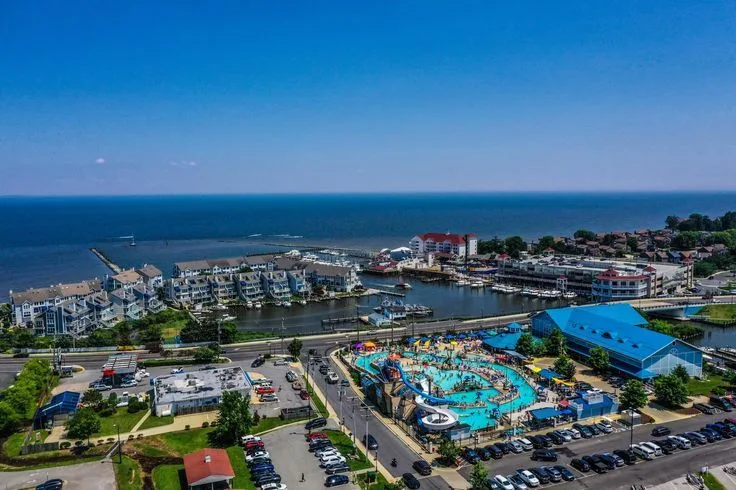
What happens to a bayside home in the hours after a supply line bursts, a storm pushes water through a basement window, or a kitchen fire fills every room with smoke? In Chesapeake Beach, where salt air, tidal influence, and high humidity already work against building materials, the answer often depends on how quickly trained restoration crews arrive.
Property owners along Route 261 and the Bay shoreline rely on a connected set of services that address damage from the first drop of water to the final coat of paint:
- Water Damage Restoration - extraction, structural drying, and moisture mapping after plumbing failures, appliance leaks, and roof intrusion
- Flooded Basement - pump-out, sump system evaluation, and drying of below-grade spaces common in Calvert County homes
- Sewage Cleanup - containment, removal of contaminated materials, and antimicrobial treatment after backups or septic failures
- Fire Damage Restoration - debris removal, board-up, structural cleaning, and coordination of repairs
- Smoke Damage Restoration - soot removal from surfaces and HVAC systems plus deodorization of porous contents
- Mold Removal - containment, source correction, and remediation of colonized materials
The shared benefit is simple: faster stabilization limits secondary damage, protects indoor air quality, preserves salvageable belongings, and supports a cleaner insurance claim from the outset.
Common Damage Restoration Issues in Chesapeake Beach, Maryland
Chesapeake Beach sits directly on the Bay's western shore, which shapes nearly every loss pattern seen here. Tidal flooding, nor'easters, tropical remnants, and a high water table combine with older housing stock to create recurring problems.
Frequent Causes of Damage
- Storm surge and nuisance tidal flooding along Fishing Creek and low-lying shoreline lots
- Heavy rainfall overwhelming yard drainage, window wells, and sump pumps
- Groundwater seepage through block foundations during extended wet periods
- Septic system saturation and sewer backups when soils are already waterlogged
- Frozen or failed supply lines in crawl spaces and exterior walls during January cold snaps
- Kitchen grease fires, chimney and wood stove issues, and space heater incidents in winter
- Salt-laden humid air accelerating corrosion and moisture retention in wall cavities
Warning Signs Worth Acting On
- Musty or earthy odors in basements, closets, or near HVAC returns
- Efflorescence, staining, or peeling paint on foundation walls
- Buckling laminate, cupping hardwood, or soft spots in subfloor
- Slow drains, gurgling fixtures, or wet ground above the drain field
- Lingering smoke odor that returns on humid days after a small fire
- Visible mold at baseboards, behind furniture, or around window frames
Because moisture in this climate rarely evaporates on its own, small intrusions frequently become mold problems within days rather than weeks.
Neighborhoods We Serve in Chesapeake Beach
Restoration crews respond throughout the town and the surrounding northern Calvert County corridor, including:
- Downtown Chesapeake Beach and the Bayfront/boardwalk area near the Railway Museum
- Richfield Station and Bayside Village communities
- Kellams Field, Windward Key, and the Fishing Creek waterfront
- Neighboring North Beach and Rose Haven
- Owings, Dunkirk, Sunderland, and Huntingtown along Route 4 and Route 260
- Chesapeake Ranch Estates, Prince Frederick, and Lusby to the south
- Nearby Anne Arundel communities such as Deale, Shady Side, and Friendship
Each area presents different challenges. Waterfront properties face surge and salt exposure, while inland subdivisions off Route 260 more often deal with sump failures, septic saturation, and roof leaks from wind-driven rain.
Seasonal Damage Patterns in Chesapeake Beach
Damage calls follow a predictable rhythm along the Bay.
- Winter (December - February): Frozen and burst pipes in crawl spaces, ice damming on low-slope roofs, and the year's highest volume of fire and smoke damage from heating equipment, fireplaces, and holiday cooking.
- Spring (March - May): Snowmelt combined with steady rain produces flooded basements, foundation seepage, and sump pump overload. Mold growth begins accelerating as temperatures climb.
- Summer (June - August): Peak mold season. High dew points, air conditioning condensate leaks, and afternoon thunderstorms drive both water damage and remediation work. Septic and sewage backups increase after downpours.
- Late Summer and Fall (August - October): Tropical systems and nor'easters bring surge, wind-driven rain, and tree impacts. This period generates the most severe multi-service losses combining flooding, contamination, and structural damage.
- Late Fall (November): Clogged gutters and leaf-packed drainage lines cause overflow into soffits and basements just as heating systems restart.
Housing Characteristics & Restoration Considerations
Chesapeake Beach housing spans more than a century, from early 20th-century resort cottages near the boardwalk to subdivisions built in the 1990s and 2000s along the Route 260 corridor. That mix directly affects how restoration is performed.
Common Construction Types
- Older bayfront cottages and bungalows: Wood frame on piers or shallow block foundations, often with knob-and-tube remnants, plaster walls, and minimal vapor barriers
- Mid-century ranches and split-levels: Concrete block basements, finished lower levels, and original ductwork that traps smoke residue
- Late-century and modern colonials: Poured foundations, engineered flooring, tighter envelopes that hold humidity when ventilation fails
- Waterfront elevated builds: Enclosed lower levels and utility spaces vulnerable to surge intrusion
How Age and Materials Shape the Work
- Pre-1980 homes may contain asbestos-bearing floor tile, mastic, or insulation requiring testing before demolition
- Lead paint in older cottages calls for controlled work practices during fire and water repairs
- Finished basements with carpet, drywall, and paneling rarely dry in place after sewage contamination and typically require partial removal
- Plaster holds moisture longer than drywall, extending drying schedules
- Cellulose and fiberglass insulation in exterior walls must be evaluated rather than assumed dry
- Older ductwork and returns need cleaning after smoke events to stop odor recirculation
Many properties also serve as seasonal or rental homes, meaning leaks can run unnoticed for weeks - a scenario that shifts a simple water loss into a mold remediation project.
Environmental Conditions & Damage Implications
The local environment is one of the strongest predictors of restoration complexity in Chesapeake Beach.
Climate and Humidity
- Humid subtropical conditions with summer dew points regularly in the upper 60s and 70s
- Roughly 40 - 45 inches of annual precipitation, concentrated in warm-season thunderstorms and coastal systems
- Indoor relative humidity that easily exceeds 60 percent without dehumidification - the threshold where mold activity accelerates
Water and Soil Conditions
- High water table near the shoreline and along Fishing Creek keeps hydrostatic pressure on foundation walls
- Coastal plain soils with clay and silt layers drain slowly, prolonging saturation after storms
- Sandy shoreline soils shift and settle, opening pathways for seepage at cold joints and penetrations
- Many properties on septic systems, where saturated drain fields lead to backups requiring sewage cleanup
What This Means for Restoration
- Drying plans must account for outdoor humidity - open windows often make conditions worse, so contained systems with commercial dehumidifiers are used instead
- Salt air contributes to corrosion on electrical components and fasteners after any water or fire event
- Floodwater from tidal or storm sources is treated as contaminated, requiring the same protocols as sewage
- Smoke residues bond more aggressively to surfaces in humid air, making prompt cleaning and deodorization more effective than delayed attempts
- Post-remediation moisture monitoring helps confirm materials stay below mold-supporting levels
Storm Surge, Septic Backups, and the Multi-Service Loss in Bayfront Calvert County
A single storm along the Chesapeake Beach shoreline rarely causes one type of damage. A nor'easter that pushes Bay water inland can flood a basement, saturate a drain field until sewage backs into lower-level fixtures, knock out power to sump pumps, and leave conditions ripe for mold - all within 48 hours. Understanding how these events compound helps property owners respond in the right order.
How a Compound Loss Typically Unfolds
- Surge or heavy rain overwhelms exterior drainage and enters through window wells, doors, or foundation cracks
- Power loss disables sump pumps, allowing standing water to rise in the lowest level
- Saturated septic fields or overloaded sewer lines force contaminated water back through floor drains and toilets
- Extended wetness plus warm air produces visible mold on drywall, framing, and stored contents
- Generator or heating equipment misuse during outages occasionally adds fire and smoke damage to the same claim
Response Priorities That Protect the Property
- Treat any floodwater or backup as Category 3 contamination - avoid contact and keep children and pets away
- Shut off power to affected circuits before entering standing water
- Document conditions with photos and video before anything is moved or removed
- Separate salvageable contents from porous items that absorbed contaminated water
- Address the moisture source before cosmetic repairs, or mold will return
Local Coordination Details
- Calvert County permitting may apply to structural repairs and substantial improvements in flood zones
- Properties in mapped flood areas often require separate flood insurance documentation from a standard homeowners claim
- Septic repairs may involve county health department review alongside restoration work
- IICRC-certified technicians follow recognized standards for water, mold, and fire restoration, which supports clearer claim documentation
For waterfront and near-shore homes, the most useful preparation happens before the storm: backflow prevention, battery-backup sump systems, elevated mechanicals, sealed foundation penetrations, and maintained gutters and grading all reduce the size of the eventual restoration project.





