
Damage Restoration in Frostburg, MD
- Damage Restoration Services Overview
- Common Damage Restoration Issues in Frostburg, Maryland
- Neighborhoods We Serve in Frostburg
- Seasonal Damage Patterns in Frostburg
- Seasonal Damage Patterns in Frostburg
- Housing Characteristics & Restoration Considerations
- Environmental Conditions & Damage Implications
- Emergency Response and the First 24 Hours in Frostburg
Damage Restoration Services Overview
When water pours through a basement wall on Braddock Road or smoke fills a kitchen off Main Street, knowing that trained help is already on the way changes everything. Professional restoration in Frostburg means damage stops spreading, salvageable belongings get saved, and your home returns to a healthy, livable condition.
Frostburg homeowners and property managers rely on a full range of restoration services, each addressing a different type of loss:
- Water Damage Restoration - extraction, structural drying, moisture mapping, and repair after burst pipes, appliance failures, or roof leaks
- Flooded Basement Cleanup - pump-out, saturated material removal, and dehumidification for below-grade spaces common in Allegany County homes
- Sewage Cleanup - containment, removal of contaminated materials, antimicrobial treatment, and safe disposal after backups
- Fire Damage Restoration - debris removal, structural stabilization, soot cleaning, and contents recovery
- Smoke Damage Restoration - odor neutralization, HVAC cleaning, and surface treatment for residues that travel far beyond the burn area
- Mold Removal - inspection, containment barriers, HEPA filtration, and moisture source correction
The benefit for local residents is straightforward: faster drying protects framing and drywall, proper sanitation protects health, and documented work supports insurance claims. IICRC-certified technicians follow industry standards from the first moisture reading to the final clearance check.
Common Damage Restoration Issues in Frostburg, Maryland
Sitting at roughly 2,000 feet in the Allegany Highlands, Frostburg experiences weather extremes that flatter no building. Cold winters, heavy snowfall, and steep terrain all contribute to recurring restoration calls.
Local Factors Behind Property Damage
- Freeze-thaw cycles - repeated freezing cracks supply lines in crawl spaces, exterior walls, and unheated additions
- Hillside runoff - snowmelt and rain sheet down slopes toward foundations, saturating soil and pushing water through block walls
- Aging sewer laterals - older clay and cast-iron lines crack or clog, sending wastewater back into basements and floor drains
- Heating season fires - wood stoves, furnaces, space heaters, and chimney creosote drive winter fire and smoke losses
- Summer humidity - warm, moist air in cool basements condenses on surfaces and feeds mold colonies
- Ice damming - snow-loaded roofs back water under shingles and into ceilings and wall cavities
Warning Signs Worth Acting On
- Musty odors that intensify after rain or when the HVAC system runs
- Efflorescence, white powder, or bubbling paint on basement walls
- Slow floor drains, gurgling toilets, or sewer smells near the utility area
- Warped baseboards, cupped hardwood, or spongy subfloor
- Soot filming on ceilings, lampshades, or the tops of door casings
- Persistent smoke odor that returns when humidity rises
- Unexplained allergy symptoms that ease when you leave the house
Any of these signs suggests hidden moisture or residue that surface cleaning will not resolve.
Neighborhoods We Serve in Frostburg
Restoration crews cover the city of Frostburg and the surrounding communities of western Allegany County and the Georges Creek corridor.
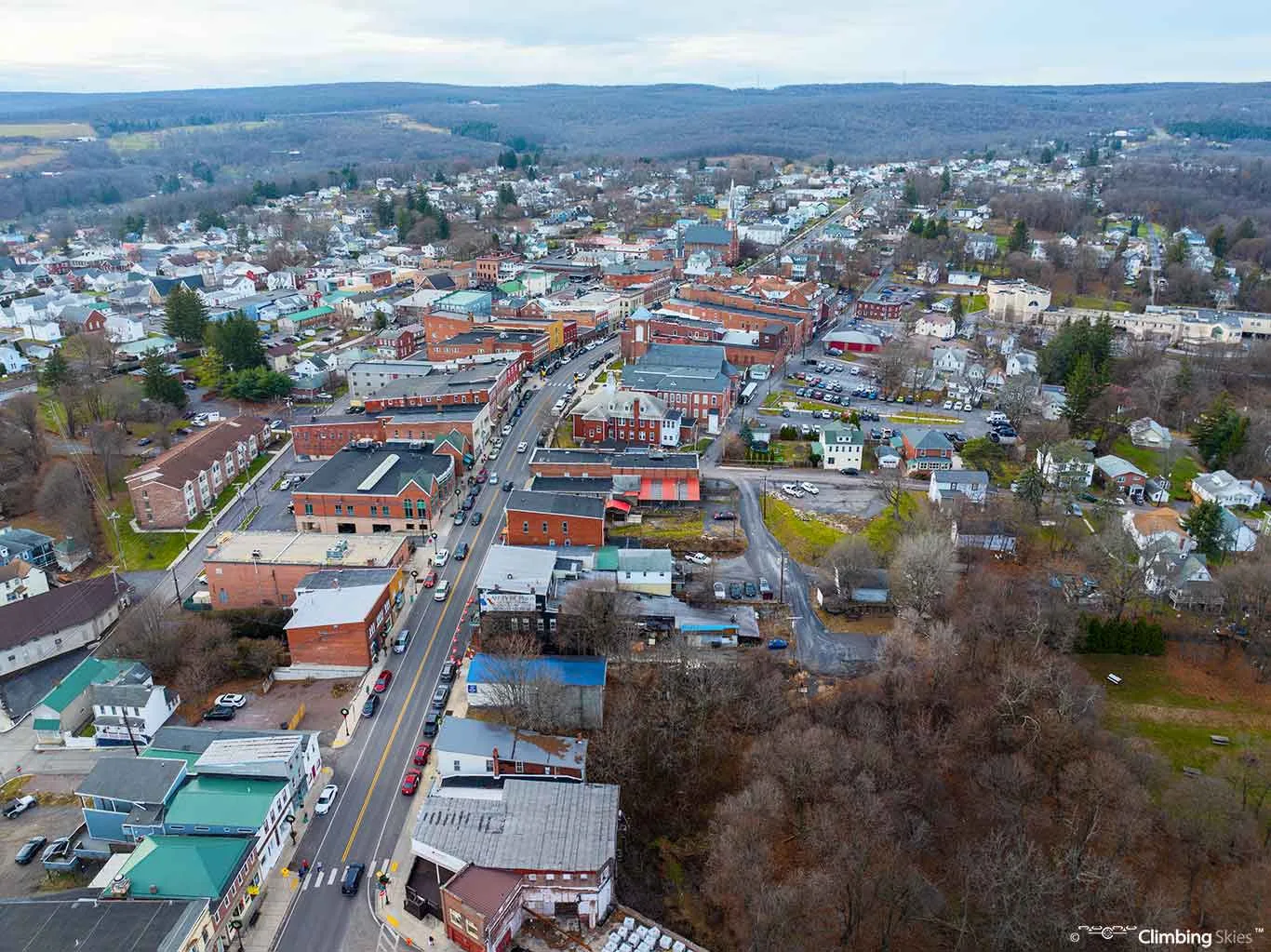
- Downtown Frostburg and Main Street - historic storefronts, upper-floor apartments, and mixed-use buildings
- Frostburg State University area - student rentals, multi-unit housing, and campus-adjacent neighborhoods
- Braddock Road and Beall Street corridors - older single-family homes with stone and block foundations
- Mount Pleasant, Grahamtown, and Bowery Street areas
- Eckhart Mines, Clarysville, and Vale Summit
- Midlothian, Borden Shaft, and Ocean
- Frostburg outskirts along US 40 Alternate and Route 36
- Nearby communities - LaVale, Mount Savage, Barton, Lonaconing, and Westernport
Coverage extends toward Cumberland and the Garrett County line, so rural properties on private wells and septic systems receive the same response as in-town addresses.
Seasonal Damage Patterns in Frostburg
Seasonal Damage Patterns in Frostburg
Frostburg's calendar of damage follows the mountain climate closely. Knowing what each season brings helps property owners prepare before the call becomes an emergency.
- December through February - frozen and burst pipes, ice dam leaks into ceilings, chimney and heating-related fires, and heavy smoke damage from wood stoves and furnace puff-backs
- March and April - snowmelt combined with spring rain floods basements, saturates crawl spaces, and overwhelms sump pumps and municipal lines
- May and June - storm-driven roof and window leaks, plus the first mold growth on materials that stayed damp through spring
- July and August - high humidity fuels basement mold, condensation on ductwork, and sewage backups after intense thunderstorms saturate the ground
- September and October - remnants of tropical systems bring sustained rain, hillside runoff, and grading-related water intrusion
- November - the first hard freezes catch outdoor spigots, unheated pipes, and vacant rentals off guard while heating equipment restarts after months idle
Sewage cleanup calls cluster after heavy rain events year-round, and mold removal requests often arrive weeks after a water loss that was never dried properly.
Housing Characteristics & Restoration Considerations
Much of Frostburg's housing stock predates World War II, with a heavy concentration of late-1800s and early-1900s homes built during the coal and railroad era. That age shapes every restoration plan.
Construction Types You'll Find Locally
- Brick and stone rowhouses near downtown with shared walls that transmit water and smoke between units
- Balloon-framed wood homes where fire and smoke travel unimpeded from basement to attic through open wall cavities
- Fieldstone and block foundations that wick groundwater and stay damp long after visible flooding recedes
- Plaster-and-lath walls that hold moisture behind the surface and require careful drying rather than immediate demolition
- Coal-era chimneys and flues converted for modern appliances, a frequent source of smoke intrusion
- Post-1970 ranches and split-levels in outlying areas with finished basements, carpet, and drywall vulnerable to flooding
How Age Affects the Restoration Approach
- Homes built before 1980 may contain asbestos and lead paint, requiring testing before demolition or aggressive cleaning
- Low basement headroom and stone walls limit equipment placement, so drying plans use targeted airflow and desiccant dehumidification
- Original hardwood, trim, and millwork often justify in-place drying and specialty cleaning rather than replacement
- Older galvanized supply lines and clay sewer laterals raise the odds of repeat water and sewage losses without plumbing correction
- Retrofitted insulation in old walls traps moisture, making thorough moisture mapping a necessary first step for mold prevention
Environmental Conditions & Damage Implications
Frostburg's mountain setting produces conditions that differ sharply from lowland Maryland, and those conditions directly influence how restoration work is performed.
Climate and Moisture
- Annual snowfall well above the state average, with prolonged snowpack that melts into foundations
- Roughly 40 or more inches of yearly precipitation, distributed across all seasons
- Sustained winter temperatures below freezing, driving pipe failures and ice damming
- Humid summers that push indoor relative humidity into the range where mold thrives
- Cool basement temperatures year-round, creating condensation on cold surfaces
Soil, Water, and Air
- Shale and clay-heavy mountain soils drain slowly and hold hydrostatic pressure against foundation walls
- Steep grades concentrate runoff toward downhill structures, a leading cause of flooded basements
- Historic mining influence in the region can affect groundwater chemistry and staining in below-grade spaces
- Hard water contributes to scale in supply lines and water heaters, shortening equipment lifespan
- Wood and coal heating during winter adds particulate to indoor air, compounding smoke odor issues after a fire
- Radon-prone geology means basement work should keep sub-slab and sealing considerations in mind
Together these factors mean drying targets, dehumidifier sizing, and mold containment strategies are calibrated for Frostburg's elevation and humidity - not generic regional averages.
Emergency Response and the First 24 Hours in Frostburg
What happens in the first day after a loss determines how much of your home survives. Water migrates into wall cavities within hours, mold can begin colonizing damp materials in a day or two, and acidic soot etches metal, glass, and finishes if left in place.
Steps to Take Before Crews Arrive
- Make safety the first decision - leave the building if there is structural damage, active fire residue, or standing water near electrical panels
- Shut off the source - close the main water valve for a burst pipe, or kill power to the affected zone at the breaker if it is safe to reach
- Avoid contaminated water - sewage backups carry bacteria and require protective equipment, so keep people and pets clear
- Document everything - photograph and video the damage from multiple angles before anything is moved
- Move what you safely can - lift small furnishings, electronics, and keepsakes to dry floors above the water line
- Notify your insurer - open the claim early so adjuster communication runs parallel to mitigation
- Resist DIY cleaning after a fire - wiping soot often drives it deeper into porous surfaces
What the Response Team Does
- Performs a moisture survey with meters and thermal imaging to find hidden saturation
- Extracts standing water and removes unsalvageable, contaminated materials
- Sets containment barriers and negative air with HEPA filtration where mold or sewage is involved
- Places air movers and dehumidifiers sized to the structure and monitors readings daily
- Applies antimicrobial and odor-neutralizing treatments appropriate to the loss type
- Cleans HVAC systems and ductwork so smoke residue and spores are not recirculated
- Supplies written documentation, drying logs, and photos for the claim file
Frostburg's winter road conditions and mountain terrain make local dispatch a genuine advantage - crews familiar with Braddock Road grades, downtown alley access, and Georges Creek routes reach properties faster when timing matters most.





