
Damage Restoration in Cumberland, MD
- Damage Restoration Services Overview
- Common Damage Restoration Issues in Cumberland, Maryland
- Neighborhoods We Serve in Cumberland
- Seasonal Damage Patterns in Cumberland
- Housing Characteristics & Restoration Considerations
- Environmental Conditions & Damage Implications
- Spring Snowmelt Basement Flooding: The Cumberland Pattern
Damage Restoration Services Overview
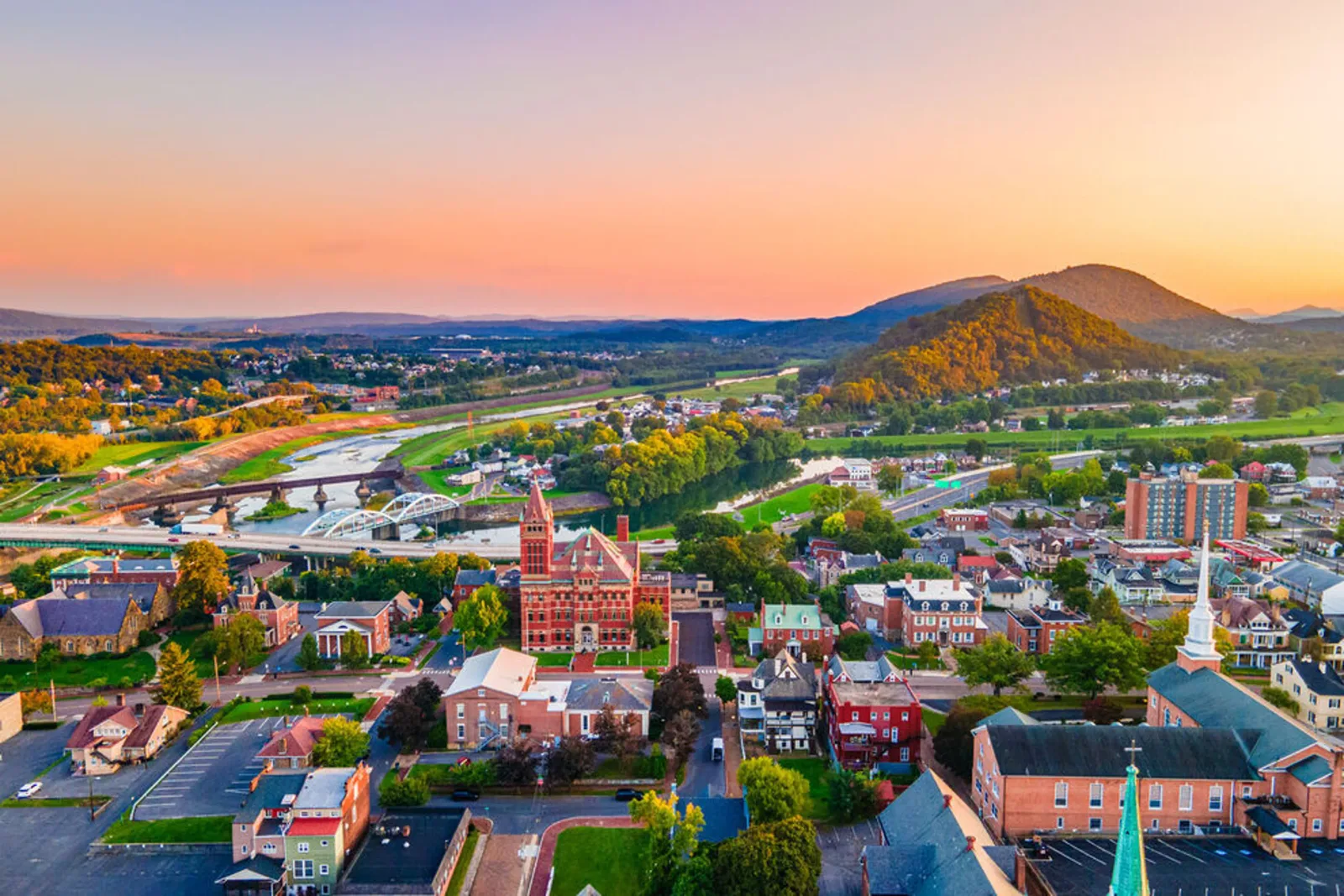
Water that sits for a weekend in an Cumberland basement rarely stays a water problem. It becomes swollen subfloor, delaminated joists, rusted mechanicals, and a mold colony behind the drywall that surfaces months later as a musty smell nobody can trace. Fire leaves a similar delayed bill - acidic soot keeps etching metal, glass, and finishes long after the flames are out.
Restoration work in the Queen City covers a connected set of problems, and most jobs touch more than one:
- Water damage restoration - extraction, structural drying, moisture mapping, and monitoring until materials return to dry standard
- Flooded basement recovery - pump-outs, saturated content handling, and drying below grade where humidity lingers
- Sewage cleanup - Category 3 contamination removal, disinfection, and safe disposal of porous materials
- Fire damage restoration - debris removal, structural stabilization, and cleaning of heat-affected surfaces
- Smoke damage restoration - soot removal, thermal fogging, HVAC cleaning, and odor neutralization
- Mold removal - containment, HEPA filtration, affected material removal, and correction of the moisture source
The benefit of moving quickly is straightforward for Cumberland homeowners: fewer materials get thrown away, insurance documentation is cleaner, and families return to normal routines sooner. Local crews familiar with the region's older housing stock and steep terrain know where hidden water travels in these homes.
Common Damage Restoration Issues in Cumberland, Maryland
Cumberland sits in a bowl where the Potomac River and Wills Creek meet, ringed by mountain slopes that funnel runoff downhill fast. That geography shapes nearly every call restoration crews take here.
Recurring Causes
- Spring snowmelt paired with rain - the single most common water damage pattern in the area, saturating hillsides and pushing water through foundation walls
- Hydrostatic pressure against stone and block basement walls in older neighborhoods
- Sump pump failures during extended storm cycles or power outages
- Frozen and burst supply lines in uninsulated crawl spaces and exterior walls
- Sewer backups when combined lines surcharge during heavy downpours
- Chimney, flue, and space heater fires in homes with legacy heating systems
- Kitchen grease fires that spread smoke through every floor within minutes
Warning Signs Worth Acting On
- Efflorescence - white chalky residue - on basement block or stone walls
- Cupped or darkened hardwood near exterior walls and doorways
- A persistent earthy odor in the lowest level, strongest after rain
- Drain gurgling or slow floor drains, often the first sign of a sewer issue
- Yellow-brown staining on ceilings below bathrooms or roof valleys
- Soot film reappearing on walls days after a small fire was cleaned
- Allergy-type symptoms that improve when occupants leave the house
Anything involving sewage or visible mold growth past a small patch calls for professional containment rather than household cleaners, which can spread spores and contaminants further into the structure.
Neighborhoods We Serve in Cumberland
Restoration crews respond throughout the city and the surrounding Allegany County communities, adjusting approach based on terrain, age of housing, and utility infrastructure.
- Downtown and the Canal Place district - historic commercial buildings with basement levels near the river
- Washington Street Historic District - masonry homes with original plaster and stone foundations
- South Cumberland - lower elevation blocks with heightened flood and backup exposure
- West Side and Dingle - hillside properties where slope runoff concentrates against foundations
- North End and Bowling Green - mixed mid-century and newer construction
- Potomac Park and Rolling Mill
Coverage extends to LaVale, Cresaptown, Bel Air, Frostburg, Mount Savage, Ellerslie, Corriganville, Flintstone, and across the state line into Ridgeley and Wiley Ford, West Virginia. Both local and national providers - including SERVPRO and Panhandle Cleaning & Restoration - maintain response capability across this footprint.
Seasonal Damage Patterns in Cumberland
Damage calls in western Maryland follow a fairly predictable annual rhythm.
- December through February - burst pipes during cold snaps, ice damming on north-facing roofs, and a rise in heating-related fires from woodstoves, chimneys, and portable heaters
- March and April - peak season for basement water. Snowmelt on mountain slopes combines with spring rain and still-frozen ground, sending water toward foundations with nowhere to absorb
- May and June - sump pump overload, storm-driven roof leaks, and the first mold growth from spring moisture that was never fully dried
- July and August - humidity-driven mold in basements and crawl spaces, condensation on ductwork, and flash flooding from summer thunderstorms in the valley
- September and October - remnants of tropical systems moving inland bring sustained rain and sewer surcharging
- November - first-use furnace puff-backs that spread oily soot through supply registers
Mold removal requests cluster in late summer and early fall, typically tracing back to a spring water event that received only surface attention.
Housing Characteristics & Restoration Considerations
Cumberland's housing stock skews notably older than the national median, with a large share of homes built before 1940 and many dating to the railroad and industrial boom of the late 1800s and early 1900s.
Construction Types and What They Mean
- Brick and stone masonry - absorbs and holds moisture; requires longer drying cycles and careful monitoring to avoid trapping water behind finishes
- Rubble stone and unsealed block foundations - highly permeable, prone to seepage during snowmelt and prolonged rain
- Original lath and horsehair plaster - salvageable when dried promptly, but easily lost if extraction is delayed
- Balloon-frame walls - open vertical cavities that let both water and smoke travel between floors unchecked
- Knob-and-tube or early wiring remnants - elevates fire risk and requires electrical clearance before drying equipment is staged
- Cast iron and clay sewer laterals - susceptible to root intrusion, cracking, and backups
- Coal chutes and converted coal cellars - legacy openings that become water entry points
Practical Restoration Implications
- Moisture readings are taken at multiple depths, since masonry surfaces can read dry while the core stays wet
- Smoke remediation includes wall cavities and chases, not just visible surfaces
- Homes built before 1980 warrant asbestos and lead-paint awareness before demolition
- Historic trim, doors, and millwork are cleaned and dried in place whenever conditions allow
- Finished basements added decades after construction often conceal the actual water source
Environmental Conditions & Damage Implications
Local climate and geology work against buildings in specific, measurable ways.
Climate and Moisture Load
- Roughly 38 to 42 inches of annual precipitation, distributed across all seasons
- Meaningful winter snowfall that stores water on slopes and releases it in concentrated melt events
- Summer relative humidity frequently above 70 percent, keeping basement air near dew point
- Freeze-thaw cycling that widens mortar joints and foundation cracks year over year
Soil, Water, and Terrain
- Shallow, rocky soils over shale and limestone bedrock with limited absorption capacity
- Clay-heavy pockets that swell when wet and press laterally on foundation walls
- Steep slopes on both sides of the valley that channel runoff toward structures rather than away
- Confluence of Wills Creek and the North Branch Potomac, keeping groundwater tables high in low-lying blocks
- Municipal water hardness that leaves scale in supply lines and appliances, contributing to slow leaks
Air Quality After a Loss
Valley topography traps air, so smoke and particulate from a structure fire disperse slowly. That makes HEPA filtration, negative air containment, and full HVAC cleaning more than optional steps - they determine whether odor returns weeks later. The same trapped humidity that slows post-fire ventilation also accelerates mold colonization, which can establish within 24 to 48 hours on wet organic materials such as paper-faced drywall, carpet padding, and stored cardboard.
Spring Snowmelt Basement Flooding: The Cumberland Pattern
The most predictable restoration event in this area happens between late February and April. Snow accumulates on the mountain slopes surrounding the city, a warm front arrives with light rain, and the melt travels downhill over ground that is still frozen and cannot absorb it. Water arrives at foundations under pressure and finds every joint, crack, and coal chute opening.
Why This Water Behaves Differently
- It enters slowly and steadily over days rather than arriving in one surge, so homeowners often underestimate the volume
- It is cold, which slows evaporation and masks how saturated materials have become
- It frequently enters at the wall-floor cove joint, wicking upward into drywall and insulation out of sight
- It can mix with sewer backup when municipal lines surcharge at the same time, changing the job from Category 1 to Category 3
The Professional Response Sequence
- Safety and source control - electrical hazards addressed, standing water categorized per IICRC S500 guidelines
- Extraction - submersible pumps and truck-mounted units remove bulk water before drying begins
- Moisture mapping - thermal imaging and penetrating meters establish how far water migrated beyond the visible edge
- Controlled demolition - flood cuts on affected drywall, removal of saturated insulation and padding that cannot be dried in place
- Structural drying - air movers and LGR dehumidifiers sized to the cubic footage and material load
- Daily monitoring - documented readings until materials reach dry standard, not simply until surfaces feel dry
- Antimicrobial application and rebuild - preventing mold growth, then restoring finishes
Reducing Repeat Exposure
- Extend downspouts well beyond the foundation before winter ends
- Clear window wells and grade soil away from the house
- Test the sump pump and add battery backup ahead of March
- Install a backwater valve if the property has a history of sewer backups
- Keep stored belongings off basement floors on shelving
Crews working to IICRC standards document every stage, which supports insurance claims and gives Cumberland property owners a clear record of what was dried, removed, and restored.





