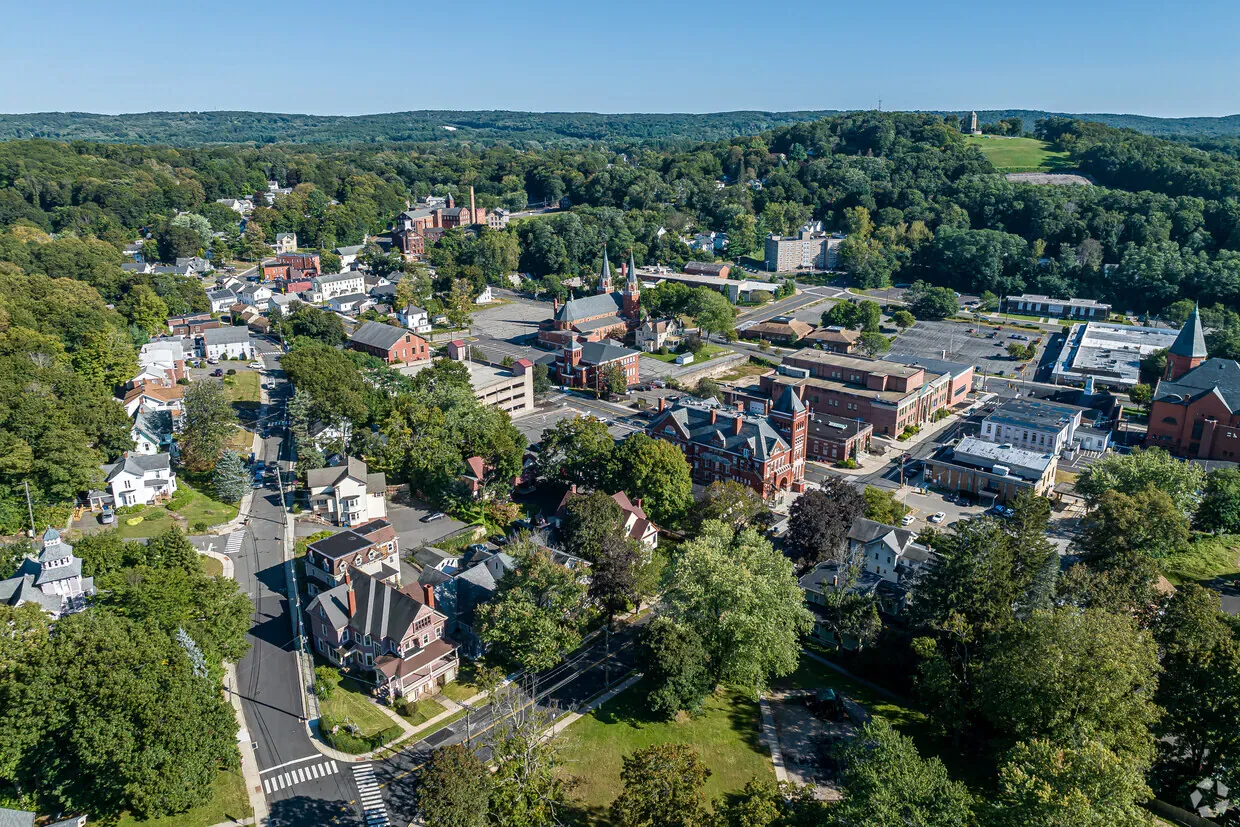
Damage Restoration in Tolland County, CT
- Damage Restoration Services Overview
- Common Damage Restoration Issues in Tolland County, Connecticut
- Neighborhoods We Serve in Tolland County
- Seasonal Damage Patterns in Tolland County
- Housing Characteristics & Restoration Considerations
- Environmental Conditions & Damage Implications
- Septic Backups, Well Water, and Rural Property Recovery in Tolland County
Damage Restoration Services Overview
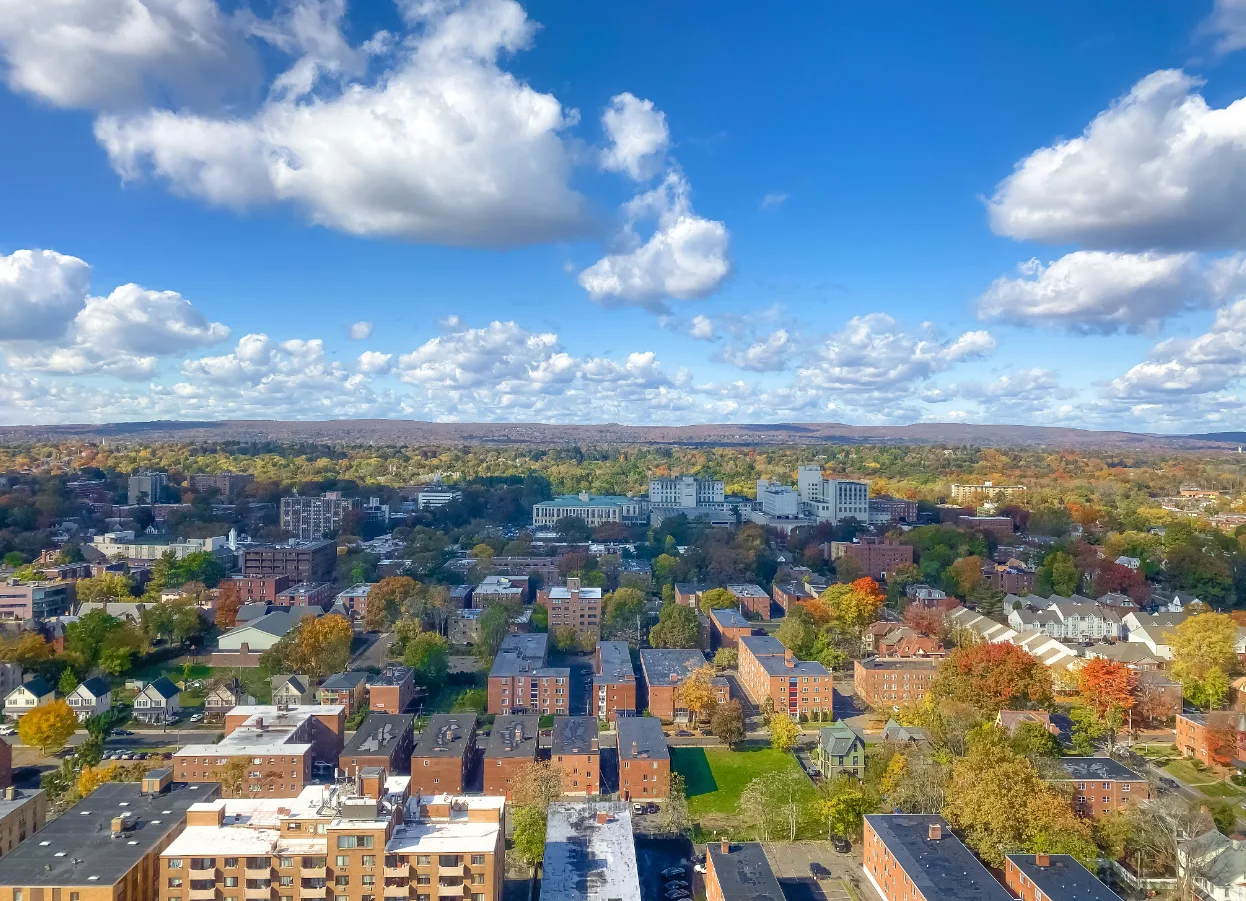
Tolland County sits in Connecticut's rural northeast hills, where older farmhouses, well water, private septic systems, and long winter freezes create restoration challenges you won't find along the shoreline. Homes here often combine fieldstone foundations with newer additions - a mix that traps moisture and complicates drying.
Full-service response covers every category of property damage for residential and commercial buildings:
- Water Damage Restoration - rapid extraction, structural drying, and moisture mapping after pipe breaks, appliance failures, and roof leaks
- Flooded Basement - pump-out, content removal, and dehumidification for below-grade spaces on sloped hillside lots
- Sewage Cleanup - containment, waste removal, and antimicrobial treatment after septic backups or main line failures
- Fire Damage Restoration - board-up, debris removal, soot cleaning, and structural repair coordination
- Smoke Damage Restoration - odor neutralization, HVAC and duct cleaning, and contents cleaning for items touched by puff back or heavy smoke
- Mold Removal - containment barriers, HEPA filtration, and removal of contaminated materials
Certified technicians answer around the clock at (860) 222-9498. Fast response limits secondary damage, protects indoor air quality, and gives insurance documentation a clear starting point.
Common Damage Restoration Issues in Tolland County, Connecticut
The county's geography drives most calls. Hillside neighborhoods in Vernon, Stafford, and Coventry send runoff straight toward foundations, while low-lying parcels near the Willimantic, Hop, and Skungamaug Rivers hold water long after storms pass.
Frequent Causes of Damage
- Frozen and burst supply lines in unheated crawl spaces, attics, and seasonal camps near Coventry Lake
- Sump pump failures during power outages - common when nor'easters drop trees on rural distribution lines
- Septic system backups on saturated soil, pushing sewage into basement floor drains
- Ice dams forcing meltwater under shingles and into wall cavities
- Chimney and woodstove fires in homes that heat with cordwood or oil
- Furnace puff backs that coat entire interiors with oily soot
Warning Signs to Act On
- Musty odor in a basement or closet that never fully clears
- Staining, bubbling paint, or soft drywall near baseboards and window sills
- Efflorescence - white powder - on stone or block foundation walls
- Gurgling drains or slow toilets, often the first hint of septic trouble
- Cupping hardwood floors above a crawl space
- Soot film on lampshades, curtains, or the tops of door casings after a heating incident
Mold can begin colonizing damp materials within a day or two, so water and sewage events are treated as urgent regardless of how small the visible area appears.
Neighborhoods We Serve in Tolland County
Crews cover the entire county and surrounding towns, from dense village centers to remote dirt-road properties.
- Tolland - Tolland Green, Grant Hill, Cider Mill Heights, and Shenipsit Lake area homes
- Vernon and Rockville - mill-era multifamily buildings and Talcottville
- Storrs and Mansfield - UConn-area rentals, Mansfield Center, and Mansfield Depot
- Coventry - Coventry Lake, South Coventry, and North Coventry
- Stafford Springs, Somers, Union, and Ellington
- Willington, Ashford, Bolton, Andover, Hebron, and Columbia
Response also extends into neighboring Hartford, Windham, and New London County communities. Familiarity with Route 74, Route 44, and I-84 corridors keeps arrival times short even during storm events.
Seasonal Damage Patterns in Tolland County
Winter (December - February)
- Burst pipes during deep freezes and extended sub-zero stretches
- Ice dam leaks along eaves and cathedral ceilings
- Chimney, woodstove, and space heater fires with heavy smoke spread
Spring (March - May)
- Snowmelt combined with rain, producing flooded basements countywide
- Saturated leach fields causing septic and sewage backups
- Hidden mold discovered as homes warm and odors intensify
Summer (June - August)
- High humidity fueling mold growth in basements and crawl spaces
- Thunderstorm downbursts, lightning strikes, and roof damage
- Air conditioning condensate line overflows
Autumn (September - November)
- Tropical remnants and nor'easters bringing rapid groundwater rise
- Clogged gutters directing water against foundations
- Furnace startup puff backs coating interiors with soot
Every season overlaps with mold risk, since Connecticut humidity rarely gives damp materials a chance to dry on their own.
Housing Characteristics & Restoration Considerations
Tolland County's housing stock spans three centuries. Colonial-era and 19th-century farmhouses stand beside 1960s-1980s ranches and colonials, plus newer subdivisions built since the 1990s.
How Construction Age Shapes the Work
- Antique homes - fieldstone or brick foundations, dirt floor cellars, balloon framing that lets water and smoke travel between floors unseen
- Mid-century ranches - finished basements with paneling and carpet that must come out fast after flooding
- Modern builds - tighter envelopes and spray foam that hold moisture in wall cavities, requiring careful cavity drying rather than surface fans
- Rockville mill housing and multifamily buildings - shared plumbing stacks that spread water damage across multiple units
Practical Restoration Factors
- Plaster and lath dry differently than drywall and often need controlled drying to avoid cracking
- Older homes may contain asbestos-bearing materials or lead paint, calling for testing before demolition
- Knob-and-tube or aging wiring raises fire risk and must be evaluated after any water intrusion
- Private wells require testing after sewage events or flooding near the wellhead
- Detached garages, barns, and outbuildings frequently store contents that need pack-out and cleaning
Documentation of pre-existing conditions helps insurance adjusters separate storm damage from long-term wear - important in a county where many homes have decades of history.
Environmental Conditions & Damage Implications
The county receives roughly 45 to 50 inches of precipitation annually, spread fairly evenly through the year, with meaningful snowfall in the higher elevations of Union, Stafford, and Tolland.
Soil and Groundwater
- Glacial till with dense hardpan layers slows infiltration and pushes water sideways toward foundations
- Rocky, shallow bedrock in the northern hills limits drainage options around basements
- Seasonal high water tables in valley bottoms create chronic basement seepage
- Poorly draining soils stress leach fields, raising the odds of sewage surfacing indoors
Air and Water Quality Factors
- Summer dew points routinely in the 60s support mold colonization on wood, paper, and fabric
- Wood and oil heat contribute soot and combustion residue that settles in ductwork
- Private wells serve much of the county, so contamination after flooding must be ruled out
- Radon is common in this part of Connecticut - basement work should not disturb existing mitigation systems
What That Means for Restoration
- Moisture readings are taken in framing, subfloor, and masonry, not just surfaces
- Dehumidification is sized to local humidity loads rather than generic square footage
- Antimicrobial treatment follows extraction on any water event with contamination potential
- HVAC systems are inspected and cleaned so soot and spores are not redistributed
Septic Backups, Well Water, and Rural Property Recovery in Tolland County
Most Tolland County properties operate outside municipal utilities. That single fact changes how water, sewage, and mold events are handled here compared with city neighborhoods.
Why Septic Systems Fail Locally
- Heavy spring runoff saturates leach fields, leaving nowhere for effluent to go
- Tank roots, aging distribution boxes, and undersized 1960s systems back up under load
- Frozen ground during January thaws blocks normal absorption
- Power outages stop pumps in systems that rely on ejector or lift stations
Sewage Cleanup Handled Correctly
- Contain the affected area and shut down HVAC to stop cross-contamination
- Remove standing waste and unsalvageable porous materials - carpet, pad, drywall, insulation
- Clean and disinfect hard surfaces with EPA-registered antimicrobials
- Dry the structure with air movers and dehumidifiers until framing reaches target moisture levels
- Apply preventive treatment and verify with post-remediation readings
Protecting Well Water and Indoor Air
- Test well water after any flooding that reaches the wellhead or septic components
- Keep pumps off until electrical systems are cleared by a qualified electrician
- Run HEPA air scrubbers during cleanup to capture airborne particulate and spores
- Address hidden moisture behind finished basement walls before rebuilding
Steps Homeowners Can Take First
- Stop water use immediately when drains back up
- Keep children and pets out of the affected level
- Photograph conditions before anything is moved for your insurance claim
- Call (860) 222-9498 for around-the-clock dispatch anywhere in Tolland County
Whether the issue is a flooded basement in Coventry, smoke damage in Stafford Springs, or mold behind a Vernon rental's finished wall, certified technicians bring the equipment and documentation needed to return the property to a safe, dry condition.