
Damage Restoration in Storrs, CT
- Damage Restoration Services Overview
- Common Damage Restoration Issues in Storrs, Connecticut
- Neighborhoods We Serve in Storrs
- Seasonal Damage Patterns in Storrs
- Housing Characteristics & Restoration Considerations
- Environmental Conditions & Damage Implications
- Modern Drying Technology and Documentation for Storrs Properties
Damage Restoration Services Overview
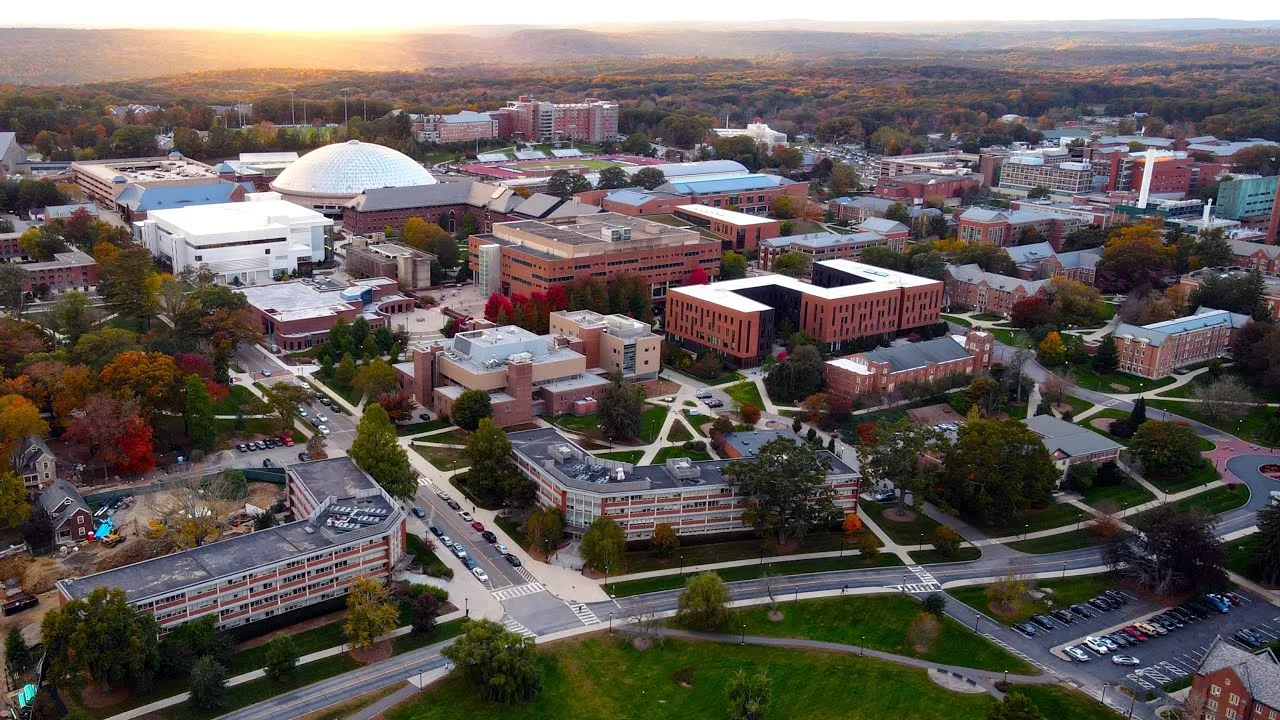
Storrs sits on the rolling uplands of Mansfield in Tolland County, where granite ledge, glacial till soil, and river valleys along the Fenton and Willimantic shape how water moves through and under local property. That geography, combined with a housing stock that ranges from 18th-century farmhouses to student rentals and modern subdivisions near the UConn campus, creates restoration challenges you simply do not see in coastal or urban Connecticut.
Restoration crews serving Storrs handle the full spectrum of property emergencies for homeowners, landlords, and commercial operators:
- Water Damage Restoration - burst supply lines, failed water heaters, roof leaks, and appliance overflows extracted and dried with monitored equipment.
- Flooded Basement recovery - pump-outs, fieldstone and block foundation drying, and content triage after sump failures or spring melt.
- Sewage Cleanup - septic backups, failed leach fields, and drain line overflows handled as Category 3 contamination with full disinfection.
- Fire Damage Restoration - structural stabilization, soot removal, contents cleaning, and rebuild of damaged materials.
- Smoke Damage Restoration - odor neutralization, HVAC and duct cleaning, and treatment of puff-back residue from oil furnaces.
- Mold Removal - containment, HEPA filtration, and removal of affected materials in crawl spaces, attics, and finished lower levels.
The benefit for Storrs residents is straightforward: a rapid, documented response that limits secondary damage, protects indoor air quality, and returns the property to pre-loss condition.
Common Damage Restoration Issues in Storrs, Connecticut
Rural infrastructure and a demanding New England climate drive most local losses. Many Mansfield properties rely on private wells and septic systems rather than municipal utilities, which shifts the risk profile toward groundwater intrusion and on-site wastewater failures.
Frequent Causes of Damage
- Frozen and burst pipes in uninsulated crawl spaces, garages, and seasonally vacant rentals near campus.
- Sump pump failure during heavy rain or rapid snowmelt, flooding finished basements in Spring Hill and Eagleville neighborhoods.
- Saturated leach fields pushing sewage back through floor drains and lowest-level fixtures.
- Ice dams forcing meltwater under shingles and into wall cavities and ceilings.
- Chimney, woodstove, and cooking fires - common in homes with supplemental heat sources.
- Oil furnace puff-backs coating interiors with oily soot that spreads through ductwork.
- Hidden mold behind vinyl wallpaper, under carpet padding, and along rim joists.
Warning Signs Worth Acting On
- Musty odor that intensifies when the furnace or air handler cycles on.
- Efflorescence, white chalky staining, or dampness on fieldstone and block foundation walls.
- Cupping hardwood, tile grout discoloration, or soft spots underfoot.
- Slow drains throughout the house, gurgling toilets, or lush green patches over the septic field.
- Soot filming on light fixtures, upper walls, and vent registers after any burn event.
- Recurring allergy symptoms that ease when occupants leave the building.
Neighborhoods We Serve in Storrs
Coverage extends across the town of Mansfield and into the surrounding Tolland and Windham County communities that share the same terrain and infrastructure conditions.
- Storrs Center and the UConn campus corridor - apartments, mixed-use buildings, and off-campus rentals along Dog Lane and Storrs Road.
- Mansfield Center and Mansfield Depot - historic homes, many with stone foundations and additions built across several eras.
- Eagleville and Merrow - properties near Eagleville Lake and the Willimantic River floodplain.
- Spring Hill, Gurleyville, and Mansfield Four Corners - wooded lots with well and septic service.
- Surrounding towns - Willington, Ashford, Chaplin, Coventry, Tolland, Columbia, and Willimantic.
Crews familiar with these areas know the back roads, the seasonal traffic patterns around campus, and the local building department requirements that affect rebuild work.
Seasonal Damage Patterns in Storrs
Restoration demand in northeastern Connecticut follows a predictable rhythm tied to temperature swings and precipitation.
- December through February: Peak season for frozen and burst pipes, especially in student rentals left empty over winter break. Ice dams begin forming after heavy snow followed by freeze-thaw cycles. Heating equipment and chimney fires rise sharply.
- March and April: Snowmelt plus spring rain saturates glacial till soil, driving flooded basements, sump pump overload, and hydrostatic seepage through foundation walls. Septic systems struggle with high groundwater, increasing sewage backups.
- May through July: Humidity climbs and mold growth accelerates in basements, crawl spaces, and attics that never fully dried out from spring.
- August and September: Tropical remnants and severe thunderstorms bring roof leaks, wind-driven rain intrusion, and stream flooding near the Fenton and Mount Hope rivers.
- October and November: Heating systems restart, producing puff-backs and smoke damage. Clogged gutters from leaf fall push water against foundations.
Housing Characteristics & Restoration Considerations
Mansfield's building stock is unusually varied, and each construction era responds differently to water, fire, and microbial growth.
Older Colonials and Farmhouses
- Fieldstone or rubble foundations that wick moisture and cannot be sealed like poured concrete.
- Balloon framing that lets water and smoke travel vertically between floors without visible signs.
- Plaster and lath that holds moisture far longer than drywall and requires extended drying.
- Knob-and-tube remnants or older wiring that raises fire risk and complicates demolition.
Mid-Century and Late-Century Homes
- Block foundations with finished basements - carpet, paneling, and studwork that absorb floodwater quickly.
- Fiberglass batt insulation in crawl spaces that traps humidity against the subfloor.
- Oil-fired boilers and above-ground tanks that can leak or produce soot events.
Campus-Area Rentals and Newer Construction
- High occupancy and heavy fixture use increase supply-line and toilet overflow losses.
- Tight building envelopes hold humidity, so mechanical dehumidification matters more than ventilation alone.
- Multi-unit layouts mean a single leak can affect several apartments, requiring coordinated drying and moisture mapping.
Restoration plans account for these differences by testing materials before demolition, drying in place where the assembly allows, and documenting moisture readings daily.
Environmental Conditions & Damage Implications
Storrs receives roughly 48 inches of precipitation annually plus substantial snowfall, and summer dew points regularly push indoor humidity well past the threshold where mold colonizes porous materials.
Soil and Groundwater
- Dense glacial till and shallow bedrock limit infiltration, so runoff collects against foundations rather than draining downward.
- Seasonal high water tables push moisture through slab cracks and cove joints.
- Ledge outcrops force footing drains into shallow, easily clogged configurations.
Water Supply and Wastewater
- Private wells mean no municipal pressure regulation, and pump or pressure tank failures can flood utility rooms.
- Septic systems in tight soils are slow to recover after storms, raising sewage backup frequency.
- Well water contamination is a real concern after any sewage event, and testing follows cleanup.
Air Quality Factors
- Heavy tree cover contributes outdoor mold spores that migrate indoors during humid months.
- Wood and pellet stoves add particulate and creosote odor that compounds smoke damage.
- Older homes with limited mechanical ventilation concentrate contaminants, making HEPA filtration and duct cleaning part of most fire and mold projects.
Modern Drying Technology and Documentation for Storrs Properties
Restoration in a town with stone cellars, heavy plaster, and rural infrastructure demands measurement rather than guesswork. Contemporary crews rely on instrumentation to find moisture that never appears on the surface and to prove the structure actually reached dry standard before rebuild begins.
Equipment Used on Local Projects
- Truck-mounted and portable extraction units for standing water in basements and crawl spaces.
- Low-grain refrigerant and desiccant dehumidifiers sized to the cubic footage and material load.
- Air movers positioned to create directional airflow across wet assemblies.
- Injectidry and cavity drying systems that push conditioned air behind plaster, under hardwood, and into wall bays without full demolition.
- Thermal imaging cameras and penetrating moisture meters for mapping the true extent of intrusion.
- Negative air machines with HEPA filtration for mold containment and sewage remediation.
- Hydroxyl generators, thermal fogging, and ozone treatment for smoke odor bound into porous surfaces.
How a Project Progresses
- Inspection and assessment - identify the source, classify the water or contamination category, and scope affected materials.
- Extraction and stabilization - remove standing water or debris, secure the structure, and address safety hazards.
- Controlled demolition - remove unsalvageable materials such as saturated insulation, carpet pad, and contaminated drywall.
- Drying and dehumidification - place equipment and record daily moisture readings, temperature, and relative humidity in drying logs.
- Cleaning and sanitizing - disinfect affected surfaces, clean contents, and treat HVAC and duct systems where soot or spores traveled.
- Verification - confirm materials reach dry standard and, for mold work, arrange post-remediation clearance.
- Final restoration - repair or replace flooring, drywall, trim, and finishes to return the property to pre-loss condition.
Detailed diagrams, photo documentation, and moisture logs also support insurance claims - a practical advantage for Storrs landlords managing multiple campus-area units and for homeowners dealing with older structures where damage extends well beyond the visible area.





