
Damage Restoration in Mulvane, KS
- Damage Restoration Services Overview
- Common Damage Restoration Issues in Mulvane, Kansas
- Neighborhoods We Serve in Mulvane
- Seasonal Damage Patterns in Mulvane
- Housing Characteristics & Restoration Considerations
- Environmental Conditions & Damage Implications
- Storm Season Response and the First 48 Hours in Mulvane
Damage Restoration Services Overview
Water that sits for a weekend behind a Mulvane baseboard rarely stays a water problem. It becomes swollen subfloor, delaminated cabinet bases, buckled hardwood, and eventually a mold colony feeding on paper-faced drywall. Smoke residue left on painted walls turns acidic and etches finishes permanently. Sewage that soaks into carpet pad contaminates the slab beneath it. The damage that costs the most is almost always the damage that waited.
Restoration work in Mulvane covers a connected set of problems, and most properties need more than one addressed at once:
- Water damage restoration - extraction, structural drying, and moisture mapping after supply line breaks, appliance failures, and roof leaks
- Flooded basement cleanup - pumping standing water, drying foundation walls, and treating the contents that sat in it
- Sewage cleanup - containment, removal of porous materials, and antimicrobial treatment of contaminated surfaces
- Fire damage restoration - debris removal, structural stabilization, and cleaning of salvageable materials
- Smoke damage restoration - soot removal, thermal fogging, HVAC decontamination, and odor neutralization
- Mold removal - containment barriers, HEPA filtration, material removal, and correcting the moisture source
Acting early protects the parts of a home that cannot be rebuilt cheaply - framing, subfloor, wiring, and indoor air quality. It also keeps a claim smaller and a family in their house sooner.
Common Damage Restoration Issues in Mulvane, Kansas
Mulvane sits along the Arkansas River corridor in southern Sedgwick and northern Sumner counties, where flat terrain, clay soil, and heavy spring storm cells combine into a predictable set of losses.
Water and Basement Flooding
- Spring thunderstorm bursts that overwhelm gutters, window wells, and yard drainage
- Sump pump failures during multi-inch rainfall or power outages
- Frozen and burst supply lines in unheated crawl spaces and garages during January cold snaps
- Water heater and washing machine hose failures - the most common non-weather cause year-round
Sewage Backups
- Municipal line surcharging when heavy rain infiltrates aging sewer laterals
- Tree root intrusion in older clay pipe on established Mulvane lots
- Septic saturation on rural acreage properties outside city limits
Fire and Smoke
- Winter furnace and space heater incidents, plus fireplace and flue problems
- Kitchen grease fires that push soot through the entire HVAC system
- Electrical faults in homes with aging panels and original branch wiring
- Grass and outbuilding fires during dry, windy Kansas stretches
Warning Signs Worth a Phone Call
- A musty smell that intensifies after rain or when the AC runs
- Tape seams lifting or nail pops appearing on ceilings
- Efflorescence - white chalky residue - on basement block walls
- Yellow-brown staining that reappears after being painted over
- Soot film returning on windows or vent registers after cleaning
Neighborhoods We Serve in Mulvane
Coverage spans the full Mulvane footprint and the communities that ring it, so response times stay short regardless of which side of the river a property sits on.
- Downtown and Central Mulvane - older frame homes near Main Street with basements and original plumbing
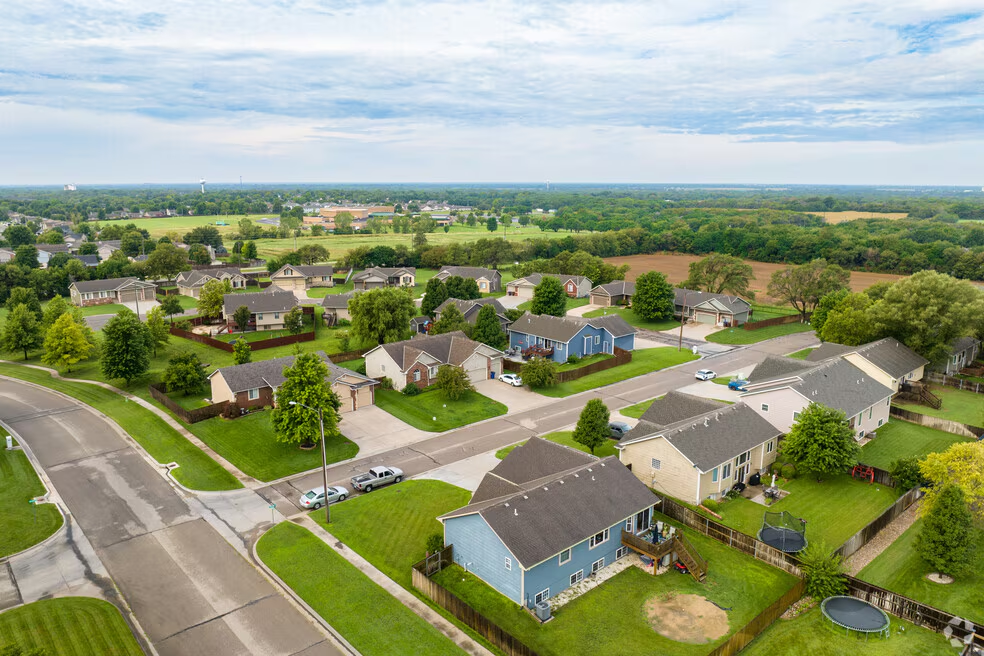
- North Mulvane along the K-15 corridor - newer subdivisions and slab-on-grade construction
- South Mulvane and Sumner County side - mixed acreage properties with septic systems and outbuildings
- River-adjacent and low-lying east side properties - highest exposure to groundwater and yard flooding
- Rural addresses along township roads - well water, propane heat, and detached shop structures
Surrounding service areas include Derby, Haysville, Rose Hill, Belle Plaine, Udall, Clearwater, Wichita, Andover, Augusta, Douglass, and Valley Center - a coverage radius that keeps crews, drying equipment, and extraction trucks close to Mulvane at all hours.
Seasonal Damage Patterns in Mulvane
Restoration demand in south-central Kansas follows the weather closely. Knowing what season brings what helps homeowners get ahead of it.
- December through February - burst pipes, ice dam leaks, furnace and space heater fires, chimney and flue smoke damage, and puffback from oil and gas appliances.
- March through May - peak season. Severe thunderstorms, hail-damaged roofs, saturated soil, basement seepage, sump pump overload, and sewer backups during heavy rain events.
- June through August - mold growth accelerates as humidity climbs and hidden spring moisture finds warm conditions. AC condensate line clogs and refrigerator ice maker lines fail. Dry, windy stretches raise grass and outbuilding fire risk.
- September through November - fall storm systems, gutter blockages from leaf drop, first-use furnace incidents, and mold discovered during pre-winter cleaning or real estate inspections.
Two patterns repeat every year in Mulvane: a spring wave of water and sewage calls, and a mid-summer wave of mold calls tracing back to that same spring water.
Housing Characteristics & Restoration Considerations
Mulvane's housing stock spans well over a century, and the construction era of a home changes almost everything about how it dries, cleans, and rebuilds.
Pre-1960 Homes Near the Town Core
- Plaster over wood lath holds moisture far longer than drywall and needs slower, controlled drying
- Hardwood floors over plank subfloor cup quickly but often respond to targeted floor drying systems
- Stone or block foundations with limited waterproofing seep during prolonged rain
- Cast iron and clay sewer lines are prone to root intrusion and backups
- Potential for asbestos-containing materials and lead paint, which changes demolition protocol
1970s Through 1990s Construction
- Finished basements with paneling, carpet, and framed walls that trap water behind them
- Original galvanized or polybutylene supply lines nearing failure
- Fiberglass batt insulation in rim joists that holds water and feeds mold
- Ductwork routed through basements, spreading smoke and mold spores house-wide
Newer Subdivisions and Rural Builds
- Slab-on-grade layouts where water wicks laterally under flooring before it is visible
- Tighter building envelopes that hold humidity and smoke odor inside longer
- Engineered wood flooring and MDF trim that swell irreversibly once wet
- Open floor plans with vaulted ceilings that require more air movement and dehumidification capacity
Every restoration plan should account for these material differences rather than applying one drying template to every address.
Environmental Conditions & Damage Implications
Mulvane's climate and soil profile shape how damage develops and how aggressively it must be treated.
Climate
- Hot, humid summers with dew points that keep indoor relative humidity elevated - ideal mold conditions once materials get wet
- Sharp winter freeze-thaw cycles that stress plumbing and foundation joints
- High-wind events that drive rain horizontally into siding, soffits, and window flashing
- Spring hail that compromises roofs, leading to slow leaks discovered months later
Soil and Groundwater
- Expansive clay soils shrink in drought and swell after rain, opening foundation cracks
- Poor percolation means rainwater pools against basement walls instead of draining away
- Shallow water tables near the Arkansas River raise hydrostatic pressure under slabs and floors
- Saturated ground stresses septic drain fields on rural properties, contributing to backups
Air and Water Quality
- Hard water leaves mineral scale that shortens the life of water heaters and supply valves
- Seasonal agricultural dust and pollen add to particulate load, worsening the effect of smoke residue on occupants
- Tight modern homes recirculate soot, VOCs, and mold spores until HVAC systems are cleaned and filtration is deployed
These conditions mean drying targets must be set against local humidity, and mold prevention has to be built into every water loss - not treated as a separate future problem.
Storm Season Response and the First 48 Hours in Mulvane
When a line of storms crosses Sumner and Sedgwick counties, dozens of Mulvane properties take on water in the same hour. What a homeowner does before crews arrive materially changes the outcome.
Immediate Steps After Discovering Water or Sewage
- Shut off power to affected areas at the panel if water is near outlets or the furnace.
- Stop the source - main water shutoff, sump discharge check, or stop using fixtures if sewage is backing up.
- Stay out of standing sewage entirely. Category 3 water carries pathogens that require protective equipment.
- Photograph everything before moving items - insurers rely on that documentation.
- Move undamaged contents upstairs, and lift furniture legs off wet carpet to prevent stain transfer.
- Call for professional extraction rather than waiting to see if it dries on its own.
What Happens After a Fire
- Do not re-enter until the fire department releases the structure.
- Avoid wiping soot from walls - dry soot smears and drives residue into the finish.
- Leave the HVAC system off so smoke particulate is not circulated further.
- Board-up and roof tarping should happen the same day to prevent secondary water damage.
How the Restoration Plan Comes Together
Assessment comes first - moisture meters, thermal imaging, and air sampling where mold is suspected. From there, the plan is built around the specific property: its foundation type, wall materials, contamination category, and the family's timeline. Homeowners are walked through containment, demolition scope, drying strategy, and reconstruction before any work begins.
Documentation runs alongside the work - daily moisture readings, photo logs, and material inventories that support the insurance claim without the homeowner having to assemble it themselves. In a community where spring flooding is a recurring reality rather than a rare event, that local familiarity with Mulvane's drainage, soils, and housing stock makes the response faster and more accurate.





