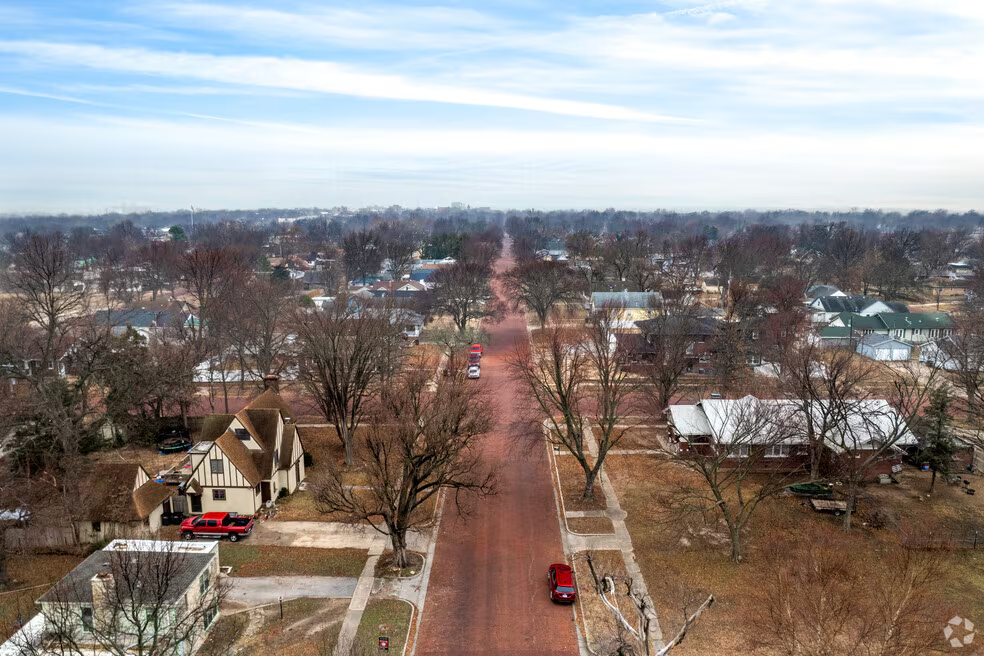
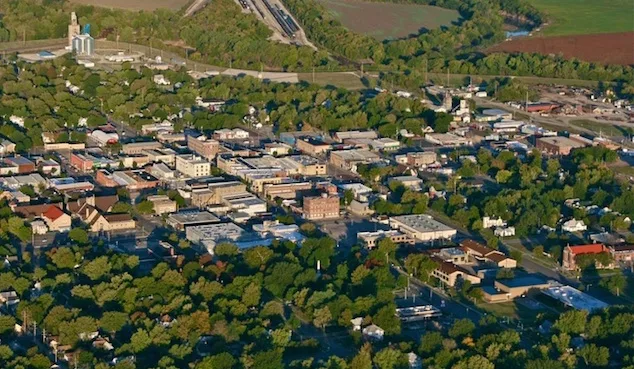
Damage Restoration in Cowley County, KS
- Damage Restoration Services Overview
- Common Damage Restoration Issues in Cowley County, Kansas
- Neighborhoods We Serve in Cowley County
- Seasonal Damage Patterns in Cowley County
- Housing Characteristics & Restoration Considerations
- Environmental Conditions & Damage Implications
- Storm Response and Insurance Documentation for Cowley County Property Owners
Damage Restoration Services Overview
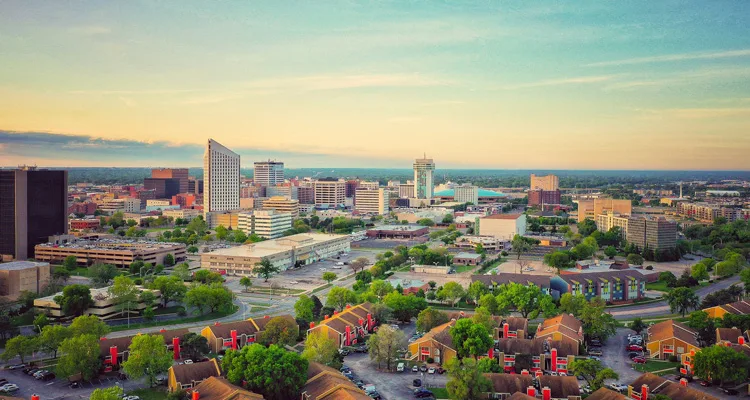
Damage spreads fast. Water wicks into drywall within hours, smoke residues turn acidic overnight, and mold colonies can take hold in a damp Cowley County basement in a matter of days. Acting quickly protects both the structure and the belongings inside it.
Property owners across Winfield, Arkansas City, and the surrounding rural stretches face a wide mix of loss events - from Walnut River backups to storm-driven roof breaches and kitchen fires. A full-service restoration approach covers every stage of recovery:
- Water Damage Restoration - extraction, structural drying, moisture mapping, and monitoring until materials return to normal readings
- Flooded Basement - pump-out, sump and drain evaluation, content removal, and dehumidification of below-grade spaces
- Sewage Cleanup - removal of contaminated materials, antimicrobial treatment, and safe disposal following category three water protocols
- Fire Damage Restoration - debris removal, board-up, structural cleaning, and rebuild coordination
- Smoke Damage Restoration - soot removal from surfaces and HVAC systems, plus odor neutralization
- Mold Removal - containment, air filtration, affected material removal, and moisture source correction
The benefit for local homeowners is simple: fewer secondary losses, cleaner insurance documentation, and a faster return to a livable home. Cowley County residents can also report storm damage or send photos to emergencymanagement@cowleycountyks.gov to support county recovery efforts.
Common Damage Restoration Issues in Cowley County, Kansas
Cowley County sits in an active severe weather corridor. County records show 97 tornadoes, 80 deaths, 316 injuries, and roughly $40 million in property damage, with an average path length of 3.4 miles and width near 105 yards. That history shapes the restoration calls placed here.
Leading Causes of Loss
- Wind and hail breaches - torn shingles and broken windows let rain into attics and wall cavities
- River and flash flooding - the Walnut and Arkansas River corridors push water toward low-lying crawl spaces and basements
- Sanitary sewer surcharge - heavy rain overwhelms older municipal lines, forcing wastewater up floor drains
- Frozen and burst supply lines - uninsulated pipes in older homes fail during hard January freezes
- Lightning, wiring, and grass fires - dry prairie conditions and aging electrical panels contribute to structure fires
- Hidden humidity - poorly ventilated basements feed mold growth long after the visible water is gone
Warning Signs Worth Investigating
- Musty odor near stairwells, closets, or laundry areas
- Bubbling paint, cupping floorboards, or drywall tape lifting at seams
- Efflorescence - white crusty deposits - on foundation walls
- Slow drains or gurgling toilets after a storm, often the first sewage warning
- Soot film returning on walls weeks after a small fire
- Unexplained allergy symptoms that ease when occupants leave the house
Neighborhoods We Serve in Cowley County
Coverage spans the county's cities, small towns, and rural properties along the section roads.
- Winfield - historic downtown districts, College Hill near Southwestern College, and neighborhoods along the Walnut River
- Arkansas City - central residential blocks, areas near Cowley College, and the Arkansas River bottoms
- Udall - a community with a long tornado memory and continued storm exposure
- Burden, Dexter, Cambridge, and Atlanta - eastern county towns with older frame housing
- Geuda Springs and Parkerfield - smaller communities near the southern county line
- Rock, Akron, and surrounding farmsteads - acreage properties with well water and septic systems
Service also extends to neighboring areas in Sumner, Butler, Elk, and Chautauqua counties, including properties along US-77, US-166, and K-15.
Seasonal Damage Patterns in Cowley County
Restoration demand here follows a predictable rhythm tied to Kansas weather.
- March - June: Peak severe weather. May alone accounts for 33 recorded tornadoes, about 34% of the county total, and most strike near 7 PM. Wind-driven rain, roof loss, flooded basements, and sewer backups dominate.
- July - August: Heat and humidity drive mold growth in basements and crawl spaces. AC condensate line clogs and failed water heaters add to water damage calls.
- September - October: Secondary storm season brings hail and localized flooding. A good window for moisture inspections before heating season.
- November - December: Fireplace, furnace, and space heater use increases fire and smoke damage risk. Puffback from oil and gas systems leaves soot throughout ductwork.
- January - February: Deep freezes cause burst pipes in exterior walls, garages, and unheated crawl spaces. Ice dams push meltwater under shingles.
Averages sit near 0.7 tornadoes per year countywide, though the last decade has run closer to 1.4 - a reason to keep storm response plans current.
Housing Characteristics & Restoration Considerations
Cowley County housing skews older than the national average. Many Winfield and Arkansas City homes date to the late 1800s through the 1950s, with a second wave of ranch construction from the 1960s and 1970s. Each era brings different restoration challenges.
Construction Types and What They Mean
- Pre-1940 frame homes - lath and plaster walls hold moisture longer than drywall and require slower, controlled drying to avoid cracking
- Limestone and brick foundations - porous masonry absorbs floodwater and needs extended dehumidification
- Full basements with floor drains - common locally, and the primary entry point for sewage backup
- Mid-century ranches - original cast iron drain lines and galvanized supply pipes are frequent failure points
- Crawl space farmhouses - exposed dirt floors and minimal vapor barriers create persistent mold conditions
- Manufactured and modular homes - particleboard subfloors swell quickly and often require replacement rather than drying
Restoration Adjustments for Older Stock
- Test for asbestos in floor tile, mastic, and pipe wrap before demolition in pre-1980 homes
- Check for lead paint when fire or smoke cleaning involves sanding or aggressive surface work
- Document knob-and-tube or aluminum wiring found during wall openings
- Protect original woodwork, transoms, and hardwood floors with targeted drying rather than removal
- Verify insulation type, since blown-in cellulose retains water and typically must be discarded
Environmental Conditions & Damage Implications
South-central Kansas delivers hot, humid summers, cold winters, and a wide annual temperature swing. Those conditions influence how fast damage progresses and how drying equipment must be configured.
Local Conditions That Affect Restoration
- Summer dew points - high outdoor humidity makes open-window drying counterproductive; closed-drying with dehumidifiers works better
- Clay-heavy soils - expansive soils shrink in drought and swell after rain, stressing foundations and opening seepage paths
- Shallow water tables near river bottoms - hydrostatic pressure pushes moisture through basement walls and floor joints
- Hard groundwater and mineral content - leaves residue on surfaces after flooding and affects cleaning agent selection
- Prairie dust and agricultural particulate - combines with soot after fires, complicating HVAC cleaning
- Grassland fire risk - dry autumn winds carry smoke into homes even when the structure itself never burns
Practical Implications
- Moisture readings should be taken at multiple depths in masonry and framing, not just at the surface
- Mold containment needs negative air machines with HEPA filtration, especially in humid months
- Septic-served rural homes need a system inspection after any sewage backup, not just interior cleanup
- Post-fire air scrubbing should include duct cleaning to capture settled ash and rural dust
- Foundation drainage and grading corrections prevent repeat basement flooding after the first event
Storm Response and Insurance Documentation for Cowley County Property Owners
When a tornado or straight-line wind event moves through the county, the first 48 hours determine how smoothly recovery goes. Emergency mitigation, thorough documentation, and coordination with county officials all matter.
What to Do After a Storm
- Confirm safety first - stay clear of downed lines, unstable walls, and standing water that may be energized
- Photograph everything - exterior elevations, roof damage, interior water lines, and damaged contents before moving anything
- Report to the county - send damage reports and photos to emergencymanagement@cowleycountyks.gov, which supports the county's mitigation and recovery planning
- Contact your insurer - open the claim and request the adjuster assignment
- Call for emergency mitigation - tarping, board-up, and water extraction limit further loss and are generally expected by carriers
- Keep a running log - note dates, contacts, and any temporary repairs with receipts
Documentation That Strengthens a Claim
- Daily moisture readings showing drying progress by room
- Equipment logs listing air movers and dehumidifiers placed on site
- Thermal imaging captures of hidden water migration behind walls
- Photo inventory of non-salvageable contents with make and model where visible
- Written scope tied to industry-standard restoration line items
- Air sampling results before and after mold remediation
Preparing Before the Next Event
- Store an inventory of belongings and a copy of your policy off-site or in cloud storage
- Test sump pumps each spring and install a battery backup
- Consider a backwater valve if your home has experienced sewer surcharge
- Clear gutters and extend downspouts several feet from the foundation
- Service furnaces and chimneys before winter to reduce fire and puffback risk
Cowley County's hazard mitigation plan addresses how the county prepares for and recovers from disasters. Homeowners who follow the same principle - prepare, document, mitigate quickly - typically see cleaner claims and shorter displacement.