
Damage Restoration in Rio Rico, AZ
- Damage Restoration Services Overview
- Common Damage Restoration Issues in Rio Rico, Arizona
- Neighborhoods We Serve in Rio Rico
- Seasonal Damage Patterns in Rio Rico
- Housing Characteristics & Restoration Considerations
- Environmental Conditions & Damage Implications
- Monsoon Season Preparedness for Rio Rico Property Owners
Damage Restoration Services Overview
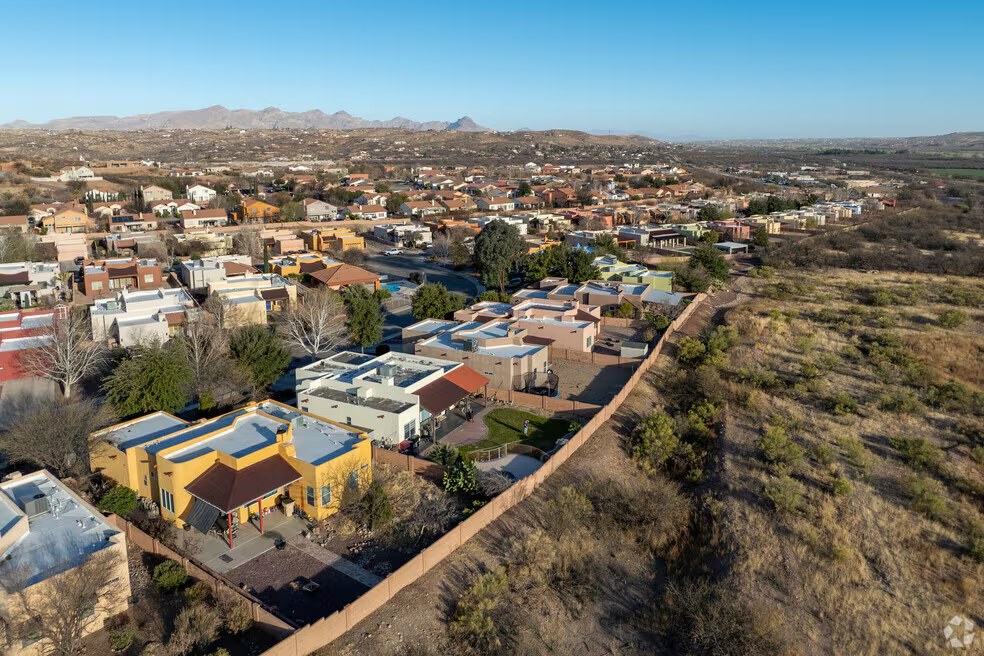
Rio Rico sits in the Santa Cruz River valley, where a single monsoon cell can drop more rain in 45 minutes than the community typically sees in some entire months. That kind of concentrated water, combined with desert soils that shed runoff instead of absorbing it, puts homes along Pendleton Drive, Rio Rico Drive, and the surrounding hillsides at real risk of interior water intrusion.
Restoration work here covers a connected set of services, and most property losses touch more than one:
- Water Damage Restoration - extraction, structural drying, dehumidification, and rebuild after broken pipes, roof leaks, or appliance failures
- Flooded Basement and below-grade recovery - pump-out and drying for basements, sunken rooms, and crawlspaces
- Sewage Cleanup - safe removal of Category 3 contamination from overflowing toilets, failed toilet valves, and septic backups
- Fire Damage Restoration - stabilization, debris removal, soot cleaning, and reconstruction
- Smoke Damage Restoration - odor neutralization, HVAC cleaning, and surface treatment after fire or nearby wildfire smoke
- Mold Removal - containment, remediation, and moisture-source correction
The benefit for Rio Rico property owners is straightforward: fast moisture control limits the spread of damage, protects framing and drywall, reduces microbial growth, and keeps a manageable loss from turning into a full gut-and-rebuild project.
Common Damage Restoration Issues in Rio Rico, Arizona
Local geography and building stock drive predictable damage patterns. Understanding them helps homeowners catch problems before materials are lost.
Leading Causes of Loss
- Roof leaks from storm damage - monsoon winds lift tiles and tear flashing, letting water into attics, insulation, and ceiling assemblies
- Broken pipes - shifting clay-heavy soil and older galvanized supply lines produce sudden ruptures under slabs and inside walls
- Frozen pipes - overnight lows in the valley dip below freezing in winter, and uninsulated exterior hose bibs, garage lines, and crawlspace plumbing split when they thaw
- Overflowing toilets and failed toilet valves - a stuck fill valve can release hundreds of gallons across tile, subfloor, and adjoining rooms
- Septic and sewer backups - many outlying Rio Rico properties rely on septic systems that surcharge during saturated ground conditions
- Flash flooding - washes and arroyos carry sediment-loaded water into garages, patios, and below-grade spaces
- Fire and smoke - brush fires, outdoor cooking, and electrical faults in older panels
Warning Signs Worth Acting On
- Brown or ringed ceiling stains that reappear after each storm
- Musty odor in closets, laundry rooms, or along shared plumbing walls
- Baseboards separating, tile grout darkening, or flooring cupping
- Unexplained jumps in water usage with no visible leak
- Soot film on window frames or persistent smoke odor when the HVAC runs
- Gurgling drains or slow-flushing toilets, often the first sign of a sewage backup
Neighborhoods We Serve in Rio Rico
Coverage spans the full length of the Rio Rico corridor and the surrounding Santa Cruz County communities, including hillside subdivisions and rural acreage properties on well and septic systems.
- Rio Rico Northeast and the Pendleton Drive corridor
- Rio Rico Northwest and neighborhoods off Camino Caralampi
- Rio Rico Southeast near Yavapai Drive and Circulo Diamante
- Rio Rico Southwest and properties along Camino Ramanote
- Peck Canyon and the Calabasas area
- Carmen, Tubac, and Amado to the north
- Nogales, Kino Springs, and Rio Rico Fairways to the south
- Tumacacori, Palo Parado, and rural parcels along the I-19 frontage roads
Because response routes follow I-19 and the frontage roads, crews reach both riverside properties and higher elevation lots quickly - an advantage when standing water needs extraction before it wicks into drywall.
Seasonal Damage Patterns in Rio Rico
Damage types shift with the calendar, and knowing the pattern helps with prevention timing.
- December through February: frozen pipe splits at hose bibs, garage walls, and crawlspaces after cold valley nights; heating-related fire and smoke incidents peak
- March through May: post-winter leak discovery, slab leaks revealed by warm-weather water use, and mold growth found behind walls that stayed damp all winter
- June: dry, hot, and windy - the highest brush fire and smoke damage risk of the year, with regional wildfire smoke infiltrating homes through HVAC systems
- July through mid-September: monsoon season brings roof leaks from storm damage, flash flooding, flooded basements and crawlspaces, and saturated ground that triggers septic and sewage backups
- Late September through October: mold removal calls surge as monsoon moisture trapped in wall cavities and attics becomes visible growth
- November: plumbing failures from aging supply lines, failed toilet valves, and the first cold snaps of the season
Scheduling roof inspections in May and plumbing checks in November addresses the two biggest seasonal spikes before they cause losses.
Housing Characteristics & Restoration Considerations
Rio Rico developed largely from the 1970s onward as a planned community, so the housing stock is a mix of decades and construction methods. Each type responds differently to water, fire, and microbial damage.
Common Construction Types
- Slab-on-grade stucco homes - the dominant style; water travels laterally under flooring and wicks up drywall, making early extraction and cavity drying essential
- Block and masonry construction - masonry absorbs and holds moisture, requiring extended dehumidification and sometimes controlled demolition of furring strips
- Manufactured and modular homes - vulnerable underbelly insulation traps water and hides mold growth for months
- Hillside homes with daylight basements or sunken living areas - the properties most likely to need flooded basement pump-out and drying
- Older ranch properties with crawlspaces - targeted crawlspace drying and antimicrobial treatment protect framing and reduce vapor migration into living space
Restoration Implications by Age
- Pre-1980 homes: possible asbestos-containing flooring or texture and lead paint, requiring testing before demolition; original galvanized plumbing is prone to rupture
- 1980s-1990s homes: aging water heaters, polybutylene remnants, and original toilet fill valves that fail without warning
- 2000s and newer: tighter building envelopes hold humidity longer, so mold removal after even minor leaks demands proper containment and moisture mapping
- All ages: flat and low-slope roof sections need close attention after monsoon wind events
Environmental Conditions & Damage Implications
Rio Rico's environment is a study in extremes - long arid stretches interrupted by violent, saturating storms. That swing shapes how damage develops and how restoration is performed.
Climate and Air
- Low baseline humidity for much of the year speeds drying but also causes wood and grout to shrink, opening pathways for water to travel
- Monsoon humidity can climb sharply, slowing evaporation and requiring more dehumidification capacity than a typical desert job
- Regional wildfire and agricultural burn smoke settles into HVAC systems and soft goods, driving smoke damage restoration needs even without a structure fire
- Elevation near 3,500 feet produces real freeze events that split exposed plumbing
Water, Soil, and Terrain
- Hard, mineral-rich water accelerates corrosion in supply lines, water heaters, and toilet valves
- Caliche and clay layers reject infiltration, sending runoff toward foundations and low-lying structures
- Proximity to the Santa Cruz River and its tributary washes raises flood exposure for riverside and low-terrace properties
- Septic drainfields saturate during heavy rain, backing sewage into fixtures and requiring full Category 3 cleanup protocols
How This Shapes the Work
- Moisture mapping across masonry and slab assemblies before any drying equipment is placed
- Higher-capacity dehumidification during humid monsoon weeks
- Containment and negative air for mold removal, since dust travels easily in dry interior air
- Sediment and silt removal after flood water, not just extraction
Monsoon Season Preparedness for Rio Rico Property Owners
Between early July and mid-September, Rio Rico absorbs the bulk of its annual rainfall in a handful of intense events. Storms arrive with 40 to 60 mph outflow winds ahead of the rain, which means roof damage often occurs minutes before the water that exploits it. Crews working this area year after year know which subdivisions flood first, which washes overtop their banks, and which hillside streets funnel sheet flow toward garage doors.
Before the Storms Arrive
- Have the roof inspected in May or June - check tile, flashing, valleys, and any low-slope sections
- Clear gutters, scuppers, and downspout extensions so water discharges well away from the foundation
- Regrade soil that has settled against exterior walls and reopen blocked drainage swales
- Test sump pumps and battery backups in homes with basements or sunken rooms
- Replace toilet fill valves and supply hoses older than five years
- Photograph rooms and major contents for documentation purposes
- Service the HVAC condensate drain line and secondary pan before peak cooling load
During and Immediately After an Event
- Shut off power to flooded areas before entering
- Treat any water that has contacted a septic system or sewer line as contaminated and stay out of it
- Move furniture off wet flooring and place foil or blocks under legs to prevent staining
- Start air movement only after standing water has been extracted, never before
- Keep damaged materials for documentation until they have been recorded
Why Local Knowledge Matters
A restoration team familiar with Santa Cruz County understands septic-heavy service areas, the drying behavior of block construction, and the timing of the post-monsoon mold surge. That local context shortens the path from arrival to a dry, sanitized, rebuildable structure - and keeps a wet ceiling from becoming a whole-house remediation project.





