
Damage Restoration in Old Town, ME
- Damage Restoration Services Overview
- Common Damage Restoration Issues in Old Town, Maine
- Neighborhoods We Serve in Old Town
- Seasonal Damage Patterns in Old Town
- Seasonal Damage Patterns in Old Town
- Housing Characteristics & Restoration Considerations
- Environmental Conditions & Damage Implications
- Emergency Response Standards and the Old Town Restoration Process
Damage Restoration Services Overview
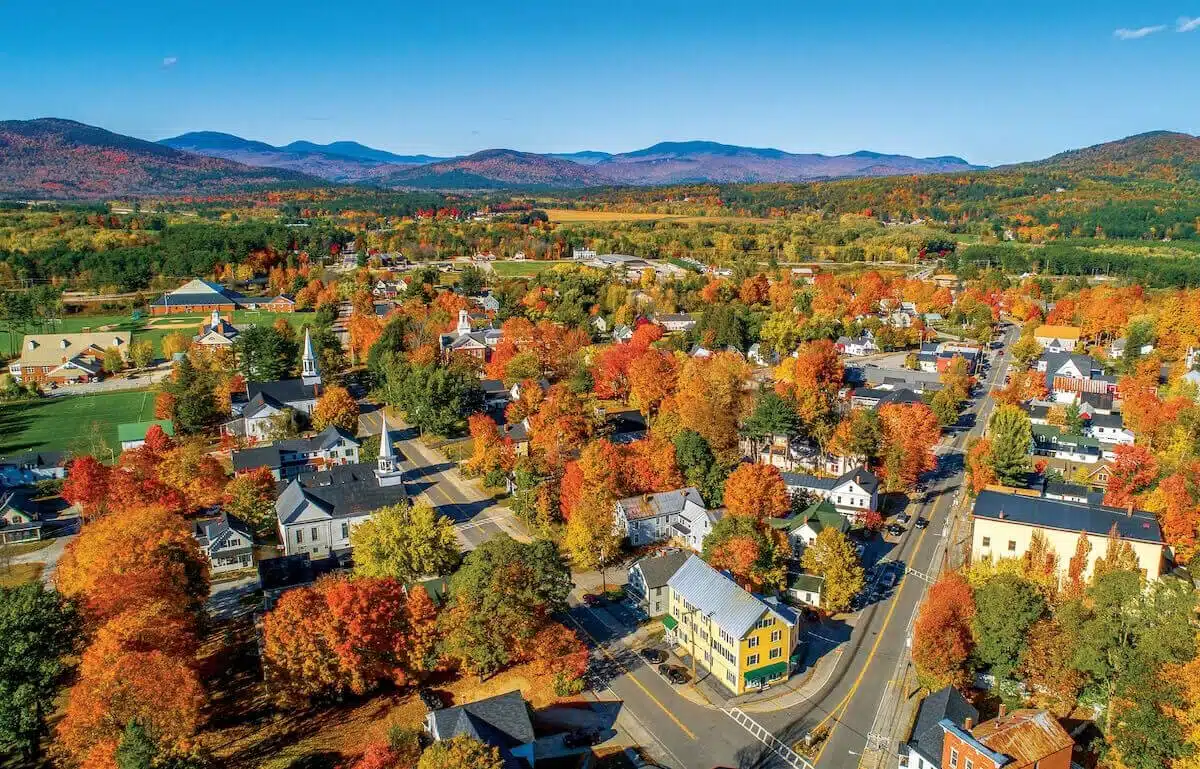
Coming home to standing water in the basement, a smoke-filled kitchen, or the musty smell of hidden mold shakes anyone. In Old Town, where the Penobscot River shapes the weather and the winters test every foundation, property damage rarely waits for a convenient moment.
Help is available around the clock. For water damage restoration, mold remediation, fire cleanup, or professional cleaning in Old Town, call (207) 989-4697. Same-day routing to a vetted local flood damage restoration partner is also available at (360) 837-5163.
Services covered across Old Town properties include:
- Water Damage Restoration - extraction, structural drying, moisture mapping and monitoring
- Flooded Basement Recovery - pump-out, sump system support, content removal, dehumidification
- Sewage Cleanup - Category 3 water handling, antimicrobial treatment, safe disposal of porous materials
- Fire Damage Restoration - board-up, debris removal, structural cleaning, rebuild coordination
- Smoke Damage Restoration - soot removal, thermal fogging, HVAC decontamination, odor neutralization
- Mold Removal - containment, HEPA filtration, affected material removal, humidity correction
The benefit of one integrated team is simple: assessment through final reconstruction handled under a single point of contact, with IICRC-aligned methods at every stage.
Common Damage Restoration Issues in Old Town, Maine
Old Town sits along the Penobscot River in Penobscot County, and that river shapes much of the local damage picture. Spring runoff, ice jams, and heavy rain events push groundwater up against foundations that were poured decades ago.
Frequent Causes of Property Damage
- Frozen and burst pipes in uninsulated crawl spaces, mudrooms, and older ell additions
- Ice dams that force meltwater under shingles and into ceilings and wall cavities
- Hydrostatic pressure pushing water through fieldstone and block foundation walls
- Sump pump failure during power outages caused by nor'easters and wind events
- Sewer backups when municipal lines surcharge during heavy rain or snowmelt
- Heating-season fires from wood stoves, pellet stoves, chimneys, and space heaters
- Chronic humidity in basements feeding mold growth on framing and stored belongings
Warning Signs Worth Acting On
- Efflorescence or chalky white staining on basement walls
- Cupping or darkening hardwood on first-floor rooms above a damp cellar
- A persistent earthy odor that intensifies after rain
- Slow floor drains or gurgling fixtures - often the first hint of a sewer issue
- Yellow-brown ceiling rings appearing after cold snaps
- Lingering smoke odor that returns on humid days, indicating soot still trapped in porous materials
Small signals escalate quickly. Mold can establish within a day or two on wet drywall, and sewage contamination spreads bacteria far beyond the visible wet line.
Neighborhoods We Serve in Old Town
Response covers the full city footprint and the surrounding Penobscot River communities.
- Downtown Old Town - Main Street, Center Street, and the older mill-era housing stock
- Indian Island - Penobscot Nation homes and community buildings
- Stillwater - riverside properties and newer subdivisions
- Great Works and the mill district neighborhoods
- Pushaw Lake area - camps, year-round homes, and seasonal cottages
- French Island and the surrounding low-lying residential streets
Nearby coverage extends to Orono, Milford, Bradley, Alton, Argyle Township, Hudson, Glenburn, and the greater Bangor area. Crews familiar with local road access, seasonal camp roads, and municipal utility layouts reach most Old Town addresses quickly, which matters when standing water is still spreading through a structure.
Seasonal Damage Patterns in Old Town
Seasonal Damage Patterns in Old Town
Damage in central Maine follows a predictable rhythm. Knowing the pattern helps property owners prepare before the phone call becomes urgent.
- December through February - peak frozen pipe season. Fire and smoke damage also climb as wood stoves, pellet stoves, and chimneys run continuously.
- Late February through March - ice dam leaks appear as roof snow melts and refreezes at the eaves, staining ceilings and soaking insulation.
- March through May - snowmelt and Penobscot River rise drive the highest volume of flooded basements and sump pump failures. Sewage backups spike when systems surcharge.
- June through August - humidity climbs and mold growth accelerates in basements, crawl spaces, and closed-up seasonal camps. Thunderstorms bring wind-driven rain and occasional lightning-related fires.
- September through November - nor'easters and remnant tropical systems produce outages, roof leaks, and basement flooding. Heating systems fire up for the first time, releasing dust and occasionally causing puffbacks.
Off-season vacancy adds risk. Unheated camps around Pushaw Lake often hide weeks of water damage before anyone notices.
Housing Characteristics & Restoration Considerations
Old Town's housing reflects its mill heritage. A large share of homes were built before 1950, with pockets of turn-of-the-century construction near downtown and along the river.
Common Construction Types
- New England farmhouses and ells with multiple additions, mismatched framing, and varied floor levels
- Mill-era multifamily housing with shared walls, balloon framing, and interconnected stairwells
- Cape and ranch homes from the postwar decades with block or poured foundations
- Mobile and manufactured homes with skirted underbellies vulnerable to freezing and trapped moisture
- Seasonal camps on piers or shallow foundations with limited insulation
How Age Affects Restoration
- Plaster and lath holds moisture far longer than drywall and requires extended drying with targeted airflow
- Balloon framing allows fire, smoke, and water to travel vertically through open wall cavities
- Fieldstone and rubble foundations absorb groundwater and complicate basement drying
- Pre-1978 finishes may involve lead paint; pre-1980 materials may involve asbestos, both requiring careful handling before demolition
- Knob-and-tube or updated-in-stages wiring raises fire risk and affects safe power restoration
- Layered flooring - vinyl over linoleum over subfloor - traps moisture and often needs selective removal
Older homes are worth saving, and controlled drying preserves original trim, floors, and framing whenever moisture readings allow.
Environmental Conditions & Damage Implications
Central Maine's climate creates conditions that both cause damage and complicate its repair.
Climate and Moisture
- Heavy annual snowfall with repeated freeze-thaw cycles that stress foundations and roofs
- Summer dew points high enough to sustain mold growth in unconditioned basements
- Long shoulder seasons where outdoor air cannot be used effectively for drying, requiring closed-system dehumidification
- Sub-zero stretches that freeze supply lines in exterior walls and unheated spaces
Soil, Water, and Air Factors
- Glacial till and clay-heavy soils drain slowly, holding water against foundation walls after storms
- High seasonal water tables near the Penobscot and Stillwater rivers keep basements damp for weeks
- Radon-prone bedrock across Penobscot County means basement work should account for sub-slab conditions
- Well water on rural properties can be affected by flooding and sewage intrusion, warranting testing after an event
- Winter wood smoke contributes to indoor particulate loads and compounds odor issues after a fire
What This Means for Restoration Work
- Dehumidification runs longer here than in drier climates - moisture meters, not the calendar, determine completion
- Mold containment must be paired with humidity control, or growth returns
- Sewage and floodwater cleanup includes antimicrobial application and removal of contaminated porous materials
- Smoke odor treatment accounts for cold-weather air sealing that concentrates residues indoors
Emergency Response Standards and the Old Town Restoration Process
Speed matters, but method matters more. Work performed in Old Town follows guidelines set by the Institute of Inspection, Cleaning and Restoration Certification (IICRC), and technicians bring more than 30 years of combined industry experience to the region.
How a Typical Project Unfolds
- Call and dispatch - a same-day routing system connects the property owner with a vetted local partner and confirms access details
- Safety assessment - electrical hazards, structural stability, contamination category, and air quality are evaluated before entry
- Source control - the leak, backup, or intrusion point is stopped or isolated
- Documentation - moisture mapping, photos, and readings are recorded to support the insurance claim
- Extraction and removal - water is pumped out; unsalvageable porous materials are removed under containment when contamination is present
- Drying and treatment - air movers, dehumidifiers, HEPA filtration, and antimicrobial application work together, with daily monitoring
- Cleaning and deodorization - soot removal, HVAC cleaning, and odor neutralization for fire and smoke losses
- Clearance and rebuild - verification readings, then reconstruction of drywall, flooring, trim, and finishes
Why Integrated Restoration and Rebuild Helps
- One team from assessment through final reconstruction - no handoff gaps
- Consistent communication with the property owner and the insurance adjuster
- Documentation carried forward from mitigation into the repair phase
- Fewer scheduling delays between drying completion and rebuild start
What Old Town Property Owners Can Do First
- Shut off water at the main if a supply line has failed
- Stay out of flooded areas where electricity may still be live
- Avoid contact with sewage-affected water and keep pets and children away
- Do not run the HVAC system after a fire - it spreads soot
- Photograph conditions before moving anything
Fire, flood, mold, or storm damage all follow the same principle here: stabilize fast, dry thoroughly, verify with data, then rebuild.





