
Damage Restoration in Brewer, ME
- Damage Restoration Services Overview
- Common Damage Restoration Issues in Brewer, Maine
- Neighborhoods We Serve in Brewer
- Seasonal Damage Patterns in Brewer
- Housing Characteristics & Restoration Considerations
- Environmental Conditions & Damage Implications
- Basement Flooding and Sewage Backups Along the Penobscot
Damage Restoration Services Overview
When water pours through a ceiling or smoke settles into every surface of a Brewer home, the fastest path back to normal starts with a trained crew and a clear plan. Restoration work handled by certified technicians protects your property's structure, your belongings, and the air your family breathes.
Property owners across Brewer and the greater Bangor area rely on a full range of emergency and recovery services:
- Water Damage Restoration - extraction, structural drying, and moisture mapping after burst pipes, appliance failures, roof leaks, and sprinkler malfunctions
- Flooded Basement Cleanup - pump-out, content removal, dehumidification, and treatment of foundation walls and slabs
- Sewage Cleanup - containment, removal of contaminated materials, and antimicrobial treatment of Category 3 water losses
- Fire Damage Restoration - stabilization, debris removal, structural repair, and reconstruction
- Smoke Damage Restoration - soot removal, surface cleaning, HEPA air scrubbing, and deodorization
- Mold Removal - containment, safe remediation, and correction of the moisture source feeding growth
Every project follows IICRC guidelines, backed by more than 30 years of combined field experience. Because restoration and rebuild services come from one source, homeowners avoid the gaps in communication that occur when cleanup and reconstruction are split between separate contractors.
Common Damage Restoration Issues in Brewer, Maine
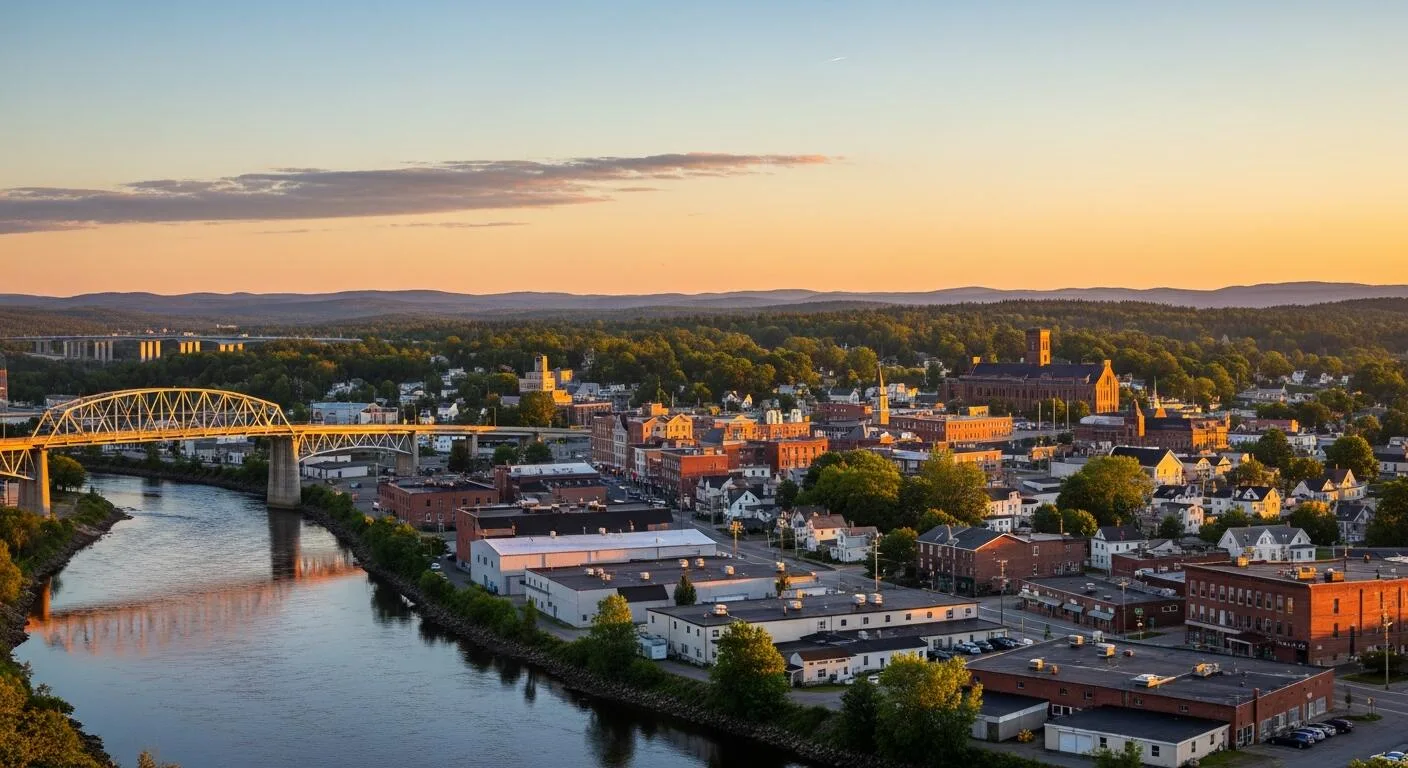
Brewer sits on the east bank of the Penobscot River, and that geography shapes the damage patterns technicians see year after year. Aging infrastructure, freeze-thaw cycles, and heavy seasonal precipitation combine to keep restoration crews busy in every season.
Frequent Causes of Damage
- Frozen and burst supply lines in unheated crawl spaces, garages, and exterior walls
- Groundwater intrusion through fieldstone and block foundations during spring melt
- Sump pump failures during extended power outages
- Sewer backups when combined lines and municipal mains surcharge during heavy rain
- Chimney, woodstove, and space heater fires during long heating seasons
- Kitchen grease fires that push smoke and soot through HVAC systems
- Roof ice dams that force meltwater under shingles and into ceilings
Warning Signs Worth Acting On
- Musty or earthy odors in basements, closets, or near baseboards
- Bubbling paint, stained drywall, or cupping hardwood floors
- Efflorescence - white powdery residue - on concrete foundation walls
- Sluggish floor drains or gurgling from basement plumbing fixtures
- A lingering campfire smell weeks after a small fire, indicating soot in ductwork
- Recurring allergy symptoms that ease when occupants leave the house
Small problems rarely stay small here. Untreated water leads to wood rot and mold colonization within days, and acidic soot residue etches metal, glass, and finished surfaces if cleaning is delayed.
Neighborhoods We Serve in Brewer
Crews respond throughout Brewer and the surrounding Penobscot River communities, covering older riverfront housing stock as well as newer subdivisions on the eastern hillsides.
- South Brewer - older mill-era homes with stone foundations and basement moisture concerns
- North Brewer - established residential streets near Wilson Street and the North Main corridor
- Brewer Lake area and outlying rural properties - well and septic systems, seasonal camps
- Eastern Avenue and Parkway South corridors - mixed residential and commercial buildings
- Whiting Hill and surrounding subdivisions - newer slab and full-basement construction
Service extends to neighboring Bangor, Orrington, Holden, Eddington, Veazie, Hampden, Orono, and Old Town, along with communities throughout eastern and central Maine. Technicians and equipment are staged regionally so response times stay short when multiple properties are affected by the same storm or freeze event.
Seasonal Damage Patterns in Brewer
Winter (December - March)
- Frozen pipe breaks during deep cold snaps and extended absences
- Ice dams pushing water into attics, ceilings, and exterior wall cavities
- Heating-related fires from woodstoves, chimneys, and portable heaters
- Smoke and soot damage spread by closed-up, recirculating air systems
Spring (April - June)
- Snowmelt and saturated soils driving flooded basements
- Sump pump overload and sewage backups during rain-on-snow events
- First mold blooms appearing where winter leaks went unnoticed
Summer (July - September)
- High humidity fueling mold growth in basements and crawl spaces
- Thunderstorm and tropical remnant damage - roof breaches and water intrusion
- Air conditioning condensate line failures and appliance supply hose ruptures
Fall (October - November)
- Nor'easters bringing wind-driven rain and power outages
- Clogged gutters directing roof runoff against foundations
- Chimney and furnace startup fires as heating systems return to service
Emergency service is available around the clock year-round, because these losses rarely wait for business hours.
Housing Characteristics & Restoration Considerations
Brewer's housing stock spans more than a century, and the age and construction method of a home directly shape how restoration is performed.
Older Homes (pre-1950)
- Fieldstone, rubble, or early block foundations that wick groundwater and complicate basement drying
- Plaster-and-lath walls that hold moisture far longer than drywall and require specialized drying methods
- Balloon framing that lets smoke, soot, and odor travel vertically between floors
- Potential asbestos or lead-containing materials requiring careful handling during demolition
- Cast iron and clay sewer laterals prone to cracking and backups
Mid-Century and Modern Homes
- Full poured basements often finished as living space - carpet, paneling, and studwall insulation trap water
- Slab-on-grade construction where moisture migrates laterally beneath flooring
- Tighter building envelopes and spray foam that slow natural drying and raise indoor humidity
- Forced hot air ductwork that distributes smoke residue and mold spores throughout the home
How This Changes the Work
- Moisture meters and thermal imaging locate hidden water inside wall cavities and under floors
- Drying plans are built around the actual materials present, not a one-size template
- Contaminated porous materials are removed under containment during sewage and mold projects
- Reconstruction matches original trim profiles, flooring, and finishes wherever possible
Environmental Conditions & Damage Implications
Local climate and ground conditions explain why certain losses repeat in Brewer properties.
Climate Factors
- Roughly 40+ inches of annual precipitation plus heavy seasonal snowfall
- Sustained subfreezing stretches that drive repeated freeze-thaw cycling on foundations and pipes
- Humid summers with dew points that keep basement relative humidity above mold growth thresholds
- Coastal storm influence from the Gulf of Maine bringing wind-driven rain and surge-driven river levels
Soil, Water, and Air
- Glacial till and marine clay soils that drain slowly and hold hydrostatic pressure against basement walls
- Proximity to the Penobscot River, raising water tables in low-lying and riverfront lots
- Well water and private septic systems in outlying areas, where failures create Category 3 contamination
- Long heating seasons that concentrate combustion byproducts and smoke odor in closed interiors
What It Means for Restoration
- Dehumidification and air movement are calculated for the actual load, not guessed at
- HEPA air scrubbers run during mold, sewage, and smoke work to protect indoor air quality
- Antimicrobial application follows removal of contaminated materials, never in place of it
- Drainage, grading, and sump discharge are reviewed so the same basement does not flood again
- Post-remediation verification confirms materials reached dry standard before rebuild begins
Basement Flooding and Sewage Backups Along the Penobscot
Basements take the hardest hit in Brewer. Spring runoff from the Penobscot watershed, tight clay soils, and older subsurface plumbing combine to make lower levels the most frequently restored space in local homes - and the one where the difference between clean water and contaminated water matters most.
Understanding Water Categories
- Clean water - supply line breaks and water heater failures; salvageable if dried quickly
- Gray water - washing machine, dishwasher, and sump overflow; requires cleaning and sanitizing
- Black water - sewage backups, septic failures, and river or groundwater intrusion; demands full containment and removal of affected porous materials
The Response Process
- Emergency call taken and a crew dispatched with extraction and containment equipment
- Power, gas, and structural safety verified before entry
- Standing water pumped out and contaminated contents documented and removed
- Containment barriers and negative air machines set to protect upper floors
- Affected drywall, insulation, carpet, and pad cut back to dry, sound material
- Surfaces cleaned, disinfected, and treated with antimicrobial products
- Air movers and commercial dehumidifiers set, with daily moisture readings logged
- Post-drying verification, then reconstruction of walls, flooring, and finishes
Reducing the Odds of a Repeat
- Install a backwater valve on the sewer lateral
- Add a battery backup or water-powered sump pump for outage protection
- Extend downspouts well away from the foundation and regrade low spots
- Keep stored belongings on shelving rather than directly on the slab
- Run a dehumidifier through Maine's humid summer months
Documentation is captured throughout for insurance purposes, and because cleanup and rebuild are handled by the same team, the finished basement comes back without a handoff between contractors.





