
Damage Restoration in Bangor, ME
- Damage Restoration Services Overview
- Common Damage Restoration Issues in Bangor, Maine
- Neighborhoods We Serve in Bangor
- Seasonal Damage Patterns in Bangor
- Housing Characteristics & Restoration Considerations
- Environmental Conditions & Damage Implications
- Emergency Response and the First 48 Hours in Bangor
Damage Restoration Services Overview
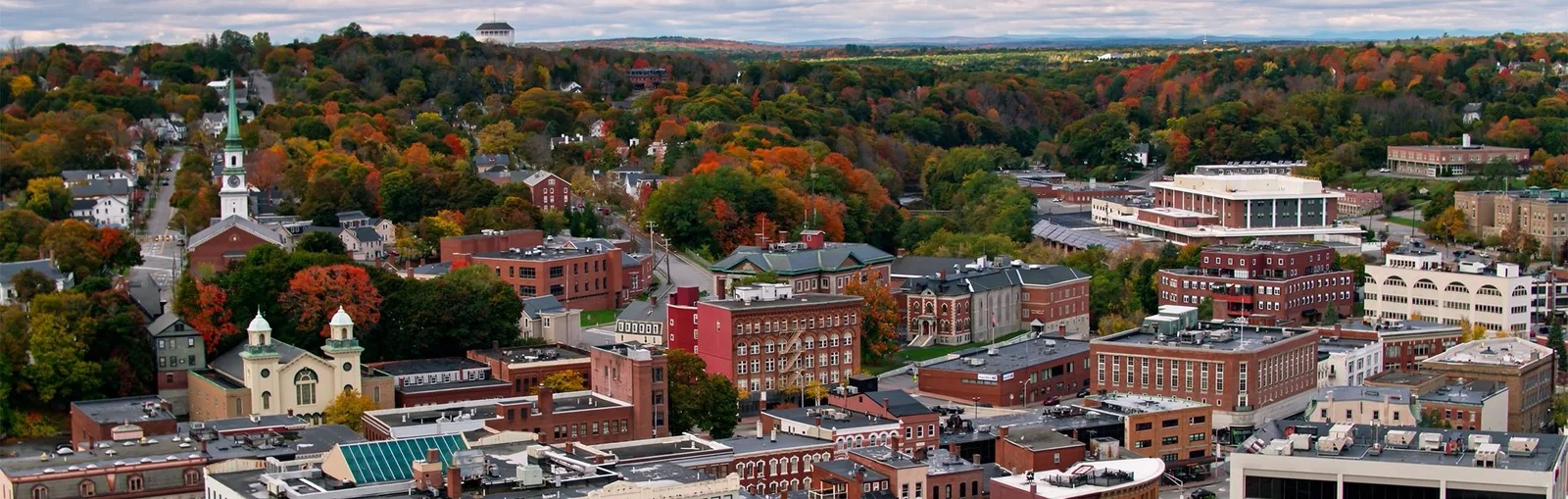
Bangor sits along the Penobscot River and averages roughly 90 inches of snow each winter - a figure that translates directly into spring melt, saturated soil, and basements that take on water year after year. Add freeze-thaw cycles that split copper supply lines and heating seasons that run from October into May, and property damage becomes less a question of "if" than "when."
Restoration work in this part of Penobscot County covers a wide span of emergencies, and most properties eventually need more than one type of help:
- Water Damage Restoration - burst pipes, roof leaks, appliance failures, and storm intrusion
- Flooded Basement Cleanup - groundwater overflow, sump pump failure, and foundation seepage
- Sewage Cleanup - backed-up floor drains, septic failures, and contaminated Category 3 water
- Fire Damage Restoration - structural stabilization, char removal, and content recovery
- Smoke Damage Restoration - soot residue, odor neutralization, and HEPA air scrubbing
- Mold Removal - containment, remediation, and moisture source correction
The benefit of moving quickly is straightforward: untreated moisture invites mold growth, wood rot, and lingering odor within days. Fast extraction, controlled drying, and documented remediation protect both the structure and its value.
Common Damage Restoration Issues in Bangor, Maine
Bangor's building stock, climate, and terrain create a predictable set of problems that restoration crews see repeatedly across the year.
What Causes Most Damage Locally
- Frozen and burst pipes - unheated crawl spaces, exterior walls, and seasonal camps around the region are frequent failure points
- Ice damming - snow melts over warm attic space, refreezes at the eaves, and pushes water back under shingles into ceilings
- Spring snowmelt and river-influenced groundwater - hydrostatic pressure forces water through foundation cracks
- Sump pump and sewer backups - older municipal and private lines surcharge during heavy rain events
- Heating-season fires - wood stoves, pellet stoves, chimney creosote, and space heaters
- Malfunctioning sprinkler systems in commercial buildings downtown and along the Broadway and Stillwater corridors
Warning Signs Worth Acting On
- Musty or earthy odor in a basement, closet, or under a stairwell
- Staining or bubbling paint on ceilings below the attic line
- Efflorescence - white powdery deposits - on foundation walls
- Cupping or darkening hardwood near dishwashers, refrigerators, and radiators
- Soot filming on window glass, lampshades, or the tops of door casings after a small fire
- Gurgling floor drains or slow fixtures, often the first sign of a sewage backup building
Any one of these signals that moisture or residue is already moving through materials that will not dry on their own.
Neighborhoods We Serve in Bangor
Response covers the full city and the surrounding communities of eastern and central Maine, including:
- Downtown Bangor and the Waterfront - historic brick commercial blocks with below-grade storage
- Whitney Park and the Broadway Historic District - older single-family homes with stone and rubble foundations
- Little City and the Tree Streets - dense residential blocks with shared drainage
- Capehart - post-war housing with slab and shallow-crawl construction
- Fairmount, Bangor Gardens, and Essex Street area
- Stillwater Avenue corridor - apartments, condos, and retail
Service also extends to Brewer, Orono, Old Town, Veazie, Hampden, Hermon, Holden, Glenburn, Milford, and the smaller towns along Routes 2 and 9. Rural properties on private wells and septic systems get the same containment and drying protocols as in-town addresses.
Seasonal Damage Patterns in Bangor
- December through February - peak season for frozen and burst pipes, ice dam leaks, and heating-related fire and smoke damage. Sub-zero snaps are the trigger.
- March and April - snowmelt combined with rain drives flooded basements, groundwater overflow, and sump pump failures. Sewer and septic systems surcharge during rapid thaws.
- May and June - hidden winter water damage surfaces as warming temperatures activate mold growth in wall cavities and crawl spaces.
- July and August - humidity above 70 percent feeds mold in basements and unconditioned attics. Thunderstorms bring roof damage and wind-driven rain intrusion.
- September and October - remnants of coastal storms deliver heavy rainfall and power outages, which disable sump pumps and cause secondary flooding.
- November - the first hard freeze catches unwinterized hose bibs, camps, and vacant properties. Chimney and wood stove season begins, raising fire and smoke risk.
Housing Characteristics & Restoration Considerations
Bangor's median home was built decades ago, and a large share of the housing stock predates 1960. That age shapes nearly every restoration decision.
Construction Types and Their Vulnerabilities
- Pre-1940 wood-frame homes - balloon framing allows water and smoke to travel vertically between floors through open stud bays, so moisture mapping has to extend well beyond the visible damage.
- Fieldstone and rubble foundations - porous and prone to seepage; drying requires dehumidification rather than surface extraction alone.
- Plaster and lath walls - hold moisture longer than drywall and often need controlled drying to avoid unnecessary demolition.
- Post-war ranches and capes - low crawl spaces and shallow basements where standing water contacts joists and subfloor directly.
- Converted multi-family properties - shared plumbing stacks mean one failure affects several units, and sewage backups spread across tenant spaces.
- Downtown brick commercial buildings - masonry absorbs smoke odor deeply and requires specialized cleaning and deodorization.
How Age Affects the Work
- Older insulation, flooring adhesives, and joint compound may require testing before demolition
- Knob-and-tube or aging wiring adds hazard assessment to fire and water jobs
- Finished basements built over untreated concrete trap moisture behind paneling, a common source of hidden mold
- Original hardwood and trim often justify restorative drying and content cleaning rather than replacement
Environmental Conditions & Damage Implications
The physical setting around Bangor influences how fast damage spreads and how drying has to be managed.
Climate Factors
- Roughly 45 inches of annual precipitation spread across rain and heavy snowfall
- Winter lows regularly below zero, producing repeated freeze-thaw cycles that stress plumbing and foundations
- Summer dew points that push indoor relative humidity past the 60 percent threshold where mold activates
- Short shoulder seasons, meaning buildings swing quickly between heating and cooling loads
Soil, Water, and Air
- Glacial till and marine clay soils drain slowly, holding water against foundation walls after storms and snowmelt
- Penobscot River proximity raises the water table in low-lying neighborhoods, increasing hydrostatic pressure on basement slabs
- Private wells and septic systems in outlying towns mean sewage cleanup often involves saturated leach fields and biological contamination requiring antimicrobial treatment
- Tight, weatherized homes built for cold winters limit natural air exchange, so smoke odor and mold spores linger without HEPA air scrubbing and negative-pressure containment
- Wood heat is common regionally, contributing creosote buildup and protein-based soot residues that need targeted cleaning agents
Each of these conditions changes equipment placement, dehumidification targets, and how long structural drying realistically takes.
Emergency Response and the First 48 Hours in Bangor
Pipes burst and bad weather arrives when nobody is ready for it - usually overnight, often on a holiday weekend. That is why 24-hour emergency response matters more here than in milder climates: a January line break can drop hundreds of gallons into a finished basement before morning, and freezing temperatures slow evaporation to a crawl.
What a Structured Response Looks Like
- Emergency contact and dispatch - crews gather details on the source, affected levels, and utility status before arrival.
- Assessment and safety check - electrical hazards, structural weakening after fire, and contamination category for sewage are identified first.
- Water extraction and source control - truck-mounted and portable units remove standing water; damaged materials are stopped from wicking further.
- Containment - plastic barriers and negative air machines isolate mold or sewage-affected zones from clean areas.
- Drying and dehumidification - air movers and low-grain refrigerant dehumidifiers run with daily moisture readings logged.
- Cleaning and deodorization - soot removal, antimicrobial application, HEPA air scrubbing, and document drying for salvageable paperwork.
- Repair and reconstruction - drywall, flooring, trim, and painting to return the property to pre-loss condition.
Steps Property Owners Can Take Immediately
- Shut off the water main or the affected fixture valve
- Cut power to wet areas only if the panel can be reached safely and dryly
- Stay out of any space with suspected sewage - contact carries real health risk
- Photograph damage from multiple angles before anything is moved
- Lift furniture legs onto blocks or foil to prevent staining on carpet
- Leave soot alone; wiping smoke residue drives it deeper into porous surfaces
- Do not run the HVAC system after a fire, which spreads soot through ductwork
Documentation matters throughout. Moisture logs, photo records, and material inventories support the insurance process and keep the scope of work defensible from start to finish.





