Damage Restoration in Pennington County, SD
- Damage Restoration Services Overview
- Common Damage Restoration Issues in Pennington County, South Dakota
- Neighborhoods We Serve in Pennington County
- Seasonal Damage Patterns in Pennington County
- Housing Characteristics & Restoration Considerations
- Environmental Conditions & Damage Implications
- Storm Response and the First 48 Hours After a Loss in Pennington County
Damage Restoration Services Overview
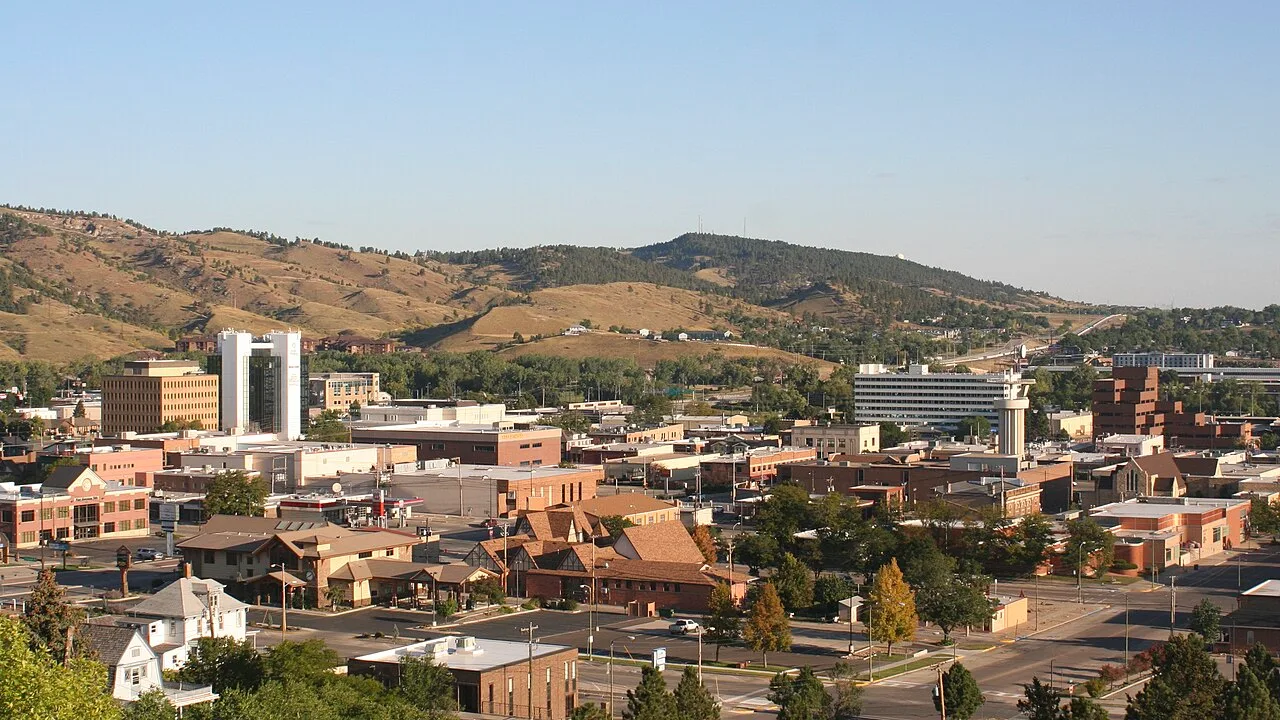
Damage rarely stays put. A slow supply-line leak behind a Rapid City kitchen wall can quietly rot framing for months, and smoke residues left on painted surfaces after a small kitchen fire keep etching finishes long after the flames are out. Delay turns a contained loss into a structural, health, and insurance problem.
Property owners across Pennington County rely on a connected set of restoration services rather than one-off repairs:
- Water Damage Restoration - extraction, structural drying, and moisture mapping after burst pipes, appliance failures, ice dams, and roof leaks.
- Flooded Basement - pump-outs, contents handling, and drying of below-grade rooms affected by groundwater, sump pump failure, or storm runoff.
- Sewage Cleanup - removal of contaminated materials, antimicrobial treatment, and disinfection after backups and septic overflows.
- Fire Damage Restoration - stabilization, debris removal, soot cleaning, and rebuilding of damaged assemblies.
- Smoke Damage Restoration - residue removal from HVAC systems, contents, and porous surfaces, plus odor neutralization.
- Mold Removal - containment, controlled removal, and correction of the moisture source that fed the growth.
The shared benefit is simple: faster stabilization means fewer materials thrown away, better documentation for a claim, and a home that stays healthy through South Dakota's hard freeze-thaw cycles.
Common Damage Restoration Issues in Pennington County, South Dakota
The county spans two very different worlds - the pine-covered Black Hills on the west and open prairie sloping east toward Wall and Quinn. Both create their own restoration headaches.
Local Causes of Loss
- Severe convective storms and tornadoes - Pennington County has recorded roughly 52 tornado events, including three EF1 touchdowns in a single evening on July 4, 2019, and an EF2 in June 2016. Wind-opened roofs lead directly to water intrusion.
- Rapid Creek and flash flood corridors - steep Black Hills drainages shed water fast, pushing runoff into low-lying garages, crawlspaces, and finished basements.
- Deep frost and burst pipes - unheated crawlspaces, garage-wall plumbing, and vacant cabins near Hill City and Keystone are frequent January failures.
- Sanitary and septic backups - saturated ground and aging laterals push sewage into floor drains, especially in older Rapid City neighborhoods.
- Wood stove, chimney, and wildfire smoke - heating-season fires and drifting smoke from Black Hills timber fires leave residues throughout duct systems.
Warning Signs Worth Acting On
- Efflorescence, chalky white staining, or damp corners on basement block walls
- Cupping hardwood, soft baseboards, or tack strips that lift away
- Musty odor that strengthens when the furnace or AC runs
- Gurgling floor drains or slow-draining fixtures during heavy rain
- Yellowed ceilings, sticky film on windows, or odor that returns on humid days after a fire
Neighborhoods We Serve in Pennington County
Coverage extends across the county's urban core, Black Hills communities, and prairie towns:
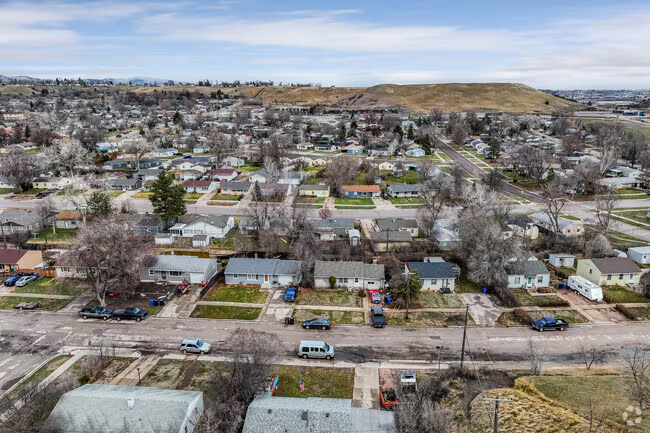
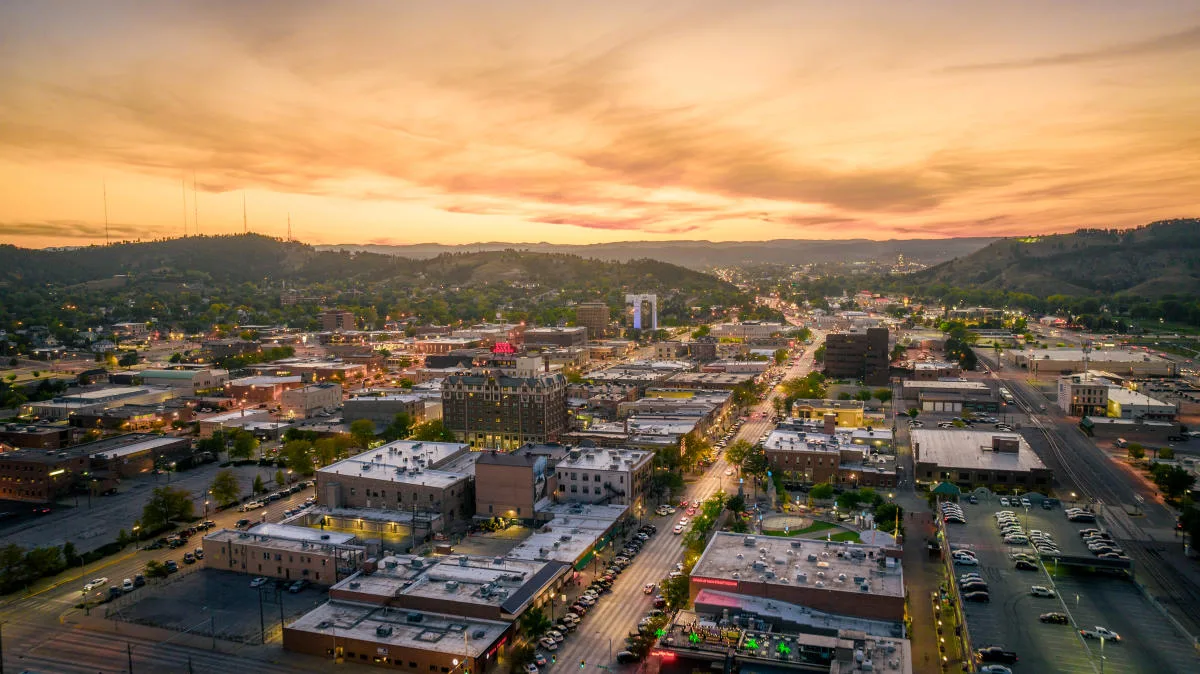
- Rapid City - West Boulevard Historic District, North Rapid, South Canyon, Robbinsdale, Chapel Valley, Skyline, and the downtown business corridor
- Rapid Valley and Box Elder - including neighborhoods serving Ellsworth Air Force Base families
- Black Hawk, Piedmont fringe, and Summerset-adjacent subdivisions
- Hill City, Keystone, Rockerville, and Silver City - cabins, lodging properties, and seasonal homes
- New Underwood, Wall, Wasta, Quinn, and Owanka - prairie acreages and ranch properties
- Johnson Siding, Nemo, and Rapid Creek canyon corridors
Crews also respond throughout western and central South Dakota, with additional teams available when a storm or large commercial loss outpaces a single crew.
Seasonal Damage Patterns in Pennington County
- January - February: Peak frozen and burst pipe season. Ice dams on north-facing roofs push meltwater into wall cavities. Chimney and space-heater fires spike, bringing smoke damage calls.
- March - April: Heavy wet spring snow followed by rapid melt saturates gumbo clay soils. Flooded basements, sump pump burnouts, and sewage backups climb sharply.
- May - July: Severe storm season. Hail, straight-line wind, and tornadoes - historically clustered from late May through early July - open roofs and windows, producing storm-driven water damage.
- August - September: Warm, humid interiors plus lingering spring moisture produce visible mold growth in basements and crawlspaces. Wildfire smoke can infiltrate homes across the Hills.
- October - December: First hard freezes catch unwinterized hose bibs and vacant cabins. Heating systems restart, circulating dust, soot, and odor from summer-dormant equipment.
Scheduling gutter checks, sump pump tests, and dryer vent cleaning ahead of each shift keeps small seasonal issues from becoming emergency losses.
Housing Characteristics & Restoration Considerations
Housing stock here spans more than a century, and construction era drives the restoration approach.
- Pre-1940 homes - West Boulevard and older downtown Rapid City blocks feature plaster-on-lath, balloon framing, and stone or brick foundations. Plaster holds water in ways drywall does not, and balloon-framed cavities let smoke and fire travel vertically between floors.
- 1950s - 1970s ranch homes - concrete block or poured basements, often later finished with paneling and carpet. These finishes trap moisture against foundation walls and are common mold removal projects.
- 1980s - 2000s subdivisions - Rapid Valley, Box Elder, and Black Hawk homes with walkout basements, wood-frame construction, and attached garages where plumbing lines freeze.
- Modern tight-envelope builds - excellent efficiency, but reduced air exchange means smoke odor and humidity linger without mechanical intervention.
- Black Hills cabins and log structures - porous log walls absorb smoke residue and require specialized cleaning, and seasonal vacancy delays leak discovery.
- Manufactured and modular homes - belly-board insulation holds water beneath the floor and typically must be opened to dry properly.
Materials matter too. Older properties may contain asbestos-bearing floor tile, mastic, or textured ceilings, and lead-based paint - both require testing before demolition. Documenting these conditions early protects occupants and keeps insurance documentation clean.
Environmental Conditions & Damage Implications
Pennington County's semi-arid climate misleads people into thinking moisture problems are rare. The pattern of intense, short-duration precipitation is exactly what causes trouble.
- Expansive clay soils - prairie gumbo swells when wet and shrinks when dry, stressing foundation walls and opening cracks that admit groundwater into basements.
- Rocky Black Hills terrain - thin soils over limestone and granite shed water quickly toward structures rather than absorbing it, overwhelming perimeter drains.
- Wide temperature swings - chinook winds can shift temperatures dramatically within hours, driving repeated freeze-thaw damage to roofing, mortar, and exterior plumbing.
- Low ambient humidity - helps drying, but also causes soot to bond tightly to dry surfaces and sends fine ash deep into duct systems.
- Hard, mineral-rich water - scale buildup shortens water heater and supply-line life, a frequent source of sudden interior flooding.
- Wildfire and dust events - Black Hills fire seasons and prairie dust push particulates indoors, complicating post-fire air quality work.
- Radon-prone geology - basement work should account for existing mitigation systems so containment and negative air do not disrupt them.
Each condition shapes the drying plan, whether that means dehumidification targets, containment placement, or the decision to remove versus clean a material.
Storm Response and the First 48 Hours After a Loss in Pennington County
When a squall line rolls off the Hills or a sewer line backs up during spring melt, what happens in the first two days determines how much of the home survives. Crews certified through the IICRC follow a repeatable sequence rather than improvising.
What a Structured Response Looks Like
- Safety and stabilization - power and gas checks, structural assessment, board-up or roof tarping after wind and hail events.
- Water category identification - clean supply water, gray water from appliances, and black water from sewage each require different handling and disposal.
- Extraction and bulk removal - truck-mounted or portable extraction, plus removal of saturated carpet pad, insulation, and unsalvageable contents.
- Moisture mapping and documentation - meters and thermal imaging locate hidden water inside wall cavities and under flooring, with readings logged daily for the insurer.
- Controlled drying - air movers and dehumidifiers placed to meet drying goals, with containment where mold or contamination is suspected.
- Cleaning and deodorization - soot removal, HVAC cleaning, antimicrobial application, and odor treatment appropriate to the affected materials.
- Reconstruction - drywall, flooring, trim, and paint to return the space to pre-loss condition.
What Property Owners Can Do Before Crews Arrive
- Shut off water at the main valve if a supply line failed
- Photograph everything before moving items, including standing water depth
- Keep people and pets away from any sewage-affected area
- Avoid running the HVAC system after a fire so soot is not redistributed
- Lift furniture legs onto foil or blocks to prevent stain transfer
- Keep receipts for temporary lodging and emergency supplies for the claim file
For Rapid City homeowners, Ellsworth-area renters, ranch families near Wall, and lodging operators in Hill City and Keystone alike, a coordinated response across water, sewage, fire, smoke, and mold work keeps a bad day from becoming a bad year.