
Damage Restoration in Rapid Valley, SD
- Damage Restoration Services Overview
- Common Damage Restoration Issues in Rapid Valley, South Dakota
- Neighborhoods We Serve in Rapid Valley
- Seasonal Damage Patterns in Rapid Valley
- Housing Characteristics & Restoration Considerations
- Environmental Conditions & Damage Implications
- Storm Season Response and Insurance Documentation in Rapid Valley
Damage Restoration Services Overview
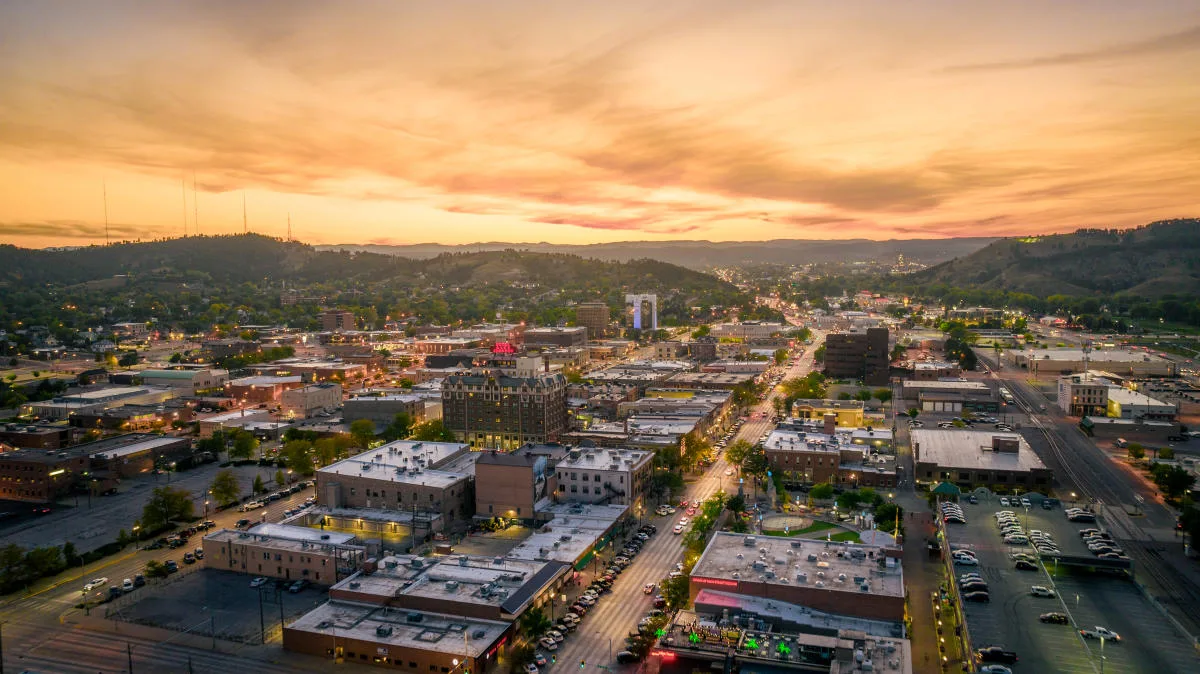
Rapid Valley sits east of Rapid City along the Rapid Creek corridor, where prairie runoff, Black Hills snowmelt, and fast-moving summer storms meet a mix of older ranch homes, manufactured housing, and newer subdivisions. That combination creates restoration challenges you won't find in other parts of South Dakota - saturated clay soils pressing against basement walls one week, wind-driven storm damage the next.
Property owners here rely on a full range of recovery services, each addressing a different phase of loss:
- Water Damage Restoration - extraction, structural drying, moisture mapping, and humidity control after pipe breaks, appliance failures, and roof leaks
- Flooded Basement - pump-out, contents handling, subfloor drying, and treatment of below-grade framing and insulation
- Sewage Cleanup - containment and removal of contaminated material after backups, followed by antimicrobial treatment of affected surfaces
- Fire Damage Restoration - board-up, debris removal, soot cleaning, and coordinated reconstruction planning
- Smoke Damage Restoration - odor neutralization, HVAC cleaning, and treatment of textiles and porous finishes
- Mold Removal - containment, controlled removal, and correction of the moisture source behind the growth
The benefit of addressing these together is continuity. One team documents the loss, dries the structure, and prevents the secondary problems - warped flooring, delaminated drywall, hidden colony growth - that turn a manageable event into a major rebuild.
Common Damage Restoration Issues in Rapid Valley, South Dakota
Local geography drives most losses in this community. Rapid Creek runs nearby, groundwater sits close to the surface in low-lying pockets, and the area's expansive clay soils swell and shrink with each wet-dry cycle.
Frequent Causes of Loss
- Heavy rain over already saturated ground, pushing water through foundation cracks and window wells
- Frozen and burst supply lines during deep cold snaps, especially in crawlspaces and unheated garages
- Sump pump failure or power loss during the same storms that create the need for pumping
- Municipal or lateral sewer backups sending contaminated water into finished basements
- Aging water heaters, washing machine hoses, and dishwasher supply lines letting go without warning
- Kitchen fires, wood stove and fireplace incidents, and electrical faults in older wiring
- Wildfire and grassland smoke drifting in from the Black Hills, leaving residue in ductwork and on soft goods
Warning Signs Worth Acting On
- Musty odors in basements or near baseboards, particularly after a thaw
- Efflorescence, chalky white staining, or dark tide lines on foundation walls
- Flooring that cups, buckles, or feels spongy underfoot
- Drains that gurgle or drain slowly across multiple fixtures at once
- Persistent smoke odor that returns when the furnace or AC cycles on
- Peeling paint, condensation on windows, or visible growth behind stored boxes
Catching any of these early usually means drying rather than demolition.
Neighborhoods We Serve in Rapid Valley
Coverage extends across Rapid Valley and the surrounding Pennington County communities, including:
- Central Rapid Valley along East Highway 44 and Radar Hill Road
- The Reservoir Road and Country Road corridors
- Neighborhoods bordering Rapid Creek and the floodplain edge
- Manufactured home communities throughout the valley
- Newer residential developments north toward Elk Vale Road
- Box Elder and the Ellsworth Air Force Base area
- East Rapid City, Fountain Springs, and Chapel Valley
- Green Valley, Colonial Pine Hills, and Rockerville to the southwest
- Summerset, Piedmont, Black Hawk, and Sturgis to the north
- Hermosa, Caputa, and the surrounding rural acreages
Rural properties on private wells and septic systems receive the same response as in-town homes, with attention paid to the added contamination risks septic backups bring.
Seasonal Damage Patterns in Rapid Valley
Winter (December - February)
- Frozen and split pipes during subzero stretches and wind chill events
- Ice damming on north-facing roof slopes, causing ceiling and wall staining
- Heating-related fires from space heaters, wood stoves, and chimney buildup
- Smoke damage confined indoors by sealed-up winter homes
Spring (March - May)
- Snowmelt from the Black Hills raising creek levels and groundwater
- Flooded basements as frozen ground sheds runoff toward foundations
- Sump pump overload and sewer surcharging during rapid thaws
- First mold growth of the year appearing in damp crawlspaces
Summer (June - August)
- Severe thunderstorms, hail, and wind - the same storm season that keeps Rapid City hail repair shops booked solid also drives roof leaks and water intrusion
- Flash flooding from intense short-duration downpours
- Wildfire smoke infiltration from regional burns
- Peak humidity accelerating mold colonization in unconditioned spaces
Fall (September - November)
- Early freeze-thaw cycles stressing outdoor spigots and irrigation lines
- Furnace startup releasing accumulated soot and dust odors
- Gutter clogs from leaf drop redirecting water against foundations
Housing Characteristics & Restoration Considerations
Rapid Valley's housing stock spans several decades and construction styles, and each type responds differently to water, fire, and smoke.
Common Property Types
- 1960s - 1980s ranch homes - full or partial basements, original cast iron or galvanized plumbing, and cellulose or fiberglass insulation that holds water
- Manufactured and modular homes - belly wrap and skirted underbellies that trap moisture, plus limited cavity access for drying equipment
- 1990s - 2000s tract housing - poured concrete foundations, finished basements with carpet and drywall, and PVC drain lines
- Recent construction - tighter envelopes and OSB sheathing that dry slowly once wet
- Rural acreage homes - well pumps, pressure tanks, and septic systems that complicate contaminated water events
How Construction Affects the Work
- Finished basements require flood cuts through drywall and removal of pad and carpet before subfloor drying can begin.
- Crawlspaces and underbellies need vapor barrier replacement and dedicated dehumidification, not just surface extraction.
- Older wood framing and lath absorbs smoke odor deeply, calling for sealing after cleaning.
- Ductwork in slab or crawl runs often carries soot and moisture between rooms and must be cleaned to stop recontamination.
- Knob-and-tube or aluminum wiring in older properties changes how fire-damaged areas are secured and rebuilt.
Documenting these details early keeps the drying plan and the insurance file aligned.
Environmental Conditions & Damage Implications
The valley's semi-arid climate misleads people into assuming moisture problems are rare. In practice, the swings between dry and saturated conditions are exactly what creates trouble.
Climate Factors
- Wide daily temperature swings that drive condensation inside wall cavities
- Low winter humidity followed by humid summer stretches, stressing building materials
- Chinook winds and rapid thaws that dump snowmelt faster than soil can absorb it
- Elevation near 3,200 feet, which slows evaporation rates and lengthens drying cycles compared with lower regions
Soil and Water Conditions
- Clay-heavy and expansive soils that shed water toward foundations rather than absorbing it
- Shallow groundwater in the creek corridor, contributing to hydrostatic pressure on basement walls
- Hard, mineral-rich water that shortens water heater and supply line lifespan
- Gravel and alluvial pockets that channel runoff unpredictably across neighboring lots
Air Quality Considerations
- Seasonal wildfire smoke that settles in attics, filters, and upholstery
- Windblown prairie dust that combines with soot to make post-fire cleaning more involved
- Basement humidity that supports mold species thriving on paper-faced drywall
These conditions mean drying targets must be verified with meters rather than assumed. Air movers alone rarely finish the job here - dehumidification and containment carry most of the load.
Storm Season Response and Insurance Documentation in Rapid Valley
Summer in the Black Hills region brings a reliable pattern: severe hail and wind sweep through, and the whole area scrambles at once. Auto shops fill with hail-damaged vehicles, roofers book out, and homeowners discover interior water damage days later when ceiling stains appear. Restoration response during these windows depends on preparation and clear documentation.
What to Do in the First Hours
- Shut off water at the main or the nearest fixture valve if the source is plumbing.
- Cut power to affected areas at the breaker if water has reached outlets or panels.
- Photograph everything before moving items - wide shots and close-ups of each room.
- Move furniture and stored belongings to dry ground, using foil or blocks under wood legs.
- Avoid contact with sewage-affected water entirely and keep children and pets clear.
- Call for help and ask for phone guidance while crews are en route.
Documentation That Supports Your Claim
- Moisture readings logged daily throughout the drying process
- Photo records of pre-existing conditions versus storm-related damage
- Itemized inventory of affected contents, including model numbers where available
- Written scope covering demolition, drying, cleaning, and reconstruction phases
- Records of any temporary repairs made to prevent further loss
Working Alongside Your Adjuster
Insurers expect mitigation to begin promptly - waiting for an adjuster before extraction usually hurts the claim rather than helping it. A restoration team familiar with regional carriers can start drying immediately while building the file the adjuster needs.
For Rapid Valley households, the practical takeaway is simple: keep sump pumps tested, know where your shutoff valves are, clear gutters before storm season, and make the call early. Fast action shortens the disruption and keeps repairs contained to what actually got wet or burned.





