
Damage Restoration in Helena Valley Southeast, MT
- Damage Restoration Services Overview
- Common Damage Restoration Issues in Helena Valley Southeast, Montana
- Neighborhoods We Serve in Helena Valley Southeast
- Seasonal Damage Patterns in Helena Valley Southeast
- Housing Characteristics & Restoration Considerations
- Environmental Conditions & Damage Implications
- Insurance Documentation and Industry Standards for Montana Property Claims
Damage Restoration Services Overview
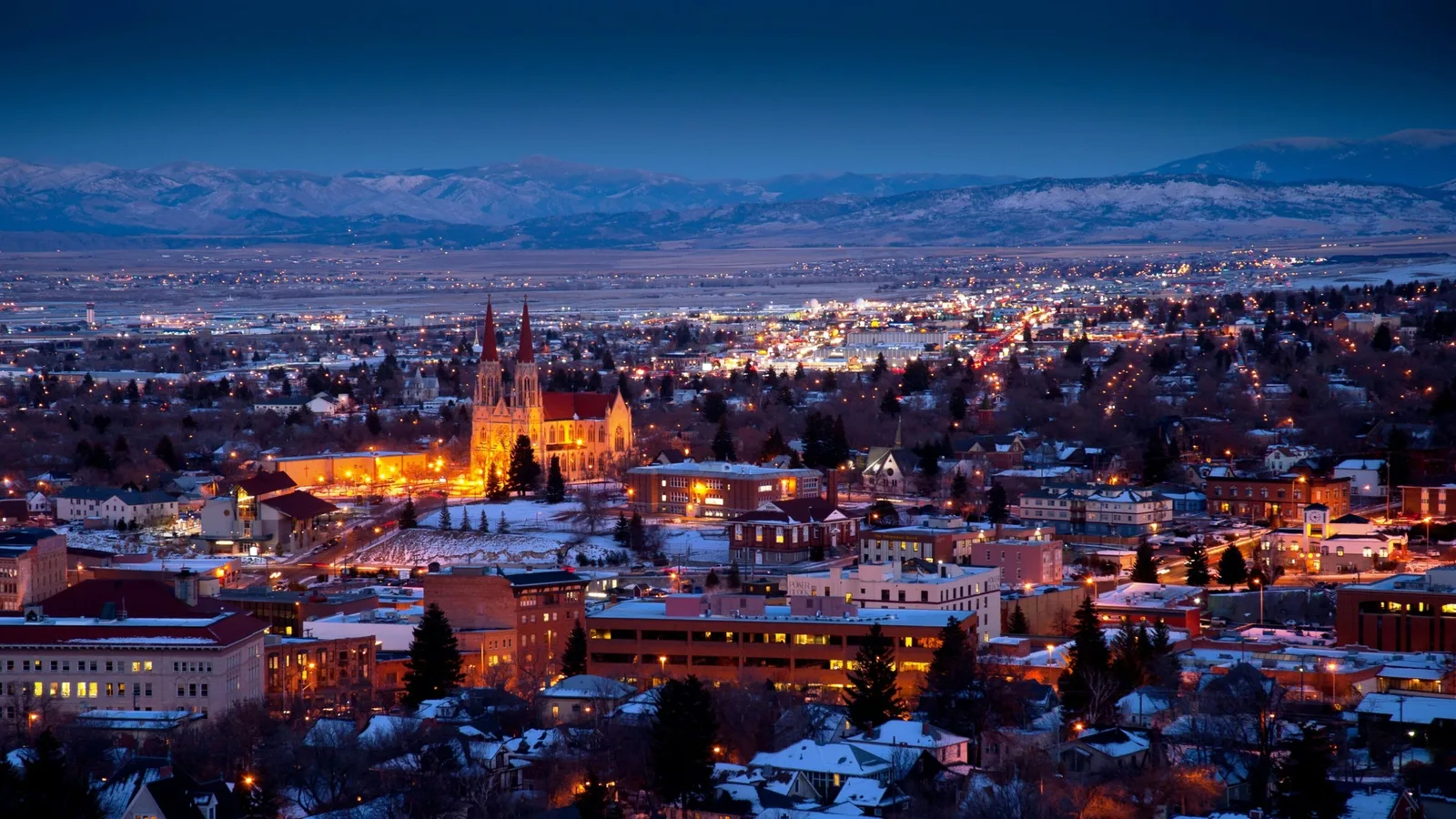
What would you do if you walked into your Helena Valley Southeast home tomorrow morning and found two inches of water across the basement floor, or the acrid smell of smoke clinging to every wall? Property damage rarely announces itself, and the hours immediately after discovery shape how much of your home can be saved.
Restoration work in the Helena Valley covers a connected set of specialties, each addressing a different type of loss:
- Water Damage Restoration - extraction, structural drying, and moisture mapping after leaks, supply line failures, and appliance overflows
- Flooded Basement Cleanup - pumping standing water, drying foundation walls, and salvaging stored belongings
- Sewage Cleanup - removal of contaminated water and materials, antimicrobial treatment, and safe disposal of Category 3 waste
- Fire Damage Restoration - debris removal, soot cleaning, structural stabilization, and content recovery
- Smoke Damage Restoration - odor neutralization, HVAC cleaning, and treatment of porous surfaces that trap residue
- Mold Removal - containment, air filtration, affected material removal, and correction of the moisture source
Benefits for valley residents include faster drying before secondary damage sets in, documented moisture readings for insurance carriers, and a single point of contact from emergency response through reconstruction. Round-the-clock availability matters here, where a burst pipe on a January night cannot wait until business hours.
Common Damage Restoration Issues in Helena Valley Southeast, Montana
Sitting on the valley floor southeast of Helena at roughly 3,900 feet, this area faces a specific mix of freeze cycles, spring runoff from the Elkhorn and Big Belt foothills, and dry summer wildfire conditions.
Frequent Causes of Loss
- Frozen and burst supply lines in crawl spaces, garages, and uninsulated exterior walls
- Spring snowmelt and rain-on-snow events pushing groundwater against foundation walls
- Sump pump failures during power outages tied to wind and thunderstorm activity
- Septic system backups on rural valley properties with older drain fields
- Wood stove, pellet stove, and chimney fires during long heating seasons
- Wildfire smoke infiltration through attics, soffits, and mechanical ventilation
- Hidden mold behind finished basement walls and under vinyl flooring
Warning Signs Worth Acting On
- Musty odors that intensify when the furnace or AC cycles on
- Efflorescence, chalky white staining, or dark tide lines on concrete foundation walls
- Flooring that cups, buckles, or feels spongy underfoot
- Slow floor drains, gurgling toilets, or sewage odors in basement bathrooms
- Yellow-brown staining on ceilings after heavy snow loads or ice dams
- Persistent smoke smell weeks after a minor kitchen or stove fire
- Unexplained increases in water bills with no visible leak
Early intervention typically means drying materials in place rather than removing them. Waiting turns a straightforward water loss into a mold remediation project with containment barriers and demolition.
Neighborhoods We Serve in Helena Valley Southeast
Response coverage extends across the census-designated area and the communities that border it:
- Neighborhoods along East Custer Avenue and North Montana Avenue corridors
- Residential areas near York Road and Lake Helena Drive
- Properties bordering Helena Valley Northeast and Helena Valley West Central
- Homes surrounding Spring Meadow and the Canyon Ferry Road corridor
- Acreage and rural residential parcels toward East Helena and Lake Helena
- Subdivisions off Applegate Drive, Green Meadow Drive, and Wylie Drive
- Downtown Helena, the Upper West Side, and South Hills for surrounding-area calls
Crews also reach outlying properties near Montana City, Clancy, and the Highway 12 and Interstate 15 approaches. Familiarity with valley access roads, gravel driveways, and rural water and septic layouts helps equipment arrive and set up without delay.
Seasonal Damage Patterns in Helena Valley Southeast
Winter (December - February)
- Frozen pipe breaks during sub-zero cold snaps and wind chill events
- Ice dams forcing meltwater under shingles and into ceilings
- Heating-related fires from wood stoves, space heaters, and chimney creosote
- Smoke damage confined indoors by tightly sealed winter envelopes
Spring (March - May)
- Peak season for flooded basements as snowpack melts and the water table rises
- Sump pump overload and failure
- Sewage backups when saturated soils stress septic drain fields
- First mold growth appearing in basements wet since February
Summer (June - August)
- Wildfire smoke intrusion and lingering odor in HVAC systems
- Thunderstorm downbursts, hail, and roof-driven water intrusion
- Condensation and mold on cool basement surfaces during humid stretches
- Fire risk from grilling, outbuildings, and dry vegetation near structures
Fall (September - November)
- First hard freezes catching unwinterized hose bibs and irrigation lines
- Furnace startup releasing dust, soot, and puff-back residue
- Gutter blockages from leaves redirecting water toward foundations
- Ideal window for moisture inspections before winter
Housing Characteristics & Restoration Considerations
The valley's housing stock spans more than a century, and each era brings distinct restoration challenges.
Common Construction Types
- Pre-1960 farmhouses and ranch homes - lath and plaster, cast iron drain lines, minimal foundation waterproofing, and possible asbestos-containing materials requiring testing before demolition
- 1960s - 1980s ranch and split-level homes - poured concrete or block basements, fiberglass batt insulation prone to holding water, and original galvanized supply lines nearing failure
- 1990s - 2000s subdivisions - finished basements with carpet, drywall, and framed walls that trap moisture out of sight
- Recent construction - tight building envelopes that hold humidity and smoke odor longer without mechanical drying and air scrubbing
- Manufactured and modular homes - belly wrap that traps water beneath floors, requiring specialized drying access
How This Shapes the Work
- Moisture mapping with thermal imaging and penetrating meters before any material is removed
- Selective demolition - flood cuts on drywall, removal of saturated insulation, drying salvageable framing in place
- Containment and negative air pressure when mold or contaminated water is present
- Careful cleaning of plaster, brick, and unsealed wood, which absorb soot and odor deeply
- Documentation of pre-loss conditions and daily readings for insurance carriers
Homes with crawl spaces rather than full basements need vapor barrier inspection, since standing groundwater beneath a home feeds mold growth throughout the living space above.
Environmental Conditions & Damage Implications
Helena Valley Southeast sits in a semi-arid climate with roughly 11 to 12 inches of annual precipitation, wide daily temperature swings, and low ambient humidity for much of the year.
Climate Factors
- Winter lows regularly below zero, driving pipe freeze risk in unheated spaces
- Chinook winds causing rapid thaw-freeze cycles that stress plumbing and roofing
- Low outdoor humidity that speeds drying but hides moisture trapped inside wall cavities
- Summer thunderstorms delivering heavy rain in short bursts onto hard, dry ground
Soil and Groundwater
- Valley-fill alluvial soils with clay layers that hold water against foundations
- Seasonally high water table near Lake Helena and the Prickly Pear Creek drainage
- Poor absorption during spring runoff, increasing hydrostatic pressure on basement walls
- Older septic systems on rural lots that struggle when soils are saturated
Air and Water Quality
- Wildfire smoke events pushing fine particulate deep into homes and duct systems
- Hard well water contributing to scale buildup, pinhole leaks, and appliance failures
- Inversion conditions that trap smoke and odor in the valley for days
These conditions mean drying strategies must account for outdoor dew point, and mold remediation must address both the water source and the mineral-rich residue left behind on surfaces.
Insurance Documentation and Industry Standards for Montana Property Claims
A restoration project succeeds twice - once in the field and once on paper. Montana homeowners filing water, fire, or mold claims need documentation that satisfies adjusters without extending the timeline.
Standards That Guide the Work
- IICRC S500 - the reference standard for professional water damage restoration, defining water categories and drying goals
- IICRC S520 - governs mold remediation, containment, and clearance practices
- IICRC S700 - addresses fire and smoke damage restoration methods
- EPA guidance - informs mold containment and material disposal decisions
- Technician certifications in water restoration, applied structural drying, and odor control
What Proper Documentation Includes
- Photo and video record of conditions before any material is disturbed
- Moisture readings logged daily from affected and unaffected reference materials
- Thermal imaging identifying hidden saturation behind walls and beneath flooring
- Equipment logs showing air mover and dehumidifier placement and runtime
- Scope of work detailing removals, cleaning methods, and antimicrobial applications
- Drying certificates confirming materials reached dry standard before reconstruction
Steps to Take Before Help Arrives
- Shut off the water supply or electrical power to affected areas if safe to do so
- Photograph everything, including damaged contents and standing water levels
- Avoid contact with sewage-contaminated water entirely - Category 3 water carries bacteria and pathogens
- Move undamaged belongings to a dry area only if the structure is safe to enter
- Contact your insurance carrier and note the claim number for the restoration team
- Resist running household fans through soot or mold, which spreads contamination
Coordinated real-time reporting between the restoration crew and your adjuster reduces back-and-forth, keeps the scope agreed upon, and moves your Helena Valley Southeast property from emergency response toward rebuild without unnecessary stalls.





