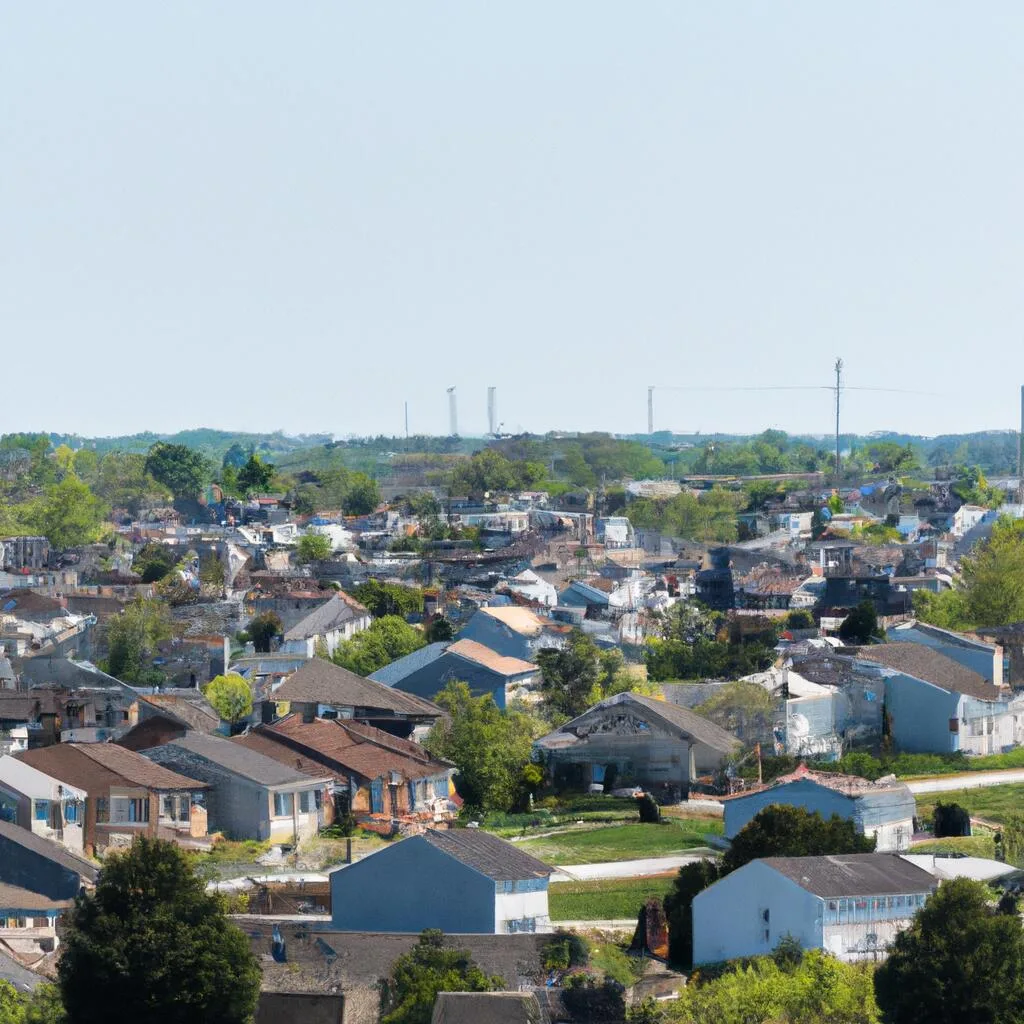
Damage Restoration in Jessamine County, KY
- Damage Restoration Services Overview
- Common Damage Restoration Issues in Jessamine County, Kentucky
- Neighborhoods We Serve in Jessamine County
- Seasonal Damage Patterns in Jessamine County
- Housing Characteristics & Restoration Considerations
- Environmental Conditions & Damage Implications
- Repeat Flooding Along the Kentucky River Corridor and What It Means for Recovery
Damage Restoration Services Overview
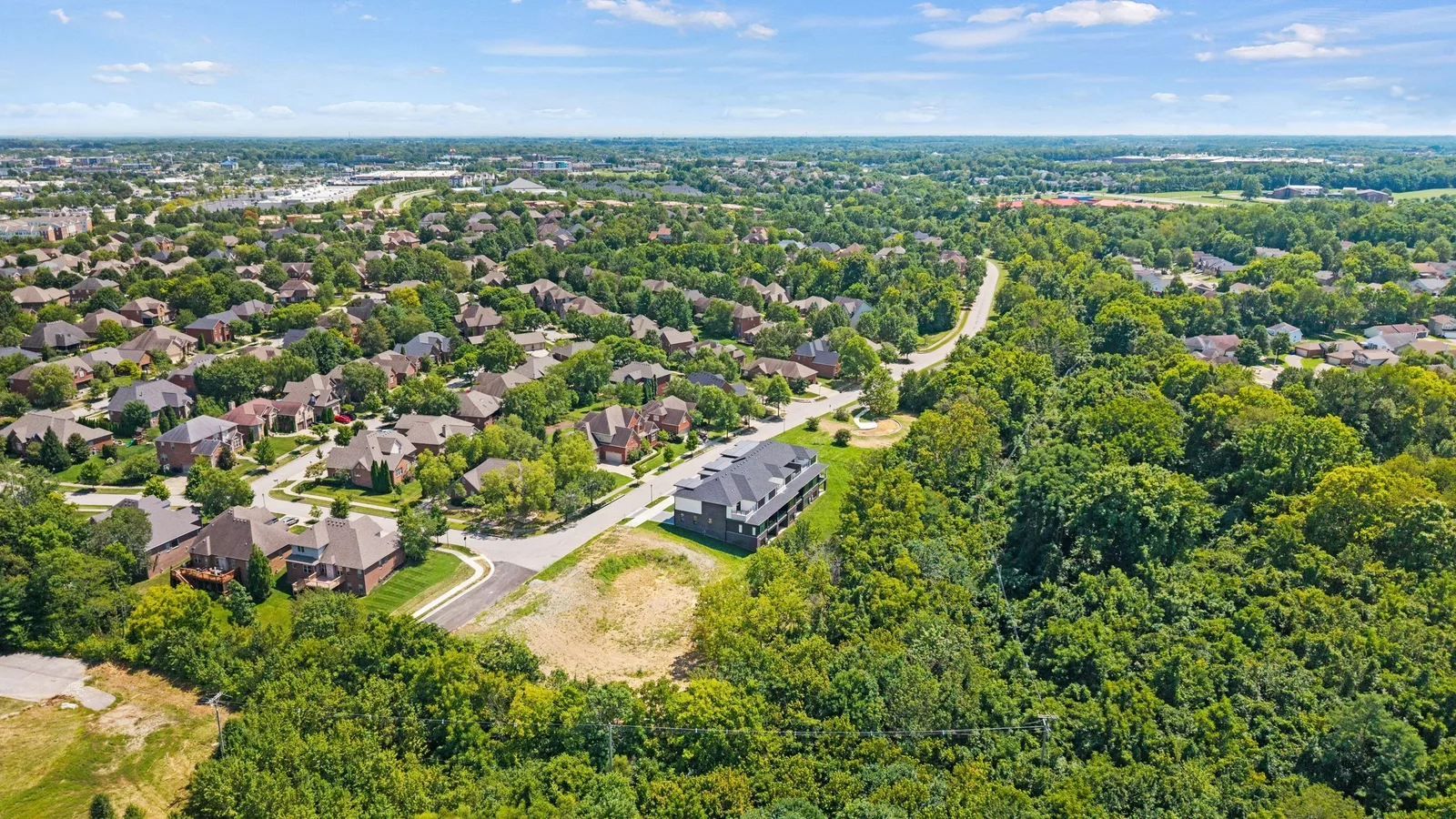
When water enters a Jessamine County home, the clock starts immediately. Drywall wicks moisture within hours, hardwood cups by the second day, and mold colonies can establish themselves before the weekend is over. Fire and smoke behave the same way - acidic soot residues begin etching metal, glass, and finishes almost as soon as the flames are out.
Restoration work in Nicholasville, Wilmore, and the surrounding countryside covers a connected group of emergency services:
- Water Damage Restoration - extraction, structural drying, moisture mapping, and documentation for insurance claims
- Flooded Basement - pump-out, saturated material removal, sump and drainage evaluation, and dehumidification of below-grade space
- Sewage Cleanup - containment of Category 3 contamination, removal of porous materials, antimicrobial treatment, and disinfection
- Fire Damage Restoration - board-up, debris clearing, structural cleaning, and content pack-out
- Smoke Damage Restoration - soot removal from surfaces and HVAC systems, thermal fogging, and odor neutralization
- Mold Removal - containment barriers, HEPA filtration, affected material removal, and correction of the moisture source
The benefit of handling these together is simple: one team traces the problem from the source through every affected assembly, so a fire job does not leave hidden water behind and a basement flood does not become a mold job three weeks later.
Common Damage Restoration Issues in Jessamine County, Kentucky
Jessamine County sits on the Inner Bluegrass plateau where the Kentucky River has carved deep palisades, and that dramatic elevation change drives water damage patterns unlike flatter parts of the state. Runoff moves fast, concentrates in hollows, and arrives at foundations with force rather than seeping in slowly.
Recent rounds of heavy rainfall have made this plain. Jessamine County Emergency Management reported at least four structures damaged in one storm event - including the Lexington Chinese Christian Church - while eighteen homes in low-lying areas sustained damage in another. County road crews spent weeks repairing bridges and state roads, with erosion compounding the original damage.
Recurring causes across the county:
- Flash runoff from ridgelines and steep drives overwhelming window wells and walk-out doors
- Aging sump pumps failing during multi-day rain when they run continuously
- Sanitary sewer surcharge in older Nicholasville neighborhoods pushing waste back through floor drains
- Septic saturation on rural parcels, sending effluent toward crawl spaces
- Frozen and burst supply lines in unheated crawl spaces during January cold snaps
- Space heater, chimney, and kitchen fires that leave smoke throughout an entire structure
Warning signs worth acting on right away:
- A musty smell that intensifies when the HVAC cycles on
- Efflorescence - white chalky residue - on basement block walls
- Tape seams lifting or nail pops appearing on ceilings below bathrooms
- Soot shadowing above outlets and along baseboards after any fire
- Gnats or springtails clustering near a floor drain or crawl space hatch
Neighborhoods We Serve in Jessamine County
Crews respond throughout the county, from city blocks to farm lanes off two-lane state roads.
- Nicholasville - downtown near Main Street, Brannon Crossing, Chrisman Mill, Hunters Trace, Sugarland, Ashgrove, and the Highway 27 corridor
- Wilmore - the Asbury campus area, historic residential streets, and adjacent subdivisions
- Keene and the western agricultural district along Keene Troy Road
- High Bridge and the Kentucky River palisades communities
- Little Hickman, Camp Nelson, and the southern river bottoms
- Brannon and the northern edge bordering Fayette County
Rural addresses off Sulphur Well Pike, Catnip Hill Road, and Union Mill Road receive the same response as in-town properties. Equipment is sized for older homes with narrow stairwells as well as newer construction with large open basements.
Seasonal Damage Patterns in Jessamine County
Restoration demand in the county follows a predictable rhythm across the year.
- December - February: Burst pipes lead the calendar. Unheated crawl spaces, garage walls, and hose bibs fail during hard freezes. Fire damage climbs with heating equipment, fireplaces, and holiday cooking. Smoke damage from wood stoves and improperly drafting chimneys is common.
- March - May: Peak flooding season. Spring storms saturate already-full ground, producing flooded basements, sump failures, and sewage backups in the same week. Mold growth accelerates as temperatures climb into the sixties.
- June - August: Humidity does the damage. Crawl space condensation, air conditioning drain line clogs, and slow supply-line leaks feed mold behind cabinets and baseboards. Severe thunderstorms bring wind-driven rain and roof intrusion.
- September - November: Remnants of tropical systems can deliver several inches of rain overnight. Clogged gutters full of leaves push water against foundations. Heating systems restarting after months idle produce smoke odor and occasional flue fires.
Late winter and early spring together account for the heaviest concentration of emergency calls countywide.
Housing Characteristics & Restoration Considerations
Jessamine County's housing stock spans roughly two centuries, and each era responds to damage differently.
Pre-1940 Homes in Nicholasville and Wilmore
- Limestone and rubble foundations that weep during wet stretches rather than leaking at a single point
- Plaster over wood lath, which holds water far longer than drywall and requires slower, controlled drying
- Balloon framing that lets smoke and soot travel from a basement fire to the attic through open wall cavities
- Knob-and-tube remnants and layered renovations that complicate demolition after fire or sewage events
Mid-Century and 1970s - 1990s Construction
- Poured concrete and block basements with interior perimeter drains that silt up over time
- Finished basement rec rooms with paneling and carpet - the most frequently lost materials in a flood
- Original cast iron drain lines nearing the end of service life, raising sewage backup risk
Newer Subdivisions Along the US 27 and Brannon Corridors
- Walk-out and daylight basements on graded lots where backfill settles and directs water toward the foundation
- Tight building envelopes that trap moisture and concentrate smoke odor in HVAC ductwork
- Engineered wood flooring and MDF trim that swell irreversibly with even brief water contact
Crawl spaces are common countywide on rural parcels. These spaces hide the majority of undetected mold problems in Jessamine County because homeowners rarely inspect them until an odor reaches the living area.
Environmental Conditions & Damage Implications
The county's geology and climate shape nearly every restoration decision made here.
Karst Limestone and Soil
- Fractured limestone beneath thin topsoil creates sinkholes, springs, and unpredictable subsurface water paths
- Groundwater can rise through basement slabs and cold joints even when surface drainage looks fine
- Maury and Bluegrass silt loam soils hold moisture against foundation walls after heavy rain
- Karst channels can carry septic contamination laterally, which matters for sewage cleanup verification
Climate and Humidity
- Annual rainfall in the mid-forty-inch range, often arriving in concentrated multi-day events
- Summer dew points regularly in the seventies, pushing indoor relative humidity above the mold threshold of 60 percent
- Freeze-thaw cycling that widens foundation cracks each winter
Air and Water Quality Effects
- Agricultural dust and pollen load already stress indoor air, so smoke particulate compounds respiratory issues for sensitive occupants
- Hard, mineral-rich water from limestone aquifers leaves scale that accelerates water heater and supply line failures
- High mineral content complicates cleaning of soot-stained fixtures and requires adjusted cleaning agents
Because of these conditions, drying targets in Jessamine County are set against local seasonal humidity rather than generic benchmarks, and post-remediation moisture readings are taken in crawl spaces and rim joists - not just the visible damage area.
Repeat Flooding Along the Kentucky River Corridor and What It Means for Recovery
The southern half of Jessamine County drops sharply toward the Kentucky River at High Bridge and Camp Nelson, and the properties in those bottoms and hollows face a different recovery problem than homes on the plateau: they flood more than once.
After recent storm rounds, county officials continued cleanup while waiting to learn whether damage totals would qualify for assistance. Road crews repaired bridges and state roads as erosion added to the original damage. For homeowners, that context matters - a property can be dried and rebuilt only to see the same water return the following season.
Building Back With Repeat Events in Mind
- Document everything before demolition. Photograph water lines, moisture readings, and affected contents. This record supports current claims and any future assistance applications.
- Remove rather than dry Category 3 materials. Anything porous contacted by floodwater or sewage - carpet pad, insulation, particleboard - comes out. River floodwater carries agricultural runoff and septic contamination.
- Dry the structure to measured targets. Framing, subfloor, and masonry are monitored daily until readings match unaffected areas of the same home.
- Select flood-resilient rebuild materials. Closed-cell foam instead of fiberglass at rim joists, cement board in place of paper-faced drywall on lower walls, sealed concrete or tile rather than carpet below grade.
- Elevate mechanicals where possible. Moving furnaces, water heaters, and electrical panels up on platforms turns a catastrophic loss into a cleanup.
- Address the exterior. Regraded backfill, extended downspouts, cleared culverts, and a battery-backup sump pump reduce the odds of the next event.
The Mold Timeline
Homes that flood repeatedly accumulate mold in places that never fully dried from the last event - behind stair stringers, inside wall cavities, under stored contents. Any second-round flooding call in the river corridor gets a mold assessment as standard practice, including containment and HEPA filtration before any demolition begins, so spores are not distributed through the rest of the house during cleanup.