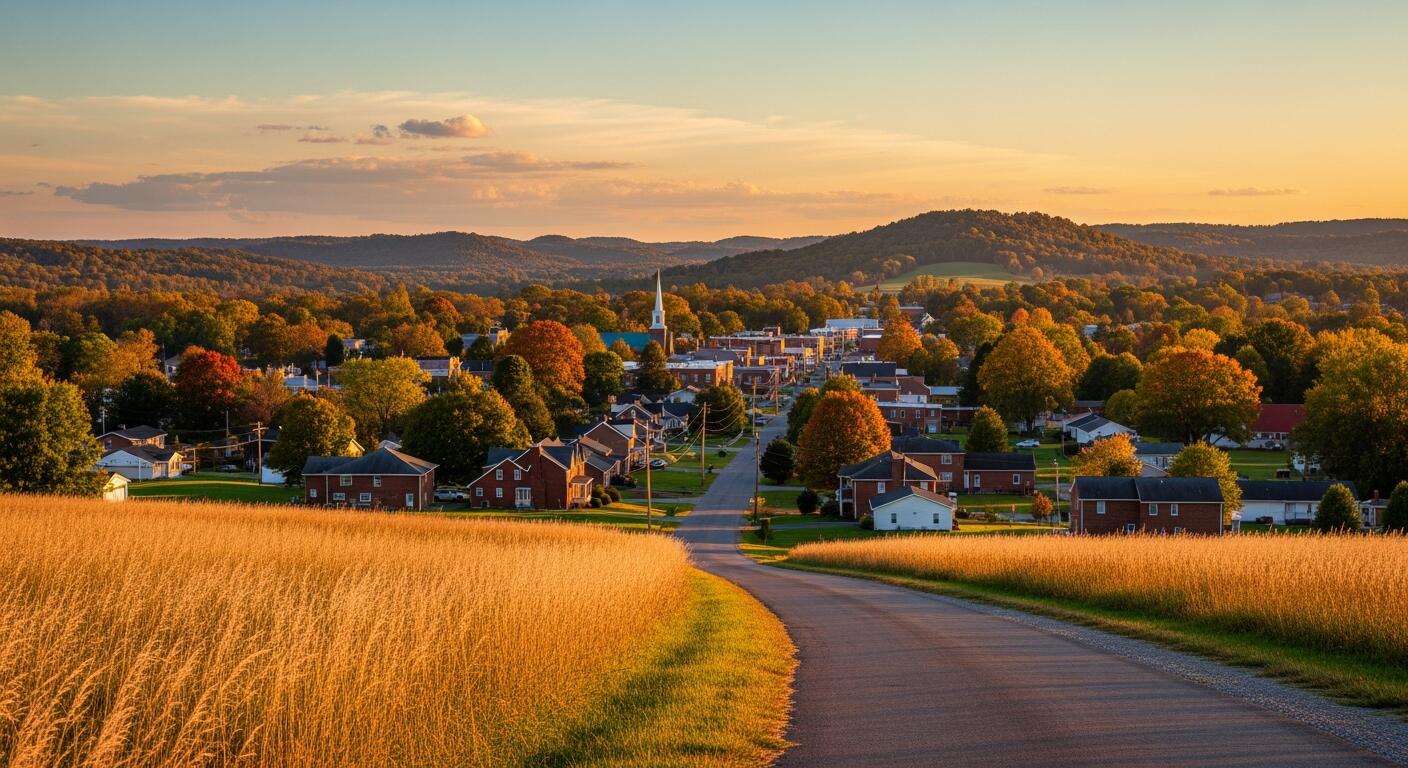
Damage Restoration in Bullitt County, KY
- Damage Restoration Services Overview
- Common Damage Restoration Issues in Bullitt County, Kentucky
- Neighborhoods We Serve in Bullitt County
- Seasonal Damage Patterns in Bullitt County
- Housing Characteristics & Restoration Considerations
- Environmental Conditions & Damage Implications
- Storm Response, Power Outages, and Why Rapid Action Matters in Bullitt County
Damage Restoration Services Overview
When water pours into a finished basement or smoke settles into the walls of a family home, knowing that trained help is already on the way changes everything. Bullitt County property owners rely on IICRC-certified restoration teams who arrive with extraction equipment, containment supplies, and a clear plan for putting a house back together.
Full-service restoration in this part of Kentucky covers the entire spectrum of property emergencies:
- Water Damage Restoration - extraction, structural drying, and multi-day moisture monitoring after supply line breaks, roof leaks, and storm intrusion
- Flooded Basement Recovery - pumping standing water, drying block walls and slab floors, and salvaging contents below grade
- Sewage Cleanup - removal of contaminated material, antimicrobial treatment, and safe disposal after backups and septic failures
- Fire Damage Restoration - debris removal, soot cleaning, structural stabilization, and reconstruction coordination
- Smoke Damage Restoration - odor neutralization, HVAC cleaning, and treatment of porous surfaces that hold smoke residue
- Mold Removal - containment, HEPA filtration, controlled removal of colonized materials, and correction of the moisture source
The benefit for homeowners goes beyond dry floors. Fast, documented response limits secondary damage, supports insurance claims, protects indoor air quality, and preserves property value in neighborhoods from Shepherdsville to Lebanon Junction.
Common Damage Restoration Issues in Bullitt County, Kentucky
Geography drives most of the restoration work in this county. The Salt River corridor, Floyds Fork tributaries, and steep knob country south of Shepherdsville push runoff downhill fast during heavy rain.
Frequent Causes of Loss
- Flash flooding along creeks and low-lying subdivisions, similar to the events that eroded ground near Old Boston Road and forced evacuations in Lebanon Junction
- Hydrostatic pressure forcing water through basement wall cracks and floor joints
- Sump pump failure during extended outages while utility linemen work to repair downed lines and restore electricity
- Municipal sewer surcharges and septic backups after saturated soil overwhelms drain fields
- Space heaters, chimney flues, and kitchen fires during cold months
- Lightning strikes and electrical faults from summer thunderstorms
Warning Signs Worth Acting On
- Musty or earthy odors in basements, crawl spaces, or closets
- Efflorescence - white chalky residue - on foundation block
- Cupping hardwood, bubbling paint, or soft drywall along the baseboard line
- Recurring allergy or asthma symptoms that ease when occupants leave home
- Lingering smoke odor that returns when humidity rises or the furnace runs
- Gurgling floor drains or slow toilets that signal a developing sewer problem
Mold can begin colonizing damp materials within 24 to 48 hours, so what looks like a minor seep on Saturday can become a remediation project by midweek.
Neighborhoods We Serve in Bullitt County
Response teams cover the full county and the surrounding region, including:
- Shepherdsville - older downtown properties near the Salt River and newer subdivisions off Highway 44
- Mount Washington - fast-growing residential developments with finished basements
- Lebanon Junction - homes near creek crossings and rail corridors prone to flash flooding
- Hillview, Pioneer Village, Fox Chase, and Hebron Estates - established suburban housing along the I-65 corridor
- Brooks, Zoneton, Cedar Grove, and Clermont - mixed rural and suburban properties on septic systems
- Rural stretches near Bernheim Forest, Old Boston Road, and Bardstown Junction
Service also extends to neighboring communities including Louisville, Elizabethtown, Bardstown, and the surrounding Kentucky towns, which keeps crews and equipment close when countywide storm events generate dozens of simultaneous calls.
Seasonal Damage Patterns in Bullitt County
Winter (December - February)
- Frozen and burst supply lines in crawl spaces and unheated garages
- Peak season for fire and smoke damage from heating equipment and fireplaces
- Ice dams pushing meltwater into attics and ceilings
Spring (March - May)
- Highest volume of flooded basements as saturated clay soil sheds runoff
- Sewage backups when heavy rain overloads sewer lines and septic fields
- Storm damage and power outages that disable sump pumps
Summer (June - August)
- Flash flooding from slow-moving thunderstorms, as seen in late-June events across the county
- Rapid mold growth driven by high humidity and cool basement surfaces
- Lightning-related electrical fires and condensation problems around HVAC systems
Fall (September - November)
- Roof leaks from wind and falling limbs
- Clogged gutters directing water against foundations
- First furnace runs circulating dormant mold spores and old smoke odor
Housing Characteristics & Restoration Considerations
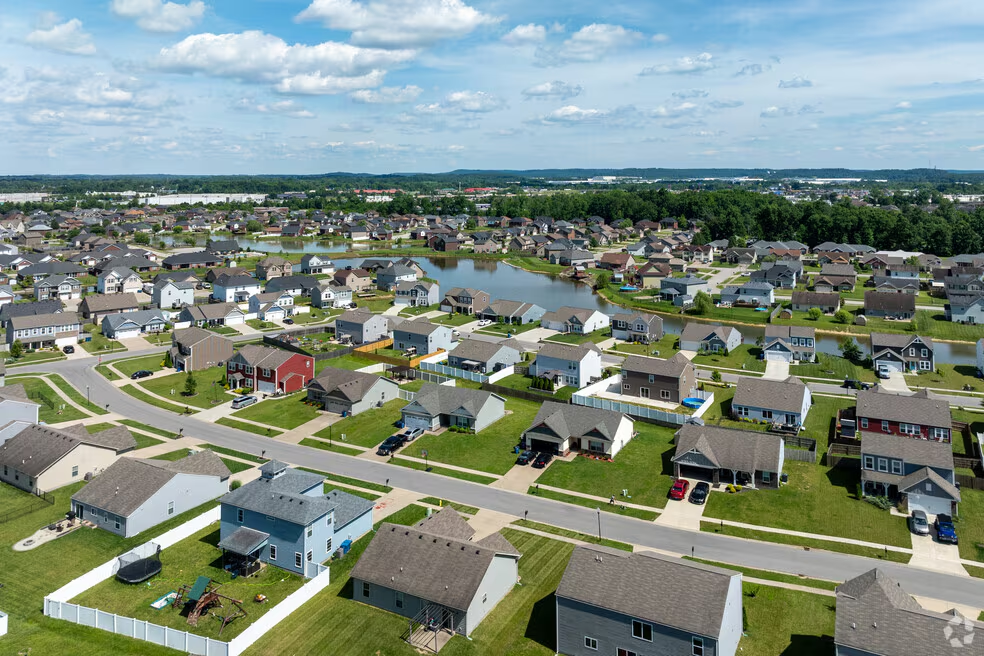
Bullitt County housing spans century-old farmhouses, 1970s ranch homes, and subdivisions built during the growth waves of the 1990s through today. Each construction era carries its own restoration profile.
Older Homes (pre-1980)
- Poured or block foundations with limited waterproofing and no interior drain tile
- Plaster walls and solid hardwood that require slower, controlled drying
- Possible asbestos-containing floor tile, mastic, or pipe wrap requiring testing before demolition
- Knob-and-tube or aged wiring that raises fire risk and complicates post-loss rebuilds
- Dirt-floor or partial crawl spaces that feed persistent mold and musty odor
Newer Construction (1990s - present)
- Finished walkout and daylight basements filled with carpet, drywall, and stored contents
- Tight building envelopes that trap moisture and smoke odor without mechanical drying
- Engineered flooring and OSB subfloor that swells quickly and often cannot be salvaged
- Paper-faced drywall behind cabinets and vanities - a common hidden mold source
How This Shapes the Work
- Inspect with thermal imaging and penetrating meters before any material is removed
- Match drying equipment and airflow to the wall assembly and flooring type
- Build containment when mold, soot, or contaminated water is present
- Document moisture readings daily until materials reach dry standard
- Coordinate reconstruction so repairs match the home's original finishes
Environmental Conditions & Damage Implications
The county sits in a humid subtropical zone with roughly 45 inches of annual rainfall, hot muggy summers, and freeze-thaw winters. Those conditions shape nearly every restoration decision made here.
Soil and Water Table
- Silty clay soils drain slowly and hold water against foundation walls
- Karst limestone geology in parts of the knobs creates sinkholes and unpredictable subsurface flow
- Shallow water tables near the Salt River and its tributaries keep basements damp year-round
- Clay expansion and contraction opens foundation cracks that become seepage points
Air and Humidity
- Summer indoor humidity routinely climbs past 60 percent without dehumidification - the range where mold thrives
- Pollen and particulate loads in the Ohio Valley add to indoor air complaints after water or fire events
- Smoke residues bond aggressively to cool surfaces in humid air, requiring HEPA filtration and specialized cleaning agents
Water Quality Factors
- Floodwater from creeks carries silt, agricultural runoff, and bacteria, classifying it as Category 3 contaminated water
- Septic systems in rural areas back up when drain fields saturate, demanding full sewage decontamination protocols
- Hard water mineral deposits can mask slow plumbing leaks behind fixtures and appliances
Restoration plans account for these conditions with sustained dehumidification, antimicrobial application where warranted, and post-drying verification rather than a quick surface cleanup.
Storm Response, Power Outages, and Why Rapid Action Matters in Bullitt County
Countywide storms create a distinct emergency pattern here. Heavy overnight rain floods basements while wind brings down power lines, and homes lose sump pumps exactly when they need them most. Utility linemen work through the night on damaged circuits, but restoring electricity takes time - and standing water does not wait.
What Happens Without Power
- Sump pits overflow within hours of pump failure
- HVAC systems stop circulating and dehumidifying air
- Refrigerated and frozen contents spoil, adding odor and biological contamination
- Basement humidity climbs toward saturation, starting mold growth on drywall, framing, and stored belongings
The Professional Response Sequence
- Safety assessment - verify electrical hazards are controlled and structures are stable before entry
- Generator-powered extraction - truck-mounted and portable units pull standing water even when the grid is down
- Water category classification - clean, gray, or contaminated, which determines what can be saved
- Controlled demolition - removal of unsalvageable carpet pad, drywall, and insulation with containment in place
- Structural drying - air movers and commercial dehumidifiers sized to the affected cubic footage
- Daily moisture monitoring - documented readings over several days until materials meet dry standard
- Antimicrobial treatment and reconstruction - surface treatment where required, followed by rebuild
Standards That Guide the Work
- IICRC S500 for water damage restoration
- IICRC S520 for mold remediation, including containment and HEPA filtration
- IICRC S700 for fire and smoke damage restoration
- Photo and moisture documentation formatted for insurance carriers
Twenty-five years of family-owned service across Shepherdsville, Mount Washington, Lebanon Junction, and the wider region means crews already know which streets flood, which soils hold water, and how quickly a damp basement turns into a mold problem. Emergency response is available around the clock at (502) 531-8586.