
Damage Restoration in Mount Washington, KY
- Damage Restoration Services Overview
- Common Damage Restoration Issues in Mount Washington, Kentucky
- Neighborhoods We Serve in Mount Washington
- Seasonal Damage Patterns in Mount Washington
- Housing Characteristics & Restoration Considerations
- Environmental Conditions & Damage Implications
- Drainage, Basement Flooding, and Protecting Mount Washington Properties
Damage Restoration Services Overview
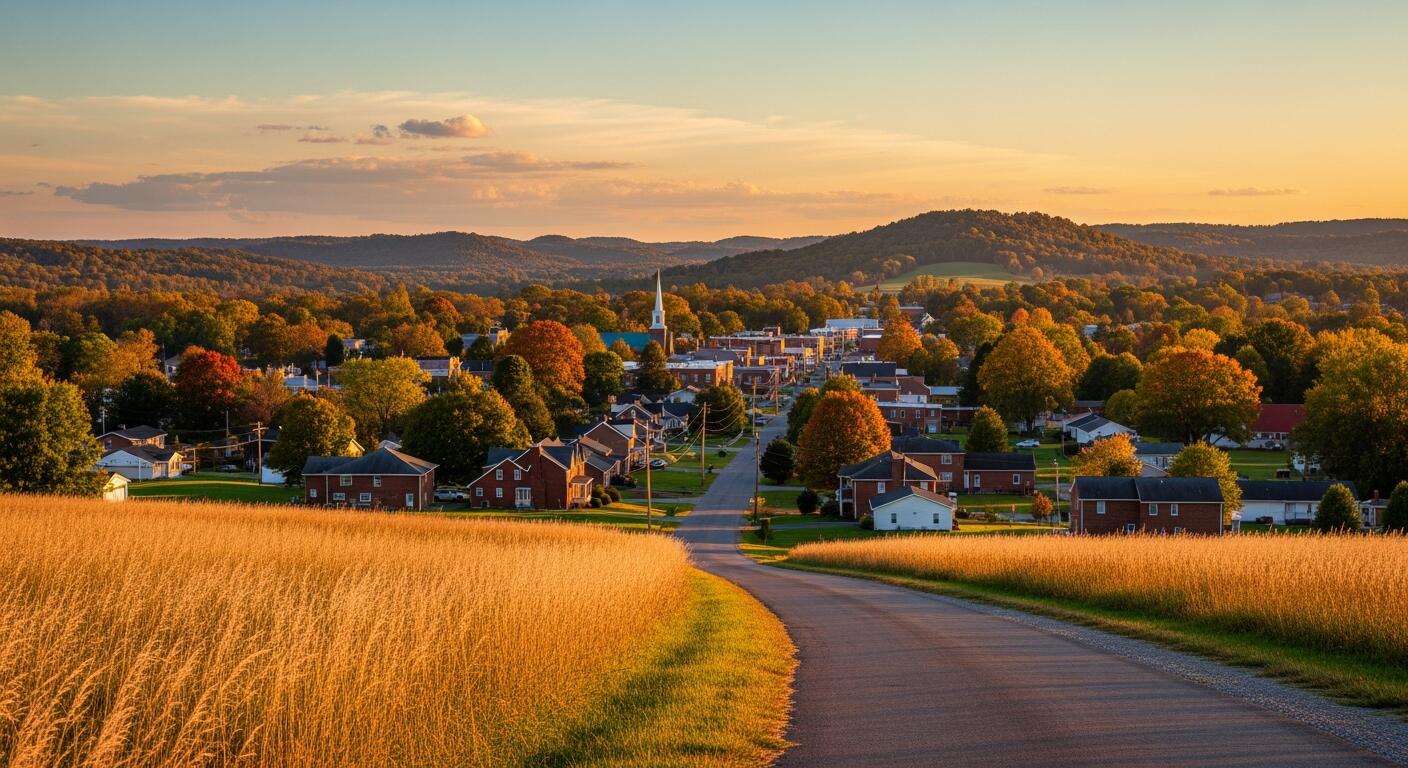
Mount Washington sits on Bullitt County's rolling clay-heavy terrain, where rainfall runs off rather than soaks in. That single geological fact drives a large share of the property damage local homeowners face - saturated foundations, basements that take on water during heavy storms, and slow leaks that go unnoticed until drywall stains appear.
Restoration work here covers a connected group of emergencies, each requiring different equipment and training:
- Water Damage Restoration - extraction, structural drying, and moisture mapping after pipe failures, appliance leaks, or roof intrusion
- Flooded Basement - pump-outs, contents handling, and drying below grade where humidity lingers longest
- Sewage Cleanup - containment, removal of contaminated porous materials, and antimicrobial treatment after backups
- Fire Damage Restoration - board-up, debris removal, structural cleaning, and rebuild coordination
- Smoke Damage Restoration - soot removal from surfaces and HVAC systems plus odor neutralization
- Mold Removal - containment barriers, HEPA filtration, and removal of colonized materials
The benefit of addressing these quickly is straightforward: wet materials that dry within the first days often stay in place, while materials left saturated become demolition work. Providers serving the area, including SERVPRO and ANR Restoration, build their response around that timeline.
Common Damage Restoration Issues in Mount Washington, Kentucky
Local damage patterns repeat year after year, shaped by soil, drainage, and Kentucky's swing between freeze and thaw.
What Causes Most Calls
- Clay soil expansion - saturated clay presses against foundation walls, forcing water through hairline cracks and cold joints
- Storm drainage overload - residents have raised ongoing concerns about city drainage capacity, erosion, and repeat flooding on certain streets
- Freeze-thaw pipe bursts - unheated crawl spaces, garages, and exterior walls are the usual failure points in January and February
- Sump pump failure - pumps that run constantly during spring storms burn out at the worst moment
- Sewer line backups - tree roots and heavy inflow during downpours push wastewater back into floor drains
- Kitchen and heating fires - cooking accidents and space heater use in winter account for many residential fire calls
Warning Signs Worth Acting On
- Efflorescence - white chalky residue - on basement block walls
- Musty odor that strengthens when the HVAC system cycles on
- Buckling or cupping in hardwood flooring near exterior walls
- Gurgling floor drains or slow tub drainage after rain
- Soot film on window glass, lampshades, or vent covers following a small fire
- Persistent condensation on ductwork or cold water lines in crawl spaces
Smoke damage in particular is often underestimated. Even a contained stovetop fire pushes acidic soot particles through the return air system, where they settle on surfaces far from the origin and continue producing odor for months.
Neighborhoods We Serve in Mount Washington
Coverage extends across Mount Washington's established core and its newer residential growth along the Highway 44 and Bardstown Road corridors.
- Downtown Mount Washington and the older residential blocks near the historic district
- Subdivisions along Highway 44 East and West
- Neighborhoods off Bardstown Road and Old Bardstown Road
- Communities near Mount Washington Elementary and Bullitt East High School
- Newer developments toward the Spencer County line
- Rural properties on well and septic systems outside city limits
Service also reaches surrounding Bullitt County communities including Shepherdsville, Hillview, Pioneer Village, Cox's Creek, and the southern edges of Jefferson County near Fern Creek and Jeffersontown. Rural and in-town properties present different challenges - septic-connected homes face distinct sewage cleanup requirements compared with municipal sewer connections, and crews adjust containment and disposal methods accordingly.
Seasonal Damage Patterns in Mount Washington
Restoration demand in Bullitt County follows a predictable annual rhythm.
- December - February: Frozen and burst supply lines dominate. Space heater and fireplace fires increase. Smoke damage calls spike during extended cold snaps when homes stay sealed.
- March - May: Peak season for flooded basements. Spring rain saturates clay soil already holding winter moisture, and sump pumps run past their limits. Sewage backups climb during heavy rain events.
- June - August: Mold growth accelerates. High humidity combined with air conditioning creates condensation in crawl spaces, attics, and behind vinyl wallpaper. Storm-driven roof leaks add water damage work.
- September - October: The quietest stretch, and the best window for preventive work - foundation sealing, gutter correction, grading adjustments, and crawl space vapor barrier installation.
- November: Heating systems restart after months idle, producing dust burn-off odors and occasional furnace-related fire damage. First hard freezes catch unwinterized outdoor spigots.
Anyone with a history of basement water should schedule sump pump testing before March, when the heaviest sustained rainfall typically arrives.
Housing Characteristics & Restoration Considerations
Mount Washington's housing stock spans well over a century, and the construction era largely determines how a restoration project unfolds.
Older Homes (pre-1980)
- Plaster over wood lath holds moisture longer than drywall and requires slower, more controlled drying
- Galvanized and early copper supply lines are prone to pinhole leaks behind walls
- Block or stone foundations with unsealed mortar joints allow seepage under hydrostatic pressure
- Knob-and-tube or aging cloth-wrapped wiring raises fire risk and complicates post-fire electrical assessment
- Possible asbestos in floor tile, pipe wrap, and joint compound - testing required before demolition
Newer Construction (1990s - present)
- Finished basements with carpet, drywall, and built-ins turn minor water intrusion into major loss
- Tight building envelopes trap humidity, feeding mold growth in wall cavities and attics
- Engineered wood flooring and MDF trim delaminate quickly and rarely dry successfully
- Complex HVAC ductwork spreads soot and smoke odor throughout the structure fast
- PEX and CPVC systems resist freezing better but fittings still fail at unheated runs
Shared Considerations
Crawl space construction is widespread across the area. These spaces hide leaks for weeks, and standing water there produces the musty odor homeowners notice upstairs long before they find the source. Encapsulation and dehumidification are frequently recommended after any crawl space water event to prevent recurring mold problems.
Environmental Conditions & Damage Implications
Bullitt County's environment works against dry structures in several ways at once.
Climate
- Roughly 45 inches of annual precipitation, concentrated in spring storms
- Summer relative humidity regularly above 70 percent - well past the 60 percent threshold where mold activates
- Winter temperatures crossing the freezing point repeatedly rather than staying cold, driving expansion and contraction in soil and pipes
Soil and Groundwater
- Dense clay subsoil drains slowly, holding water against foundation walls for days after rain
- Seasonal shrink-swell movement opens and closes foundation cracks throughout the year
- Karst geology in parts of the region creates unpredictable subsurface water movement
- Elevated groundwater tables during wet months push moisture up through slab and basement floors
Air and Water Quality Effects
Hard water is common across the area. Mineral scale shortens the life of water heaters, supply lines, and appliance hoses - three of the most frequent sources of interior water damage. On the air side, tightly sealed modern homes recirculate whatever is already inside, meaning mold spores and smoke residue concentrate rather than dissipate.
These conditions shape the response. Drying plans built for drier climates fail here because ambient humidity re-wets materials. Effective work relies on containment, commercial dehumidification sized to the space, and moisture verification before reconstruction begins.
Drainage, Basement Flooding, and Protecting Mount Washington Properties
Recurring flooding is a live conversation in Mount Washington. Residents in several neighborhoods have pointed to stormwater infrastructure that struggles to keep pace with development, resulting in yard erosion, water pooling against foundations, and basements that take on water during storms that once passed without incident.
Why Drainage Drives Restoration Volume Here
- New rooftops, driveways, and streets increase runoff volume without increasing absorption
- Clay soil rejects infiltration, sending water laterally toward the lowest point - often a neighbor's foundation
- Undersized or clogged culverts back water into yards during heavy rain
- Downspouts discharging within a few feet of the house saturate soil directly against basement walls
Steps Property Owners Can Take
- Extend downspouts at least six to ten feet from the foundation, discharging downhill
- Regrade soil so the first several feet slope away from the house at roughly an inch per foot
- Install and maintain a sump pump with a battery backup - power outages and storms arrive together
- Clean gutters twice yearly, since overflow concentrates water at the foundation corners
- Seal visible foundation cracks and monitor them for widening between seasons
- Elevate furnaces, water heaters, and stored belongings off basement floors
- Keep a check valve on the sewer line if backups have occurred before
When Water Does Enter
Response order matters. Power gets shut off to affected areas, standing water is extracted, and contaminated materials are separated from salvageable ones. Water that has contacted sewage is handled as a health hazard - porous items like carpet, pad, and drywall are removed rather than dried. Structural drying then runs with monitoring until moisture readings return to baseline, and only then does rebuild work begin. Skipping that verification is the single most common reason mold appears months later in a basement that looked repaired.





