
Damage Restoration in Wilmore, KY
- Damage Restoration Services Overview
- Common Damage Restoration Issues in Wilmore, Kentucky
- Neighborhoods We Serve in Wilmore
- Seasonal Damage Patterns in Wilmore
- Housing Characteristics & Restoration Considerations
- Environmental Conditions & Damage Implications
- Protecting Wilmore Basements from Repeat Water and Mold Problems
Damage Restoration Services Overview
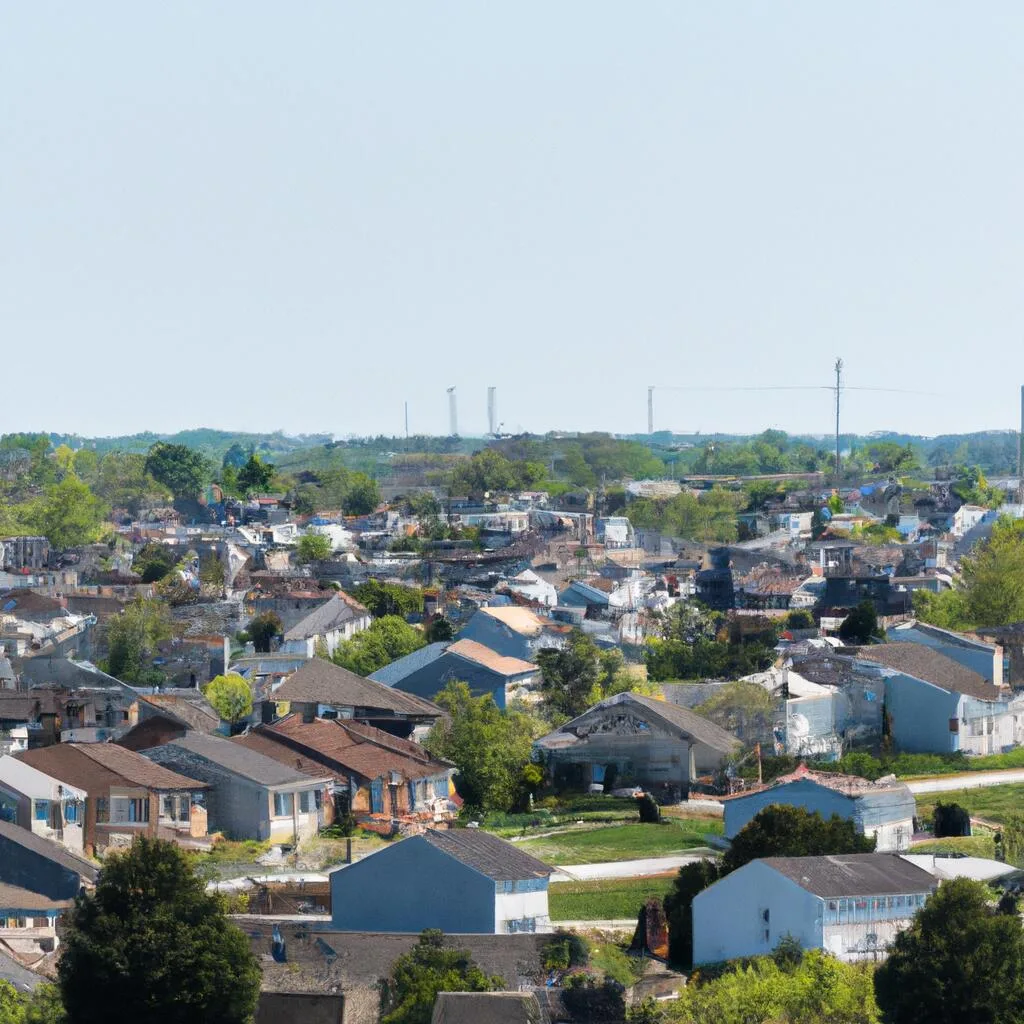
Wilmore sits on the rolling limestone ridges of Jessamine County, where century-old homes near Asbury University stand alongside newer subdivisions built on clay-heavy soil. That mix creates restoration challenges you won't find in a typical suburb - slow-draining lots, older plumbing, and basements that take on water during Kentucky's heavy spring rains.
Property owners here rely on a full range of restoration work, including:
- Water Damage Restoration - extraction, structural drying, and moisture mapping after burst pipes, appliance failures, or roof leaks
- Flooded Basement Cleanup - pumping standing water, removing saturated materials, and drying foundation walls
- Sewage Cleanup - safe removal of contaminated water, antimicrobial treatment, and disposal of porous materials
- Fire Damage Restoration - debris removal, soot cleaning, structural stabilization, and content recovery
- Smoke Damage Restoration - odor neutralization, HVAC cleaning, and surface treatment for lingering residue
- Mold Removal - containment, spore control, affected material removal, and moisture source correction
Fast response matters most in the first hours. Water spreads through subfloors and wall cavities quickly, smoke residue becomes acidic and etches surfaces, and mold colonies can establish within a couple of days in humid Kentucky conditions. Before-and-after documentation across the region shows homes stripped to studs and basements fully rebuilt after mold and mud - proof that even serious damage is recoverable with the right process.
Common Damage Restoration Issues in Wilmore, Kentucky
Local geography and building age drive most of the calls in and around Wilmore. The Kentucky River palisades, limestone bedrock, and clay subsoil all influence how water behaves on a property.
Frequent Causes of Damage
- Spring thunderstorms overwhelming gutters, downspouts, and basement drains
- Clay soil holding moisture against foundation walls, pushing water through cracks
- Older cast iron and clay sewer laterals cracking or clogging with root intrusion
- Frozen and burst supply lines in unheated crawl spaces during January cold snaps
- Sump pump failures during extended power outages
- Kitchen fires, space heaters, and chimney issues in older homes with original flues
- Attic condensation and poor ventilation feeding hidden mold growth
Warning Signs Worth Acting On
- Musty odors in basements, closets, or near HVAC returns - often the first sign of mold before anything is visible
- Efflorescence, the white chalky residue on block foundation walls, indicating repeated moisture
- Cupping or buckling hardwood, especially near dishwashers, refrigerators, and water heaters
- Slow floor drains or gurgling toilets, which frequently precede a sewage backup
- Yellow-brown ceiling stains that reappear after painting
- Persistent smoke odor that returns on humid days after a small fire
- Peeling paint or soft drywall along baseboards
Ignoring early signs almost always widens the scope of work. A small supply line leak behind a vanity can become a subfloor replacement and mold remediation project within weeks.
Neighborhoods We Serve in Wilmore
Restoration crews cover the full Wilmore footprint and the surrounding Jessamine County communities.
- Downtown Wilmore and the Asbury University area - historic homes, student rentals, and campus-adjacent properties along Lexington Avenue and Main Street
- Established residential streets near Wilmore Elementary and the city park
- Newer subdivisions along Lexington Road and the US 68 corridor
- Rural properties toward High Bridge, Camp Nelson, and the Kentucky River palisades
- Surrounding communities including Nicholasville, Keene, Little Hickman, and southern Jessamine County
- Nearby coverage extending to Versailles, Harrodsburg, and southern Fayette County
Rural and river-adjacent addresses often have well water, septic systems, and longer drives - all factored into equipment staging so drying and extraction begin without delay.
Seasonal Damage Patterns in Wilmore
Central Kentucky's four distinct seasons each bring a different mix of restoration work.
Winter (December - February)
- Frozen and burst pipes in crawl spaces, garages, and exterior walls
- Ice dam leaks along older, poorly insulated rooflines
- Peak fire and smoke damage from furnaces, wood stoves, fireplaces, and space heaters
Spring (March - May)
- Heaviest flooded basement season as saturated clay soil pushes groundwater inward
- Sewage backups when storm volume overwhelms lines and laterals
- Storm-driven roof and window leaks from severe thunderstorms
Summer (June - August)
- Peak mold season with high humidity and warm temperatures
- Air conditioning condensate line clogs flooding closets and ceilings
- Lightning strikes and outdoor grilling fires
Fall (September - November)
- Leaf-clogged gutters redirecting water to foundations
- Chimney and flue fires as heating systems restart
- Lingering summer moisture surfacing as visible mold in basements and attics
Housing Characteristics & Restoration Considerations
Wilmore's housing stock spans well over a century, and the construction era shapes nearly every restoration decision.
Older Homes Near Campus and Downtown
- Balloon framing that lets water and smoke travel vertically between floors through open wall cavities
- Plaster and lath walls that hold moisture longer than drywall and require careful drying rather than automatic removal
- Original hardwood floors worth saving with specialized floor drying mats
- Stone or unsealed block foundations prone to seepage and efflorescence
- Knob-and-tube or aging wiring that raises fire risk and complicates demolition
- Potential lead paint and asbestos in materials predating the late 1970s, requiring careful handling
Mid-Century and Newer Construction
- Finished basements with carpet, padding, and drywall that absorb water fast during flooding
- Crawl spaces with vapor barriers that trap moisture when improperly installed
- Tighter building envelopes that hold humidity and smoke odor inside
- Engineered wood and laminate flooring that swells permanently once saturated
- Attached garages where fire and smoke migrate quickly into living space
What This Means for Restoration
- Moisture readings are taken in multiple materials, since plaster, subfloor, and framing dry at different rates
- Containment barriers are set before any demolition to keep spores and soot from spreading
- Salvageable historic trim and millwork is cataloged and cleaned rather than discarded
- Drying equipment placement is adjusted for open floor plans versus compartmentalized older layouts
Environmental Conditions & Damage Implications
Jessamine County's climate and geology work together to make moisture the leading restoration issue in Wilmore.
Climate Factors
- Roughly 45 inches of annual rainfall, much of it arriving in concentrated spring and summer storms
- Summer relative humidity frequently above 70 percent, keeping indoor moisture elevated
- Freeze-thaw cycling through winter that widens foundation cracks year after year
- Occasional severe weather with high winds, hail, and lightning
Soil and Water Conditions
- Limestone karst bedrock with sinkholes, fissures, and unpredictable underground water movement
- Clay-rich topsoil that drains slowly and expands when wet, pressing against basement walls
- Hard, mineral-heavy water that scales fixtures, water heaters, and supply lines, shortening their lifespan
- Rural properties on septic systems where saturated drain fields lead to backups indoors
- Proximity to the Kentucky River and its tributaries influencing groundwater levels on low-lying lots
Effects on Restoration Work
- Higher ambient humidity means dehumidification runs longer and equipment must be sized accordingly
- Karst drainage can reintroduce groundwater into a basement even after extraction, so the source is addressed alongside drying
- Sewage cleanup in septic-served homes includes full sanitizing plus guidance on drain field capacity
- Smoke odor lingers longer in humid air, making thermal fogging and hydroxyl or ozone treatment more important
- Post-remediation moisture verification confirms structures reach dry standard before rebuilding begins
Protecting Wilmore Basements from Repeat Water and Mold Problems
Basements handle the majority of restoration calls in Wilmore, and the same homes often flood more than once. Breaking that cycle takes both proper cleanup and correction of what let the water in.
The Restoration Sequence
- Assessment and safety check - electrical hazards identified, water category determined, and contamination level established before anyone enters
- Extraction - submersible pumps and truck-mounted units remove standing water
- Material removal - saturated carpet padding, insulation, and drywall cut back above the water line
- Cleaning and sanitizing - antimicrobial application on all affected surfaces, with full disinfection protocols for sewage-involved losses
- Structural drying - air movers and commercial dehumidifiers positioned for airflow across walls, framing, and slab
- Monitoring - daily moisture readings logged until materials reach dry standard
- Reconstruction - drywall, flooring, trim, and paint restored to pre-loss condition
Preventing the Next Event
- Extend downspouts at least six feet from the foundation, further on clay-heavy lots
- Regrade soil so it slopes away from the house on all sides
- Install a battery backup sump pump - Kentucky storms that flood basements also knock out power
- Clear gutters twice yearly, especially after fall leaf drop
- Have sewer laterals camera-inspected on older properties for root intrusion
- Run a dehumidifier through summer to hold basement humidity below 50 percent
- Seal visible foundation cracks and monitor them for widening
- Store valuables and documents on shelving rather than the floor
Documented recoveries across Kentucky - including basements gutted after mold and mud and homes taken to studs after fire - show that thorough drying, containment, and rebuilding return properties to fully livable condition. The difference between a modest repair and a major reconstruction usually comes down to how quickly the response starts.





