Damage Restoration in Hillsborough County, NH
- Damage Restoration Services Overview
- Common Damage Restoration Issues in Hillsborough County, New Hampshire
- Neighborhoods We Serve in Hillsborough County
- Seasonal Damage Patterns in Hillsborough County
- Housing Characteristics & Restoration Considerations
- Environmental Conditions & Damage Implications
- Storm Response and 24/7 Emergency Coverage in Hillsborough County
Damage Restoration Services Overview
Standing water in a basement or the smell of smoke in a hallway changes a household in minutes. Property damage in Hillsborough County rarely announces itself, and the hours right after discovery shape how much of your home can be saved.
Restoration teams serving the county respond around the clock, from the first phone call through drying, cleaning, and reconstruction. Emergency and same-day service keeps small failures from becoming structural problems.
Services Available Across the County
- Water Damage Restoration - extraction, structural drying, moisture mapping, and monitoring after pipe breaks, appliance failures, and roof leaks
- Flooded Basement Cleanup - pump-out, content removal, sanitizing, and dehumidification for below-grade spaces
- Sewage Cleanup - containment, removal of contaminated materials, antimicrobial treatment, and safe disposal after backups
- Fire Damage Restoration - board-up, debris removal, structural cleaning, and rebuilding of burned areas
- Smoke Damage Restoration - soot removal from surfaces, HVAC cleaning, odor neutralization, and content restoration
- Mold Removal - containment barriers, HEPA filtration, affected material removal, and moisture source correction
Why Fast Response Matters Here
- Cold-weather freezing accelerates secondary damage in unheated spaces
- Mold colonies can begin forming within a day or two on damp drywall and framing
- Soot residue becomes acidic and etches metal, glass, and finished surfaces
- Documentation gathered early supports smoother insurance claims
Common Damage Restoration Issues in Hillsborough County, New Hampshire
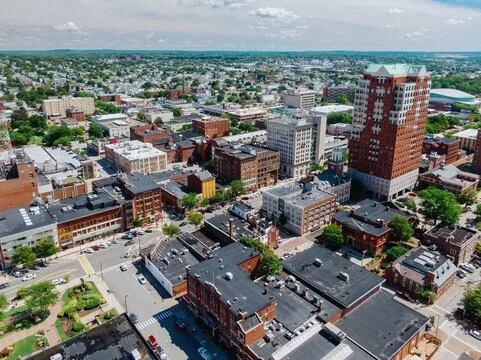
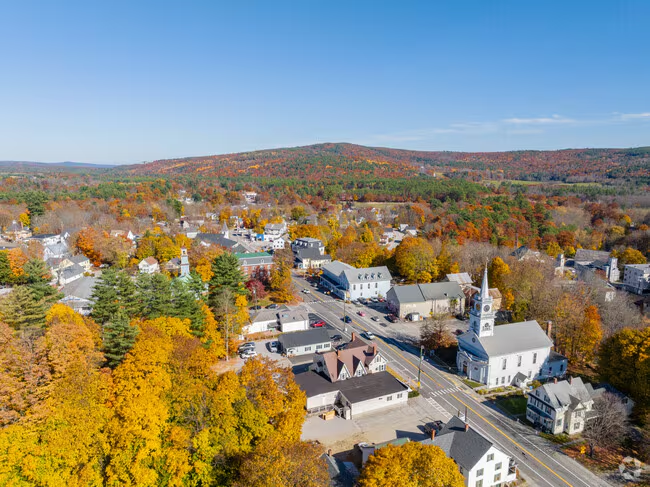
Hillsborough County spans dense mill-city neighborhoods, hill towns, and river valleys along the Merrimack, Souhegan, and Contoocook. That mix creates a wide range of damage scenarios.
Frequent Causes of Loss
- Frozen and burst pipes in crawlspaces, exterior walls, and vacation properties left at low heat
- Groundwater intrusion through fieldstone and block foundations during spring melt
- Storm damage - early morning storms have brought trees down across the Hillsboro and Claremont areas, tearing open roofs and cutting power to sump pumps
- Sewer and septic backups when saturated ground overwhelms leach fields or municipal lines surcharge
- Chimney, wood stove, and space heater fires during long heating seasons
- Kitchen grease fires that push smoke and soot through entire floor plans
Warning Signs Worth Acting On
- Musty odors that intensify after rain or when the furnace runs
- Efflorescence, white chalky streaks, or peeling paint on basement walls
- Buckled hardwood, soft baseboards, or stained ceiling tiles
- Slow floor drains or gurgling fixtures - an early sign of a sewage backup
- Yellow-brown staining above trim after a small kitchen or chimney fire
- Persistent smoke odor returning on humid days, which points to residue in ductwork
Older housing stock in Manchester, Nashua, and the surrounding towns often hides plumbing and wiring inside plaster walls, so visible damage usually understates what is behind the surface.
Neighborhoods We Serve in Hillsborough County
Coverage extends across the county's cities, mill villages, and rural roads.
- Manchester - the North End, West Side, Rimmon Heights, Hallsville, and downtown mill conversions
- Nashua - French Hill, Crown Hill, North End, and the Amherst Street corridor
- Hillsborough and Hillsboro Center - including areas along Route 9 and the Contoocook River
- Merrimack, Bedford, Goffstown, and Hooksett
- Milford, Amherst, Hollis, and Brookline
- Peterborough, Antrim, Bennington, Greenfield, and Francestown
- New Boston, Weare, Deering, and Windsor
- Litchfield, Pelham, and Mont Vernon
Crews also work the surrounding Merrimack County towns - Concord, Bow, Canterbury, and Loudon - from a base at 20 Riverland Rd, Unit 4 in Canterbury. If your town or village is not listed, call and coverage can be confirmed.
Seasonal Damage Patterns in Hillsborough County
Each season brings a different mix of calls across the county.
- December through February - frozen pipe bursts, ice dam leaks along eaves, chimney and heating equipment fires, and smoke damage from wood stoves and fireplaces
- March and April - snowmelt combined with rain saturates soil, driving flooded basements, sump pump failures, and septic backups
- May and June - mold growth accelerates as humidity climbs and winter moisture stays trapped in framing and insulation
- July and August - thunderstorms and microbursts bring wind-driven rain, downed trees, roof punctures, and lightning-related fires
- September and October - tropical storm remnants push river levels up along the Merrimack and Souhegan, flooding low-lying basements
- November - first hard freezes catch unwinterized hose bibs, seasonal camps, and unheated additions
Year-Round Concerns
- Slow supply-line leaks behind dishwashers and refrigerators
- Hidden mold in finished basements and behind bathroom tile
- Sewage backups triggered by root intrusion in older clay laterals
Housing Characteristics & Restoration Considerations
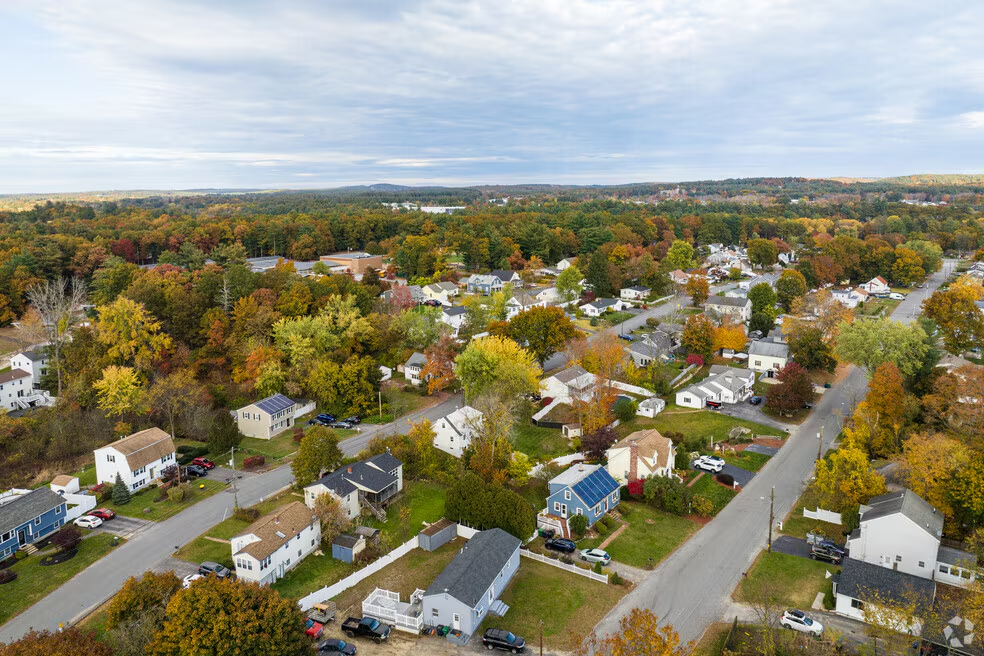
Hillsborough County holds some of New Hampshire's oldest and densest housing alongside newer suburban subdivisions. Construction era drives nearly every restoration decision.
Common Building Types
- 19th-century farmhouses and capes - post-and-beam framing, fieldstone foundations, horsehair plaster, and dirt or partial-slab cellars
- Manchester and Nashua triple-deckers - shared stairwells and balloon framing that let smoke and fire travel between floors quickly
- Converted mill lofts - heavy timber, brick masonry, and open floor plates that hold moisture and odor
- Mid-century ranches and split-levels - block foundations, finished basements, and original ductwork
- 1990s-present colonials - dimensional lumber, engineered subfloors, and poured concrete basements
How Age Affects the Work
- Plaster and lath dry slower than drywall and often need targeted cavity drying rather than removal
- Homes built before 1980 may contain asbestos in floor tile, pipe insulation, and joint compound - testing precedes demolition
- Lead paint in pre-1978 properties requires careful containment during fire and water repairs
- Stone and rubble foundations wick groundwater constantly, making dehumidification and drainage correction part of mold removal
- Finished basements with carpet, paneling, and framed walls hold contamination after sewage backups and usually need selective removal
- Balloon-framed walls give fire and smoke a vertical path, so inspection extends well above the visible burn area
Environmental Conditions & Damage Implications
The county's climate and geology work against drying and in favor of mold. Restoration plans account for both.
Climate Factors
- Roughly 45 inches of annual precipitation plus 50 to 70 inches of snow across the higher western towns
- Humid summers with dew points that stall evaporative drying without mechanical dehumidification
- Deep frost lines that heave foundations and crack older mortar joints
- Sharp freeze-thaw cycling that opens gaps for water entry at sills and window wells
Soil, Water, and Air
- Glacial till and hardpan across much of the county drain poorly, holding water against foundation walls
- Ledge and shallow bedrock in Peterborough, Antrim, and the hill towns push runoff sideways into cellars
- Sandy river terraces along the Merrimack drain faster but sit near a high water table
- Private wells and septic systems in rural towns raise contamination concerns during flooding and sewage events
- Radon-prone bedrock means basement work often pairs with attention to sealing and ventilation
- Wood smoke and pollen loading in indoor air makes HEPA filtration and duct cleaning valuable after fire and mold jobs
These conditions explain why simply extracting water is not enough. Moisture readings, containment, and correcting the source keep the problem from returning next season.
Storm Response and 24/7 Emergency Coverage in Hillsborough County
Storms here move fast. Early morning systems have knocked down multiple trees between Hillsboro area roads, with local police departments reporting closures while crews clear the way - and every one of those calls has the potential to become a water or fire loss.
What Happens After a Storm Hits
- First call - a dispatcher gathers the address, damage type, and safety concerns, day or night
- Emergency stabilization - board-up, roof tarping, and shutoff of water or power feeds to the damaged area
- Water extraction - truck-mounted and portable equipment removes standing water from basements and living space
- Moisture mapping - meters and thermal imaging locate water inside walls, under flooring, and in insulation
- Drying and treatment - air movers, dehumidifiers, and antimicrobial application, with daily monitoring
- Cleaning and odor work - soot removal, HVAC cleaning, and deodorization when fire or smoke is involved
- Reconstruction - drywall, flooring, trim, and paint to return the space to pre-loss condition
Steps Property Owners Can Take Before Crews Arrive
- Shut off electricity to flooded areas if the panel can be reached safely
- Stay out of any space touched by sewage until it is contained
- Photograph damage from several angles for the insurance file
- Move small valuables and documents to a dry upper floor
- Leave soot-covered surfaces alone - wiping spreads residue and sets stains
- Prop open interior doors to help air circulate once power is restored
Preparing for the Next Event
- Test sump pumps each spring and add a battery backup
- Insulate pipes in crawlspaces, garages, and exterior walls before November
- Clear gutters and extend downspouts away from the foundation
- Schedule chimney and wood stove inspections before heating season
- Trim limbs overhanging the roof, especially near power service lines
Around-the-clock response means help is available from the first call through the full restoration process, for homeowners and business owners across Hillsborough County.