
Damage Restoration in Manchester, NH
- Damage Restoration Services Overview
- Common Damage Restoration Issues in Manchester, New Hampshire
- Neighborhoods We Serve in Manchester
- Seasonal Damage Patterns in Manchester
- Housing Characteristics & Restoration Considerations
- Environmental Conditions & Damage Implications
- Working With Insurance and the Restoration Timeline in Manchester
Damage Restoration Services Overview
It's a February morning on the West Side. You head downstairs for laundry and step into two inches of cold water spreading across the basement slab - a supply line behind the washer let go sometime overnight.
Situations like this move fast in Manchester homes. Water wicks into subflooring, drywall, and insulation within hours, and mold colonies can follow within a few days if drying is delayed.
Full-service restoration in the Queen City typically covers:
- Water damage restoration - burst pipes, appliance failures, roof leaks, and storm intrusion
- Flooded basement cleanup - sump pump failures, foundation seepage, and Merrimack River-adjacent groundwater
- Sewage cleanup - backed-up municipal lines, failed ejector pumps, and Category 3 contamination
- Fire damage restoration - structural cleaning, content pack-out, and rebuild coordination
- Smoke damage restoration - soot removal, HVAC decontamination, and odor neutralization
- Mold removal - containment, HEPA filtration, and affected material removal
Benefits Manchester property owners gain from a coordinated response:
- Faster drying reduces secondary damage to hardwood, plaster, and framing
- Documentation and moisture logs that support insurance claims
- One team handling mitigation through reconstruction
- Local crews familiar with older Manchester housing stock and city sewer behavior
Common Damage Restoration Issues in Manchester, New Hampshire
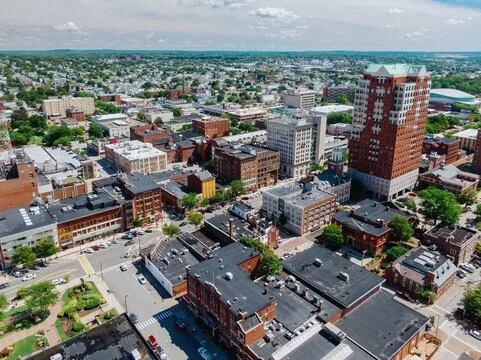
Manchester sits in a cold, humid climate zone with dense older neighborhoods and significant elevation changes down to the Merrimack River. That combination produces a predictable set of restoration calls.
Frequent Causes of Damage
- Frozen and burst pipes - uninsulated lines in crawl spaces, mill-era basements, and exterior walls
- Ice dams - meltwater backing under shingles into attic insulation and ceilings
- Sump pump failure - overwhelmed during spring snowmelt or knocked out by power outages
- Sewer backups - combined sewer sections and heavy rain events pushing wastewater into floor drains
- Heating-season fires - woodstoves, space heaters, chimney creosote, and aging knob-and-tube or overloaded circuits
- Kitchen grease fires - the most common residential smoke source year-round
- Hidden mold - behind bathroom tile, under carpet padding, and inside stone foundation walls
Warning Signs Worth Acting On
- Musty, earthy odor in the basement or on the first floor after rain
- Efflorescence, white chalky deposits, or dampness on foundation walls
- Bubbling paint, sagging drywall seams, or cupping hardwood
- Gurgling drains or slow floor drains during storms
- Soot film on windowsills or a persistent smoke smell that returns with humidity
- Increased asthma or allergy symptoms indoors that ease when you leave the house
Small signs rarely stay small in New England winters. Trapped moisture behind a wall stays wet far longer when the building is sealed tight against the cold.
Neighborhoods We Serve in Manchester
Restoration crews respond across the city and the surrounding Hillsborough County communities.
- North End - larger early-1900s homes with plaster walls and finished attics
- West Side / Notre Dame area - dense triple-deckers and multi-family properties
- Rimmon Heights and Bakersville - older single-family stock with stone and block foundations
- Hallsville and Youngsville - mid-century capes and ranches
- Straw / Smyth Road corridor - suburban-style homes with finished basements
- Downtown and the Millyard - converted mill buildings, lofts, and commercial spaces
- South Willow and the Wellington area - retail, restaurant, and light industrial properties
Service also extends to Bedford, Goffstown, Hooksett, Litchfield, Auburn, Candia, Londonderry, Derry, Merrimack, and Nashua throughout Southern New Hampshire.
Seasonal Damage Patterns in Manchester
Restoration demand in Manchester follows the calendar closely.
- December - February: Peak frozen pipe season. Also the heaviest window for heating-related fire and smoke damage from woodstoves, chimneys, and space heaters.
- Late February - March: Ice dam leaks into ceilings and exterior walls as roof snow melts and refreezes on cold eaves.
- March - April: Snowmelt plus spring rain overwhelms sump pumps and saturates soil, producing the year's highest volume of flooded basement calls and foundation seepage.
- April - May: Sewage backup calls rise as saturated ground and heavy runoff pressure older laterals and floor drains.
- June - August: Humidity climbs. Mold growth accelerates in basements, crawl spaces, and any area dried improperly earlier in the year. Thunderstorms bring wind-driven rain and roof leaks.
- September - October: Remnants of coastal storms deliver sustained rainfall and localized flooding.
- November: First hard freezes catch unprotected hose bibs and vacation properties, and heating systems fire up after months idle - a common ignition and soot-puffback point.
Housing Characteristics & Restoration Considerations
Manchester has some of the oldest housing stock in New Hampshire. A large share of homes were built before 1950, with mill-era multi-families and Victorians concentrated near downtown and the West Side.
Construction Features That Shape Restoration Work
- Stone and rubble foundations - porous, hard to seal, and prone to chronic basement moisture and mold
- Plaster and lath walls - hold water far longer than drywall and often need specialty drying or selective demolition
- Balloon framing - open wall cavities let water travel between floors and let fire and smoke spread vertically
- Wood-frame triple-deckers - shared walls mean one unit's water or smoke event affects neighbors
- Hardwood floors over board subfloor - requires controlled drying to avoid permanent cupping
- Retrofitted insulation and vinyl siding - can trap moisture in older wall assemblies
- Finished basements - carpet, paneling, and studs against foundation walls hide long-term mold growth
Practical Implications
- Pre-1978 homes require lead-safe practices during demolition
- Older tile, mastic, and pipe wrap may warrant asbestos screening before removal
- Knob-and-tube or aging panels raise fire risk and complicate rebuild scope
- Converted mill lofts have exposed brick, heavy timber, and open ceilings that hold smoke odor and need specialized cleaning
Fire restoration costs in Manchester reflect this range - minor smoke and soot cleanup typically falls in the low thousands, while a full structural rebuild after a major fire can reach well into six figures.
Environmental Conditions & Damage Implications
Manchester's climate and geology directly influence how damage develops and how restoration is executed.
Climate
- Cold winters with extended sub-freezing stretches - high pipe freeze exposure
- Roughly 40+ inches of annual precipitation plus substantial snowfall
- Humid summers pushing indoor relative humidity above the 60% mold threshold
- Sharp freeze-thaw cycling that cracks foundations, mortar joints, and driveways
Soil and Groundwater
- Glacial till and sandy-to-clay-loam soils across the region with variable drainage
- Ledge and shallow bedrock in higher neighborhoods force water sideways toward foundations
- Merrimack River floodplain and Piscataquog confluence areas hold higher water tables
- Spring frost heave shifts footing drains and cracks slabs
Water and Air Quality
- Municipal supply draws from Lake Massabesic; hardness and mineral content can accelerate wear on supply lines and water heaters
- Some outlying properties on private wells face sediment and iron issues that stain and corrode
- Radon is common in New Hampshire granite regions - basement work should account for existing mitigation systems
- Winter inversions and summer ozone days affect ventilation strategy during smoke odor removal
These conditions mean drying targets should account for regional humidity, and basement waterproofing recommendations should reflect local soil behavior rather than generic advice.
Working With Insurance and the Restoration Timeline in Manchester
Most Manchester restoration projects involve an insurance claim, and how the first 48 hours are handled shapes the outcome of that claim.
What Happens After You Call
- Emergency contact and dispatch - crews respond around the clock across Manchester and Southern New Hampshire
- Safety and source control - shutting off water, isolating electrical hazards, and securing fire-damaged structures
- Assessment and documentation - moisture mapping, thermal imaging, photos, and a written scope
- Water extraction or debris removal - depending on whether the loss is water, sewage, or fire related
- Drying and stabilization - air movers, dehumidifiers, and daily moisture readings until materials reach dry standard
- Cleaning and decontamination - antimicrobial application, HEPA vacuuming, soot removal, and odor treatment
- Reconstruction - drywall, flooring, paint, and finish work to return the property to pre-loss condition
How to Strengthen Your Claim
- Photograph everything before anything is moved or removed
- Report the loss to your carrier promptly and record the claim number
- Keep damaged items until the adjuster has viewed them, unless they pose a health hazard
- Save receipts for temporary lodging, fans, or emergency purchases
- Ask that the restoration company communicate directly with your adjuster
Coverage Points Manchester Homeowners Miss
- Standard policies generally exclude surface flooding - a separate flood policy applies in Merrimack floodplain areas
- Sewer and drain backup coverage is often an optional endorsement, not automatic
- Mold coverage is frequently capped, which makes fast drying financially important
- Gradual leaks may be denied, while sudden and accidental discharge is typically covered
A local team that documents thoroughly and coordinates directly with your carrier reduces back-and-forth and keeps the project moving.





