
Damage Restoration in Bozeman, MT
- Damage Restoration Services Overview
- Common Damage Restoration Issues in Bozeman, Montana
- Neighborhoods We Serve in Bozeman
- Seasonal Damage Patterns in Bozeman
- Housing Characteristics & Restoration Considerations
- Environmental Conditions & Damage Implications
- 24/7 Emergency Response Across the Gallatin Valley
Damage Restoration Services Overview
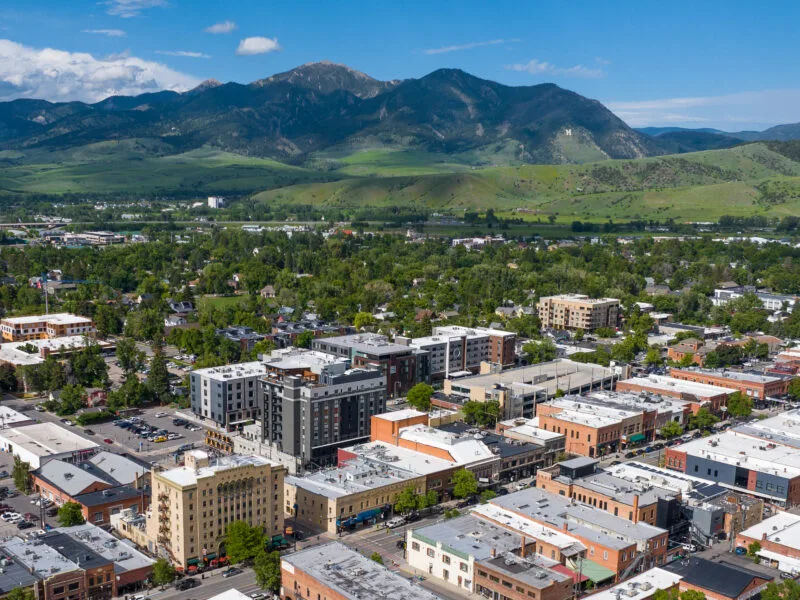
Water spreads through drywall, subfloor, and insulation within hours, and smoke residues start etching into surfaces almost immediately after a fire is out. In Bozeman, where sub-zero nights and rapid spring melt put constant pressure on plumbing and foundations, a fast response is the difference between drying a room and rebuilding it.
Buffalo Restoration handles the full range of property damage from the first emergency call through the final coat of paint:
- Water Damage Restoration - extraction, structural drying, and moisture mapping after supply line breaks, appliance failures, ice dams, and roof leaks
- Flooded Basement - pump-out, contents handling, and drying of below-grade spaces affected by snowmelt, groundwater, or sump pump failure
- Sewage Cleanup - containment, removal of contaminated materials, and antimicrobial treatment after backups and septic overflows
- Fire Damage Restoration - board-up, debris removal, structural cleaning, and reconstruction
- Smoke Damage Restoration - soot removal, odor neutralization, and HVAC cleaning, including damage from regional wildfire smoke
- Mold Removal - containment, remediation, and correction of the moisture source feeding the growth
You may know Buffalo Restoration for restoration and cleaning, but we also provide standalone remodeling and handyman services - so the same crew that dries your home can rebuild it.
Common Damage Restoration Issues in Bozeman, Montana
Gallatin Valley homes face a specific set of stressors tied to elevation, freeze-thaw cycles, and a short but intense runoff season. Most calls trace back to a handful of predictable causes.
Frequent Causes of Loss
- Frozen and burst pipes in crawl spaces, garages, and exterior walls during extended cold snaps
- Ice dams on north-facing roof planes that push meltwater under shingles and into ceilings
- Spring runoff from the Bridgers and Gallatin Range saturating soils and raising groundwater against foundations
- Sump pump and sewer line failures in older basements and homes with mature tree roots in lateral lines
- Wood stove, chimney, and cooking fires that leave heavy soot loads through the entire structure
- Wildfire smoke infiltration during late-summer inversions in the valley
- Hidden mold behind tile, under laminate, and in tightly sealed newer construction
Warning Signs Worth Acting On
- Musty odors in a basement or crawl space, especially after a warm spell
- Staining, bubbling paint, or a soft spot on baseboard trim
- Gurgling floor drains or slow basement fixtures - often the first hint of a sewer backup
- Sooty film on window glass or a smoke smell that returns when the furnace runs
- Efflorescence or white powder on foundation walls, signaling ongoing moisture movement
- Unexplained allergy symptoms that improve when occupants leave the house
Catching any of these early narrows the scope of work and keeps a drying job from becoming a demolition and rebuild project.
Neighborhoods We Serve in Bozeman
Our crews cover the city and the surrounding Gallatin Valley, with response routes planned around winter road conditions.
- Downtown and the Bon Ton Historic District - century-old homes with stone foundations and original plaster
- Northeast Bozeman (NENA) - mixed-age housing, older service lines, and converted structures
- South Side and the MSU area - rentals, basement apartments, and multi-unit properties
- Valley West, Baxter Meadows, and Norton Ranch - newer subdivisions with high-efficiency envelopes
- Bridger Canyon and the Sourdough / Kagy corridor - well and septic properties on steeper terrain
- Four Corners, Gallatin Gateway, Belgrade, and Manhattan
- Big Sky, Livingston, Three Forks, and Ennis
Commercial clients along North 7th, Main Street, and the Cannery District receive the same 24/7 emergency coverage.
Seasonal Damage Patterns in Bozeman
Damage types in the valley follow a reliable annual rhythm. Knowing the pattern helps homeowners prepare before the phone call becomes urgent.
- December through February - peak frozen pipe season. Burst supply lines in crawl spaces and vacation homes left at low heat drive most water damage calls, alongside chimney and wood stove fires.
- February through March - ice dam season. Freeze-thaw swings send meltwater under roofing and down interior walls, often discovered as ceiling stains.
- April through June - runoff and flooded basement season. Saturated soils raise the water table, overwhelm sump pumps, and push groundwater through foundation cracks. Sewer backups spike when systems run at capacity.
- June through August - mold growth accelerates in spaces that were wetted in spring and never fully dried. Thunderstorms bring wind-driven rain and lightning-related fires.
- August through September - wildfire smoke settles into the valley during inversions, leaving odor and fine soot in HVAC systems and soft goods.
- October through November - heating systems restart, furnace puff-backs occur, and the first hard freeze catches unwinterized hose bibs and irrigation lines.
Housing Characteristics & Restoration Considerations
Bozeman's housing stock spans more than a century, and the age of a structure dictates how it absorbs water, how smoke travels, and how mold hides.
Older Homes (pre-1960)
- Rubble stone or unsealed concrete foundations that wick groundwater during runoff
- Plaster and lath walls that hold moisture far longer than modern drywall and require specialized drying
- Balloon framing that lets smoke and soot travel vertically from basement to attic in minutes
- Cast iron and clay sewer laterals prone to root intrusion and backups
- Original hardwood floors that can often be saved with fast extraction and controlled drying
Mid-Century and 1970s-1990s Homes
- Finished basements with paneling and carpet that trap water against the slab
- Crawl spaces with minimal vapor barrier - a common mold source
- Polybutylene or aging copper supply lines vulnerable to freeze splits
Newer Construction and Subdivisions
- Tight, well-insulated envelopes that hold humidity in when a leak occurs, feeding rapid mold growth
- Engineered wood subfloor and I-joists that swell and delaminate quickly
- Daylight basements and egress window wells that collect surface water
- Open floor plans that spread smoke odor across the entire main level
Because Buffalo also offers reconstruction, remodeling, and handyman work, the drying phase moves directly into cabinetry, flooring, trim, and paint without handing your project to an outside contractor.
Environmental Conditions & Damage Implications
Bozeman sits near 4,800 feet in a semi-arid, high-elevation valley - conditions that shape every restoration plan we build.
Climate and Air
- Low ambient humidity aids drying, but it also masks trapped moisture inside wall cavities where surfaces feel dry to the touch
- Wide daily temperature swings create condensation on cold framing and inside crawl spaces
- Winter inversions and late-summer wildfire smoke degrade indoor air, loading filters and depositing fine particulate on soft surfaces
- Heavy snow loads and rapid melt cycles stress roofs, gutters, and grading
Water and Soil
- Gravelly alluvial soils across the valley floor drain fast but transmit runoff quickly toward foundations
- A seasonally high water table in low-lying and west-side areas pushes moisture through slabs and cold joints
- Clay pockets in parts of the valley hold water against foundation walls and slow subsurface drying
- Hard, mineral-rich water contributes to scale, pinhole leaks, and appliance supply line failures
- Rural properties on septic face backup risk when drain fields saturate during spring runoff
These conditions mean moisture meters, thermal imaging, and documented drying logs matter more than surface appearance. They also explain why mold remediation here almost always includes correcting drainage, vapor barriers, or ventilation - not just removing the visible growth. Sewage cleanup on septic systems adds an extra containment and disinfection step to protect groundwater and occupants.
24/7 Emergency Response Across the Gallatin Valley
Disasters in Bozeman rarely wait for business hours. A pipe splits at 2 a.m. during a January cold snap, or a sewer line backs up on a Sunday in April. Every hour of delay expands the affected area, so our team stays on call around the clock.
What Happens After You Call
- Immediate phone triage - we walk you through shutting off water, power, or gas and securing the area safely.
- Rapid dispatch - a crew is routed from Bozeman toward your address, with winter road conditions factored into the plan.
- Emergency mitigation - standing water extraction, board-up and tarping after fire, or containment barriers around sewage and mold.
- Inspection and documentation - moisture mapping, thermal imaging, and photo records for your insurance carrier.
- Structural drying and cleaning - air movers, dehumidifiers, HEPA filtration, soot removal, and odor treatment monitored daily.
- Reconstruction - drywall, flooring, trim, cabinetry, and paint returning the space to pre-loss condition.
Why Local Response Matters Here
- Crews already know the valley's older neighborhoods, canyon roads, and subdivision layouts
- Familiarity with Bozeman building stock speeds accurate scoping of hidden damage
- Direct communication with regional insurance adjusters keeps claims moving
- In-house reconstruction and remodeling means one point of contact from cleanup through rebuild
- Thirty-plus years of Montana experience across water, fire, smoke, sewage, and mold losses
Whether it is a flooded basement in Valley West, smoke damage in a Bridger Canyon cabin, or mold behind a downtown bathroom wall, a fast, documented response protects your property, your budget, and your family's health.





