
Damage Restoration in Petal, MS
- Damage Restoration Services Overview
- Common Damage Restoration Issues in Petal, Mississippi
- Neighborhoods We Serve in Petal
- Seasonal Damage Patterns in Petal
- Housing Characteristics & Restoration Considerations
- Environmental Conditions & Damage Implications
- Storm Season Response and the Rebuild Process in Petal
Damage Restoration Services Overview
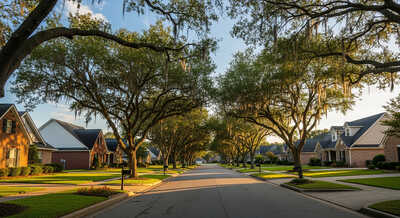
When water pours through a ceiling at midnight or smoke settles into every room after a kitchen fire, knowing that trained help is already on the way changes everything. Petal property owners have access to full-service restoration teams that handle the emergency response, the cleanup, and the rebuild - so one phone call covers the whole recovery.
Services available across Petal and the surrounding Forrest County area include:
- Water Damage Restoration - extraction, structural drying, moisture mapping, and repair of warped wood, stained drywall, and saturated flooring.
- Flooded Basement - pump-out, dehumidification, and treatment of below-grade spaces, crawlspaces, and sunken storage areas.
- Sewage Cleanup - removal of contaminated water, disinfection of affected surfaces, and safe disposal of porous materials.
- Fire Damage Restoration - debris removal, soot cleaning, structural stabilization, roof tarping, and board-up of doors and windows.
- Smoke Damage Restoration - odor neutralization, HVAC cleaning, and content restoration for items touched by smoke residue.
- Mold Removal - containment, air filtration, removal of colonized materials, and correction of the moisture source behind the growth.
Round-the-clock availability matters here. Disasters do not keep business hours, and the faster drying begins, the fewer materials end up in a dumpster.
Common Damage Restoration Issues in Petal, Mississippi
Petal sits along the Leaf River in a humid subtropical belt where heavy rain, hurricane remnants, and year-round moisture create predictable trouble for homes and businesses.
What Causes Damage Locally
- Tropical systems and severe thunderstorms pushing water through roof penetrations and wind-damaged shingles
- Leaf River and creek-adjacent flooding that saturates crawlspaces, slabs, and low-lying yards
- Overwhelmed municipal lines and septic backups during sustained rainfall, leading to sewage intrusion
- Aging supply lines, water heaters, and washing machine hoses failing without warning
- Kitchen grease fires, space heaters, and electrical faults in older wiring
- Lightning strikes during spring and summer storm season
Warning Signs Worth Acting On
- A musty odor that returns after cleaning - often the first clue of hidden mold behind baseboards or under vinyl flooring
- Buckled hardwood, soft subfloor, or tile that sounds hollow underfoot
- Brown ceiling rings that grow slowly between rain events
- Gurgling drains or slow tubs, which often precede a sewage backup
- Persistent smoke odor that intensifies with humidity, indicating residue still trapped in ductwork and insulation
- Condensation on interior walls or elevated indoor humidity that will not drop
Any of these signs deserves attention quickly. Mold can begin developing in damp materials within a day or two, and soot becomes more corrosive to metals and finishes the longer it sits.
Neighborhoods We Serve in Petal
Restoration crews cover Petal and the wider Hattiesburg metro, responding to residential streets, rental properties, churches, and commercial buildings alike.
- Downtown Petal and the Central Avenue corridor
- Neighborhoods along Highway 42 and Evelyn Gandy Parkway
- Sunrise and Old Richton Road areas
- Homes near Petal High School, Petal Middle School, and the Petal River Park area
- Leaf River-adjacent properties on the west side of town
- Macedonia, Carnes, and rural Forrest County addresses east of the city
- Neighboring communities including Hattiesburg, Oak Grove, Sumrall, Purvis, Richton, and Ellisville
Local familiarity speeds up response. Crews already know which streets pond during heavy rain, which subdivisions sit on shallow crawlspaces, and how to reach rural addresses when storm debris blocks the usual route.
Seasonal Damage Patterns in Petal
Spring (March - May)
- Severe thunderstorms, hail, and tornado activity bring roof breaches and wind-driven rain
- Saturated ground pushes water into crawlspaces and flooded basements
- Rising humidity restarts dormant mold growth
Summer (June - August)
- Peak mold season as indoor humidity climbs and AC systems struggle
- Condensation drain line clogs cause ceiling and closet water damage
- Lightning-related electrical fires increase during afternoon storms
Hurricane Season Peak (August - October)
- Tropical remnants deliver prolonged rainfall and extended power outages
- Sewage backups spike when lines and lift stations are overwhelmed
- Fallen trees require emergency tarping and board-up before drying can start
Winter (November - February)
- Occasional hard freezes burst uninsulated pipes in crawlspaces and exterior walls
- Fireplace, space heater, and holiday cooking fires drive smoke damage calls
- Puff-back from heating systems leaves soot film on walls and furnishings
Housing Characteristics & Restoration Considerations
Petal's housing stock spans mid-century cottages, 1970s and 1980s brick ranch homes, and newer subdivisions built over the past two decades. Each construction style responds differently to water, fire, and mold.
Construction Types and What They Mean
- Pier-and-beam with crawlspaces - common in older Petal homes; vented crawlspaces trap humidity, encouraging mold on floor joists and subfloor sheathing after even minor plumbing leaks.
- Slab-on-grade brick ranches - water spreads laterally under flooring and wicks into drywall, so moisture meters and cavity drying are needed rather than surface cleanup alone.
- Newer engineered-lumber framing - OSB subfloor and I-joists lose strength quickly when saturated and demand fast, controlled drying.
- Manufactured and modular homes - tight cavities and vinyl-backed insulation hold water against framing, complicating both water and sewage cleanup.
Restoration Implications
- Older homes often contain plaster, original hardwood, and knob-and-tube or aluminum wiring that require careful handling after fire or smoke damage.
- Pre-1980 materials may include asbestos-containing tile or joint compound, requiring testing before demolition.
- Homes with finished below-grade rooms or step-down dens face the same challenges as flooded basements elsewhere - standing water, contaminated carpet pad, and slow-drying wall cavities.
- Attic insulation in Petal homes absorbs smoke odor readily and frequently needs removal rather than cleaning.
Restoration plans account for these differences instead of applying a single drying template to every property.
Environmental Conditions & Damage Implications
South Mississippi's climate is one of the most demanding environments in the country for building materials. Annual rainfall regularly exceeds 60 inches, and relative humidity stays high through much of the year.
Climate and Moisture
- Warm, humid air keeps interior surfaces near dew point, slowing natural drying and extending equipment run times.
- Long summer stretches above 90 degrees push AC systems hard, producing condensation problems in ducts and closets.
- Mild winters mean mold rarely goes fully dormant - growth can continue year-round in unconditioned spaces.
Soil and Drainage
- Sandy loam and clay-heavy soils in the Pine Belt drain unevenly; clay pockets hold water against foundations after storms.
- Flat lots and shallow grading around older Petal homes direct runoff toward crawlspace vents.
- High seasonal water tables near the Leaf River contribute to persistent below-grade dampness.
Air and Water Quality Factors
- Pine pollen and airborne organic debris settle into damp materials and feed mold colonies.
- Smoke residue combines with humid air to form acidic films that etch glass, metal, and appliance finishes if left untreated.
- Floodwater and sewage backups in this region frequently carry soil bacteria, requiring antimicrobial treatment and removal of porous contents.
Effective restoration here means controlling humidity, not just removing visible water.
Storm Season Response and the Rebuild Process in Petal
Petal residents know the drill when a tropical system tracks toward the Pine Belt. What separates a manageable loss from a long-term problem is how quickly stabilization and drying begin after the wind stops.
Emergency Stabilization First
- Roof tarping over wind-torn shingles and tree impact points
- Board-up of broken windows and compromised doors to secure the property
- Water extraction and generator-powered drying when utilities are still down
- Content pack-out to protect furniture, documents, and valuables from ongoing exposure
How a Restoration Project Typically Unfolds
- Emergency contact - crews are dispatched around the clock, day or night, weekend or holiday.
- Inspection and moisture assessment - meters, thermal imaging, and category classification determine whether the loss involves clean water, gray water, or sewage.
- Water removal and extraction - truck-mounted and portable units pull standing water from floors, crawlspaces, and below-grade areas.
- Controlled drying and dehumidification - air movers and commercial dehumidifiers run until documented moisture targets are met.
- Cleaning, soot removal, and sanitizing - specialized methods for smoke residue, antimicrobial application for sewage and mold conditions, and odor treatment for the structure and HVAC system.
- Reconstruction - drywall, flooring, cabinetry, trim, wood damage repair, and dry rot correction to return the property to pre-loss condition.
Working With Your Insurance
- Documentation of moisture readings, photos, and material inventory supports the claim file
- Direct communication with adjusters reduces back-and-forth for homeowners
- Scope details are itemized so nothing hidden behind walls gets overlooked
Handling mitigation and rebuild under one roof keeps the timeline tight and prevents gaps where secondary mold damage takes hold.





