
Damage Restoration in Hattiesburg, MS
- Damage Restoration Services Overview
- Common Damage Restoration Issues in Hattiesburg, Mississippi
- Neighborhoods We Serve in Hattiesburg
- Seasonal Damage Patterns in Hattiesburg
- Housing Characteristics & Restoration Considerations
- Environmental Conditions & Damage Implications
- Storm Season Response and Insurance Documentation in the Pine Belt
Damage Restoration Services Overview
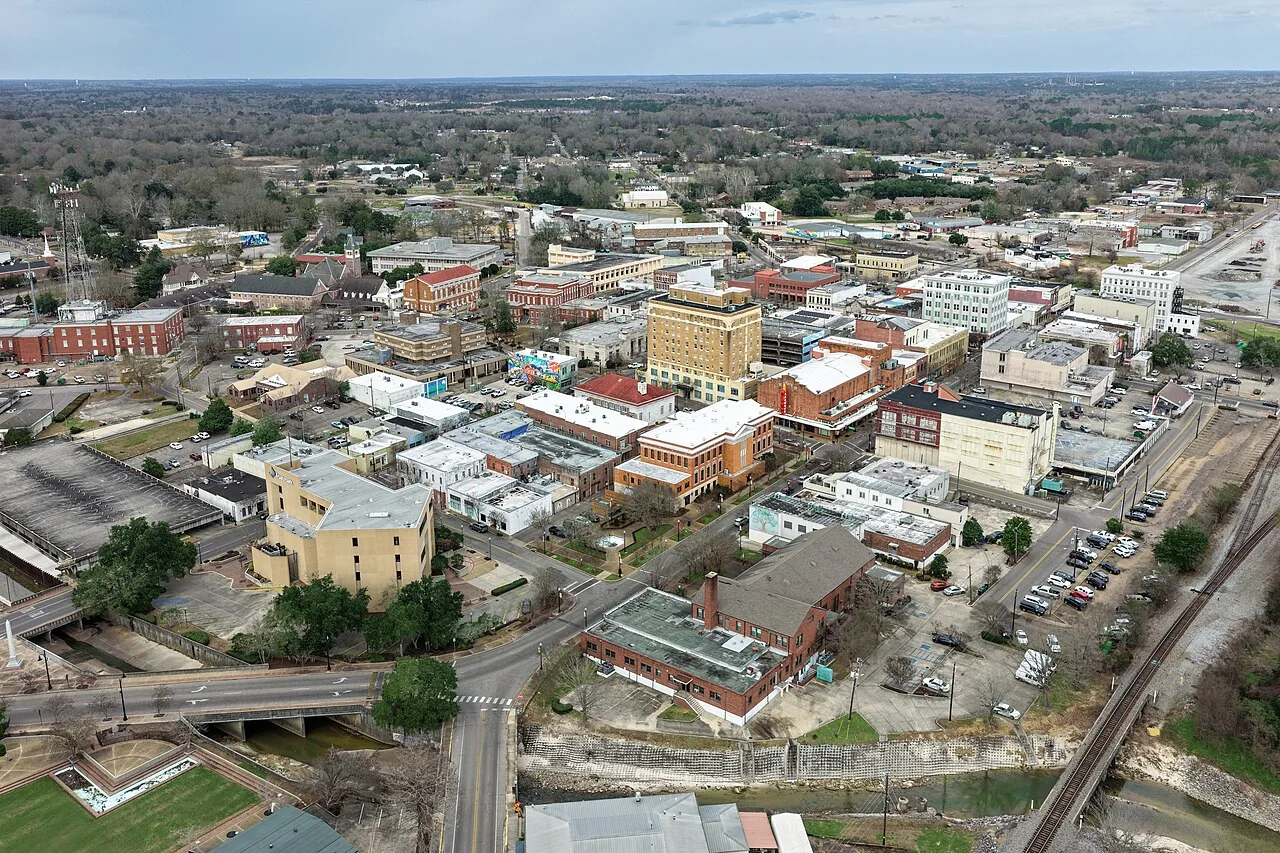
What happens to your Hattiesburg home in the hours after a pipe bursts, a storm pushes water under the door, or smoke settles into every soft surface in the house? The answer usually depends on how quickly trained help arrives.
Property damage rarely stays contained. Water travels through subfloors, smoke migrates through HVAC returns, and mold colonies establish themselves in the humid air that South Mississippi is known for. A full-service restoration team addresses the visible mess and the hidden damage behind it.
- Water Damage Restoration - extraction, structural drying, moisture mapping, and repairs after leaks, appliance failures, and roof intrusion
- Flooded Basement - pump-out, decontamination, and drying of below-grade rooms, crawl spaces, and sunken slabs
- Sewage Cleanup - safe removal of Category 3 water from backed-up toilets, failed lift stations, and septic overflow
- Fire Damage Restoration - debris removal, structural stabilization, content cleaning, and rebuild coordination
- Smoke Damage Restoration - soot removal, thermal fogging, odor neutralization, and duct cleaning
- Mold Removal - containment, HEPA filtration, antimicrobial treatment, and moisture-source correction
Benefits for Pine Belt homeowners include reduced secondary damage, documented insurance support, healthier indoor air, and a faster return to normal living.
Common Damage Restoration Issues in Hattiesburg, Mississippi
Hattiesburg sits where Gulf moisture, heavy convective rainfall, and aging housing stock meet - a combination that keeps restoration crews busy year-round.
Frequent Causes of Loss
- Plumbing leaks under sinks, behind tub surrounds, and inside wall cavities
- Broken appliances, including water heaters, washing machine supply hoses, and refrigerator ice lines
- Clogged toilets that overflow into hallways and adjacent rooms
- A leaking roof after wind-driven rain lifts shingles along Hardy Street corridors and older neighborhoods
- Broken or burst pipes during the occasional hard freeze that hits the Pine Belt
- Foundation cracks that let groundwater into slabs and crawl spaces
- Moisture behind walls or under floors that goes unnoticed for weeks
- Kitchen grease fires, space heaters, and lightning strikes during summer thunderstorms
Warning Signs Worth Acting On
- Musty odor in closets, laundry rooms, or along exterior walls
- Cupping or buckling hardwood and lifting vinyl plank seams
- Stained ceiling tiles or bubbling paint after heavy rain
- Gurgling drains or slow toilets, often the first hint of a sewer line problem
- Soot film on ceilings, blinds, or air vents that returns after cleaning
- Allergy-like symptoms that ease when you leave the house
Whatever the source, the course of action is the same: contact a Hattiesburg restoration professional right away so drying begins before mold growth starts.
Neighborhoods We Serve in Hattiesburg
Crews respond across Forrest and Lamar counties, covering historic districts, newer subdivisions, and rural properties alike.
- Historic Hattiesburg, Oaks District, and the Neighborhood Association areas near downtown
- Midtown and the University District surrounding Southern Miss and Hardy Street
- Westhaven, Timberton, Canebrake, and Bellegrass
- Dixie Pines, Country Club Estates, and Camp Shelby-area housing
- Palmers Crossing, Rawls Springs, and Glendale
- Petal, Oak Grove, Purvis, Sumrall, Richburg, and Lumberton
- Surrounding communities along US 49, US 98, and Interstate 59
Older homes near downtown often need careful handling of plaster, original heart pine, and knob-and-tube-era wiring after fire or water losses. Newer builds in Oak Grove and Lamar County typically involve engineered flooring, slab foundations, and sealed attics that trap humidity - each requiring a different drying strategy.
Seasonal Damage Patterns in Hattiesburg
Restoration needs in the Pine Belt shift with the calendar, and knowing the pattern helps homeowners stay ahead of trouble.
- January - February: Freeze events crack exposed supply lines and hose bibs. Burst pipe calls and space heater fires peak. Fireplace and chimney fires rise with cold snaps.
- March - May: Severe storm season brings tornado-force winds, hail, and roof leaks. Saturated ground pushes water into crawl spaces and low-lying basements. Lightning strikes drive fire and smoke damage claims.
- June - August: Extreme humidity and heavy afternoon thunderstorms fuel mold growth. Condensation on ductwork, overwhelmed AC drain pans, and undetected moisture behind walls become common.
- September - November: Tropical systems moving inland from the Gulf cause flooding, sewer surcharge, and sewage backups when municipal lines exceed capacity.
- December: Holiday cooking fires, candles, and decorative lighting increase smoke damage calls; early freezes stress plumbing.
Mold remediation requests never truly stop here - South Mississippi humidity keeps indoor moisture elevated in every month of the year.
Housing Characteristics & Restoration Considerations
Hattiesburg's housing mix spans century-old cottages near the historic core to subdivisions built within the last two decades, and each construction era responds differently to water, fire, and mold.
Older Homes (Pre-1960)
- Pier-and-beam foundations with vented crawl spaces that collect standing water and support mold
- Original hardwood and plaster that require specialized, slow drying rather than demolition
- Cast iron and galvanized drain lines prone to corrosion, root intrusion, and sewage backups
- Minimal insulation and single-pane windows that promote condensation on interior surfaces
- Balloon framing that lets smoke and fire travel quickly between floors
Mid-Century to 1990s Homes
- Slab-on-grade construction where water wicks into baseplates and carpet padding
- Original water heaters and supply lines nearing the end of service life
- Attic ductwork that sweats in summer and spreads soot odor after a fire
Newer Construction
- Tight building envelopes that hold moisture in when ventilation fails
- Engineered wood flooring and MDF trim that swell rapidly with water exposure
- Second-floor laundry rooms and upstairs water heaters that damage multiple levels at once
Restoration planning accounts for foundation type, wall assembly, and finish materials before any equipment is set - which is how salvageable materials get saved instead of demolished.
Environmental Conditions & Damage Implications
The Pine Belt's climate is one of the strongest predictors of how a water or fire loss will progress inside a Hattiesburg home.
Climate and Humidity
- Humid subtropical conditions with relative humidity frequently above 70 percent
- Annual rainfall well above the national average, concentrated in intense downpours
- Long, hot summers that accelerate microbial growth on damp drywall and framing
- Mild winters punctuated by short freezes that catch unprotected plumbing off guard
Soil and Groundwater
- Clay-heavy and silty loam soils that drain slowly and hold water against foundations
- Seasonal soil movement that contributes to foundation cracks and slab separations
- High water tables in areas near the Leaf and Bouie rivers, raising flooded basement and crawl space risk
Air and Water Quality
- Pine pollen and airborne spores that complicate post-fire air quality and mold testing
- Smoke particulates that bond to surfaces faster in humid air, requiring prompt soot removal
- Municipal sewer surcharge during heavy rain events, a leading cause of residential sewage backups
- Septic systems in outlying areas that fail when saturated ground prevents drainage
Effective drying here means aggressive dehumidification, not just air movement - ambient outdoor air is often too moist to help.
Storm Season Response and Insurance Documentation in the Pine Belt
Hattiesburg homeowners live with the reality of tornado outbreaks, tropical remnants, and violent spring thunderstorms. When one of those systems moves through, hundreds of properties need help at once - and preparation makes the difference between a quick recovery and months of frustration.
What to Do in the First 24 Hours
- Shut off water at the main valve or cut power to the affected area if it is safe to do so.
- Move people and pets away from sewage-contaminated water, soot, and any structurally compromised rooms.
- Photograph and video everything before moving items or removing debris.
- Call a local restoration team so extraction, board-up, or tarping can begin.
- Contact your insurance carrier and open a claim with the documentation you gathered.
- Keep receipts for temporary lodging, replacement essentials, and emergency repairs.
How Documentation Supports Your Claim
- Moisture readings recorded room by room, then tracked daily throughout the drying process
- Thermal imaging that shows water behind walls and under floors without unnecessary demolition
- Photo logs of soot patterns, char depth, and affected contents after a fire
- Air sampling and containment records for mold remediation work
- Detailed scope estimates written in the formats adjusters expect
- Drying logs demonstrating that structural materials reached acceptable moisture content
Reducing Risk Before the Next Storm
- Inspect roof flashing, valleys, and soffit vents each spring and fall
- Clear gutters and extend downspouts away from the foundation
- Install water alarms near water heaters, washing machines, and under sinks
- Seal foundation cracks and improve crawl space ventilation or encapsulation
- Have sewer lines scoped if drains run slow or back up repeatedly
- Service HVAC systems so condensate drains stay clear through humid months
Local crews who know Hattiesburg neighborhoods, permitting, and building styles can move faster when the weather turns - and speed is what protects your home from secondary damage.





