Damage Restoration in Fairbanks North Star, AK
- Damage Restoration Services Overview
- Common Damage Restoration Issues in Fairbanks North Star, Alaska
- Neighborhoods We Serve in Fairbanks North Star
- Seasonal Damage Patterns in Fairbanks North Star
- Housing Characteristics & Restoration Considerations
- Environmental Conditions & Damage Implications
- Permafrost and Foundation-Related Damage Restoration
Damage Restoration Services Overview
Property damage strikes without warning in Fairbanks North Star, Alaska, where extreme weather conditions and unique environmental factors create ongoing restoration challenges. When disaster hits your home or business, immediate professional response prevents minor problems from becoming major catastrophes.
Our comprehensive restoration services address every type of damage common to the Interior Alaska region:
- Water Damage Restoration - Burst pipes, ice dams, and flooding from rapid snowmelt
- Flooded Basement - Groundwater infiltration and foundation water issues
- Sewage Cleanup - Backup systems and frozen septic complications
- Fire Damage Restoration - Structure fires from heating systems and electrical issues
- Smoke Damage Restoration - Soot removal and odor elimination throughout properties
- Mold Removal - Fungal growth from moisture and temperature fluctuations
Professional restoration teams understand how Alaska's harsh climate affects building materials and damage patterns. Quick response prevents secondary damage like structural weakening, mold growth, and permanent material loss. Advanced equipment designed for extreme conditions ensures thorough moisture extraction, decontamination, and structural drying even during subzero temperatures.
Common Damage Restoration Issues in Fairbanks North Star, Alaska
Fairbanks North Star Borough faces unique restoration challenges due to its subarctic climate and geographic location. Temperature extremes ranging from -60°F to 90°F create ongoing stress on building systems and materials.
The most frequent damage scenarios include:
- Frozen pipe bursts during extended cold snaps, causing extensive water damage to multiple floors
- Ice dam formation on roofs leading to interior water infiltration and ceiling damage
- Basement flooding from rapid spring snowmelt overwhelming drainage systems
- Heating system failures resulting in fire damage and smoke contamination
- Sewage backups when ground frost prevents proper drainage function
- Mold growth in poorly ventilated spaces with high humidity from temperature differentials
Warning signs requiring immediate attention include:
- Water stains on walls or ceilings indicating hidden leaks
- Musty odors suggesting mold development in concealed areas
- Unusual heating bills pointing to system inefficiencies or damage
- Foundation cracks from freeze-thaw cycles allowing water entry
- Discolored snow around the property indicating sewage leaks
The borough's remote location and extreme weather conditions make rapid professional response essential. Delayed restoration allows damage to compound quickly, especially when outdoor temperatures prevent effective drying and repairs.
Neighborhoods We Serve in Fairbanks North Star
Our restoration services cover the entire Fairbanks North Star Borough, reaching both urban centers and remote rural properties across this vast region.
Primary service areas include:
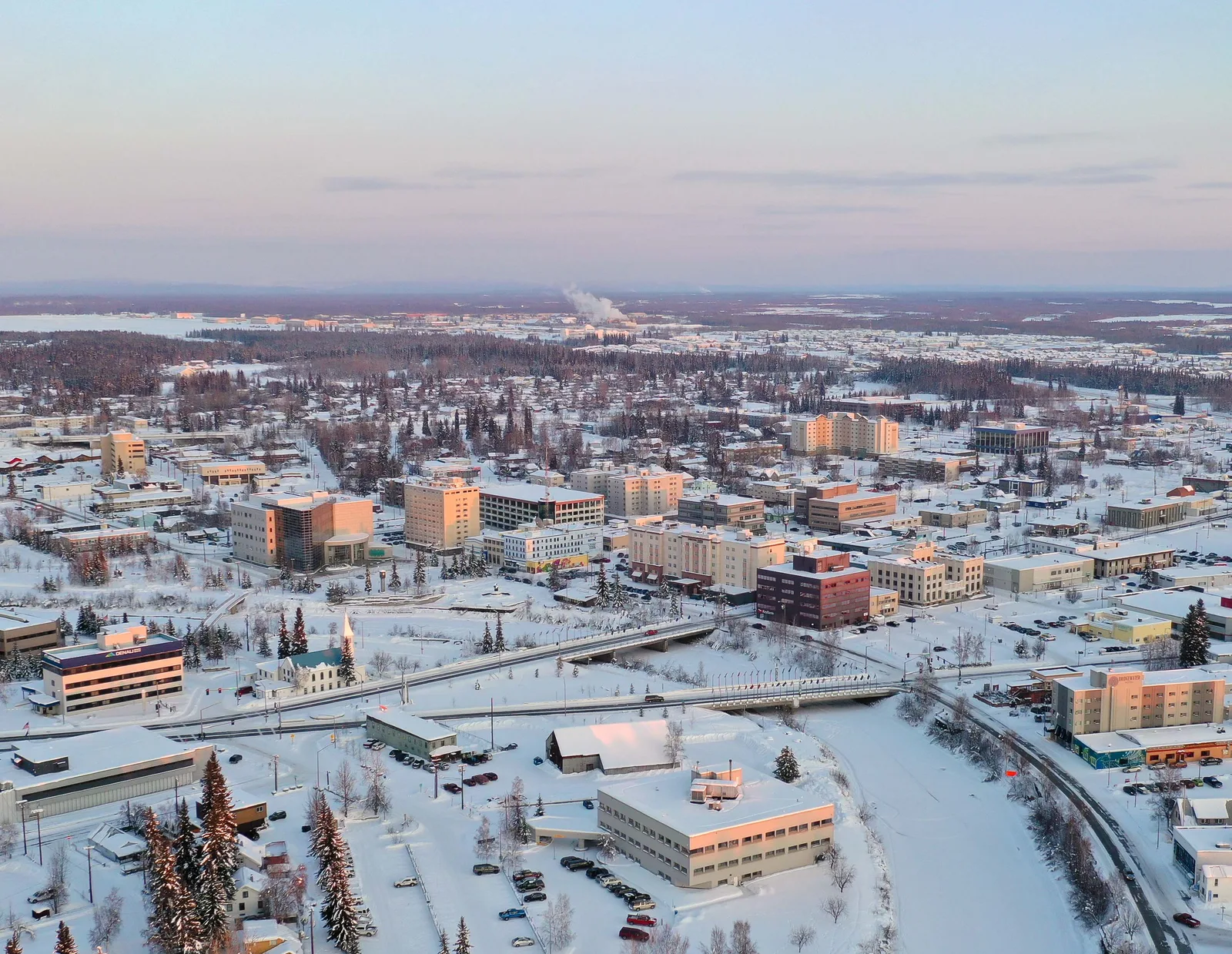
- Fairbanks - Downtown, University area, and surrounding residential districts
- North Pole - Historic downtown and newer suburban developments
- Ester - Rural community with unique restoration challenges
- Two Rivers - Recreational area properties and year-round residences
- Chena Hot Springs Road - Remote properties and seasonal cabins
- Goldstream Valley - Hillside homes and valley floor properties
- Fox - Historic mining area with older structures
- Steese Highway corridor - Properties along the highway system
Each area presents distinct restoration considerations based on elevation, soil conditions, and building types. Remote locations require specialized equipment transport and may need temporary heating solutions during winter restoration projects.
Seasonal Damage Patterns in Fairbanks North Star
Damage restoration needs in Fairbanks North Star follow predictable seasonal patterns tied to the region's extreme climate variations.
Winter (November - March):
- Frozen pipe bursts peak during January cold snaps
- Heating system fires from overworked equipment
- Ice dam water damage on south-facing roofs
- Carbon monoxide issues requiring ventilation restoration
Spring (April - May):
- Basement flooding from rapid snowmelt and ice jams
- Foundation water damage as frost leaves the ground
- Mold emergence in areas with winter moisture accumulation
- Sewage backup as systems thaw and resume function
Summer (June - August):
- Wildfire smoke damage from regional forest fires
- Storm-related water damage from intense rainfall
- Electrical fire damage during peak usage periods
Fall (September - October):
- Heating system preparation fires from neglected maintenance
- Early freeze damage to unprepared plumbing systems
- Mold growth as humidity levels fluctuate with temperature changes
Housing Characteristics & Restoration Considerations
Fairbanks North Star Borough housing stock reflects both historical settlement patterns and modern construction adapted to extreme climate conditions. Understanding these characteristics helps determine appropriate restoration approaches.
Housing types requiring specialized restoration techniques include:
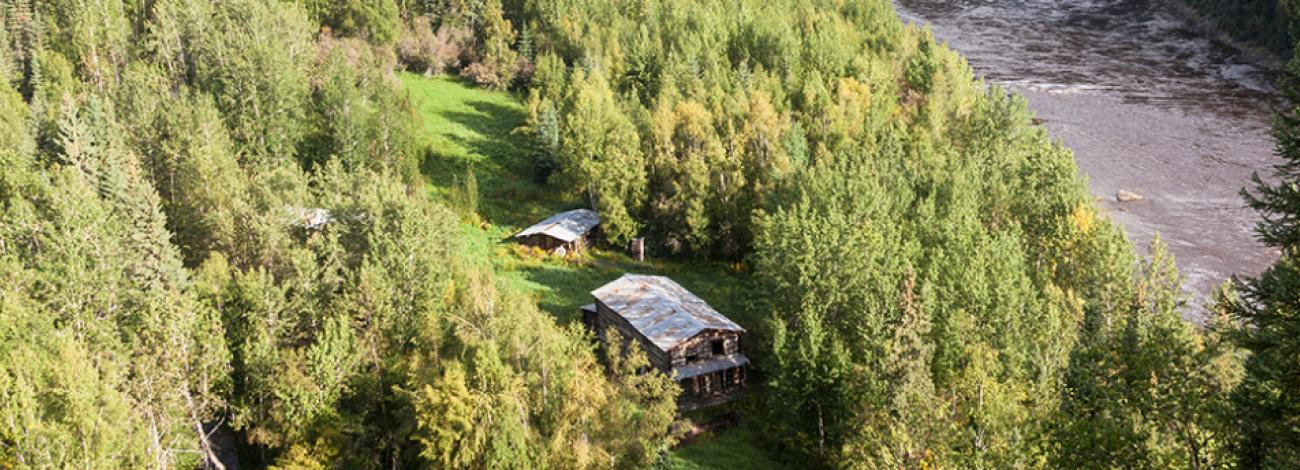
- Log homes (1900s-1950s) - Chinking repair, moisture control, and fire damage restoration in traditional construction
- Military housing (1940s-1980s) - Standardized construction with known plumbing and electrical configurations
- Modern insulated homes (1980s-present) - Vapor barrier considerations and advanced HVAC systems
- Manufactured homes - Unique structural challenges for water and fire damage restoration
- Seasonal cabins - Minimal winterization requiring specialized freeze damage restoration
Construction features affecting restoration include:
- Elevated foundations preventing permafrost melting but creating crawl space access challenges
- Triple-pane windows and extensive insulation complicating moisture detection
- Radiant heating systems requiring specialized water damage protocols
- Metal roofing creating unique ice dam and condensation patterns
- Propane heating systems needing careful fire damage assessment
Older homes often lack proper vapor barriers, making mold remediation more complex. Newer construction includes advanced moisture management systems that require specialized knowledge for effective restoration. Many properties feature combination heating systems using wood, oil, and electricity, creating diverse fire damage scenarios.
Environmental Conditions & Damage Implications
Fairbanks North Star Borough's subarctic continental climate creates unique environmental conditions that significantly impact damage restoration processes and requirements.
Climate factors affecting restoration include:
- Temperature extremes (-60°F to 90°F) - Material expansion/contraction causing structural stress and hidden damage
- Low humidity (often below 20%) - Rapid moisture evaporation but also static electricity fire risks
- Permafrost presence - Ground conditions affecting foundation stability and drainage patterns
- Limited daylight (winter) - Vitamin D deficiency increasing mold sensitivity in occupants
- Extended daylight (summer) - Accelerated material degradation and increased fire risk
Air quality considerations include:
- Ice fog formation trapping pollutants and increasing respiratory sensitivity during restoration
- Wood smoke from heating creating baseline contamination levels
- Vehicle emissions concentrated in temperature inversions
- Wildfire smoke infiltration during summer months
Water and soil conditions present restoration challenges:
- Groundwater - High mineral content affecting cleaning solutions and equipment
- Soil composition - Clay and silt layers creating drainage problems and foundation settlement
- Surface water - Chena River flooding potential requiring specialized water damage protocols
- Well water systems - Private systems vulnerable to contamination during sewage cleanup projects
These environmental factors require restoration teams to use specialized equipment rated for extreme temperatures and adjust standard procedures for local conditions.
Permafrost and Foundation-Related Damage Restoration
Fairbanks North Star Borough sits within the discontinuous permafrost zone, creating unique foundation and structural challenges that require specialized restoration expertise. Permafrost behavior directly impacts how water damage, sewage cleanup, and mold removal projects must be approached.
Permafrost-related damage patterns include:
- Differential settling - Uneven foundation movement creating cracks for water infiltration
- Frost heave damage - Seasonal ground movement affecting utility lines and creating sewage backup risks
- Thermal bridging - Heat transfer through foundations causing localized permafrost melting
- Moisture migration - Groundwater movement patterns creating unexpected basement flooding scenarios
Modern restoration techniques address these challenges through:
- Thermal imaging to identify permafrost boundaries and heat loss patterns
- Specialized foundation drying systems that prevent further permafrost disruption
- Vapor barrier installation techniques adapted for permafrost conditions
- Insulation strategies that maintain ground thermal stability during restoration
- Drainage solutions designed for seasonal ground movement
Advanced equipment specifically designed for permafrost regions includes:
- Cold-weather moisture extraction units maintaining effectiveness at subzero temperatures
- Thermal regulation systems preventing restoration activities from damaging permafrost
- Ground-penetrating radar for locating utilities without excavation
- Heated containment systems for sewage cleanup in frozen conditions
Professional restoration teams understand how heating system placement affects permafrost stability and design restoration plans that maintain structural integrity. This expertise proves essential when addressing fire damage restoration near foundations or conducting extensive water damage restoration that could alter ground thermal conditions.