
Damage Restoration in College, AK
- Damage Restoration Services Overview
- Common Damage Restoration Issues in College, Alaska
- Neighborhoods We Serve in College
- Seasonal Damage Patterns in College
- Housing Characteristics & Restoration Considerations
- Environmental Conditions & Damage Implications
- Permafrost and Foundation Challenges in College Restoration
Damage Restoration Services Overview
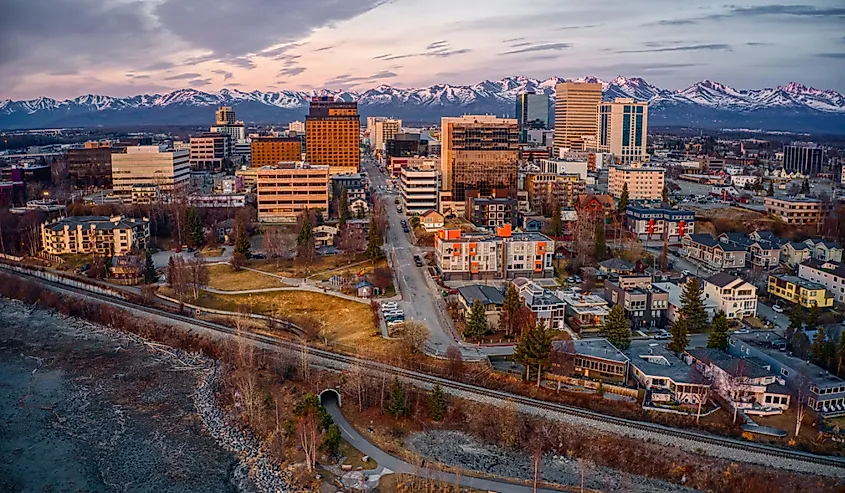
When disaster strikes your College, Alaska property, every minute counts. Water damage can escalate within hours, fire damage continues to affect structures long after flames are extinguished, and mold growth can begin in just 24-48 hours under the right conditions.
Our comprehensive damage restoration services address the full spectrum of property emergencies that College residents face:
- Water Damage Restoration - From burst pipes to appliance failures, we extract water and restore affected areas
- Flooded Basement - Specialized equipment removes standing water and prevents structural damage
- Sewage Cleanup - Safe, sanitary removal of contaminated water with proper disinfection protocols
- Fire Damage Restoration - Structural repairs, soot removal, and odor elimination
- Smoke Damage Restoration - Advanced cleaning techniques to remove smoke residue and persistent odors
- Mold Removal - Complete remediation using industry-approved containment and removal methods
Our certified technicians use state-of-the-art equipment and follow industry best practices to restore your property to pre-loss condition. We understand Alaska's unique challenges and respond quickly to minimize damage progression.
Common Damage Restoration Issues in College, Alaska
College's subarctic climate and geographic location create specific vulnerability patterns that property owners should recognize. Understanding these risks helps identify problems before they become major restoration projects.
Winter-Related Water Damage:
- Frozen pipe bursts during extreme cold snaps
- Ice dam formation causing roof leaks and water intrusion
- Basement flooding from rapid snowmelt in spring
- Heating system failures leading to frozen plumbing
Fire and Smoke Damage Patterns:
- Chimney fires from creosote buildup during heavy heating season use
- Electrical fires from overloaded circuits during peak winter demand
- Space heater incidents in poorly insulated areas
- Wildfire smoke infiltration during Alaska's fire season
Mold and Moisture Issues:
- Condensation problems from temperature differentials
- Poor ventilation in tightly sealed winter homes
- Crawl space moisture from permafrost changes
- Sewage backup from frozen ground preventing proper drainage
Early warning signs include musty odors, visible water stains, unusual humidity levels, and persistent cold spots that may indicate hidden moisture problems.
Neighborhoods We Serve in College
Our restoration teams provide comprehensive services throughout the College area and surrounding communities. We serve both residential and commercial properties across the region.
Primary Service Areas:
- College Road corridor and adjacent residential developments
- University of Alaska Fairbanks campus area properties
- Farmers Loop Road communities
- Ballaine Road neighborhood
- Steese Highway corridor
- Surrounding rural properties and cabins
Our local knowledge of College's infrastructure, building types, and seasonal challenges allows us to respond efficiently to any location. We maintain equipment strategically positioned to reach properties quickly, whether you're in established neighborhoods or more remote areas around College.
Seasonal Damage Patterns in College
College experiences distinct seasonal patterns that directly impact property damage risks. Understanding these cycles helps property owners prepare and recognize when professional restoration services may be needed.
Winter (November - March):
- Peak frozen pipe and heating system failures
- Increased fire damage from chimney and electrical issues
- Ice dam water damage as temperatures fluctuate
- Carbon monoxide risks requiring immediate attention
Spring (April - May):
- Basement flooding from rapid snowmelt and ice jams
- Roof leaks discovered as snow melts reveal winter damage
- Mold growth in areas with accumulated winter moisture
- Sewage backup as ground thaws and drainage resumes
Summer (June - August):
- Wildfire smoke damage during Alaska's fire season
- Storm-related water damage from summer thunderstorms
- Increased mold activity in humid conditions
- Construction-related damage during peak building season
Fall (September - October):
- Preparation-related issues as heating systems restart
- Early freeze damage to exposed plumbing
- Chimney and fireplace maintenance discoveries
Housing Characteristics & Restoration Considerations
College's housing stock reflects both modern university community development and traditional Alaska construction methods. Understanding these characteristics helps determine appropriate restoration approaches for different property types.
Typical Construction Types:
- 1970s-1990s wood frame homes built during university expansion
- Modern energy-efficient construction with vapor barriers
- Log homes and cabins requiring specialized restoration techniques
- Mobile homes and manufactured housing with unique challenges
- University housing and multi-unit residential buildings
Restoration Considerations by Housing Type:
- Older homes: May lack proper insulation, increasing freeze damage risk and mold potential
- Modern construction: Vapor barriers can trap moisture, requiring careful water damage assessment
- Log structures: Need specialized drying techniques to prevent wood damage and checking
- Mobile homes: Require different approaches for fire damage due to construction materials
Many College properties feature basements or crawl spaces that are particularly vulnerable to water damage and mold growth. The permafrost conditions in some areas create unique drainage challenges that affect sewage cleanup and water damage restoration approaches.
Environmental Conditions & Damage Implications
College's subarctic continental climate creates specific environmental conditions that significantly impact damage restoration needs. Understanding these factors helps property owners recognize vulnerabilities and restoration professionals plan appropriate responses.
Climate Factors:
- Winter temperatures reaching -40°F create extreme freeze-thaw cycles
- Short, intense summers with temperatures up to 80°F
- Low annual precipitation but concentrated in summer months
- Permafrost conditions affecting drainage and foundation stability
Air Quality Considerations:
- Wood smoke from residential heating affects indoor air quality
- Wildfire smoke infiltration during summer fire seasons
- Ice fog conditions in winter can trap pollutants
- Limited ventilation in sealed winter homes increases contamination risks
Water and Soil Conditions:
- Groundwater levels fluctuate with permafrost changes
- Clay soils in some areas create drainage challenges
- Well water systems may be affected by contamination during sewage incidents
- Seasonal frost depth affects utility lines and basement moisture
These environmental factors require specialized restoration approaches. Mold removal must account for low humidity winters and humid summers. Water damage restoration must consider permafrost effects on drainage. Fire and smoke damage restoration must address the extended heating season's impact on indoor air quality.
Permafrost and Foundation Challenges in College Restoration
College's unique permafrost conditions create distinctive challenges for damage restoration that require specialized knowledge and techniques. Understanding how permafrost affects your property helps explain why professional restoration services are essential for successful recovery.
Permafrost Impact on Water Damage:
- Frozen ground prevents natural drainage, causing water to pool around foundations
- Seasonal thaw creates unpredictable water flow patterns
- Basement flooding becomes more severe when water cannot drain into surrounding soil
- Utility lines above permafrost are more vulnerable to freeze damage
Foundation-Related Restoration Issues:
- Differential settling as permafrost thaws and refreezes
- Moisture intrusion through foundation cracks caused by ground movement
- Insulation challenges that affect both fire safety and moisture control
- Crawl space complications requiring specialized drying equipment
Professional Restoration Approaches:
- Use of specialized dehumidification equipment designed for extreme temperature variations
- Foundation assessment to identify permafrost-related structural issues
- Moisture mapping techniques that account for unique soil conditions
- Mold prevention strategies adapted to Alaska's climate patterns
Our restoration technicians understand these local conditions and use industry-approved methods adapted for Alaska's environment. We follow IICRC standards while applying techniques proven effective in permafrost conditions, ensuring your property restoration addresses both immediate damage and long-term stability concerns.





