
Damage Restoration in Fairbanks, AK
- Damage Restoration Services Overview
- Common Damage Restoration Issues in Fairbanks, Alaska
- Neighborhoods We Serve in Fairbanks
- Seasonal Damage Patterns in Fairbanks
- Housing Characteristics & Restoration Considerations
- Environmental Conditions & Damage Implications
- Permafrost and Foundation Considerations in Damage Restoration
Damage Restoration Services Overview
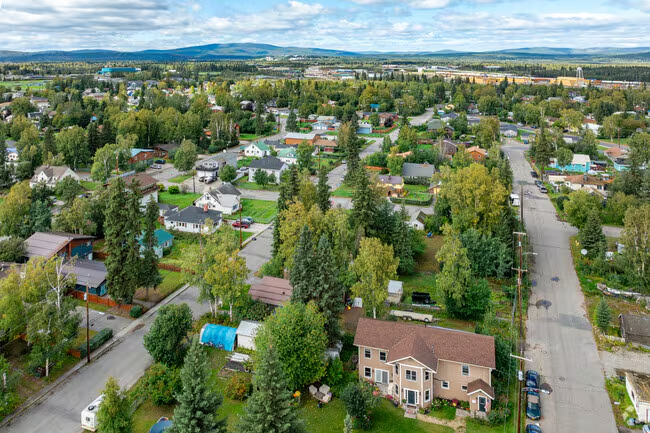
Fairbanks faces unique restoration challenges due to extreme temperature fluctuations, permafrost conditions, and extended winter months that can create devastating property damage. Alaska's interior climate demands specialized expertise in handling everything from burst pipes during freeze-thaw cycles to smoke damage from wood-burning heating systems.
Professional damage restoration services address the full spectrum of property emergencies affecting Fairbanks homes and businesses:
- Water Damage Restoration - Comprehensive extraction, drying, and structural repair
- Flooded Basement - Specialized basement water removal and moisture control
- Sewage Cleanup - Safe biohazard removal and sanitization
- Fire Damage Restoration - Structural repair and debris removal
- Smoke Damage Restoration - Odor elimination and surface cleaning
- Mold Removal - Professional remediation and prevention
Local restoration teams understand Alaska's building codes, permafrost considerations, and seasonal access challenges. Professional services provide 24/7 emergency response, advanced moisture detection equipment, and specialized techniques for sub-Arctic conditions that typical restoration methods cannot address effectively.
Common Damage Restoration Issues in Fairbanks, Alaska
Fairbanks properties face distinct damage patterns driven by extreme weather conditions and unique infrastructure challenges. The region's temperature swings from -40°F to 80°F create constant stress on building materials and systems.
Most frequent restoration issues include:
- Frozen pipe bursts - Water lines freeze during extended cold snaps, causing catastrophic flooding when temperatures rise
- Ice dam flooding - Roof ice buildup forces water into homes, requiring immediate water damage restoration
- Basement flooding - Spring snowmelt and permafrost thaw overwhelm drainage systems
- Heating system fires - Wood stoves and oil heaters cause structural fires and extensive smoke damage
- Sewage backup - Frozen sewer lines create hazardous waste situations requiring professional cleanup
- Mold growth - High humidity from heating systems and poor ventilation promotes rapid mold development
Warning signs specific to Fairbanks include:
- Water stains appearing after temperature changes
- Musty odors in basements during spring thaw
- Visible condensation on windows and walls
- Smoke odors lingering after heating season
- Unusual sounds from plumbing during freeze cycles
Professional assessment becomes critical when these signs appear, as Alaska's short construction season makes prompt restoration essential for preventing long-term structural damage.
Neighborhoods We Serve in Fairbanks
Professional damage restoration services cover all Fairbanks area communities, from downtown historic districts to newer suburban developments. Service areas include established neighborhoods like Hamilton Acres, Lemeta, and Steese Highway corridor properties.
Coverage extends throughout the greater Fairbanks North Star Borough:
- Central Fairbanks - Downtown, Graehl, and Bentley Trust areas
- North Pole - Residential and commercial properties
- Ester - Rural homes and cabins
- Fox - Remote properties and mining facilities
- Chena Hot Springs Road - Scattered residential areas
- Steese Highway - Properties extending toward Circle
- Parks Highway - Nenana and surrounding communities
Rural and remote properties receive the same professional response, though access considerations during winter months may affect service timing. Teams maintain equipment caches throughout the service area to provide rapid emergency response regardless of location or season.
Seasonal Damage Patterns in Fairbanks
Fairbanks experiences distinct seasonal damage patterns that directly correlate with extreme weather cycles and heating demands. Understanding these patterns helps property owners prepare for likely restoration needs throughout the year.
Winter (October - March):
- Peak fire damage from heating systems operating continuously
- Smoke damage restoration from wood stove malfunctions
- Frozen pipe emergencies requiring immediate water damage restoration
- Carbon monoxide issues creating indoor air quality problems
Spring (April - May):
- Massive basement flooding from snowmelt and ice dam failures
- Sewage backup cleanup from thawing sewer systems
- Mold removal becomes critical as humidity levels spike
- Foundation water intrusion from permafrost changes
Summer (June - August):
- Wildfire smoke damage affecting indoor air quality
- Storm-related water damage from intense summer thunderstorms
- Mold growth in poorly ventilated areas
- Construction-related damage from repair season activity
Fall (September):
- Heating system preparation fires and smoke damage
- Early freeze pipe damage before winter preparations complete
- Final mold remediation before winter heating begins
Housing Characteristics & Restoration Considerations
Fairbanks housing stock reflects both historical development and modern adaptations to extreme climate conditions. The median home age of approximately 35 years means many properties predate current building codes designed for sub-Arctic conditions.
Common construction characteristics affecting restoration include:
- Elevated foundations - Many homes built on posts or piers to prevent permafrost melting, creating unique basement flooding scenarios
- Multiple heating systems - Homes often combine oil, wood, and electric heat, increasing fire and smoke damage risks
- Vapor barriers - Older homes lack proper moisture barriers, accelerating mold growth and water damage
- Log construction - Traditional log homes require specialized fire damage restoration techniques
- Mobile homes - Significant mobile home population faces unique structural challenges during restoration
Restoration considerations specific to Fairbanks housing:
- Permafrost protection during water damage restoration prevents foundation settling
- Specialized insulation replacement after fire damage maintains energy efficiency
- Sewage cleanup must account for unique septic and honey bucket systems
- Mold removal requires understanding of Alaska-specific building materials
- Smoke damage restoration addresses multiple fuel types and combustion byproducts
Professional restoration teams understand these local construction characteristics and adapt techniques accordingly, ensuring repairs maintain structural integrity and energy efficiency required for Alaska's climate.
Environmental Conditions & Damage Implications
Fairbanks sits in a subarctic climate zone with extreme temperature variations, low humidity, and unique soil conditions that significantly impact damage restoration processes. Winter temperatures regularly reach -40°F while summer highs approach 80°F, creating constant expansion and contraction stress on building materials.
Environmental factors affecting restoration include:
- Permafrost conditions - Permanently frozen ground affects basement flooding patterns and foundation stability during water damage restoration
- Extreme temperature swings - Rapid freeze-thaw cycles cause pipe failures and structural movement requiring specialized repair techniques
- Low winter humidity - Indoor heating creates extremely dry conditions, then rapid humidity changes during spring thaw accelerate mold growth
- Poor air circulation - Tightly sealed homes for energy efficiency trap smoke, moisture, and contaminants
- Wildfire smoke exposure - Regional wildfires create persistent air quality issues requiring professional smoke damage restoration
Soil composition impacts restoration work:
- Silt and clay soils retain moisture, affecting basement flooding and sewage cleanup
- Permafrost prevents natural drainage, requiring mechanical water extraction
- Seasonal ground movement affects foundation integrity during restoration
- Limited growing season restricts exterior restoration timing
Professional teams use specialized equipment designed for extreme conditions, including low-temperature drying systems, permafrost-safe excavation tools, and climate-controlled work environments that maintain effectiveness despite challenging environmental conditions.
Permafrost and Foundation Considerations in Damage Restoration
Fairbanks properties face unique restoration challenges due to permafrost conditions that affect nearly every aspect of damage repair. Understanding permafrost behavior becomes critical for successful water damage restoration, basement flooding cleanup, and structural fire damage repair.
Permafrost impacts restoration in several ways:
- Foundation stability - Water damage restoration must prevent permafrost thaw that could cause catastrophic foundation settling
- Drainage limitations - Natural water absorption is impossible, requiring complete mechanical extraction during flooded basement cleanup
- Excavation restrictions - Sewage cleanup and foundation repairs require specialized equipment capable of working in frozen ground
- Thermal protection - Restoration work must maintain thermal barriers that protect permafrost integrity
Professional restoration techniques adapted for permafrost conditions include:
- Thermal monitoring during water extraction prevents ground thaw
- Specialized insulation installation maintains ground temperature stability
- Controlled environment drying systems prevent heat transfer to foundations
- Custom drainage solutions work within permafrost limitations
- Foundation underpinning techniques designed for frozen ground conditions
Fire damage restoration requires particular attention to foundation protection. Heat from fires can penetrate deep enough to affect permafrost, potentially causing delayed foundation problems months after the initial damage. Professional teams use thermal imaging and ground temperature monitoring to assess permafrost conditions throughout the restoration process.
Mold removal and smoke damage restoration also consider permafrost effects on building ventilation and moisture control. The inability to use ground-based drainage systems means restoration teams must rely entirely on mechanical systems and specialized ventilation designed for permafrost conditions.





