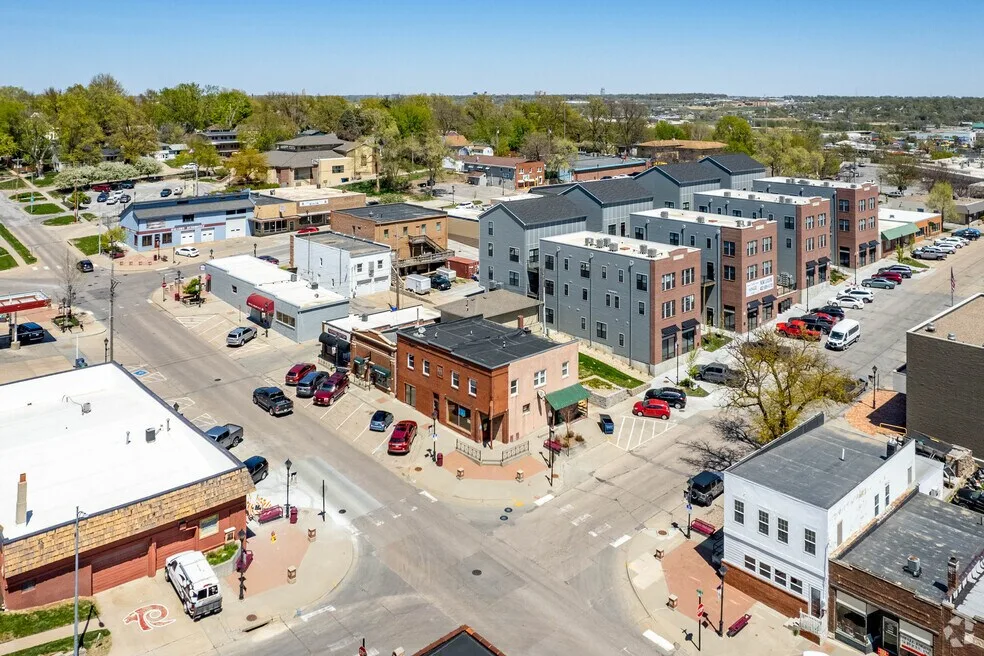
Damage Restoration in Douglas County, NE
- Damage Restoration Services Overview
- Common Damage Restoration Issues in Douglas County, Nebraska
- Neighborhoods We Serve in Douglas County
- Seasonal Damage Patterns in Douglas County
- Housing Characteristics & Restoration Considerations
- Environmental Conditions & Damage Implications
- Sewer Backups and Basement Flooding: What Douglas County Homeowners Should Know
Damage Restoration Services Overview

You head downstairs to grab something from storage and step into two inches of cold water. The sump pump gave out overnight, and boxes, drywall, and carpet padding are already soaked. In Douglas County, that scenario plays out year after year - sometimes from a burst supply line, sometimes from a thunderstorm that dumps three inches of rain in an hour.
Restoration work covers far more than pumping water out. Property owners across the county rely on a connected set of services:
- Water damage restoration - extraction, structural drying, and moisture mapping after leaks, appliance failures, or storm intrusion
- Flooded basement cleanup - handling sump pump failures, foundation seepage, and window well overflow
- Sewage cleanup - safe removal of Category 3 contamination from backups and floor drain overflows
- Fire damage restoration - structural stabilization, debris removal, and content recovery
- Smoke damage restoration - soot removal, odor neutralization, and HVAC decontamination
- Mold removal - containment, remediation, and correction of the moisture source feeding growth
The benefit of addressing these together is simple: water leads to mold, fire leads to water from suppression efforts, and sewage leaves behind both. Treating one problem in isolation usually leaves another behind the walls.
Common Damage Restoration Issues in Douglas County, Nebraska
Sitting in the Midwest along the Missouri River, Douglas County sees irregular weather patterns that produce genuine emergencies - straight-line winds, ice storms, flash flooding, and hail all show up in the same calendar year.
Frequent Causes of Damage
- Sump pump failure during heavy spring and summer rainfall
- Combined and aging sanitary sewer lines backing up into basement floor drains
- Frozen and split supply lines in unheated crawl spaces and garages during January cold snaps
- Ice dams on older Omaha rooflines pushing meltwater under shingles
- Hail and wind damage opening roof envelopes to storm-driven rain
- Kitchen fires, space heater fires, and electrical faults in older wiring
- Clay soil pressing against foundation walls, forcing seepage through cracks and cove joints
Warning Signs Worth Acting On
- A musty smell in the basement that intensifies after rain
- Efflorescence - white chalky residue - on block or poured foundation walls
- Slow floor drains or gurgling from fixtures when the washing machine drains
- Staining on ceiling tiles beneath bathrooms or roof valleys
- Persistent smoke odor that returns on humid days after a small fire
- Warped baseboards, cupping hardwood, or bubbling paint
- Visible mold at carpet edges, behind furniture, or around window frames
Small signals matter. A stained ceiling tile above a finished basement often means water has been moving through the assembly for weeks.
Neighborhoods We Serve in Douglas County
Coverage spans the full county - urban core, western suburbs, and rural acreages alike.
- Omaha - Dundee, Benson, Aksarben, Field Club, Blackstone, Midtown, Morton Meadows, Country Club, Florence, Millard, and Elkhorn
- West Omaha - Pacific Springs, Legacy, Shadow Lake corridor, and the 180th Street growth areas
- Suburban communities - Ralston, Bennington, Valley, Waterloo, and Boys Town
- North and South Omaha - Miller Park, Minne Lusa, Bemis Park, and the Hanscom Park area
- Rural Douglas County - acreages along the Elkhorn and Platte River bottoms, plus unincorporated areas near Washington County lines
Response also extends to apartment complexes, retail centers, warehouses, and medical offices throughout the county. River-adjacent properties in Waterloo and Valley need different flood mitigation planning than a 1920s bungalow in Dundee - both are handled.
Seasonal Damage Patterns in Douglas County
Winter (December - February)
- Frozen and burst pipes during subzero stretches
- Ice dams causing attic and upper-wall water damage
- Peak fire season from furnaces, fireplaces, and space heaters
- Smoke damage from puffbacks in oil and gas furnaces
Spring (March - May)
- Snowmelt plus rain overwhelming sump pumps and drain tile
- Flooded basements from saturated clay soil
- Sewage backups when sanitary lines exceed capacity
- First mold growth of the year in previously wet materials
Summer (June - August)
- Severe thunderstorms, hail, and straight-line wind damage
- Roof leaks and window well overflow from downpours
- Rapid mold colonization in humid, poorly ventilated basements
- Air conditioning condensate line clogs flooding utility closets
Fall (September - November)
- Clogged gutters routing water against foundations
- Early hard freezes catching outdoor spigots unprotected
- Chimney and flue fires as heating season begins
- Best window for pre-winter moisture inspections
Housing Characteristics & Restoration Considerations
Douglas County housing stock stretches from pre-1900 homes near downtown Omaha to subdivisions still under construction west of 192nd Street. That range changes how restoration is approached on every job.
Older Homes (pre-1950, common in Dundee, Benson, Field Club, South Omaha)
- Stone, brick, or unreinforced block foundations that wick moisture readily
- Plaster and lath walls that hold water differently than drywall and require slower, controlled drying
- Possible asbestos in floor tile, pipe wrap, and mastic - testing before demolition matters
- Knob-and-tube or early wiring raising electrical fire risk
- Cast iron and clay sewer laterals prone to root intrusion and backups
Mid-Century Homes (1950s - 1980s, Millard, Ralston, north-central Omaha)
- Poured or block basements with cove joint seepage
- Finished basements with paneling and carpet that trap moisture behind them
- Original galvanized or early copper supply lines nearing end of life
Newer Construction (1990s - present, Elkhorn, Bennington, West Omaha)
- Tight building envelopes that hold humidity and accelerate mold growth
- Deep, fully finished basements with egress windows and complete living spaces at risk
- Engineered lumber and OSB subfloor that degrades quickly once saturated
- PEX and braided supply lines that fail at connections and flood upper floors
Practical takeaway: drying a plaster wall in a 1915 Bemis Park home and drying a 2015 Elkhorn basement are different projects requiring different equipment placement and timelines.
Environmental Conditions & Damage Implications
Local ground and air conditions shape how damage develops and how remediation must be handled.
Soil and Groundwater
- Loess and heavy clay soils dominate the county - clay expands when wet and pushes hydrostatic pressure against foundation walls
- Shrink-swell cycles crack basement walls and floors, creating new seepage paths each year
- Poor natural drainage on flat lots means water pools near foundations instead of running off
- Properties near the Missouri, Platte, and Elkhorn rivers sit on higher water tables that keep sump pumps cycling
Climate and Humidity
- Summer dew points regularly climb into the upper 60s and 70s, supplying enough moisture for mold without any leak at all
- Winter heating drops indoor humidity sharply, which can drive smoke odor deeper into porous materials
- Wide freeze-thaw swings stress mortar joints, roof flashing, and plumbing
Air and Water Quality
- Regional agricultural dust and spring pollen load HVAC filters, which then recirculate soot after a fire if not replaced
- Moderately hard municipal water contributes to scale buildup and premature water heater failure - a frequent flooding source
- Wildfire smoke drifting into Nebraska during late summer can complicate indoor air quality assessments
Because of these conditions, drying targets in Douglas County are set against local seasonal humidity rather than a generic number, and dehumidification usually runs longer than in drier climates.
Sewer Backups and Basement Flooding: What Douglas County Homeowners Should Know
Basement sewage backup is among the most disruptive events a Douglas County household faces. Portions of Omaha's sewer system are more than a century old, and heavy rain can push water into sanitary lines that then find the lowest opening in a home - typically a basement floor drain, laundry sink, or shower pan.
Why Sewage Cleanup Differs From Clean Water
- Category 3 water carries bacteria, viruses, and parasites requiring PPE and containment
- Porous materials - carpet, pad, drywall, particleboard, upholstered items - generally cannot be salvaged
- Affected areas need antimicrobial treatment after removal, not just drying
- HVAC returns in the basement can distribute contamination through the whole house
- Cross-contamination control keeps clean areas of the home isolated during work
Steps to Take When a Backup Happens
- Stop using all water in the home - no toilets, laundry, or dishwashers
- Keep people and pets out of the affected space
- Shut off electricity to the basement at the panel if it can be reached safely and dry
- Photograph everything before anything is moved or discarded
- Call a restoration provider with sewage-specific certification and equipment
- Notify your insurer and check whether you carry a sewer backup endorsement
- Report repeated backups to the City of Omaha, since a main line issue may be involved
Reducing Future Risk
- Install a backwater valve on the sewer lateral
- Add a battery backup or water-powered secondary sump pump
- Scope and clear the lateral if mature trees line the property
- Disconnect downspouts from foundation drains and extend them well away from the house
- Regrade soil so it slopes away from foundation walls
Fast response matters here more than anywhere else. Contaminated water left standing overnight in a warm basement produces mold growth on top of the original problem, turning a cleanup into a full remediation project.