
Damage Restoration in Omaha, NE
- Damage Restoration Services Overview
- Common Damage Restoration Issues in Omaha, Nebraska
- Neighborhoods We Serve in Omaha
- Seasonal Damage Patterns in Omaha
- Housing Characteristics & Restoration Considerations
- Environmental Conditions & Damage Implications
- Storm Season Response and Start-to-Finish Recovery in the Omaha Metro
Damage Restoration Services Overview
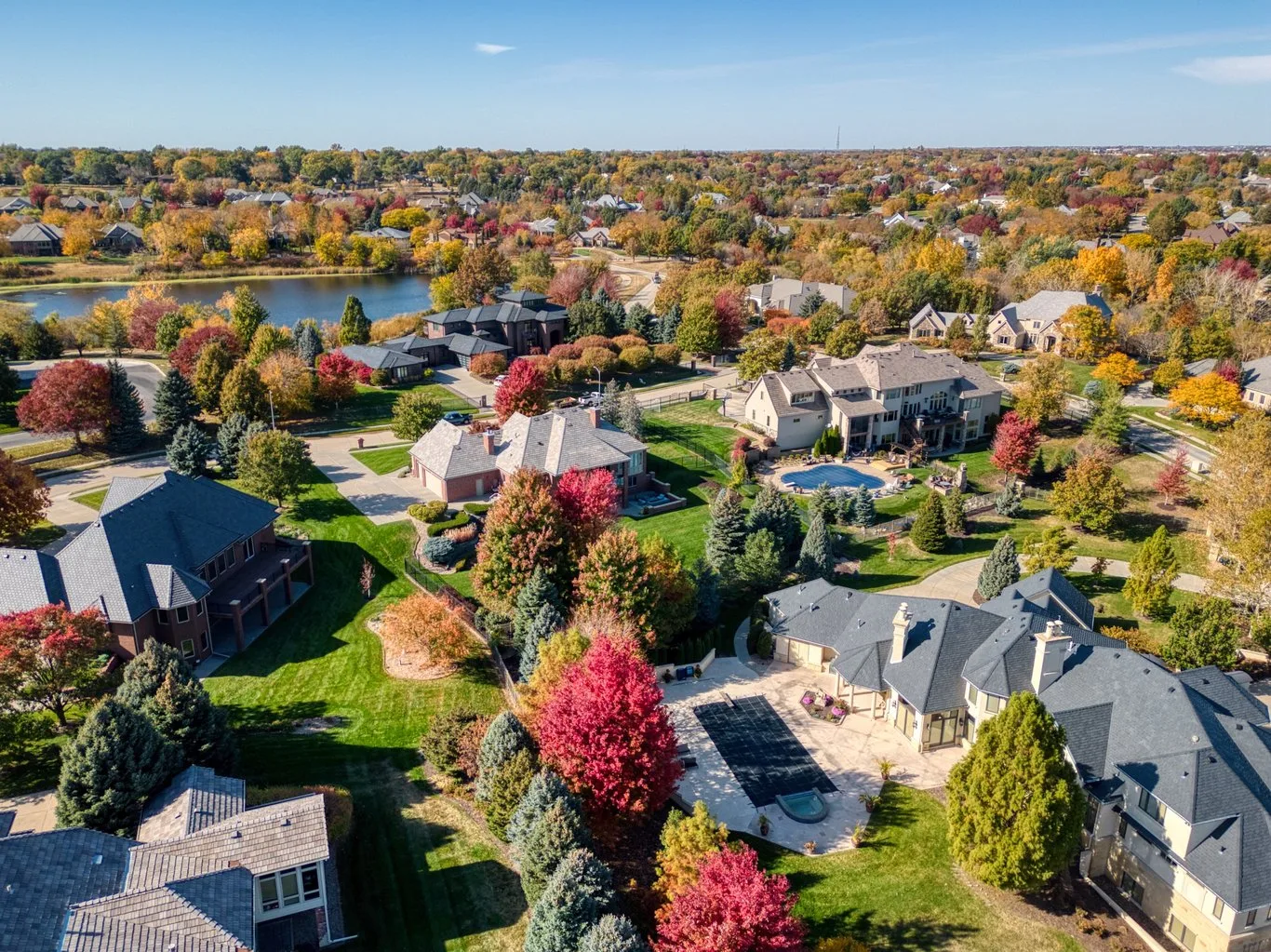
What would you do if you walked downstairs tomorrow morning and found four inches of water covering your basement floor? For thousands of Omaha property owners, that scenario is not hypothetical - it is a Tuesday in April.
Property damage in the Omaha metro rarely announces itself. A frozen pipe splits behind drywall, a sump pump quits during a thunderstorm, a kitchen fire fills a house with acrid smoke in minutes.
Full-service restoration covers the entire spectrum of those emergencies:
- Water Damage Restoration - extraction, structural drying, and documented moisture verification
- Flooded Basement Cleanup - the most frequent call in a city where basements are standard
- Sewage Cleanup - Category 3 black water removal, disinfection, and safe disposal of contaminated materials
- Fire Damage Restoration - board-up, debris removal, structural cleaning, and rebuild
- Smoke Damage Restoration - soot removal, thermal fogging, HVAC cleaning, and odor neutralization
- Mold Removal - containment, HEPA filtration, affected material removal, and antimicrobial treatment
The benefit of one team handling all six is continuity. Water losses turn into mold problems. Fires leave behind water damage from suppression efforts. Sewage backups create both.
Omaha homeowners get faster mitigation, cleaner documentation for insurance carriers, and a single point of accountability from the first phone call through the final walkthrough.
Common Damage Restoration Issues in Omaha, Nebraska
Omaha sits in the heart of the Midwest, where severe weather is part of the annual rhythm. Tornado outbreaks, straight-line winds, ice storms, and Missouri River flooding all leave restoration work behind.
Frequent Causes of Loss
- Burst frozen pipes - unheated crawl spaces, garage walls, and exterior hose bibs fail during January cold snaps
- Sump pump failure - pumps overwhelmed or knocked offline by power outages during heavy thunderstorms
- Sewer backups - aging combined sewer lines and tree-root intrusion push waste up through basement floor drains
- Storm-driven flooding - saturated clay soil funnels surface water toward foundations and window wells
- Kitchen and electrical fires - space heaters, overloaded circuits in older wiring, and cooking incidents
- Hidden mold - humid summers plus slow leaks behind vanities, water heaters, and washing machines
Warning Signs Omaha Property Owners Should Watch
- Musty or earthy odor in a finished basement, especially after rain
- Efflorescence - white chalky residue - on foundation walls
- Buckling laminate, cupping hardwood, or soft baseboards
- Water stains on ceilings below bathrooms
- Gurgling floor drains or slow-draining basement fixtures
- Lingering smoke odor that returns on humid days after a small fire
- Unexplained allergy symptoms that improve when you leave the house
Any one of these signals a moisture or contamination source that will not resolve on its own. Early inspection almost always narrows the scope of demolition later.
Neighborhoods We Serve in Omaha
Restoration crews cover the full Omaha metropolitan area and Douglas County, plus surrounding Nebraska communities.
- Central and Midtown - Dundee, Benson, Field Club, Aksarben, Blackstone, Gifford Park
- West Omaha - Millard, Elkhorn, Sterling Ridge, Pacific Springs, Shadow Lake corridor
- North Omaha - Florence, Ponca Hills, Miller Park, Fontenelle Park, Northwest Omaha
- South Omaha - Bellevue border neighborhoods, Deer Park, Spring Lake, Brown Park
- Downtown and Riverfront - Old Market, NoDo, historic warehouse conversions
- Surrounding communities - Papillion, La Vista, Bellevue, Gretna, Ralston, Waterloo, Valley, Blair, Fort Calhoun, and Council Bluffs across the river
Each area brings its own restoration profile. Century-old Dundee and Florence homes present plaster, knob-and-tube remnants, and stone foundations. Newer Elkhorn and Gretna subdivisions bring finished lower levels, engineered flooring, and complex HVAC systems that spread smoke and spores quickly.
Seasonal Damage Patterns in Omaha
Winter (December - February)
- Frozen and burst supply lines in exterior walls and crawl spaces
- Ice dams pushing meltwater under shingles into ceilings
- Peak season for heating-related and space heater fires, plus smoke damage from fireplace and flue issues
Spring (March - May)
- Snowmelt plus heavy rain equals the year's highest volume of flooded basements
- Sump pump failures during back-to-back storm systems
- Sewer backups when combined systems reach capacity
- Tornado and hail damage that opens roofs to water intrusion
Summer (June - August)
- Mold growth accelerates in humid, poorly ventilated basements and crawl spaces
- Straight-line wind events and derechos causing structural and water damage
- Lightning strikes and electrical fires
- Air conditioning condensate line clogs producing slow, hidden leaks
Fall (September - November)
- Best window for mold inspection and basement waterproofing follow-up
- Clogged gutters and downspouts redirecting water to foundations
- Furnace startup fires and puff-back soot from oil and gas systems
- Early hard freezes catching outdoor plumbing unprepared
Housing Characteristics & Restoration Considerations
Omaha's housing stock spans more than a century, and building era drives nearly every restoration decision.
Pre-1940 Homes - Dundee, Field Club, Florence, Benson
- Stone, brick, or rubble foundations that wick moisture and resist conventional drying
- Plaster and lath walls that hold water and hide mold behind intact surfaces
- Balloon framing that lets smoke and fire travel vertically through wall cavities
- Potential asbestos in floor tile, pipe wrap, and joint compound requiring testing before demolition
- Cast iron and clay sewer laterals prone to root intrusion and backup
Mid-Century Homes - 1950s to 1970s Ranches and Split-Levels
- Poured or block foundations with original drain tile that has silted over
- Wood paneling and drop ceilings in basements that trap moisture
- Undersized electrical service contributing to fire risk
- Original ductwork that circulates soot and spores throughout the home
Modern Construction - Millard, Elkhorn, Gretna, Papillion
- Fully finished lower levels with carpet pad, drywall, and built-ins that must come out fast during a flood
- Tight building envelopes that hold humidity and smoke odor longer
- Engineered wood and laminate flooring that delaminates rather than dries
- Complex multi-zone HVAC requiring dedicated cleaning after fire or mold events
Restoration planning starts with identifying the assembly type. A stone foundation in Florence and a poured wall in Elkhorn need entirely different drying strategies, dehumidifier placement, and cavity access.
Environmental Conditions & Damage Implications
Local climate and ground conditions shape how damage develops and how long recovery takes.
Climate
- Wide temperature swings - subzero winters and high-90s summers - stress plumbing and building materials
- Summer dew points regularly climb into the 70s, pushing indoor humidity past the mold threshold
- Annual precipitation arrives in intense bursts, overwhelming gutters, grading, and municipal drainage
- Freeze-thaw cycling cracks foundations and creates new water entry points each spring
Soil and Groundwater
- Heavy clay and loess soils hold water against foundation walls instead of draining
- Expansive clay shrinks and swells, opening cracks in basement floors and cove joints
- Elevated hydrostatic pressure forces water through hairline cracks and floor-wall seams
- Proximity to the Missouri and Platte river valleys raises groundwater in low-lying areas
Air and Water Quality Implications
- Smoke particulate from a structure fire bonds to cool surfaces and lingers in insulation and ductwork
- Category 3 sewage water carries bacteria, viruses, and parasites requiring full PPE and antimicrobial protocols
- Porous materials contacted by black water - carpet, pad, drywall, particleboard - cannot be salvaged
- Mold spores are always present indoors; controlling moisture is the only reliable prevention
Effective drying accounts for these conditions. Crews monitor temperature, relative humidity, and grain depression daily, adjusting equipment until materials reach documented dry standard rather than simply appearing dry.
Storm Season Response and Start-to-Finish Recovery in the Omaha Metro
Omaha sits in a corridor where tornado warnings, flash flooding, and hail can arrive in the same evening. When a storm system moves through Douglas County, hundreds of properties need help at once - and response capacity matters more than anything else.
What a Complete Restoration Looks Like
- Emergency contact - 24/7 hotline intake, dispatch, and arrival for immediate assessment
- Stabilization - roof tarping, board-up, temporary power, and water shutoff to stop ongoing damage
- Inspection and documentation - moisture mapping, thermal imaging, photo records, and scope development
- Extraction and removal - standing water pumped out, contaminated and unsalvageable materials removed under containment
- Structural drying - high-velocity air movers and commercial dehumidifiers with daily moisture readings
- Cleaning and decontamination - antimicrobial application, soot removal, HEPA vacuuming, air scrubbing, and odor neutralization
- Contents handling - pack-out, cleaning, deodorizing, and storage of salvageable belongings
- Reconstruction - drywall, flooring, cabinetry, trim, and paint to return the property to pre-loss condition
Why One Contractor End to End Matters
- No gap between mitigation and rebuild where mold can take hold
- Consistent documentation flowing directly to your insurance adjuster
- Single project manager who knows the history of the loss
- Cross-trained crews who handle water, fire, smoke, sewage, and mold on the same job site
Fires often mean water damage from suppression. Flooded basements often mean sewage contamination. Storm damage often means all of it at once.
Residential and commercial properties across Omaha, Bellevue, Papillion, Elkhorn, and the wider metro get the same approach - stabilize first, dry to standard, then rebuild so the finished space shows no trace of what happened.





