
Damage Restoration in Ralston, NE
- Damage Restoration Services Overview
- Common Damage Restoration Issues in Ralston, Nebraska
- Neighborhoods We Serve in Ralston
- Seasonal Damage Patterns in Ralston
- Housing Characteristics & Restoration Considerations
- Environmental Conditions & Damage Implications
- From Emergency Call to Final Rebuild in Ralston
Damage Restoration Services Overview
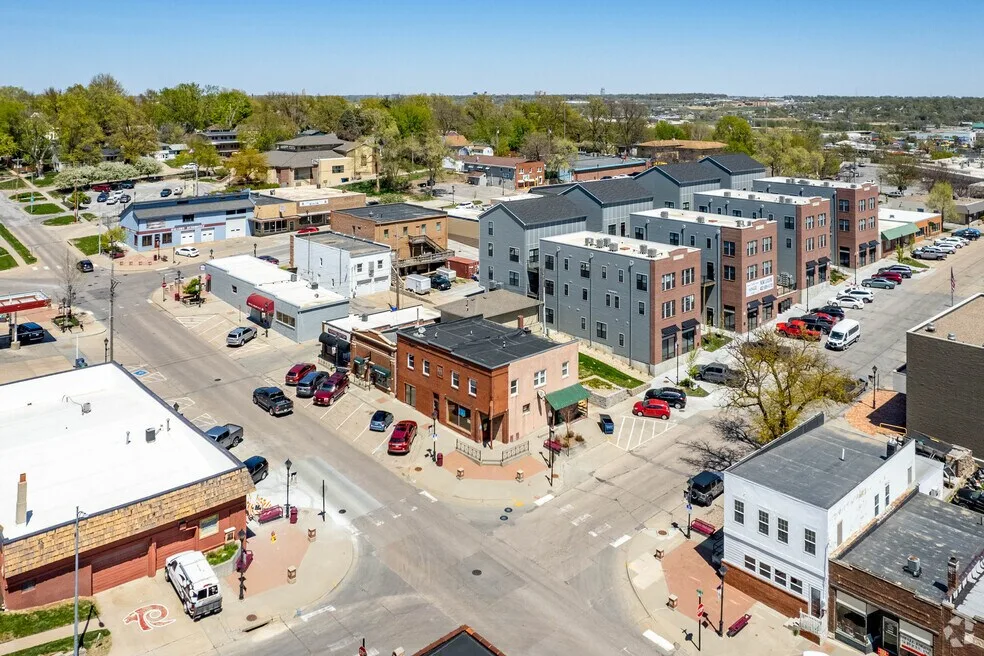
Ralston sits on roughly three square miles of land, yet this compact Douglas County city absorbs the same violent Midwest weather that hammers the entire Omaha metro - thunderstorms dropping two inches of rain in an hour, spring snowmelt, and straight-line winds that peel back roofing. In a city that small, a single storm cell can affect nearly every block at once.
Property owners here rely on a full range of restoration disciplines, often more than one at the same time:
- Water Damage Restoration - extraction, structural drying, and moisture mapping after leaks, burst supply lines, and roof failures
- Flooded Basement - pump-outs, contents removal, and drying after sump pump failures and groundwater intrusion
- Sewage Cleanup - containment, removal, and antimicrobial treatment of Category 3 contamination from backed-up floor drains
- Fire Damage Restoration - stabilization, debris removal, soot cleaning, and structural rebuild
- Smoke Damage Restoration - odor neutralization, HVAC decontamination, and surface treatment of acidic residue
- Mold Removal - containment barriers, HEPA filtration, and removal of colonized materials
The benefit of coordinated response is simple: water problems become mold problems within days, and fires almost always leave water behind from suppression efforts. Handling all six under one plan shortens the timeline and protects Ralston homes from secondary loss.
Common Damage Restoration Issues in Ralston, Nebraska
Ralston's older housing stock, clay-heavy soil, and shared aging sewer infrastructure combine to create recurring problems that local restoration crews see season after season.
Leading Causes of Loss
- Sump pump failure - a single burned-out pump during a heavy rain event can put several inches of water across a finished basement overnight
- Slow supply-line and drain leaks - the classic under-sink drip that soaks cabinet decking and subfloor before anyone notices
- Frozen and burst pipes - exposed lines in crawl spaces, garages, and unheated basement corners
- Sewer backups - heavy rain surcharging municipal lines and pushing wastewater up through floor drains
- Kitchen and electrical fires - grease flare-ups and overloaded circuits in older panels
- Hail and wind damage - compromised shingles and siding that admit water for weeks before interior staining appears
Warning Signs Worth Acting On
- Musty odor in the basement or near the HVAC return, especially after rain
- Cupping, buckling, or discolored flooring near exterior walls
- Efflorescence - white chalky residue - on foundation block
- Slow floor drains or gurgling from fixtures when the washing machine empties
- Peeling paint, soft drywall at the baseboard, or nail pops along a ceiling line
- Persistent smoke odor that returns on humid days after a small fire
- Unexplained allergy symptoms that ease when occupants leave the house
Any of these warrant moisture-meter and thermal-imaging inspection rather than a wait-and-see approach.
Neighborhoods We Serve in Ralston
Coverage extends across the city limits and into the surrounding Omaha and Douglas County areas that share the same infrastructure and weather exposure.
- Central Ralston - the older core near Main Street, Ralston Arena, and the Hinge District
- Ralston Park and the Q Street corridor - mixed residential and commercial properties
- Neighborhoods near Ralston High School and Seymour Smith Park
- Southwest Ralston - subdivisions along 84th Street and Harrison Street
- Adjacent Omaha areas - Millard, Aksarben, Rockbrook, Westgate, and Applewood
- Surrounding communities - La Vista, Papillion, Bellevue, Chalco, and Boys Town
Crews familiar with the Big Papillion Creek watershed and the drainage patterns west of 72nd Street understand why certain blocks flood first and how quickly water moves through Ralston's older combined-drainage areas.
Seasonal Damage Patterns in Ralston
Restoration demand in Ralston follows a fairly predictable annual rhythm shaped by Nebraska's temperature swings.
- January - February: Frozen and burst pipes peak during deep cold snaps. Space heater and fireplace fires increase, bringing smoke damage calls.
- March: Snowmelt over still-frozen ground saturates foundations. Flooded basements and seepage through block walls rise sharply.
- April - June: Severe thunderstorm season. Hail, wind-driven rain, roof leaks, sewer backups, and sump pump overload dominate.
- July - August: High heat plus humidity drives mold growth in basements and crawl spaces. Air conditioning condensate line clogs cause ceiling and wall damage.
- September - October: Lingering hidden moisture from summer surfaces as odor and staining. Good window for mold remediation and preventive drying.
- November - December: Cooking fires spike around the holidays. First hard freezes catch unwinterized hose bibs and irrigation lines.
Scheduling gutter cleaning, sump pump testing, and dryer vent clearing ahead of each transition point measurably reduces claims.
Housing Characteristics & Restoration Considerations
Ralston grew rapidly through the mid-twentieth century, and a large share of its homes date to the 1950s through 1970s, with newer infill and townhome construction added over recent decades. That mix shapes every restoration plan.
Common Construction Features
- Poured concrete and concrete block foundations with full basements - the standard across the metro and the most frequent site of water loss
- Wood-frame walls with plaster or early gypsum board in older homes, which absorb water differently than modern drywall
- Cast iron and clay sewer laterals in pre-1970 properties, prone to root intrusion and joint separation
- Finished basements added later, often with framing set directly against foundation walls and no vapor barrier
- Original cloth or aluminum-era wiring in some homes, a fire risk when overloaded
- Vinyl and metal siding that dents or cracks under hail, allowing wind-driven rain behind the envelope
How Age Affects the Work
- Pre-1980 materials require asbestos and lead-paint awareness before demolition of flooring, texture, or insulation
- Plaster holds moisture longer than drywall and needs extended drying with targeted airflow
- Basement paneling and carpet pad conceal saturation, so selective removal beats surface drying
- Older ductwork spreads soot and mold spores efficiently and usually needs cleaning after any significant loss
- Settled clay soil around aging foundations creates entry points that must be corrected during exterior restoration
Environmental Conditions & Damage Implications
Ralston's location in the eastern Nebraska loess and glacial till region gives it soil that behaves badly around foundations, and a humid continental climate that keeps mold viable most of the year.
Local Conditions That Drive Damage
- Clay-rich soil - expands when wet and shrinks when dry, opening gaps along foundation walls and stressing basement floors
- Poor natural drainage on flatter lots, where water pools against the house rather than moving away
- Summer dew points in the 60s and 70s - enough ambient moisture to sustain mold on any organic surface above roughly 60 percent relative humidity
- Freeze-thaw cycling - repeated expansion cracks mortar joints, concrete, and exterior finishes
- Hard municipal water - mineral scale shortens the life of water heaters, supply valves, and appliance hoses
- Seasonal high winds and hail - the metro sits squarely in a corridor with frequent severe storm warnings
What This Means for Each Service
- Drying: Ambient humidity means dehumidification, not just air movement, determines success
- Mold: Containment and negative air pressure prevent spore migration through the tight envelopes of newer homes
- Sewage: Saturated clay slows infiltration and increases surcharge risk during downpours
- Smoke: Winter's closed-up houses concentrate odor in insulation, textiles, and duct interiors
From Emergency Call to Final Rebuild in Ralston
A restoration project rarely stays in one category. A basement flood becomes a mold question. A kitchen fire becomes a water extraction job plus smoke odor work plus cabinetry replacement. Handling the entire arc under one plan keeps Ralston homeowners from managing four separate contractors during an already difficult week.
The Start-to-Finish Process
- Emergency contact and dispatch - round-the-clock response, with crews staged in the Omaha metro for short travel times to Ralston
- Safety and source control - electrical hazard checks, water shutoff, board-up, tarping, and stabilization of fire-damaged structures
- Inspection and documentation - moisture meters, thermal imaging, and photo records that support the insurance file
- Water extraction or debris removal - truck-mounted extraction, pump-out of flooded basements, and removal of unsalvageable contents
- Contaminated material handling - Category 3 sewage protocols including PPE, containment, and disposal of porous materials
- Drying and dehumidification - industrial air movers and low-grain refrigerant dehumidifiers with daily moisture readings until materials hit dry standard
- Soot, smoke, and odor treatment - dry sponge cleaning, HEPA vacuuming, thermal fogging or hydroxyl treatment, and duct cleaning
- Mold containment and remediation - negative air machines, sealed work zones, removal of colonized material, and antimicrobial application
- Reconstruction - drywall, flooring, trim, paint, cabinetry, and exterior work on dented metal or cracked vinyl siding
- Final walkthrough - verification readings, clearance where applicable, and handoff of documentation
Working With Your Insurer
- Direct communication with adjusters throughout the project
- Itemized scope, moisture logs, and photo documentation supplied as the file builds
- Clear explanation of what is covered work versus homeowner-elected upgrades
- Contents inventory for items removed, cleaned, or declared a loss
The goal for every Ralston property is the same - dry, clean, odor-free, and returned to pre-loss condition without leaving hidden moisture behind the walls.





