
Damage Restoration in Portland, ME
- Damage Restoration Services Overview
- Common Damage Restoration Issues in Portland, Maine
- Neighborhoods We Serve in Portland
- Seasonal Damage Patterns in Portland
- Housing Characteristics & Restoration Considerations
- Environmental Conditions & Damage Implications
- Coastal Storm Preparedness and Restoration Planning
Damage Restoration Services Overview
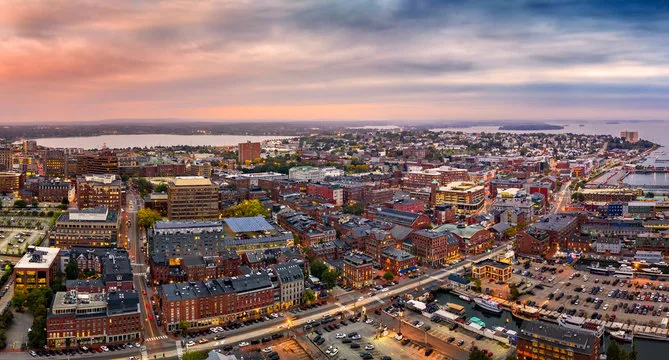
When you discover water pooling in your basement after a heavy storm or notice the acrid smell of smoke lingering days after a kitchen fire, you need immediate professional help. Portland, Maine residents face unique restoration challenges due to coastal weather patterns, aging infrastructure, and seasonal temperature fluctuations that can cause extensive property damage.
At Ark Restoration, we provide comprehensive water and mold solutions to help homeowners and businesses across Portland, Maine recover fast and stay protected. Our certified restoration specialists handle the full spectrum of damage restoration services:
- Water Damage Restoration - Complete moisture extraction and structural drying
- Flooded Basement - Basement water removal and waterproofing solutions
- Sewage Cleanup - Safe removal and sanitization of contaminated water
- Fire Damage Restoration - Structural repair and debris removal
- Smoke Damage Restoration - Odor elimination and surface cleaning
- Mold Removal - Complete remediation and prevention strategies
Our IICRC-certified technicians understand Portland's specific environmental challenges and respond quickly to minimize secondary damage. We use advanced moisture detection equipment, industrial-grade dehumidifiers, and proven restoration techniques to restore your property to pre-damage condition while preventing future issues.
Common Damage Restoration Issues in Portland, Maine
Portland's coastal location and variable climate create specific conditions that lead to property damage throughout the year. The combination of Atlantic moisture, freeze-thaw cycles, and aging infrastructure makes local properties particularly vulnerable to certain types of damage.
Water-Related Issues:
- Basement flooding from storm surge and heavy rainfall
- Frozen pipe bursts during harsh winter months
- Ice dam formation causing roof leaks and water intrusion
- Sump pump failures during spring melt periods
- Sewage backups from overwhelmed municipal systems
Fire and Smoke Damage:
- Chimney fires in older homes with wood heating systems
- Kitchen fires from increased indoor cooking during winter
- Electrical fires from overloaded circuits in older buildings
- Smoke damage from neighboring structure fires in dense neighborhoods
Mold Growth Factors:
- High humidity from ocean proximity creating ideal mold conditions
- Poor ventilation in historic homes leading to moisture buildup
- Undetected leaks in basements and crawl spaces
- Condensation issues from temperature differentials
Warning signs include musty odors, visible water stains, peeling paint, warped flooring, and unexplained increases in utility bills. Early detection and professional intervention prevent minor issues from becoming major restoration projects.
Neighborhoods We Serve in Portland
Our damage restoration services cover all Portland neighborhoods and surrounding communities throughout Cumberland County. We maintain rapid response capabilities across the greater Portland metropolitan area.
Primary Service Areas:
- Downtown Portland and Old Port District
- Back Cove and Bayside neighborhoods
- Deering Center and Libbytown
- Woodfords Corner and Oakdale
- Munjoy Hill and East End
- West End historic district
Surrounding Communities:
- South Portland and Cape Elizabeth
- Westbrook and Gorham
- Falmouth and Cumberland
- Scarborough and Buxton
- Windham and Gray
Each neighborhood presents unique restoration challenges, from historic preservation requirements in the West End to modern construction considerations in newer developments. Our local expertise allows us to navigate municipal regulations and building codes specific to each area.
Seasonal Damage Patterns in Portland
Portland's four-season climate creates predictable patterns of property damage that require different restoration approaches throughout the year.
Winter (December - February):
- Frozen pipe bursts peak during January cold snaps
- Ice dam water damage from heavy snow loads
- Increased fire damage from heating system malfunctions
- Carbon monoxide issues requiring ventilation restoration
Spring (March - May):
- Basement flooding from rapid snowmelt and spring rains
- Sump pump failures as systems activate after winter
- Mold growth from winter moisture buildup becoming visible
- Storm damage from nor'easters and severe weather
Summer (June - August):
- High humidity promoting mold growth in basements
- Thunderstorm water damage and power outages
- Air conditioning failures creating moisture problems
- Sewage backups from heavy rainfall overwhelming systems
Fall (September - November):
- Hurricane and tropical storm water damage
- Preparation period for heating system maintenance
- Gutter cleaning to prevent ice dam formation
- Final mold remediation before winter sealing
Housing Characteristics & Restoration Considerations
Portland's diverse housing stock spans over 150 years of construction, creating unique restoration challenges based on building age, materials, and design. Understanding these characteristics helps property owners anticipate potential damage scenarios and restoration needs.
Historic Properties (Pre-1940):
- Solid masonry construction with lime mortar joints
- Knob-and-tube electrical systems requiring careful fire damage assessment
- Cast iron plumbing prone to sewage backup issues
- Limited insulation increasing freeze-thaw damage risk
- Lead paint considerations during smoke damage restoration
Mid-Century Homes (1940-1980):
- Frame construction with early electrical systems
- Galvanized steel plumbing susceptible to corrosion
- Asbestos materials requiring specialized removal
- Minimal vapor barriers increasing mold risk
- Oil heating systems with potential leak concerns
Modern Construction (1980-Present):
- Improved building codes reducing fire spread
- Better insulation but potential moisture trapping
- Plastic plumbing with different repair requirements
- HVAC systems that can distribute smoke damage
- Engineered lumber requiring specific drying techniques
Each construction type requires tailored restoration approaches. Historic properties need preservation-minded techniques, while modern buildings benefit from advanced moisture detection and controlled demolition methods.
Environmental Conditions & Damage Implications
Portland's coastal New England environment creates specific conditions that directly impact property damage patterns and restoration requirements. Understanding these factors helps predict and prevent damage while informing restoration strategies.
Climate Characteristics:
- Annual precipitation averaging 47 inches with seasonal variation
- Humidity levels ranging from 60-80% promoting mold growth
- Temperature swings from -10°F to 85°F stressing building materials
- Coastal storms bringing high winds and driving rain
- Snow loads averaging 60 inches annually
Soil and Drainage Factors:
- Clay-rich soils with poor drainage increasing basement flooding
- High water table in coastal areas affecting foundation moisture
- Seasonal frost heave causing foundation shifts
- Urban runoff overwhelming storm drainage systems
Air Quality Considerations:
- Salt air accelerating metal corrosion and material degradation
- Industrial emissions affecting indoor air quality during restoration
- Seasonal allergens requiring specialized filtration
- Wildfire smoke from distant sources penetrating buildings
Water Quality Issues:
- Hard water deposits affecting plumbing and appliances
- Chlorinated municipal water requiring neutralization during restoration
- Well water contamination risks in suburban areas
- Tidal influence on groundwater levels near the coast
These environmental factors influence restoration timelines, equipment selection, and long-term prevention strategies for all damage types.
Coastal Storm Preparedness and Restoration Planning
Portland's position on Casco Bay makes the city particularly vulnerable to coastal storms, nor'easters, and occasional hurricanes that can cause catastrophic property damage. The combination of storm surge, wind-driven rain, and power outages creates complex restoration scenarios requiring specialized expertise and rapid response capabilities.
Storm-Related Damage Patterns:
- Basement flooding from storm surge overwhelming drainage systems
- Wind damage to roofs allowing water intrusion and subsequent mold growth
- Sewage backups when municipal systems become overwhelmed
- Power outages leading to sump pump failures and secondary flooding
- Salt spray damage requiring specialized cleaning techniques
- Tree damage causing structural issues and fire hazards from downed power lines
Pre-Storm Preparation Strategies:
- Install backup power systems for critical equipment like sump pumps
- Seal basement walls and install proper drainage systems
- Trim trees near structures to prevent wind damage
- Secure outdoor equipment and furniture that could become projectiles
- Document property conditions with photos for insurance purposes
- Establish relationships with certified restoration professionals before emergencies
Post-Storm Restoration Priorities:
- Safety assessment including electrical, structural, and air quality hazards
- Water extraction and dehumidification to prevent mold growth
- Emergency board-up and tarping to prevent further damage
- Sewage cleanup and sanitization if contamination occurred
- Smoke damage assessment if fires resulted from electrical issues
- Mold prevention through rapid drying and antimicrobial treatment
The key to successful storm recovery lies in immediate response and professional assessment. Waiting even 24-48 hours can turn manageable water damage into extensive mold remediation projects, significantly increasing restoration costs and timeline.





