Damage Restoration in Berkshire County, MA
- Damage Restoration Services Overview
- Common Damage Restoration Issues in Berkshire County, Massachusetts
- Neighborhoods We Serve in Berkshire County
- Seasonal Damage Patterns in Berkshire County
- Housing Characteristics & Restoration Considerations
- Environmental Conditions & Damage Implications
- Nor'easter Response and Storm Damage Recovery in the Berkshires
Damage Restoration Services Overview
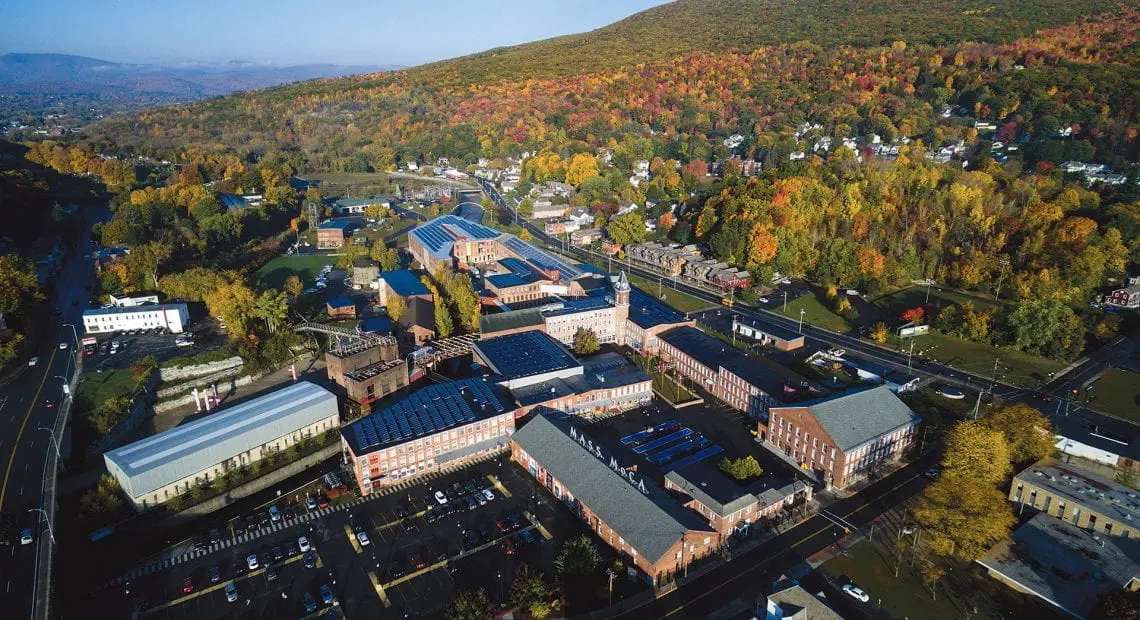
Roughly two-thirds of the housing stock across Berkshire County was built before 1970, and a meaningful share predates 1940 - meaning many Pittsfield, North Adams, and Great Barrington homes have fieldstone foundations, balloon-framed walls, and drainage systems designed for a very different climate than the one western Massachusetts sees today.
That combination of older construction and a humid continental climate makes restoration work here highly specialized. Damage rarely stays where it starts: water travels down stone foundation walls, smoke migrates through uninsulated stud bays, and mold colonizes cold basement corners long before anyone notices an odor.
- Water Damage Restoration - extraction, structural drying, and moisture mapping after burst pipes, roof leaks, and appliance failures
- Flooded Basement - pump-out, sump and drainage evaluation, and drying of stone, block, and poured foundations
- Sewage Cleanup - containment, removal of contaminated porous materials, and antimicrobial treatment after backflows
- Fire Damage Restoration - stabilization, debris removal, structural cleaning, and reconstruction planning
- Smoke Damage Restoration - soot removal, thermal fogging, HVAC decontamination, and odor neutralization
- Mold Removal - containment barriers, HEPA filtration, affected material removal, and humidity control
Key benefits for county residents include faster drying before secondary damage sets in, documentation that supports insurance claims, and repairs that respect the character of historic Berkshire properties.
Common Damage Restoration Issues in Berkshire County, Massachusetts
Elevation, snowfall totals, and aging infrastructure drive most losses across the Berkshires. Hilltowns like Windsor and Savoy see deeper frost penetration, while valley communities along the Housatonic contend with high groundwater.
Leading Causes of Damage
- Frozen and burst supply lines in unheated crawl spaces, second homes, and seasonal camps
- Ice dams forcing meltwater under shingles and into ceilings and exterior walls
- Nor'easters and winter storms producing wind-driven rain intrusion alongside surge-driven basement flooding
- Spring snowmelt saturating soils and pushing hydrostatic pressure against foundation walls
- Municipal sewer surcharges during heavy rain, backing waste into floor drains and basement fixtures
- Wood stove, chimney, and heating system fires - common in rural properties relying on supplemental heat
- Appliance and HVAC failures - condensate overflows, water heater ruptures, and washing machine hose splits that saturate subfloors before discovery
Warning Signs Worth Acting On
- Musty odors in basements or closets that intensify in humid months
- Cupping hardwood, bubbling paint, or staining along baseboards
- Efflorescence or white powdery residue on foundation walls
- Slow floor drains or gurgling fixtures ahead of a full sewage backup
- Lingering smoke odor that returns when the furnace or A/C runs
- Dark speckling on rim joists, attic sheathing, or behind furniture on exterior walls
Because Berkshire County wildfire risk is rated moderate over the next 30 years, brush and structure fires in wooded areas also contribute to smoke exposure in nearby homes.
Neighborhoods We Serve in Berkshire County
Service spans the length of the county, from the Vermont line to the Connecticut border.
- Central Berkshire: Pittsfield - including Morningside, West Side, Allendale, and Coltsville - plus Dalton, Lenox, Lee, Hinsdale, and Washington
- North Berkshire: North Adams, Adams, Williamstown, Cheshire, Clarksburg, Lanesborough, Savoy, and Florida
- South Berkshire: Great Barrington, Housatonic, Stockbridge, West Stockbridge, Sheffield, Egremont, Monterey, Otis, Sandisfield, New Marlborough, and Alford
- Hilltown and rural corridors: Windsor, Peru, Becket, Richmond, and Tyringham
Coverage extends to surrounding areas including Hampshire County towns to the east, Columbia County, New York to the west, and southern Vermont. Seasonal properties near Otis Reservoir, Pontoosuc Lake, and the Jiminy Peak and Butternut corridors receive particular attention, since unoccupied homes often hide water losses for weeks.
Seasonal Damage Patterns in Berkshire County
- December through February: Frozen pipe ruptures peak, especially in vacant vacation homes. Ice dams push meltwater into ceilings. Heating-related fire and smoke damage climbs with wood stove and chimney use.
- March and April: Snowmelt combines with spring rain to flood basements. Sump pumps fail under continuous load. Sewer systems surcharge, triggering sewage backups into lower levels.
- May and June: Rising humidity activates mold growth in materials that stayed damp through the thaw. Crawl space and attic colonization becomes visible.
- July and August: Thunderstorms bring roof and window leaks. Air conditioning condensate lines clog and overflow. Dew points in the 60s slow natural drying and accelerate microbial growth.
- September through November: Nor'easters deliver wind-driven rain and surge flooding. Dry leaf litter raises brush fire risk in wooded towns. Heating systems restart after months idle, sometimes producing puffbacks and soot distribution.
Mold removal demand runs year-round because Berkshire basements stay cool and damp regardless of season.
Housing Characteristics & Restoration Considerations
Berkshire County's building stock is among the oldest in Massachusetts, and construction methods vary dramatically from one street to the next.
Common Construction Types
- Victorian and Federal-era homes in Pittsfield, Lenox, and Great Barrington with plaster-and-lath walls, horsehair plaster, and balloon framing
- Mill housing and triple-deckers in North Adams and Adams with shared walls and stacked plumbing
- Farmhouses and converted barns in Sheffield, Egremont, and the hilltowns with fieldstone or rubble foundations
- Post-war ranches and capes with block foundations and finished basements
- Seasonal cottages and ski condos with minimal insulation and intermittent heat
How Age Affects Restoration Work
- Balloon framing creates open vertical chases that let water, smoke, and odor travel from basement to attic uninterrupted
- Plaster assemblies hold moisture far longer than drywall, requiring extended drying and careful cavity access
- Stone foundations are porous by design, so flooded basement work focuses on drying, drainage correction, and dehumidification rather than sealing
- Pre-1978 materials demand lead-safe practices, and pre-1980 insulation, flooring, and pipe wrap may warrant asbestos testing before demolition
- Cast iron and clay sewer laterals crack and root-intrude, raising sewage backup frequency
- Retrofitted insulation in old walls traps moisture and frequently conceals mold growth
Reconstruction often involves sourcing period-appropriate trim, flooring, and window profiles so repairs blend with the original structure.
Environmental Conditions & Damage Implications
The county sits in a humid continental zone with cold, snowy winters and warm, muggy summers - conditions that both cause damage and complicate drying.
Climate and Moisture
- Annual precipitation commonly exceeds 45 inches, with significant snowpack at higher elevations
- Summer dew points routinely reach the 60s, slowing evaporation and requiring aggressive mechanical dehumidification
- Deep frost lines stress buried supply lines and shallow plumbing runs
- Freeze-thaw cycling widens foundation cracks, creating new water entry points each spring
Soil, Water, and Air
- Glacial till and clay-heavy soils drain slowly, holding water against foundations after heavy rain and snowmelt
- Housatonic and Hoosic River valleys have high seasonal water tables that push moisture through slabs
- Well water serves many rural properties, so pressure tank and pump failures can flood utility rooms unnoticed
- Aging combined sewer infrastructure in older urban centers increases backup risk during intense storms
- Wildfire smoke and brush fire particulate can infiltrate homes through HVAC intakes, requiring duct cleaning and filtration even without direct fire contact
These factors shape equipment selection - more dehumidification capacity, longer drying periods, and containment strategies that keep contaminated air from spreading through older, leaky building envelopes.
Nor'easter Response and Storm Damage Recovery in the Berkshires
Nor'easters produce a dual threat that separates them from ordinary rain events: sustained wind driving water horizontally into building envelopes, while heavy runoff and saturated ground push water into basements from below. A single storm can generate roof leaks, window infiltration, and standing basement water at the same property.
What Storm Damage Typically Looks Like
- Water staining on upper-floor ceilings from shingle uplift or flashing failure
- Wind-driven rain entering around window frames, sills, and siding seams
- Basement flooding from sump pump overload or power loss during the storm
- Sewage backflow when municipal systems exceed capacity
- Saturated insulation in attics and exterior wall cavities that hides moisture for weeks
- Downed trees puncturing roofs, opening structures to ongoing intrusion
The Response Sequence
- Stabilize the structure - board-up, roof tarping, and shutting off compromised utilities
- Extract standing water using truck-mounted or portable pumps sized to basement volume
- Assess contamination category - storm water and sewage require different handling than clean supply-line water
- Remove unsalvageable porous materials including saturated carpet, pad, insulation, and lower drywall sections
- Establish drying conditions with air movers, LGR dehumidifiers, and daily moisture readings
- Apply antimicrobial treatment to exposed framing and masonry to interrupt mold growth
- Verify dryness against unaffected reference materials before any rebuilding begins
- Reconstruct finishes, flooring, and trim to pre-loss condition
Preparing Before the Next Storm
- Test sump pumps and install a battery or water-powered backup
- Clear gutters and extend downspouts well away from the foundation
- Add a backwater valve if your basement has floor drains below street grade
- Photograph finished basements and stored belongings for claim documentation
- Have chimneys and heating appliances inspected before the burning season
Documented moisture readings, photographs, and material inventories give Berkshire County property owners a stronger position when working with adjusters after regional storm events.