Damage Restoration in Worcester, MA
- Damage Restoration Services Overview
- Common Damage Restoration Issues in Worcester, Massachusetts
- Neighborhoods We Serve in Worcester
- Seasonal Damage Patterns in Worcester
- Housing Characteristics & Restoration Considerations
- Environmental Conditions & Damage Implications
- Worcester's Three-Decker Challenge: Multi-Family Fire and Water Damage Restoration
Damage Restoration Services Overview
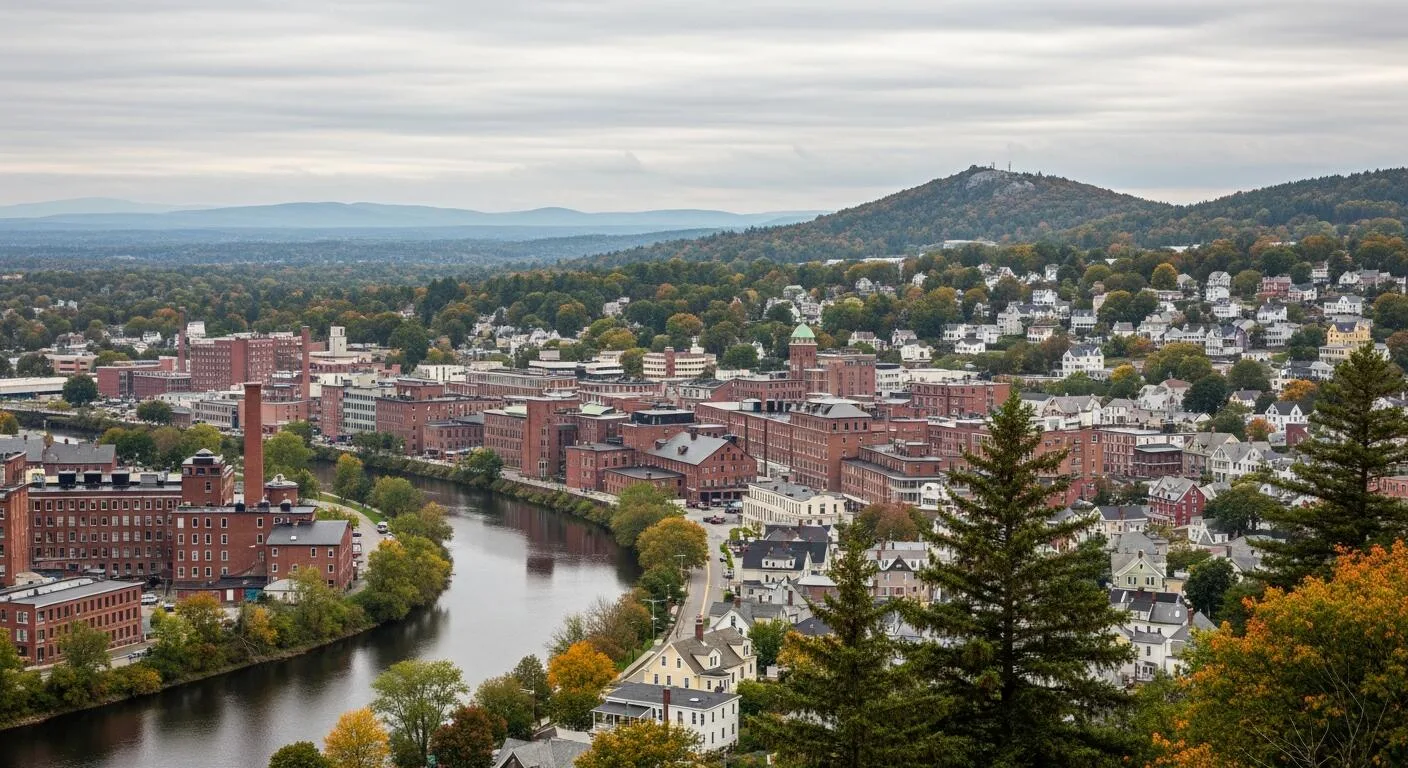
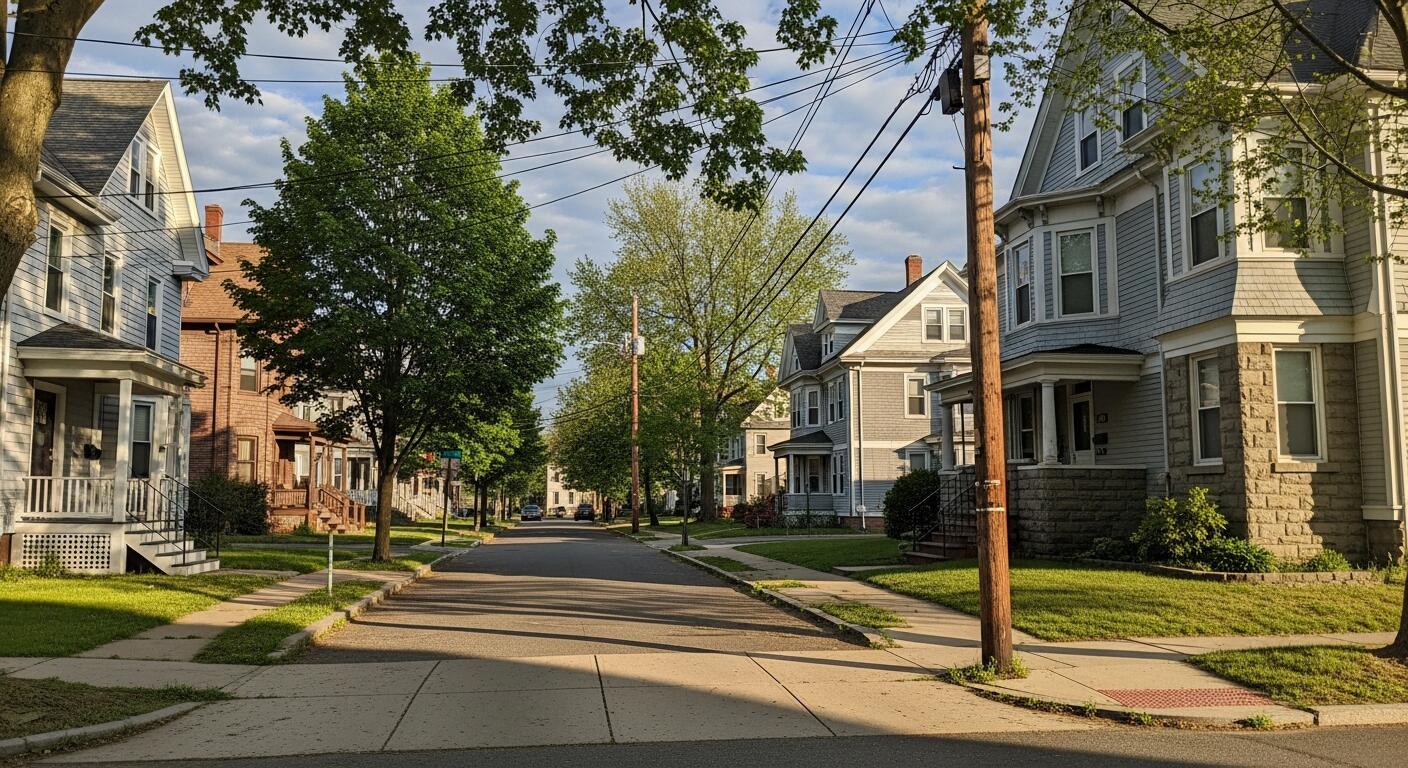
Worcester's diverse housing stock and New England climate create unique restoration challenges that require specialized expertise. The city's mix of historic properties and modern developments, combined with harsh winters and severe weather patterns, makes comprehensive damage restoration services essential for property owners throughout the Heart of the Commonwealth.
Professional restoration services in Worcester address multiple types of property damage:
- Water damage restoration - Burst pipes, roof leaks, and storm flooding
- Flooded basement cleanup - Groundwater intrusion and sump pump failures
- Sewage cleanup - Backup incidents and sanitary system overflows
- Fire damage restoration - Structural repairs and content cleaning
- Smoke damage restoration - Odor elimination and surface treatment
- Mold removal - Fungal growth remediation and prevention
These services provide immediate emergency response, thorough damage assessment, and complete property restoration. Professional teams use advanced equipment and proven techniques to minimize losses and return properties to pre-damage conditions safely and efficiently.
Common Damage Restoration Issues in Worcester, Massachusetts
Worcester's location in central Massachusetts exposes properties to specific damage risks that restoration professionals encounter regularly. The city's elevation changes and proximity to the Blackstone River contribute to water-related problems, while dense neighborhoods increase fire spread risks.
Frequent damage scenarios include:
- Winter pipe bursts - Frozen pipes in older homes lacking proper insulation
- Ice dam flooding - Roof damage causing water infiltration into upper floors
- Basement flooding - Spring snowmelt overwhelming drainage systems
- Sewage backups - Combined sewer systems overflowing during heavy rains
- Heating system fires - Older furnaces and chimney-related incidents
- Electrical fires - Aging wiring in historic properties
- Smoke infiltration - Multi-family buildings affected by neighboring fires
- Humidity-related mold - Poor ventilation in basements and attics
Warning signs residents should monitor include:
- Water stains on ceilings or walls indicating roof or plumbing leaks
- Musty odors suggesting hidden moisture and potential mold growth
- Unusual utility bill increases pointing to hidden water leaks
- Discolored or warped flooring from water exposure
- Persistent smoke smells after cooking or fireplace use
Neighborhoods We Serve in Worcester
Restoration services extend throughout Worcester's diverse neighborhoods, each presenting unique challenges based on housing age, density, and topography. Service areas include:
- Downtown Worcester - Historic buildings and modern developments
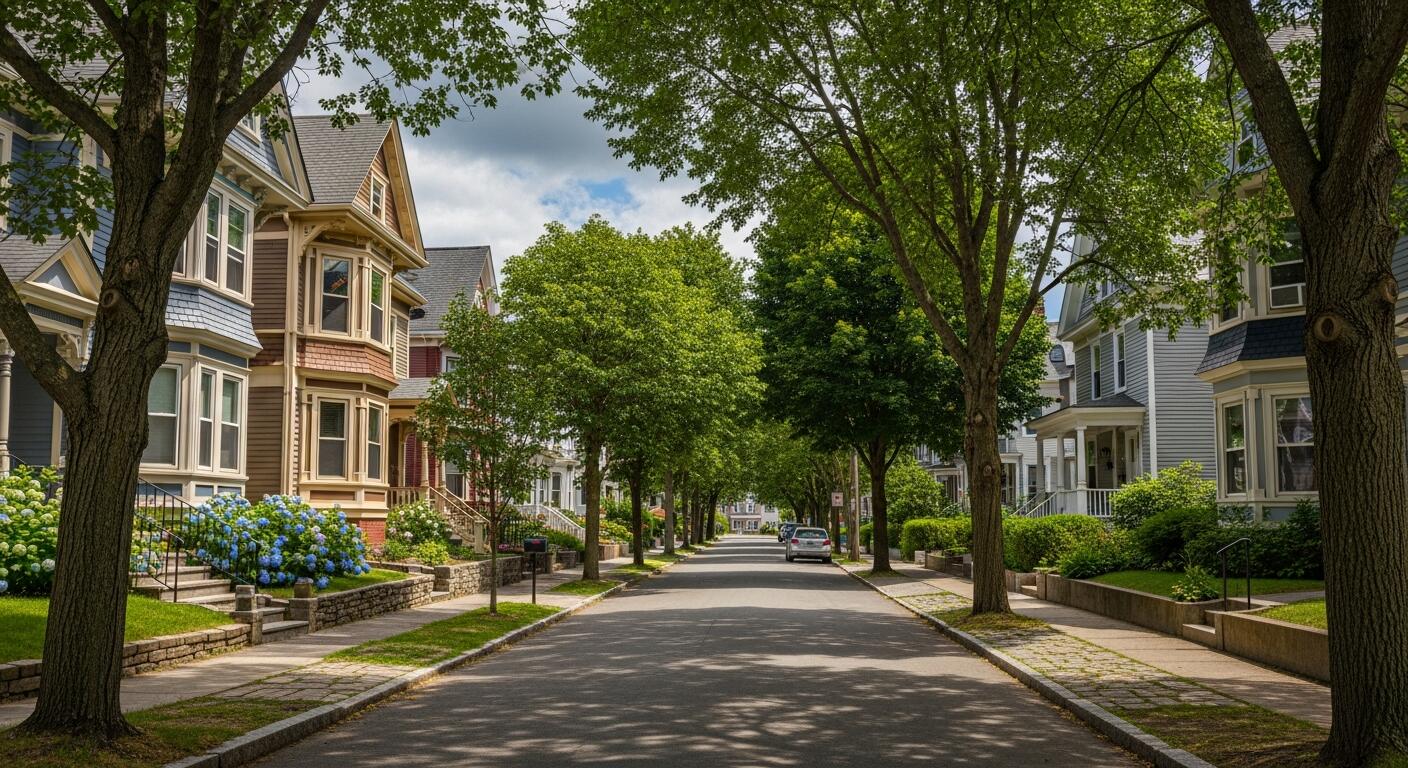
- Elm Park - Victorian homes with restoration complexities
- Shrewsbury Street area - Mixed residential and commercial properties
- West Side - Established neighborhoods with varied housing stock
- East Side - Diverse communities including Burncoat and Vernon Hill
- North Worcester - Greendale and surrounding residential areas
- South Worcester - Including Webster Square and adjacent communities
Coverage extends to surrounding communities including Auburn, Millbury, Shrewsbury, Holden, and Paxton, ensuring rapid response times across central Massachusetts.
Seasonal Damage Patterns in Worcester
Worcester's four-season climate creates predictable patterns of property damage that restoration professionals prepare for throughout the year.
Winter (December - February):
- Frozen pipe bursts during extreme cold snaps
- Ice dam formation causing roof leaks and water damage
- Heating system malfunctions leading to fire risks
- Carbon monoxide issues from blocked vents
Spring (March - May):
- Basement flooding from snowmelt and spring rains
- Sewage backups during heavy precipitation
- Mold growth from winter moisture accumulation
- Storm damage from severe weather systems
Summer (June - August):
- Thunderstorm-related water intrusion and flooding
- Lightning-caused fires and electrical damage
- High humidity promoting mold development
- Air conditioning failures creating moisture problems
Fall (September - November):
- Leaf accumulation blocking gutters and drains
- Early freeze damage to exposed pipes
- Chimney and fireplace preparation issues
- Storm preparation revealing existing damage
Housing Characteristics & Restoration Considerations
Worcester's housing landscape reflects over 150 years of development, creating diverse restoration challenges across different property types and construction eras.
Historic Properties (Pre-1940):
- Multi-family triple-deckers with shared utilities and fire risks
- Victorian homes featuring ornate woodwork requiring specialized fire restoration
- Original plumbing systems prone to failures and water damage
- Uninsulated basements susceptible to flooding and mold
- Knob-and-tube wiring creating electrical fire hazards
Mid-Century Construction (1940-1980):
- Ranch-style homes with slab foundations and moisture issues
- Split-level designs creating complex water drainage patterns
- Original heating systems requiring careful fire damage assessment
- Asbestos-containing materials complicating restoration work
Modern Developments (1980-Present):
- Improved building codes reducing but not eliminating damage risks
- Complex HVAC systems requiring specialized smoke damage cleaning
- Synthetic materials creating different fire and smoke characteristics
- Advanced plumbing systems with electronic components
Each construction type requires tailored restoration approaches, from preserving historic materials during fire damage repair to addressing modern synthetic smoke residues.
Environmental Conditions & Damage Implications
Worcester's environmental conditions significantly influence property damage patterns and restoration requirements throughout the region.
Climate Factors:
- Average annual precipitation of 47 inches creating consistent moisture challenges
- Temperature fluctuations from -10°F to 85°F stressing building materials
- High humidity levels during summer months promoting mold growth
- Freeze-thaw cycles damaging foundations and creating water entry points
Geographic Influences:
- Elevation changes from 480 to 1,000 feet affecting drainage patterns
- Clay-based soils with poor drainage increasing basement flooding risks
- Urban heat island effects intensifying summer humidity and mold conditions
- Wind patterns channeling through valleys affecting fire spread and smoke dispersion
Water Quality Considerations:
- Hard water conditions accelerating pipe corrosion and failure rates
- Municipal water pressure variations affecting sprinkler system performance
- Groundwater levels fluctuating seasonally and impacting basement moisture
These environmental factors require restoration professionals to adapt techniques for local conditions, from selecting appropriate drying equipment for high humidity situations to understanding how clay soils affect foundation water intrusion and sewage backup scenarios.
Worcester's Three-Decker Challenge: Multi-Family Fire and Water Damage Restoration
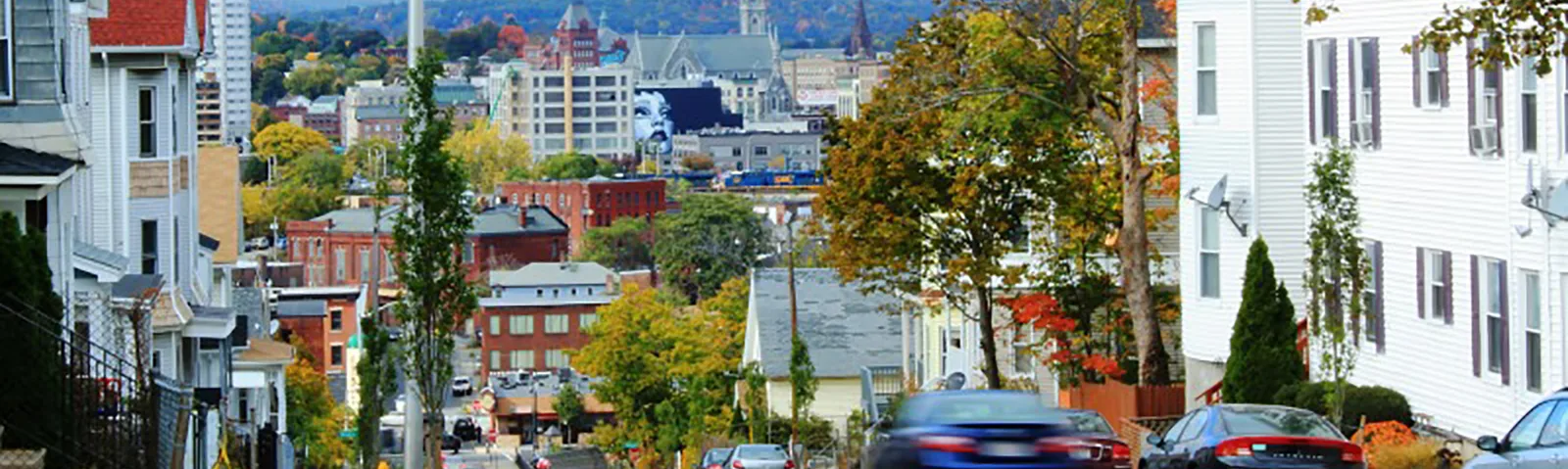
Worcester's iconic three-decker housing stock presents unique restoration challenges that require specialized expertise and coordinated response strategies. These multi-family structures, housing approximately 30% of the city's residents, create complex scenarios when fire, water, or smoke damage occurs.
Multi-Unit Fire Damage Complexities:
- Shared wall construction allowing rapid fire spread between units
- Multiple electrical systems increasing ignition risks and complicating repairs
- Tenant displacement affecting multiple families simultaneously
- Varying insurance coverage across different unit owners
- Historic construction materials requiring specialized restoration techniques
Water Damage Cascade Effects:
- Upper floor leaks affecting multiple units below
- Shared plumbing systems creating building-wide sewage backup risks
- Limited access for equipment requiring creative restoration solutions
- Coordinated drying efforts across multiple living spaces
Restoration Communication Strategies:
- Immediate contact with all affected tenants and property owners
- Clear documentation of damage boundaries between units
- Coordinated scheduling to minimize disruption across families
- Transparent progress reporting to multiple stakeholders
- Detailed scope explanations addressing each unit's specific needs
Professional restoration teams address these multi-family challenges through systematic assessment, coordinated response plans, and clear communication protocols that keep all parties informed throughout the restoration process. This approach minimizes confusion while ensuring thorough damage remediation across all affected units.