
Damage Restoration in Fitchburg, MA
- Damage Restoration Services Overview
- Common Damage Restoration Issues in Fitchburg, Massachusetts
- Neighborhoods We Serve in Fitchburg
- Seasonal Damage Patterns in Fitchburg
- Housing Characteristics & Restoration Considerations
- Environmental Conditions & Damage Implications
- Historic Mill District Water Damage Challenges
Damage Restoration Services Overview
When disaster strikes your Fitchburg property, professional restoration services provide the peace of mind that comes from knowing your home or business will be restored to its pre-damage condition. Rainbow Restoration of North Central Massachusetts offers complete restoration solutions that address every type of property damage with IICRC-certified expertise and real-time insurance communication.
Our comprehensive restoration services include:
- Water damage restoration for burst pipes, appliance failures, and storm flooding
- Flooded basement cleanup with advanced water extraction and structural drying
- Sewage cleanup with proper sanitization and biohazard protocols
- Fire damage restoration including structural repairs and reconstruction
- Smoke damage restoration with specialized cleaning and odor elimination
- Mold removal with containment, remediation, and prevention strategies
Each service includes start-to-finish remediation with necessary tear-out and reconstruction. Our expert staff performs full-service restoration while maintaining detailed progress reports for your insurance company, making the claims process smoother and faster for Fitchburg residents.
Common Damage Restoration Issues in Fitchburg, Massachusetts
Fitchburg's location in North Central Massachusetts creates specific challenges for property owners dealing with various types of damage. The city's four-season climate and aging infrastructure contribute to several recurring restoration needs throughout the year.
Water-related damage frequently occurs due to:
- Frozen and burst pipes during harsh New England winters
- Spring snowmelt overwhelming basement drainage systems
- Heavy summer thunderstorms causing roof leaks and foundation seepage
- Aging plumbing systems in older Fitchburg homes failing unexpectedly
Fire and smoke damage often results from:
- Heating system malfunctions during extended cold periods
- Electrical issues in older wiring systems common in historic properties
- Kitchen fires and fireplace incidents during winter months
- Wildfire smoke infiltration during dry summer conditions
Mold growth accelerates in Fitchburg due to:
- High humidity levels during summer months
- Poor ventilation in older basement areas
- Undetected moisture intrusion from roof or foundation issues
- Sewage backups during heavy rainfall overwhelming municipal systems
Early warning signs include musty odors, visible water stains, peeling paint, warped flooring, and unusual increases in utility bills.
Neighborhoods We Serve in Fitchburg
Our restoration services cover all Fitchburg neighborhoods and surrounding communities throughout North Central Massachusetts. We respond to emergency calls across the entire service area with rapid deployment of certified technicians and specialized equipment.
Primary service areas include:
- Downtown Fitchburg and the historic district
- Rollstone Hill and surrounding residential areas
- Cleghorn and Water Street neighborhoods
- South Fitchburg including the industrial corridor
- West Fitchburg residential communities
- Surrounding towns including Leominster, Westminster, and Lunenburg
Each neighborhood presents unique restoration challenges based on housing age, construction types, and local environmental factors. Our technicians understand these regional characteristics and adapt restoration approaches accordingly to deliver effective results for every property type.
Seasonal Damage Patterns in Fitchburg
Fitchburg's seasonal patterns create predictable damage restoration needs throughout the year. Understanding these cycles helps property owners prepare for potential issues and respond quickly when problems arise.
Winter months (December-February) bring:
- Frozen pipe emergencies requiring immediate water damage restoration
- Ice dam formation causing roof leaks and interior flooding
- Heating system fires and carbon monoxide incidents
- Basement flooding from snow accumulation and poor drainage
Spring season (March-May) typically involves:
- Snowmelt flooding affecting basements and crawl spaces
- Roof damage discovery from winter weather exposure
- Mold growth from winter moisture accumulation
- Storm damage from spring thunderstorms and wind events
Summer and fall periods see increased:
- Thunderstorm flooding and lightning-related fire damage
- Air conditioning failures causing water damage
- Mold proliferation during humid conditions
- Sewage backup incidents during heavy rainfall periods
Housing Characteristics & Restoration Considerations
Fitchburg's housing stock reflects the city's industrial heritage with a significant portion of homes built before 1940. These older properties present unique restoration challenges that require specialized knowledge and techniques to address effectively.
Common housing characteristics include:
- Victorian and Colonial-style homes with complex architectural details
- Multi-family properties with shared walls and utilities
- Stone and brick foundations susceptible to water intrusion
- Older electrical and plumbing systems requiring careful handling
- Hardwood flooring and plaster walls needing specialized restoration
These features impact restoration approaches:
- Water damage restoration requires careful moisture monitoring in plaster walls
- Fire damage restoration must preserve historic architectural elements
- Mold removal involves addressing poor ventilation in older construction
- Smoke damage restoration requires specialized cleaning for ornate woodwork
- Flooded basement cleanup must account for stone foundation permeability
- Sewage cleanup involves careful sanitization of porous materials
Modern construction in newer developments allows for faster restoration with standardized materials and improved moisture barriers, while historic properties demand artisan-level restoration skills to maintain architectural integrity.
Environmental Conditions & Damage Implications
Fitchburg's environmental conditions significantly influence property damage patterns and restoration requirements. The city's humid continental climate creates specific challenges for maintaining indoor air quality and preventing moisture-related damage.
Climate factors affecting restoration include:
- Annual precipitation of approximately 45 inches creating consistent moisture challenges
- Humidity levels reaching 70-80% during summer months
- Temperature fluctuations causing expansion and contraction in building materials
- Freeze-thaw cycles weakening foundations and roof structures
Soil conditions impact basement flooding risks:
- Clay-heavy soils retain water and increase hydrostatic pressure
- Rocky terrain creates drainage challenges for foundation systems
- Seasonal groundwater fluctuations affect basement moisture levels
- Urban development reduces natural water absorption capacity
Air quality considerations for restoration work:
- Industrial history requires careful contaminant assessment during renovations
- Seasonal pollen and allergens complicate mold identification
- Urban pollution affects indoor air quality restoration standards
- Proximity to major highways influences smoke damage restoration approaches
These environmental factors require restoration professionals to use advanced moisture detection equipment, implement proper containment protocols, and select materials suited to local climate conditions for lasting restoration results.
Historic Mill District Water Damage Challenges
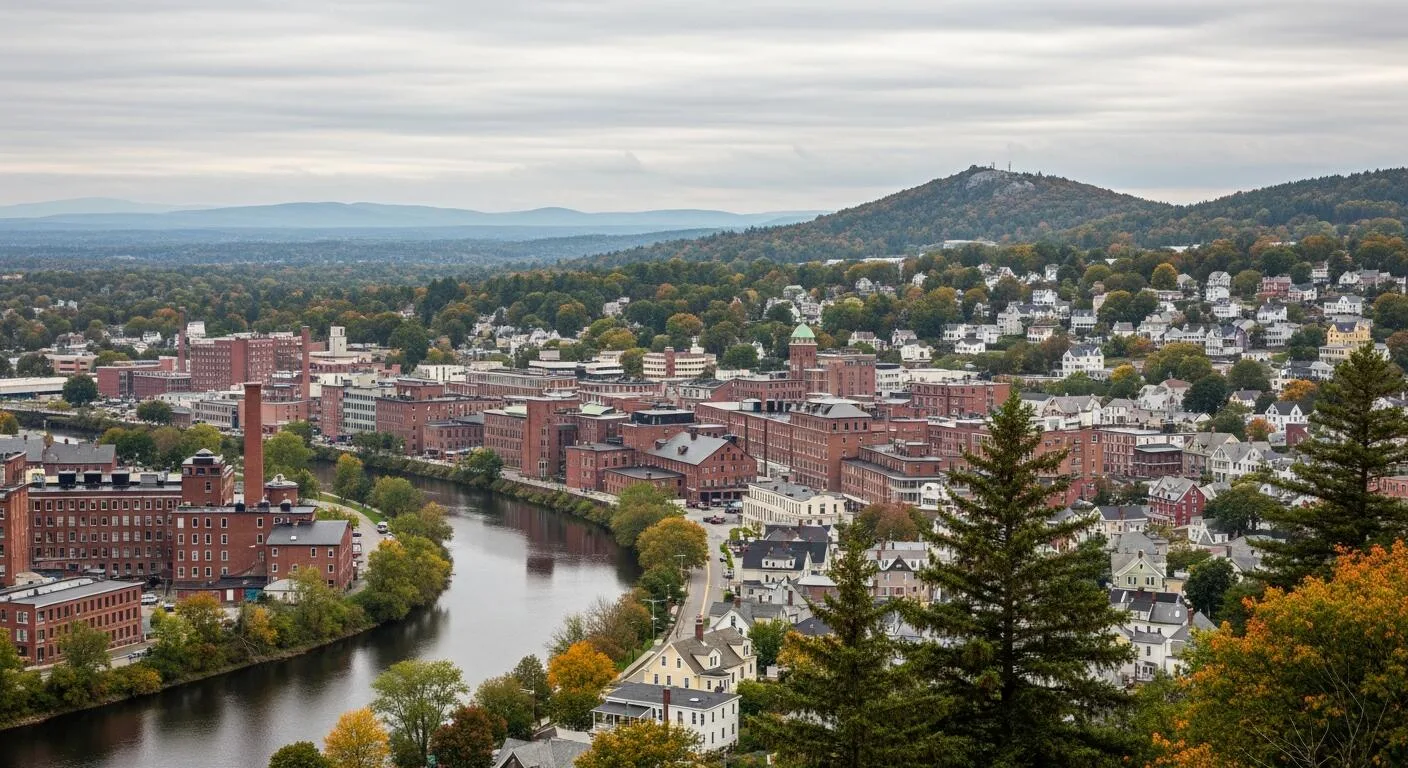
Fitchburg's historic mill district presents unique water damage restoration challenges that require specialized expertise and equipment. The area's industrial heritage has created a complex underground infrastructure of old mill races, abandoned utility tunnels, and modified waterways that can contribute to unexpected flooding events.
Properties in the mill district face specific water damage risks:
- Basement flooding from forgotten mill race channels that still carry groundwater
- Foundation seepage through original stone and mortar construction
- Plumbing failures in buildings with mixed old and new utility systems
- Storm water backup from overwhelmed historic drainage systems
- Industrial contaminant concerns requiring specialized cleanup protocols
Restoration approaches for mill district properties involve:
- Comprehensive site assessment including underground utility mapping
- Historical research to identify potential hidden water sources
- Advanced moisture detection in thick masonry walls
- Contamination testing for industrial residues in soil and groundwater
- Specialized drying techniques for stone and brick construction
- Custom waterproofing solutions respecting historic preservation requirements
The mill district's converted residential and commercial spaces often feature exposed brick, heavy timber construction, and open floor plans that require careful moisture management during restoration. Water damage in these spaces can quickly spread through interconnected areas, making rapid response and proper containment critical for successful restoration outcomes.
Professional restoration teams working in the mill district must coordinate with local historical preservation authorities when restoration work affects protected structures, adding an additional layer of complexity to water damage restoration projects in this unique area of Fitchburg.





