
Damage Restoration in North Adams, MA
- Damage Restoration Services Overview
- Common Damage Restoration Issues in North Adams, Massachusetts
- Neighborhoods We Serve in North Adams
- Seasonal Damage Patterns in North Adams
- Housing Characteristics & Restoration Considerations
- Environmental Conditions & Damage Implications
- Flood Response and Recovery Along the Hoosic River Corridor
Damage Restoration Services Overview
Damage rarely stays contained. A slow pipe leak behind a Church Street kitchen wall becomes rotted framing. Soot left on plaster after a chimney fire etches permanently into the surface within days. Standing water in a Hoosic Valley basement turns into a mold colony in under 48 hours.
Delay is what turns a repairable problem into a rebuild. North Adams property owners who act quickly typically keep original hardwood, plaster, and framing intact - those who wait often lose them.
Full-service restoration for homes and businesses in North Adams covers:
- Water Damage Restoration - extraction, structural drying, and moisture mapping after burst pipes, appliance failures, and roof leaks
- Flooded Basement Cleanup - pump-out, content removal, dehumidification, and foundation drying
- Sewage Cleanup - containment and disinfection of Category 3 contamination from backups and failed lines
- Fire Damage Restoration - board-up, debris removal, structural cleaning, and reconstruction support
- Smoke Damage Restoration - soot removal from surfaces and HVAC systems plus thermal odor neutralization
- Mold Removal - inspection, negative-air containment, safe remediation, and moisture source correction
Benefits for local property owners include faster insurance documentation, reduced demolition, protected indoor air quality, and buildings that stay habitable while work proceeds.
Common Damage Restoration Issues in North Adams, Massachusetts
North Adams sits in a river valley ringed by Mount Greylock and the Hoosac Range. Water runs downhill, and it runs toward the city.
The heavy rain events that have triggered flooding and a state of emergency declaration here are not abstract risks - they are recurring realities for basements, crawlspaces, and low-lying commercial buildings.
Frequent Local Causes of Damage
- Flash flooding along the Hoosic River and its branches after sustained downpours
- Stormwater overwhelming aging municipal lines, forcing sewage backups into floor drains
- Frozen and burst supply pipes in uninsulated exterior walls during Berkshire cold snaps
- Ice dams on steep-pitched roofs pushing meltwater under shingles and into ceilings
- Chimney and woodstove fires in homes heating with wood or oil
- Kitchen grease fires that spread smoke through balloon-framed wall cavities
- Chronic humidity in fieldstone and brick foundations feeding mold growth
Warning Signs Worth Acting On
- Musty odor in the basement or lowest level that intensifies after rain
- Efflorescence - white powdery residue - on foundation walls
- Cupping, buckling, or darkened seams in hardwood flooring
- Staining rings on ceilings below bathrooms or attic spaces
- Gurgling floor drains or slow fixtures during heavy rainfall
- Persistent smoke odor that returns on humid days after a fire
- Peeling paint, soft baseboards, or visible surface growth behind furniture
Any of these signals justify a professional moisture reading before conditions worsen.
Neighborhoods We Serve in North Adams
Service extends across the city and into the surrounding northern Berkshire communities.
- Downtown and Main Street - mixed-use brick commercial blocks and upper-floor apartments
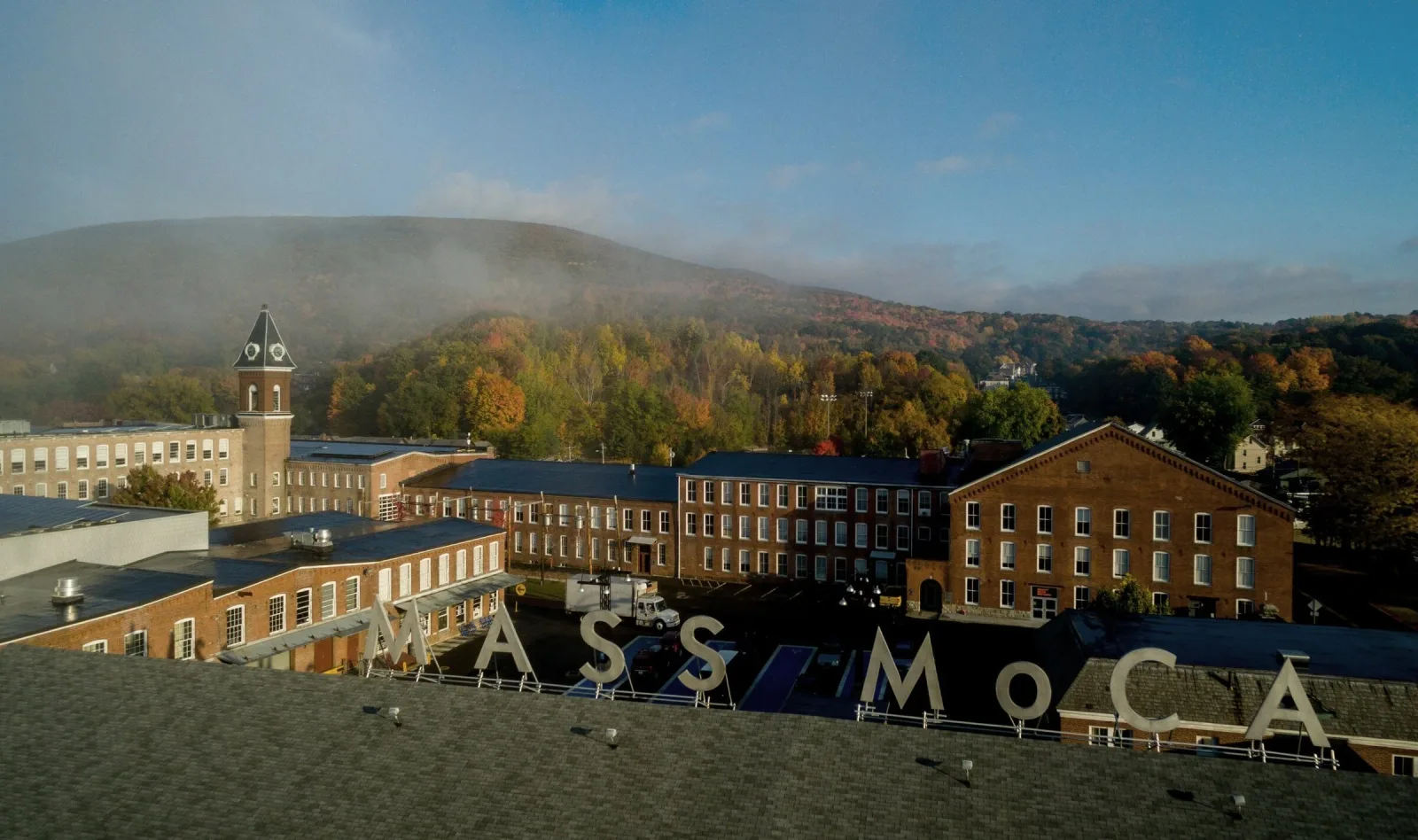
- The Mass MoCA district and Marshall Street area - converted mill buildings with large open floorplates
- Greylock and Braytonville - dense residential streets near the Hoosic River branches
- Blackinton and the West End - older mill-era housing stock
- Notch Road and the Mount Williams area - hillside homes with drainage and runoff exposure
- State Street, Houghton Street, and Veazie Street corridors
Surrounding coverage includes Williamstown, Adams, Clarksburg, Florida, Savoy, Cheshire, Stamford VT, and the Greenfield area to the east along the Mohawk Trail.
Seasonal Damage Patterns in North Adams
Each season brings a distinct profile of restoration calls in northern Berkshire County.
- December through February - Frozen pipe bursts peak during sub-zero stretches. Chimney and heating-appliance fires rise with woodstove and furnace use. Ice dams begin forming on north-facing roof slopes.
- March and April - Snowmelt from Greylock combines with spring rain. Flooded basements, foundation seepage, and sump pump failures dominate. Sewage backups increase as saturated ground pressures older lines.
- May through August - Warm humidity accelerates mold growth in any space that got wet during spring. Thunderstorms and remnant tropical systems drive flash flooding along the Hoosic.
- September and October - Hurricane remnants and heavy rain events remain a threat. Roof leaks reveal themselves as leaves clog gutters and valleys.
- November - Heating systems restart, and dormant dust in ducts plus unmaintained flues produce early-season smoke damage calls.
Water intrusion in any month can produce mold weeks later, which is why post-drying verification matters year-round.
Housing Characteristics & Restoration Considerations
North Adams housing skews old. Much of the stock dates to the mill era of the late 1800s and early 1900s, with a substantial share of multi-family and subsidized units alongside single-family homes.
Common Construction Features
- Fieldstone and rubble foundations that wick groundwater continuously
- Balloon framing that lets smoke, soot, and water travel vertically between floors unseen
- Horsehair plaster over wood lath, which holds moisture and stains readily
- Knob-and-tube or partially updated wiring in unrenovated sections
- Cast iron and clay sewer laterals prone to root intrusion and joint failure
- Steep roofs with minimal attic insulation, encouraging ice dams
- Converted mill and commercial buildings with heavy timber and concrete decks
How Age Shapes the Restoration Approach
- Water damage - Plaster and old-growth framing dry more slowly than modern drywall, requiring extended dehumidification and cavity drying rather than immediate demolition.
- Flooded basements - Porous stone walls need drying strategies that address the masonry itself, not just standing water.
- Sewage cleanup - Unsealed dirt or aged concrete floors absorb contaminants, calling for aggressive removal and antimicrobial treatment.
- Fire and smoke - Wall cavities and shared chases in multi-family buildings must be inspected and cleaned to stop odor migration between units.
- Mold - Pre-1978 materials require lead-safe practices, and asbestos-era finishes need testing before disturbance.
Careful, material-specific methods preserve the character that makes these buildings worth saving.
Environmental Conditions & Damage Implications
The valley setting drives nearly every restoration variable here. Cold winters, humid summers, and steep surrounding terrain create a demanding environment for buildings.
Climate Factors
- Roughly 45 to 50 inches of annual precipitation, plus heavy mountain snowfall
- Winter lows well below zero, with deep frost penetration around foundations
- Summer relative humidity frequently above 70 percent, sustaining mold activity
- Sharp freeze-thaw cycling that opens cracks in masonry and mortar joints
Water and Soil Conditions
- Hoosic River flood control channels handle most events, but extreme rainfall still overwhelms local drainage
- Steep hillside runoff concentrates water against uphill foundation walls
- Glacial till and clay-heavy soils drain slowly, holding hydrostatic pressure against basements
- High seasonal water tables push moisture through slab and stone floors
Air Quality Implications
- Wood and oil heating raises particulate levels indoors during winter
- Tight winterized homes trap smoke residue and mold spores without adequate ventilation
- Post-fire soot binds to cold surfaces, requiring HEPA filtration and duct cleaning
- Sewage events introduce bacteria and endotoxins that demand containment and air scrubbing
Every drying and remediation plan should account for these conditions rather than applying a generic protocol.
Flood Response and Recovery Along the Hoosic River Corridor
North Adams has lived through excessive flooding severe enough to prompt a state of emergency declaration. Residents remember water in basements, mud in first floors, and streets closed across the city.
That experience shaped how restoration works here. Flood water in this valley is rarely clean - it carries street runoff, sediment, and often sewage.
What Flood Response Involves
- Safety and utility assessment - confirming power, gas, and structural stability before entry
- Bulk water extraction - truck-mounted and portable pumping from basements and lower levels
- Contamination classification - determining whether the water is clean, gray, or Category 3 sewage-contaminated
- Selective removal - discarding saturated insulation, carpet pad, and unsalvageable contents
- Cleaning and disinfection - antimicrobial application to framing, masonry, and hard surfaces
- Structural drying - air movers and dehumidifiers positioned by moisture mapping, monitored daily
- Verification - documented readings confirming materials reached dry standard before rebuild
Why Local Knowledge Matters
- Familiarity with which neighborhoods flood first and how quickly water rises
- Understanding of stone foundations and mill construction found across the city
- Experience coordinating with area insurers and documenting losses thoroughly
- Capacity to handle both single-family homes and large commercial or institutional buildings
Technicians backed by more than 50 years of combined experience, corporate-level training, and IICRC certification bring the same standards to a two-family on Veazie Street as to a downtown commercial block. Storm response also covers board-up, roof tarping, and debris removal so the building is secured before drying begins.





