
Damage Restoration in St. George, UT
- Damage Restoration Services Overview
- Common Damage Restoration Issues in St. George, Utah
- Neighborhoods We Serve in St. George
- Seasonal Damage Patterns in St. George
- Housing Characteristics & Restoration Considerations
- Environmental Conditions & Damage Implications
- Advanced Restoration Technology for St. George's Desert Climate
Damage Restoration Services Overview
Delaying damage restoration in St. George can lead to devastating long-term consequences that exponentially increase repair costs and health risks. Water damage can trigger mold growth within 24-48 hours, while fire and smoke residues continue eating away at materials long after flames are extinguished. Structural integrity deteriorates rapidly when damage goes untreated, potentially making homes uninhabitable.
Professional restoration services address these urgent needs through specialized expertise:
- Water Damage Restoration - Rapid moisture extraction and structural drying
- Flooded Basement - Complete water removal and foundation protection
- Sewage Cleanup - Safe biohazard remediation and sanitization
- Fire Damage Restoration - Structural repair and smoke odor elimination
- Smoke Damage Restoration - Deep cleaning and air purification
- Mold Removal - Safe containment and complete remediation
St. George residents benefit from immediate professional intervention that prevents secondary damage, preserves property value, and protects family health. IICRC-certified technicians use advanced equipment to restore homes to pre-damage conditions while addressing underlying issues that could cause future problems.
Common Damage Restoration Issues in St. George, Utah
St. George's unique desert environment creates specific challenges that frequently require professional restoration services. The area's extremely hard water causes mineral buildup that can burst pipes and damage appliances, while seasonal monsoons overwhelm drainage systems and flood basements.
Local factors contributing to damage include:
- Flash flooding from summer thunderstorms overwhelming storm drains
- Expansive clay soils shifting foundations and cracking basement walls
- High mineral content water corroding pipes and causing sudden failures
- Extreme temperature fluctuations stressing building materials
- Dry conditions increasing fire risks and static electricity issues
Warning signs St. George homeowners should watch for:
- White mineral deposits around plumbing fixtures indicating hard water damage
- Musty odors in basements after monsoon season suggesting moisture intrusion
- Discolored walls or ceilings revealing hidden water leaks
- Persistent smoke odors indicating incomplete fire damage cleanup
- Black spots or fuzzy growth showing mold contamination
- Sewage backups during heavy rainfall events
These conditions require immediate professional attention to prevent extensive property damage and health hazards.
Neighborhoods We Serve in St. George
Our certified restoration teams provide comprehensive damage restoration services throughout St. George and surrounding Washington County communities:
- Downtown St. George - Historic homes and commercial buildings
- Dixie - Established residential neighborhoods
- Green Valley - Newer developments and golf communities
- Bloomington - Growing suburban areas
- Santa Clara - Riverside properties prone to flooding
- Ivins - Desert homes with unique challenges
- Washington - Mixed residential and agricultural properties
- Hurricane - Rapidly expanding communities
- LaVerkin - Rural properties and manufactured homes
We also serve outlying areas including Veyo, Central, Pine Valley, and Gunlock, ensuring all Southern Utah residents have access to professional damage restoration services when disasters strike.
Seasonal Damage Patterns in St. George
St. George experiences distinct seasonal patterns that create predictable damage restoration needs throughout the year:
Spring (March-May):
- Snowmelt flooding affects northern areas and basements
- Temperature fluctuations cause pipe bursts and water damage
- Increased construction activity elevates fire risks
Summer (June-August):
- Monsoon season brings flash flooding and sewage backups
- Extreme heat stresses electrical systems, causing fires
- High humidity during storms triggers mold growth
Fall (September-November):
- Wildfire season creates smoke damage throughout the region
- First freezes cause pipe failures and water emergencies
- Heating system startups can trigger house fires
Winter (December-February):
- Frozen pipes burst causing extensive water damage
- Fireplace and heating equipment malfunctions increase fire risks
- Poor ventilation during cold months promotes mold growth
Housing Characteristics & Restoration Considerations
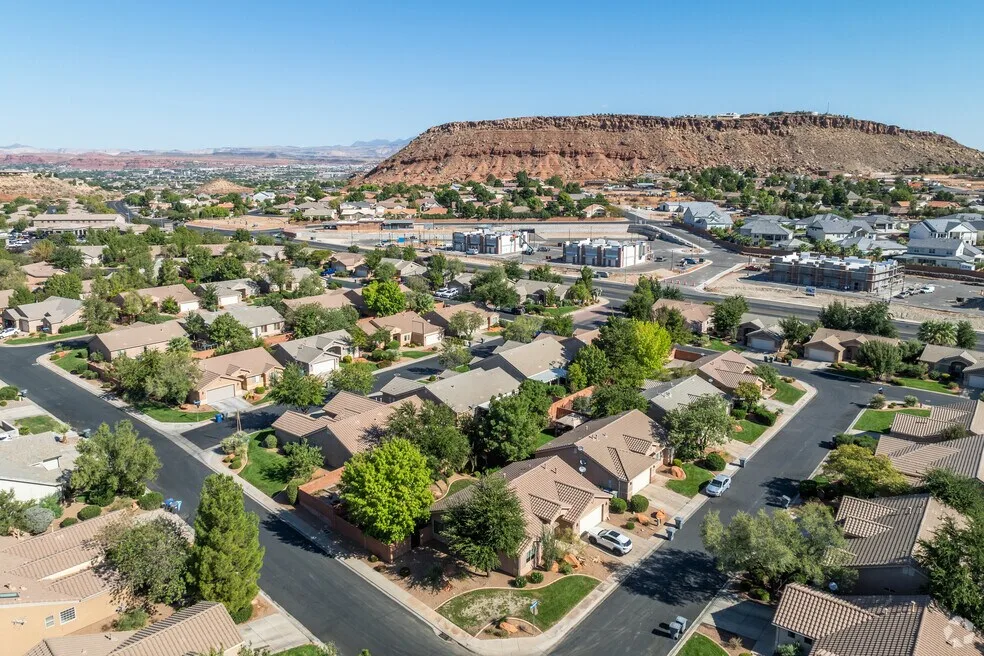
St. George's diverse housing stock presents unique restoration challenges based on construction era and building materials. The area features a mix of historic adobe structures, mid-century ranch homes, and modern stucco developments, each requiring specialized restoration approaches.
Housing characteristics affecting restoration needs:
- Adobe and older masonry homes (pre-1960) - Porous materials absorb water quickly, requiring specialized drying techniques
- Mid-century ranch homes (1960-1990) - Single-story layouts facilitate water spread but allow easier access for restoration
- Modern stucco construction (1990+) - Synthetic materials may trap moisture behind walls
- Manufactured homes - Common in outlying areas, vulnerable to fire spread and water damage
Foundation types impact restoration strategies:
- Concrete slab foundations require specialized water extraction equipment
- Crawl spaces need moisture control to prevent mold growth
- Basement foundations face unique flooding challenges from clay soil expansion
Many St. George homes feature tile roofs, stucco exteriors, and concrete floors that require specific restoration techniques. Older homes may contain asbestos or lead materials, necessitating specialized safety protocols during fire and water damage restoration.
Environmental Conditions & Damage Implications
St. George's high desert climate creates environmental conditions that significantly impact damage restoration requirements and timelines. The area's extreme aridity, intense UV exposure, and mineral-rich water supply present unique challenges for restoration professionals.
Climate factors affecting restoration:
- Low humidity (10-30%) - Accelerates drying but can cause material cracking
- High temperatures (100°F+ summers) - Speeds mold growth when moisture is present
- Intense UV radiation - Degrades materials exposed during restoration
- Sudden temperature swings - Cause building material expansion and contraction
Water quality impacts include:
- Extremely hard water (300+ ppm minerals) corrodes pipes and fixtures
- High calcium content leaves deposits that complicate cleaning
- Iron content can stain materials during water damage events
Soil conditions create additional challenges:
- Expansive clay soils shift foundations during wet periods
- Caliche hardpan prevents proper drainage around foundations
- Sandy areas allow rapid water infiltration but poor retention
These environmental factors require restoration professionals to use specialized equipment and techniques adapted to Southern Utah's unique conditions, ensuring effective moisture removal and preventing secondary damage.
Advanced Restoration Technology for St. George's Desert Climate
St. George's extreme desert environment demands cutting-edge restoration technology that can handle unique challenges like mineral-laden water, rapid temperature fluctuations, and flash flood conditions. Modern restoration companies serving Southern Utah employ specialized equipment designed specifically for arid climate restoration needs.
Advanced water extraction systems address St. George's specific challenges:
- High-capacity truck-mounted extractors - Remove thousands of gallons from flooded basements within hours
- Low-grain refrigerant dehumidifiers - Function effectively in low-humidity desert conditions
- Heated air movers - Accelerate drying in concrete slab foundations common to the area
- Moisture mapping technology - Detects hidden water in stucco walls and tile floors
Fire and smoke restoration utilizes advanced methods:
- Thermal fogging penetrates porous adobe and masonry materials
- Hydroxyl generators neutralize smoke odors without chemical residue
- HEPA air scrubbers remove fine particulates from desert dust and smoke
- Ultrasonic cleaning restores delicate items damaged by heat and soot
Mold remediation technology addresses desert-specific growth patterns where sudden moisture events create rapid contamination. Containment systems prevent cross-contamination while specialized antimicrobial treatments eliminate spores that thrive in St. George's temperature extremes. These advanced approaches ensure complete restoration while protecting the unique building materials common throughout Southern Utah's historic and modern structures.





