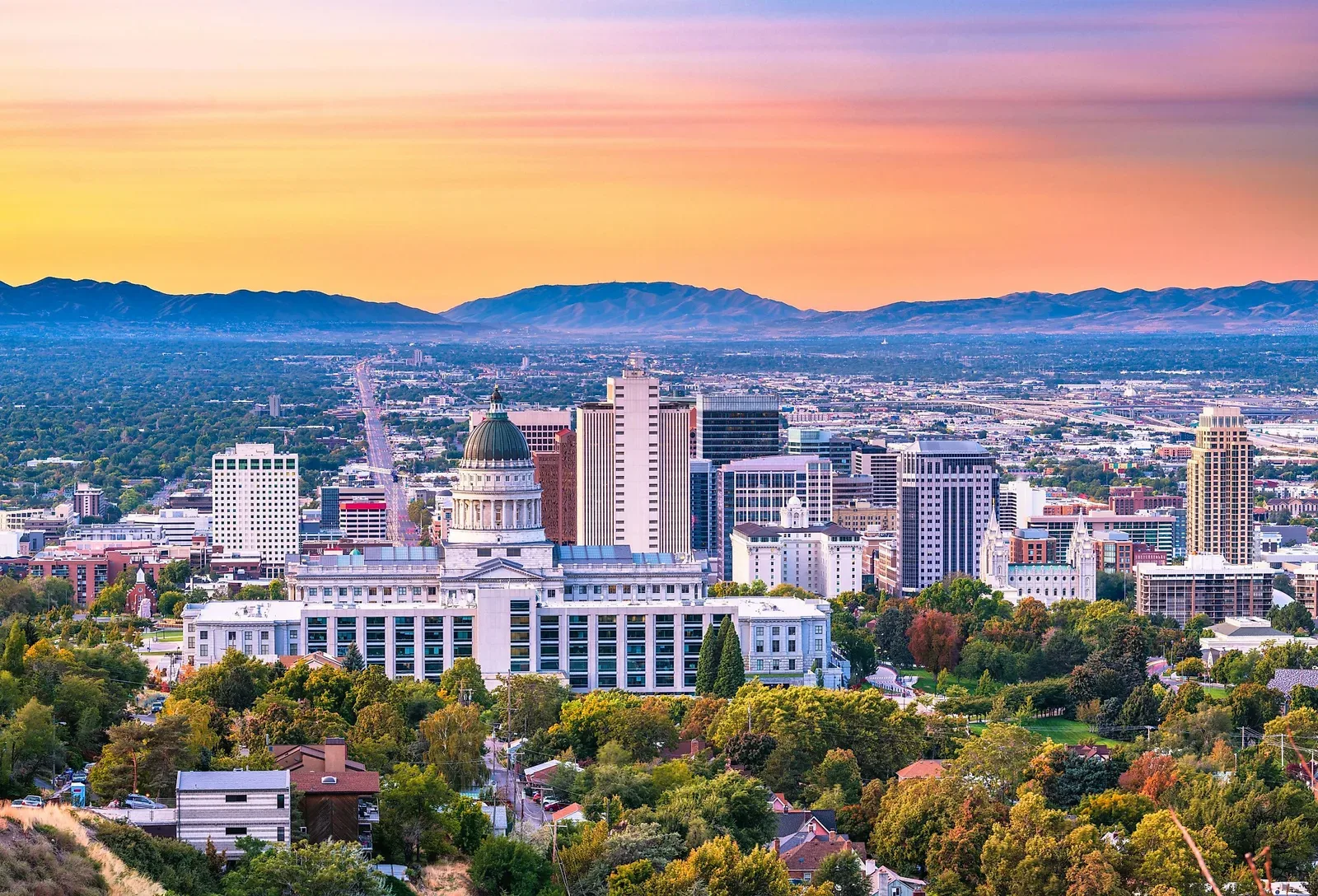
Damage Restoration in Salt Lake, UT
- Damage Restoration Services Overview
- Common Damage Restoration Issues in Salt Lake, Utah
- Neighborhoods We Serve in Salt Lake
- Seasonal Damage Patterns in Salt Lake
- Housing Characteristics & Restoration Considerations
- Environmental Conditions & Damage Implications
- Wasatch Fault Zone Seismic Considerations for Restoration
Damage Restoration Services Overview
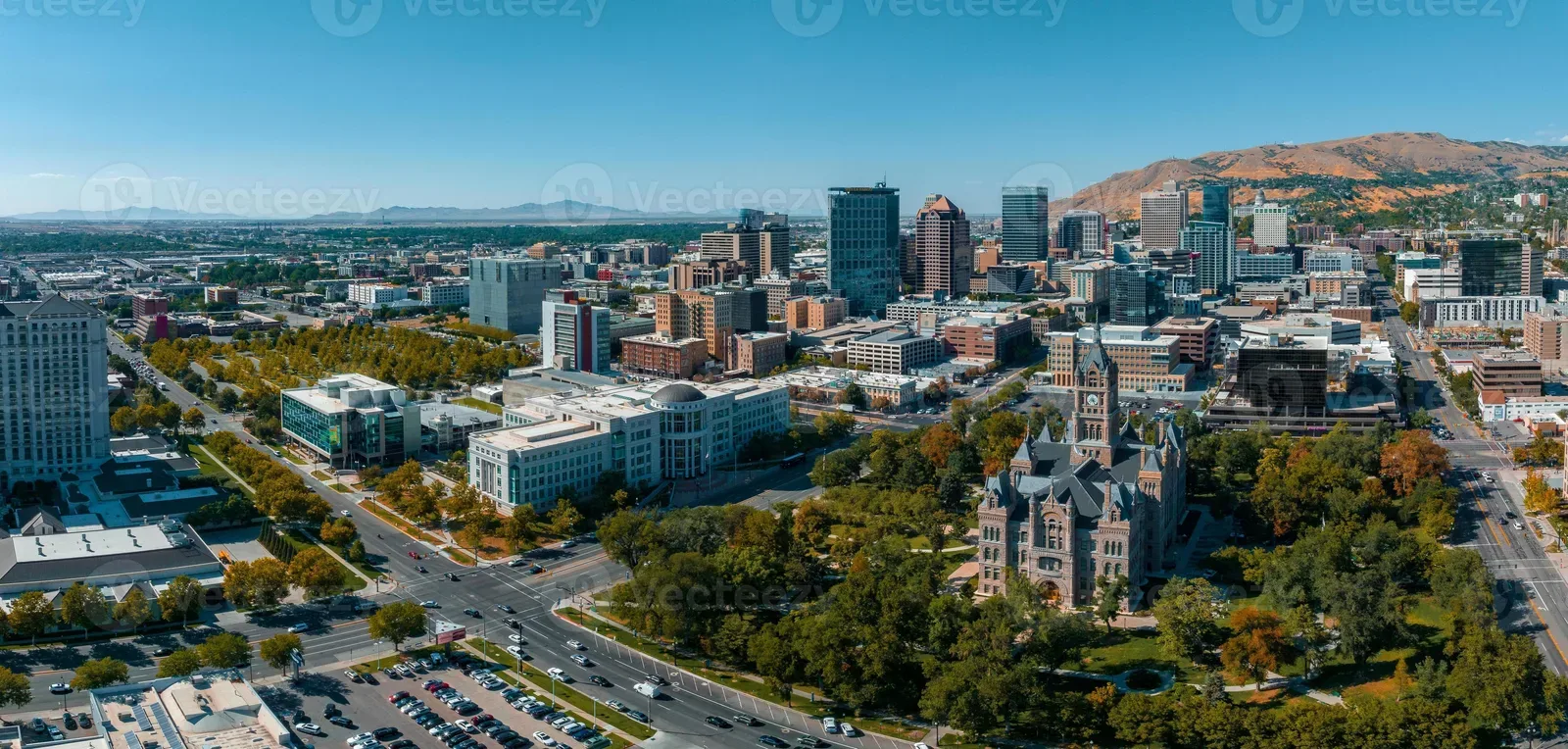
When disaster strikes your Salt Lake property, immediate action prevents minor damage from becoming major catastrophe. Professional restoration services protect your investment and ensure your family's safety through rapid response and expert remediation techniques.
Salt Lake residents face unique restoration challenges requiring specialized expertise:
- Water damage restoration - Burst pipes, appliance leaks, and storm flooding
- Flooded basement - Groundwater intrusion and foundation seepage
- Sewage cleanup - Contaminated water removal and sanitization
- Fire damage restoration - Structural repair and soot removal
- Smoke damage restoration - Odor elimination and air purification
- Mold removal - Complete remediation and prevention strategies
Professional restoration teams use advanced equipment including industrial dehumidifiers, air scrubbers, and thermal imaging cameras to identify hidden damage. Quick response within the first 24-48 hours significantly reduces restoration costs and prevents secondary damage like mold growth or structural deterioration.
Common Damage Restoration Issues in Salt Lake, Utah
Salt Lake's unique geography and climate create specific restoration challenges throughout the year. The valley's position between the Wasatch Mountains and Great Salt Lake influences moisture patterns and weather extremes that impact local properties.
Winter freeze-thaw cycles cause frequent water damage issues:
- Burst pipes from extreme temperature fluctuations
- Ice dam formation leading to roof leaks
- Basement flooding from rapid snowmelt
- Foundation cracks allowing groundwater intrusion
Fire risks increase during Utah's dry summer months when wildfire smoke affects indoor air quality. Older homes in established neighborhoods face higher fire damage risks due to aging electrical systems and proximity to mature vegetation.
Sewage backup problems occur when:
- Heavy spring runoff overwhelms municipal systems
- Tree roots infiltrate aging sewer lines
- Ground shifting affects pipe connections
Mold growth thrives in Salt Lake's variable humidity levels, particularly in basements and crawl spaces where poor ventilation combines with moisture from seasonal flooding or plumbing leaks.
Neighborhoods We Serve in Salt Lake
Our restoration teams serve all Salt Lake neighborhoods, from historic districts to new developments across the valley:
- Downtown Salt Lake - Historic buildings and modern condominiums
- The Avenues - Older homes with unique restoration needs
- Sugar House - Mixed residential and commercial properties
- Capitol Hill - Victorian-era homes requiring specialized techniques
- East Bench - Hillside properties with drainage challenges
- Rose Park - Mid-century homes and newer construction
- Glendale - Industrial and residential mixed zones
We also provide services to surrounding communities including West Valley City, South Salt Lake, Millcreek, and Murray. Each area presents distinct restoration challenges based on construction age, soil conditions, and proximity to water sources.
Seasonal Damage Patterns in Salt Lake
Salt Lake's four distinct seasons create predictable damage patterns requiring different restoration approaches throughout the year.
Winter (December-February) brings the highest water damage risks:
- Frozen pipe bursts during temperature drops below 20°F
- Ice dam formation on north-facing roofs
- Basement flooding from snow accumulation against foundations
Spring (March-May) creates unique challenges:
- Rapid snowmelt overwhelming drainage systems
- Foundation settling causing new cracks
- Increased sewage backup incidents
Summer (June-August) elevates fire and smoke damage risks:
- Wildfire smoke infiltration requiring air purification
- Electrical fires from air conditioning overload
- Dry conditions increasing combustible material hazards
Fall (September-November) presents mold growth conditions:
- Temperature fluctuations creating condensation
- Leaf accumulation blocking drainage systems
- HVAC system contamination from summer dust
Housing Characteristics & Restoration Considerations
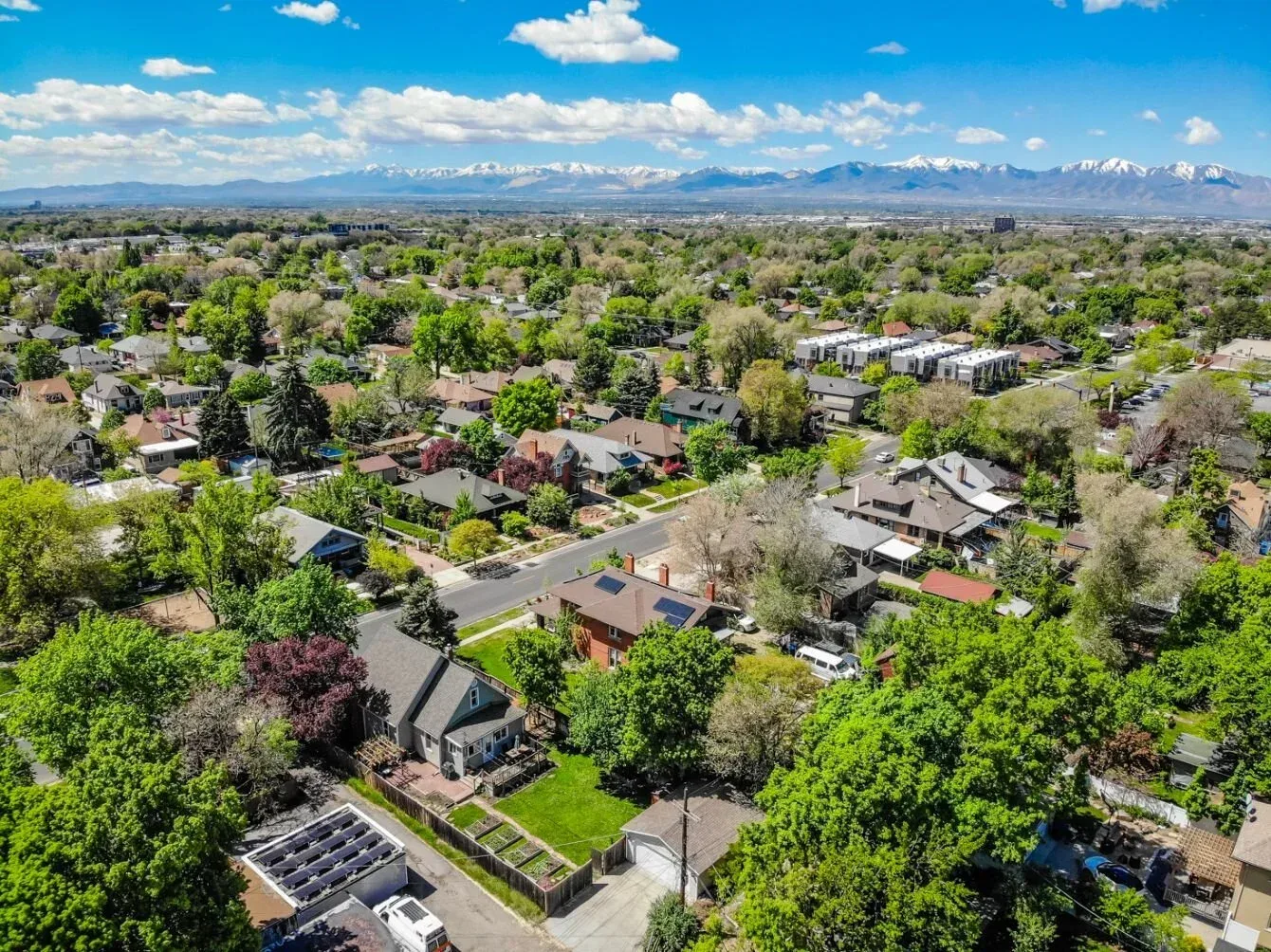
Salt Lake's diverse housing stock ranges from 1800s pioneer-era structures to modern developments, each presenting unique restoration challenges based on construction materials and methods.
Historic homes (pre-1950) require specialized restoration approaches:
- Adobe and stone foundations vulnerable to water penetration
- Plaster walls needing careful moisture extraction techniques
- Original hardwood floors requiring specialized drying methods
- Knob-and-tube wiring increasing fire damage complexity
Mid-century construction (1950-1980) presents common issues:
- Concrete slab foundations prone to cracking
- Aluminum wiring requiring careful fire damage assessment
- Single-pane windows allowing moisture infiltration
- Asbestos materials requiring certified removal procedures
Modern homes (1980-present) feature different restoration considerations:
- Engineered lumber requiring specific drying protocols
- Complex HVAC systems needing thorough smoke damage cleaning
- Synthetic materials releasing toxic fumes during fires
- Improved insulation potentially trapping moisture
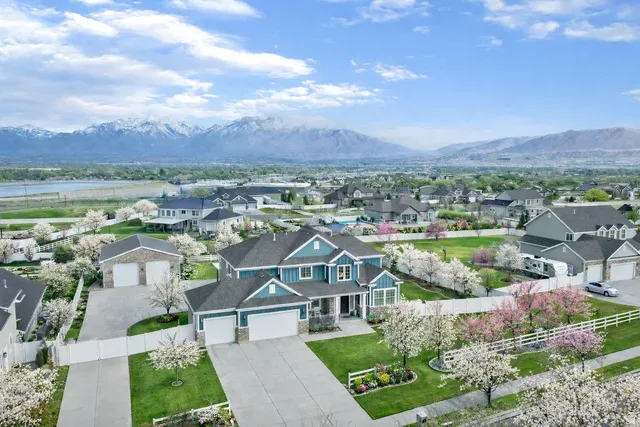
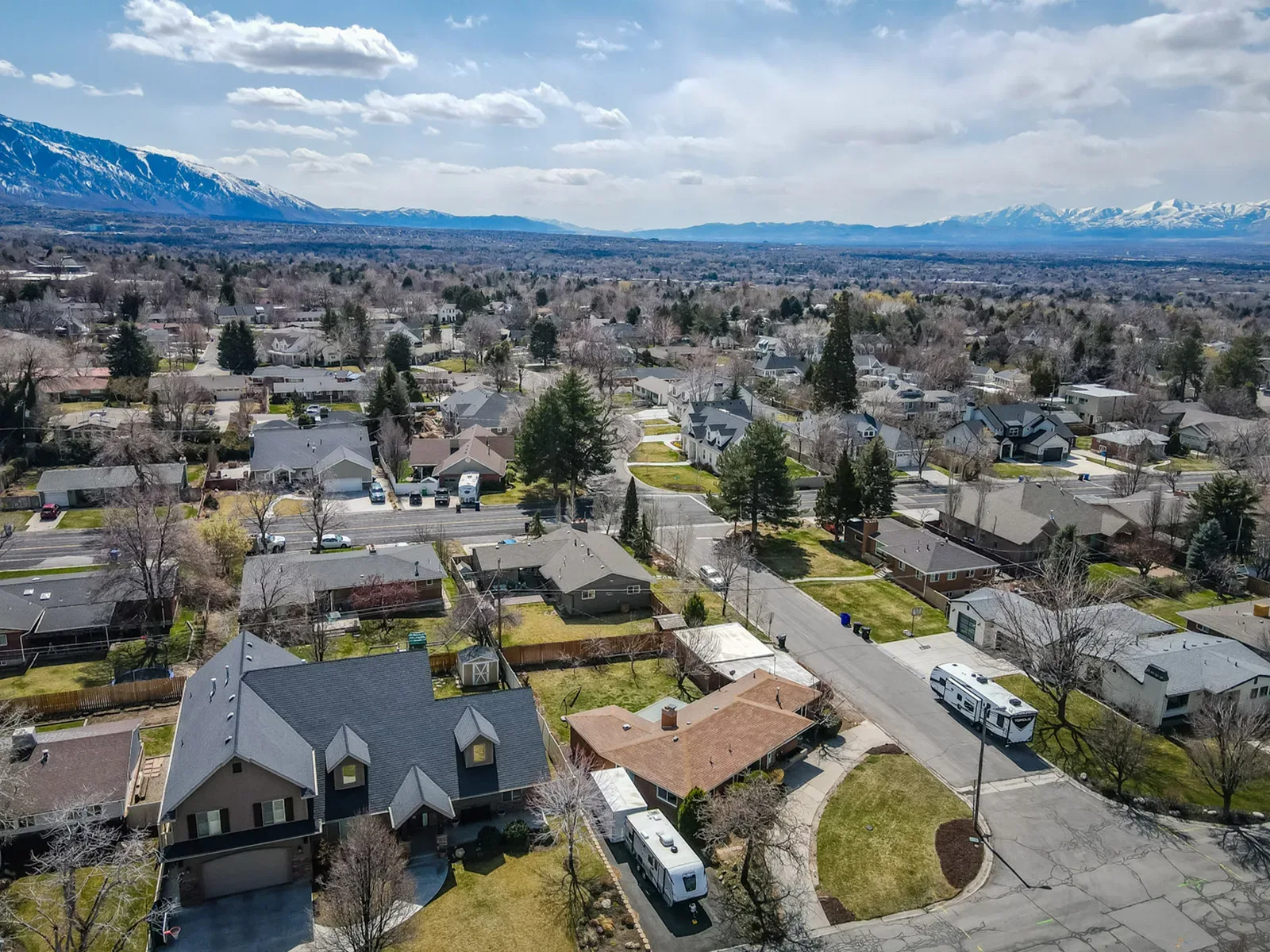
Two-story homes dominate Salt Lake neighborhoods, creating vertical water damage patterns requiring strategic extraction placement and careful structural assessment during restoration.
Environmental Conditions & Damage Implications
Salt Lake's semi-arid climate and unique environmental conditions significantly impact restoration requirements and techniques across all damage types.
Climate factors affecting restoration:
- Low humidity (average 30-50%) accelerates drying but complicates dust control
- High elevation (4,226 feet) affects equipment performance and drying rates
- Temperature extremes (-10°F to 100°F) stress building materials
- Inversion layers trap smoke and pollutants during winter months
Soil composition impacts:
- Clay-rich soils expand and contract, affecting foundation stability
- High alkalinity levels accelerate concrete deterioration
- Poor drainage in valley floor areas increases flood risks
- Bentonite clay creates waterproofing challenges
Air quality considerations:
- Seasonal wildfire smoke requires specialized filtration systems
- Winter inversions concentrate indoor pollutants
- High particulate levels during dust storms affect restoration equipment
- Dry conditions increase static electricity and dust accumulation
Great Salt Lake's proximity influences humidity patterns and creates unique corrosion issues for restoration equipment. Salt air accelerates metal deterioration and requires specialized protective measures during extended restoration projects.
Wasatch Fault Zone Seismic Considerations for Restoration
Salt Lake City's location along the active Wasatch Fault Zone creates unique restoration challenges that property owners must understand when addressing damage from earthquakes and related structural issues.
Seismic damage patterns requiring specialized restoration:
- Foundation cracks allowing water infiltration and requiring waterproofing
- Broken utility lines causing water damage and sewage backup incidents
- Structural shifts creating new pathways for moisture penetration
- Chimney damage leading to fire hazards and smoke infiltration
- Window and door frame distortion affecting building envelope integrity
Post-earthquake conditions often trigger secondary damage requiring comprehensive restoration services. Water damage occurs when seismic activity ruptures plumbing systems or compromises building waterproofing. Gas line breaks can cause fire damage, while structural movement creates opportunities for mold growth in newly formed cracks and crevices.
Restoration considerations for seismically damaged properties:
- Structural engineering assessment before beginning restoration work
- Updated building code compliance during reconstruction
- Seismic retrofitting integration with damage restoration
- Enhanced waterproofing systems to prevent future water intrusion
- Improved ventilation design to prevent mold growth
Professional restoration teams coordinate with structural engineers and local building officials to ensure repairs meet current seismic safety standards while addressing immediate damage concerns. This comprehensive approach protects property values and ensures long-term structural integrity.