
Damage Restoration in Magna, UT
- Damage Restoration Services Overview
- Common Damage Restoration Issues in Magna, Utah
- Neighborhoods We Serve in Magna
- Seasonal Damage Patterns in Magna
- Housing Characteristics & Restoration Considerations
- Environmental Conditions & Damage Implications
- Mining Heritage and Industrial Impact on Restoration Needs
Damage Restoration Services Overview
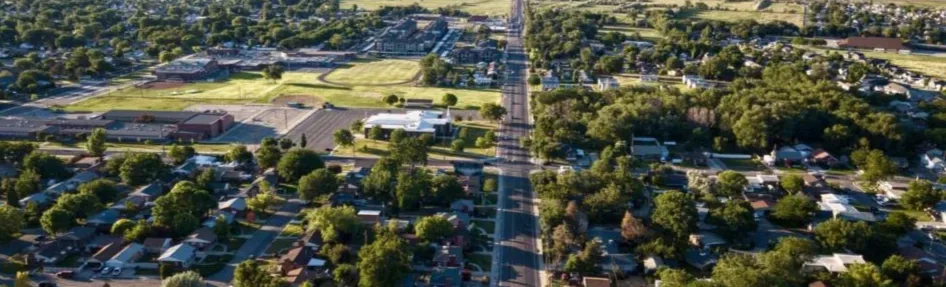
Magna, Utah's unique location in the Salt Lake Valley presents distinct restoration challenges that require specialized expertise and rapid response. Since 2001, Quality Restoration has helped families in Magna recover from water, fire, and mold damage with fast, professional service and compassionate care.
Our comprehensive restoration services address the full spectrum of property damage that Magna residents face:
- Water Damage Restoration - Emergency extraction, structural drying, and moisture control
- Flooded Basement - Specialized below-grade water removal and foundation protection
- Sewage Cleanup - Safe contaminated water removal and sanitization
- Fire Damage Restoration - Structural repair, soot removal, and property reconstruction
- Smoke Damage Restoration - Odor elimination, surface cleaning, and air purification
- Mold Removal - Professional remediation and prevention strategies
Whether you need flood cleanup, storm damage removal, or fire restoration, our Utah-based team of professionals is ready to quickly get your home back to pre-damage condition. WDR Salt Lake City provides water damage restoration services to Magna, UT 84044, and surrounding areas, including Salt Lake City, West Valley City, and Kearns.
Common Damage Restoration Issues in Magna, Utah
Magna's location near the Great Salt Lake and its position in the Salt Lake Valley creates specific vulnerability patterns that homeowners should recognize.
Water-Related Issues:
- Spring snowmelt flooding affecting basements and lower levels
- Seasonal groundwater fluctuations causing foundation seepage
- Aging plumbing systems in older neighborhoods leading to burst pipes
- Storm water backup during heavy precipitation events
Fire and Smoke Damage Patterns:
- Wildfire smoke infiltration during Utah's fire season
- Electrical fires from older home wiring systems
- Kitchen fires in homes with dated appliances
- Heating system malfunctions during winter months
Mold and Indoor Air Quality Concerns:
- Basement mold growth from poor ventilation
- Attic condensation issues during temperature swings
- Hidden moisture behind walls from slow leaks
- Post-flood mold development in untreated areas
Fire damage repair services in Magna, UT help restore structural integrity, remove soot and smoke, and repair damaged materials efficiently and reliably. Early detection and professional intervention prevent minor issues from becoming major restoration projects.
Neighborhoods We Serve in Magna
Our restoration teams provide comprehensive coverage throughout Magna and surrounding communities:
- Central Magna - Historic downtown area with mixed residential and commercial properties
- Pleasant Green - Established neighborhoods with mature trees and older infrastructure
- Cyprus - Adjacent community with similar restoration needs
- West Valley City borders - Newer developments with modern construction
- Kearns vicinity - Suburban areas with varied home ages and styles
We also extend services to nearby Salt Lake City areas, ensuring rapid response times regardless of your specific location. Our local knowledge of Magna's infrastructure, building patterns, and environmental conditions allows us to provide targeted restoration solutions that address community-specific challenges effectively.
Seasonal Damage Patterns in Magna
Understanding Magna's seasonal damage patterns helps homeowners prepare for and recognize potential restoration needs throughout the year.
Spring (March-May):
- Snowmelt flooding and basement water intrusion peak
- Foundation settling issues emerge as ground thaws
- Roof leak detection from winter ice damage
Summer (June-August):
- Wildfire smoke damage and air quality concerns
- Thunderstorm water damage from sudden downpours
- Air conditioning failures leading to humidity problems
Fall (September-November):
- Heating system startup fires and carbon monoxide issues
- Gutter overflow problems from falling leaves
- Early freeze pipe damage preparation period
Winter (December-February):
- Frozen pipe bursts and water damage emergencies
- Ice dam formation causing roof leaks
- Heating system overuse leading to fire risks
- Poor ventilation creating mold-friendly conditions
Housing Characteristics & Restoration Considerations
Magna's housing stock reflects decades of development, creating diverse restoration challenges that require specialized approaches.
Housing Age Distribution and Implications:
- Pre-1980 homes with original plumbing systems prone to water damage
- 1980s-1990s construction with potential asbestos considerations during fire restoration
- Post-2000 builds with modern materials requiring specialized smoke damage treatment
- Mobile homes and manufactured housing needing adapted restoration techniques
Common Construction Types:
- Brick and stucco exteriors requiring careful fire damage assessment
- Basement foundations susceptible to flooding and mold growth
- Wood frame construction with specific fire restoration protocols
- Concrete slab foundations affecting water damage extraction methods
Restoration Considerations by Home Type:
- Ranch-style homes with crawl spaces needing specialized water extraction
- Two-story homes requiring multi-level smoke damage assessment
- Split-level designs with complex water flow patterns during flooding
- Attached garages creating fire spread and smoke infiltration risks
These housing characteristics directly influence restoration strategies, equipment selection, and timeline planning for each service type.
Environmental Conditions & Damage Implications
Magna's environmental conditions significantly impact both damage occurrence and restoration approaches across all service categories.
Climate Factors Affecting Restoration:
- Semi-arid climate with low humidity affecting mold growth patterns
- Temperature extremes creating expansion and contraction damage
- Limited precipitation concentrated in specific seasons
- High elevation UV exposure affecting exterior materials
Air Quality and Smoke Considerations:
- Seasonal inversion layers trapping pollutants and smoke
- Dust storms affecting indoor air quality and filtration systems
- Industrial emissions from nearby facilities requiring specialized cleaning
- Wildfire smoke infiltration during regional fire events
Water and Soil Conditions:
- High mineral content in water affecting cleaning and restoration processes
- Clay soil composition influencing foundation movement and water drainage
- Seasonal groundwater level changes affecting basement flooding risk
- Salt content in soil and air requiring specialized material treatments
Restoration Process Adaptations:
- Extended drying times needed due to altitude and humidity levels
- Specialized equipment calibration for local atmospheric conditions
- Material selection considering salt air and mineral exposure
- Ventilation strategies adapted to seasonal air quality variations
Mining Heritage and Industrial Impact on Restoration Needs
Magna's rich mining heritage and proximity to industrial facilities create unique restoration challenges that require specialized knowledge and adapted techniques across all damage types.
Historical Mining Impact on Properties:
- Older homes built near former mining operations may have foundation settling issues
- Residual mineral deposits in soil affecting water damage restoration drainage
- Legacy contamination concerns during sewage cleanup and soil excavation
- Structural modifications from mining-era construction requiring careful fire damage assessment
Current Industrial Influences:
- Copper refinery operations contributing to air quality challenges during smoke damage restoration
- Industrial dust accumulation requiring specialized cleaning protocols
- Chemical exposure considerations during mold removal and air purification
- Transportation corridor proximity affecting vibration-related structural damage
Restoration Adaptations for Industrial Environment:
- Enhanced air filtration systems during all restoration processes
- Specialized cleaning agents effective against industrial residues
- Extended testing protocols for air quality verification
- Protective equipment upgrades for technician safety
- Coordination with local environmental monitoring during large-scale projects
These industrial and historical factors influence every aspect of restoration work, from initial assessment through final cleanup. Our technicians receive specific training on Magna's unique environmental conditions, allowing them to provide effective restoration services while maintaining the highest safety standards for both workers and residents.





