
Damage Restoration in Midway, UT
- Damage Restoration Services Overview
- Common Damage Restoration Issues in Midway, Utah
- Neighborhoods We Serve in Midway
- Seasonal Damage Patterns in Midway
- Housing Characteristics & Restoration Considerations
- Environmental Conditions & Damage Implications
- Protecting Vacant Second Homes and Vacation Properties in Midway
Damage Restoration Services Overview
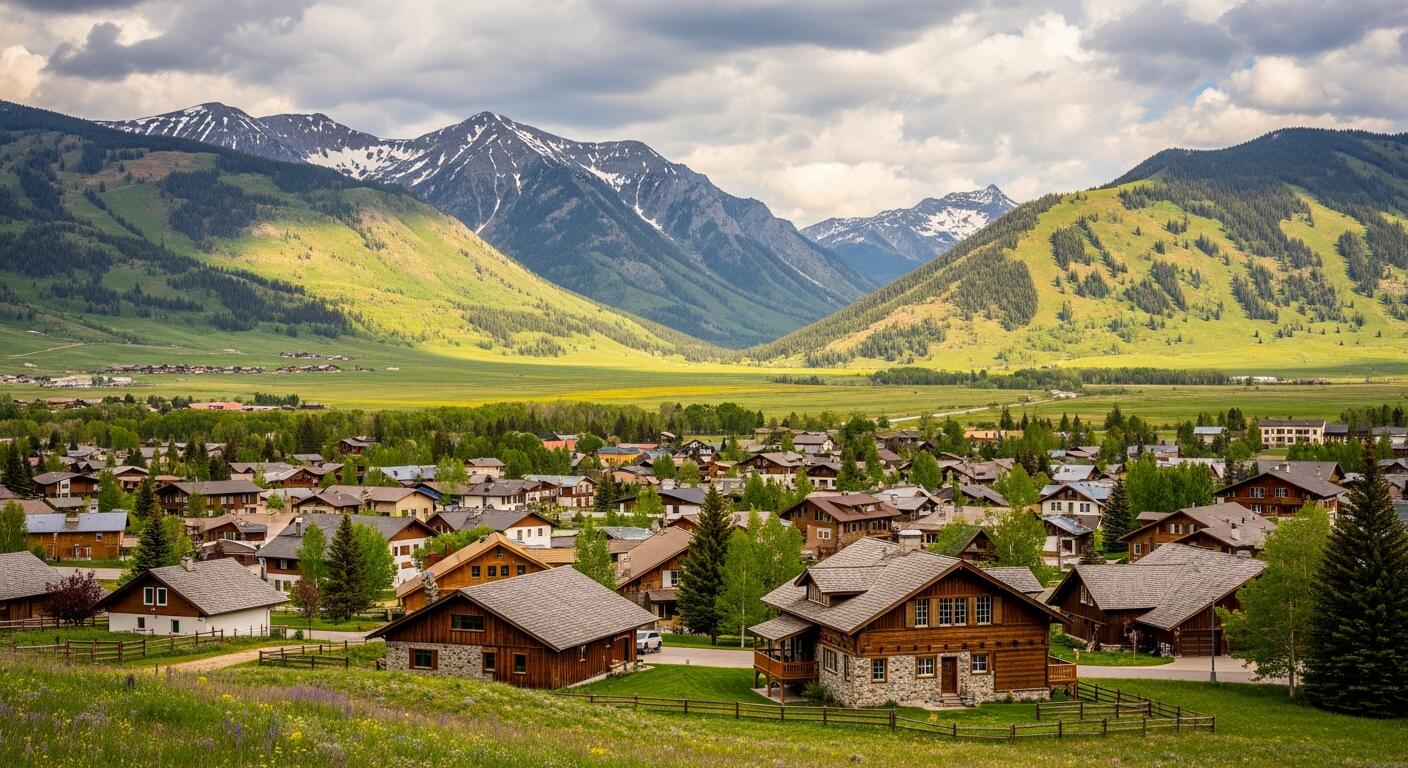
Walking into a Midway home and finding water spreading across the floor, smelling smoke on the walls, or spotting mold behind a baseboard is unsettling. The clock starts running immediately, and the decisions you make in the first hours shape how much of your property survives.
Our crews respond across Midway and the Heber Valley with a full range of mitigation and rebuild services, handled by IICRC-certified technicians backed by 25 years of work in Utah.
- Water Damage Restoration - extraction, structural drying, moisture mapping, and monitoring until materials hit dry standard.
- Flooded Basement Cleanup - pumping standing water, removing saturated flooring and drywall, and drying foundation walls and framing.
- Sewage Cleanup - containment, removal of contaminated porous materials, and antimicrobial treatment of affected surfaces.
- Fire Damage Restoration - securing the structure, removing char and debris, and coordinating reconstruction.
- Smoke Damage Restoration - soot removal from finishes and contents, HVAC cleaning, and odor treatment at the source.
- Mold Removal - containment barriers, negative air, safe removal of colonized material, and correcting the moisture that fed the growth.
Benefits for Midway property owners are practical: faster dry-out means fewer materials thrown away, containment means damage stays in one room instead of migrating, and direct insurance billing means you are not chasing paperwork while living out of a suitcase.
Common Damage Restoration Issues in Midway, Utah
Frozen pipes are the dominant water damage risk in Midway, and the reason is the housing mix itself. This valley carries a substantial vacation and second-home market, particularly around the Homestead Resort area and Soldier Hollow, and many of those properties sit empty for weeks at a time during deep winter.
- A heating system fails, a thermostat is set too low, or a supply line runs through a poorly insulated exterior wall.
- The line freezes and splits, often without any visible sign.
- The thaw arrives and the line runs freely - in a vacant home, sometimes for days.
- Water travels down through ceilings, walls, and into finished lower levels before anyone opens the door.
Other issues we see regularly across Midway:
- Flooded basements from spring snowmelt, saturated ground around foundations, and failed sump pumps during runoff season.
- Sewage backups caused by tree root intrusion in older laterals, septic system overload on larger rural lots, and frozen or blocked lines.
- Fire and smoke damage tied to wood stoves, fireplaces, chimney creosote buildup, and space heaters used in shoulder seasons.
- Mold growth in crawlspaces, behind cabinetry, and in finished basements where a slow leak went unnoticed.
Warning signs worth acting on: a musty odor in a lower level, staining or bubbling paint on ceilings, warped flooring seams, unexplained spikes in water use, and lingering smoke smell that returns when the furnace kicks on.
Neighborhoods We Serve in Midway
We cover all of Midway and the surrounding Heber Valley, with crews familiar with both the historic town core and the newer resort-adjacent development.
- Downtown Midway and Main Street - historic homes, older plumbing, plaster and lath construction.
- Homestead Resort area - condos, cabins, and second homes with seasonal occupancy.
- Soldier Hollow and Wasatch Mountain State Park corridor - mountain properties with exposed water lines and long response distances.
- Interlaken and the upper benches - steep lots, hillside drainage, and snow-load exposure.
- Midway Fields, River Road, and Center Creek adjacent areas - agricultural parcels, septic systems, and irrigation-fed water tables.
We also serve Heber City, Charleston, Wallsburg, Daniel, and the Jordanelle and Deer Valley approaches. Our team travels from our Bluffdale headquarters over Provo Canyon and through Park City, so we can reach most Midway addresses quickly regardless of which route is running clean.
Seasonal Damage Patterns in Midway
Midway's elevation and cold winters create a fairly predictable damage calendar.
- December - February: peak frozen pipe season. Vacant second homes, failed furnaces, and unheated crawlspaces drive most emergency calls. Ice dams push meltwater under shingles and into ceilings.
- March - April: thaw season. Frozen lines split open, snowmelt saturates soil against foundations, and flooded basements spike. Sump pumps run constantly and fail.
- May - June: runoff continues from the Wasatch Back. High water tables stress foundation drains and septic systems, and sewage backups increase.
- July - August: monsoon storms bring flash runoff and roof leaks. Mold that started during spring flooding becomes visible and odorous as humidity rises indoors.
- September - October: heating systems restart. Dust burn-off, chimney creosote, and long-idle wood stoves produce smoke damage and small fires.
- November: the first hard freeze catches outdoor spigots, irrigation lines, and unwinterized vacation properties.
Scheduling seasonal inspections ahead of these windows - particularly a fall plumbing and heating check on any property you leave empty - prevents the majority of the losses we respond to.
Housing Characteristics & Restoration Considerations
Midway's building stock spans well over a century, and each era of construction responds differently to water, smoke, and mold.
- Historic Swiss-influenced and pioneer-era homes near the town center often have plaster walls, original wood framing, stone or rubble foundations, and limited insulation. Water travels through cavities in unpredictable ways, and drying requires careful cavity access rather than wholesale demolition.
- Mid-century ranch and split-level homes commonly have finished basements, galvanized or early copper supply lines, and cast iron drains prone to root intrusion and backups.
- Modern resort homes and cabins feature large open volumes, vaulted ceilings, engineered wood flooring, and radiant heat in slabs - all of which complicate drying strategy.
- Condos and townhomes near Homestead share walls and stacked plumbing, so one unit's failure becomes three units' problem.
A fire in a historic Midway home presents challenges standard cleanup does not address. Original framing, period trim, and plaster need careful handling during smoke remediation, and suppression water from firefighting adds a water damage component to nearly every fire job. We work both problems at once - stabilizing moisture while assessing what finishes can be preserved, treating smoke odor at the source, and coordinating reconstruction that respects the original character.
For mold, older homes with dirt or partial crawlspaces need vapor barrier correction, not just surface treatment, or growth simply returns the next wet season.
Environmental Conditions & Damage Implications
Midway sits around 5,500 feet in a mountain valley with cold, snowy winters and dry summers. That combination shapes how damage behaves here.
- Deep freeze cycles: sustained sub-freezing nights make pipe failure the leading cause of water loss, especially in walls facing north and west.
- Low ambient humidity: dry mountain air helps drying, but it also means surfaces can feel dry while framing and subfloor remain saturated. Moisture meters and continuous monitoring matter more here than in humid climates.
- High water table and hot springs geology: Midway's famous limestone craters reflect mineral-rich groundwater. Elevated water tables in spring push moisture through foundation walls and slab joints.
- Clay and silt loam soils: these drain slowly and expand when wet, holding water against foundations and stressing footing drains.
- Hard, mineral-heavy water: scale accelerates wear on water heaters, supply lines, and appliance hoses, contributing to sudden failures.
- Wildfire smoke and inversion: summer smoke and winter inversion already load indoor air, so soot and mold spores compound existing air quality problems for sensitive occupants.
Practically, this means our drying plans account for cold-weather dehumidification limits, our mold protocols address groundwater intrusion rather than just visible growth, and our smoke work includes HVAC cleaning so contaminants are not recirculated all winter.
Protecting Vacant Second Homes and Vacation Properties in Midway
The single biggest restoration variable in Midway is not the size of the leak - it is how long it runs before someone finds it. A pinhole in an occupied home is a mop and a fan. The same pinhole in a home nobody has entered since Thanksgiving becomes a full gut of two levels.
The problem: vacation homes near Homestead, Soldier Hollow, and the upper benches sit empty for weeks. Heating systems fail quietly, thermostats get bumped down to save energy, and water keeps flowing under pressure with no one to shut it off.
Steps that reduce that exposure:
- Keep interior temperature at a genuine safe minimum rather than the lowest setting the thermostat allows.
- Install a smart thermostat with low-temperature alerts sent to your phone.
- Add water leak sensors near water heaters, laundry hookups, under sinks, and in mechanical rooms.
- Consider an automatic shutoff valve that closes the main when abnormal flow is detected.
- Open cabinet doors on plumbing along exterior walls and insulate exposed lines in crawlspaces and garages.
- Arrange a trusted local check-in during extended absences, especially after any deep cold snap.
- Fully winterize and drain the system if the property will sit empty all season.
What we do when prevention did not happen: we stop the source, map the full extent of migration - which in a multi-day leak often includes levels below the failure - extract, set containment, and build a drying plan around the specific materials involved. Where the water sat long enough for growth, mold remediation is folded into the same project rather than handled as a separate job months later. If a sewage line or septic system was involved, contaminated porous materials come out under containment before drying begins.
We handle direct insurance billing and document conditions thoroughughly from the first walkthrough, so absentee owners get a clear record of what happened and what it took to make it right.





